Deprecated: Using ${var} in strings is deprecated, use {$var} instead in /home4/impacti4/public_html/sandbox/wp-content/themes/Divi/includes/builder/module/settings/migration/ColumnOptions.php on line 94
Deprecated: Using ${var} in strings is deprecated, use {$var} instead in /home4/impacti4/public_html/sandbox/wp-content/themes/Divi/includes/builder/module/settings/migration/ColumnOptions.php on line 94
Deprecated: Using ${var} in strings is deprecated, use {$var} instead in /home4/impacti4/public_html/sandbox/wp-content/themes/Divi/includes/builder/module/settings/migration/ColumnOptions.php on line 96
Deprecated: Using ${var} in strings is deprecated, use {$var} instead in /home4/impacti4/public_html/sandbox/wp-content/themes/Divi/includes/builder/module/settings/migration/ColumnOptions.php on line 96
Deprecated: Using ${var} in strings is deprecated, use {$var} instead in /home4/impacti4/public_html/sandbox/wp-content/themes/Divi/includes/builder/module/settings/migration/ColumnOptions.php on line 102
Deprecated: Using ${var} in strings is deprecated, use {$var} instead in /home4/impacti4/public_html/sandbox/wp-content/themes/Divi/includes/builder/module/settings/migration/ColumnOptions.php on line 102
Deprecated: Using ${var} in strings is deprecated, use {$var} instead in /home4/impacti4/public_html/sandbox/wp-content/themes/Divi/includes/builder/module/settings/migration/ColumnOptions.php on line 104
Deprecated: Using ${var} in strings is deprecated, use {$var} instead in /home4/impacti4/public_html/sandbox/wp-content/themes/Divi/includes/builder/module/settings/migration/ColumnOptions.php on line 104
Deprecated: Using ${var} in strings is deprecated, use {$var} instead in /home4/impacti4/public_html/sandbox/wp-content/themes/Divi/includes/builder/module/settings/migration/ColumnOptions.php on line 129
Deprecated: Using ${var} in strings is deprecated, use {$var} instead in /home4/impacti4/public_html/sandbox/wp-content/themes/Divi/includes/builder/module/settings/migration/ColumnOptions.php on line 129
Deprecated: Using ${var} in strings is deprecated, use {$var} instead in /home4/impacti4/public_html/sandbox/wp-content/themes/Divi/includes/builder/module/settings/migration/ColumnOptions.php on line 131
Deprecated: Using ${var} in strings is deprecated, use {$var} instead in /home4/impacti4/public_html/sandbox/wp-content/themes/Divi/includes/builder/module/settings/migration/ColumnOptions.php on line 131
Deprecated: Using ${var} in strings is deprecated, use {$var} instead in /home4/impacti4/public_html/sandbox/wp-content/themes/Divi/includes/builder/module/settings/migration/ColumnOptions.php on line 160
Deprecated: Using ${var} in strings is deprecated, use {$var} instead in /home4/impacti4/public_html/sandbox/wp-content/themes/Divi/includes/builder/module/settings/migration/ColumnOptions.php on line 160
Deprecated: Using ${var} in strings is deprecated, use {$var} instead in /home4/impacti4/public_html/sandbox/wp-content/themes/Divi/includes/builder/module/settings/migration/ColumnOptions.php on line 160
Deprecated: Using ${var} in strings is deprecated, use {$var} instead in /home4/impacti4/public_html/sandbox/wp-content/themes/Divi/includes/builder/module/settings/migration/ColumnOptions.php on line 161
Deprecated: Using ${var} in strings is deprecated, use {$var} instead in /home4/impacti4/public_html/sandbox/wp-content/themes/Divi/includes/builder/module/settings/migration/ColumnOptions.php on line 161
Deprecated: Using ${var} in strings is deprecated, use {$var} instead in /home4/impacti4/public_html/sandbox/wp-content/themes/Divi/includes/builder/module/settings/migration/ColumnOptions.php on line 161
Deprecated: Using ${var} in strings is deprecated, use {$var} instead in /home4/impacti4/public_html/sandbox/wp-content/themes/Divi/includes/builder/module/settings/migration/ColumnOptions.php on line 204
Deprecated: Using ${var} in strings is deprecated, use {$var} instead in /home4/impacti4/public_html/sandbox/wp-content/themes/Divi/includes/builder/module/settings/migration/ColumnOptions.php on line 204
Deprecated: Using ${var} in strings is deprecated, use {$var} instead in /home4/impacti4/public_html/sandbox/wp-content/themes/Divi/includes/builder/module/settings/migration/ColumnOptions.php on line 204
Deprecated: Using ${var} in strings is deprecated, use {$var} instead in /home4/impacti4/public_html/sandbox/wp-content/themes/Divi/includes/builder/module/settings/migration/ColumnOptions.php on line 204
Deprecated: Using ${var} in strings is deprecated, use {$var} instead in /home4/impacti4/public_html/sandbox/wp-content/themes/Divi/includes/builder/module/settings/migration/ColumnOptions.php on line 206
Deprecated: Using ${var} in strings is deprecated, use {$var} instead in /home4/impacti4/public_html/sandbox/wp-content/themes/Divi/includes/builder/module/settings/migration/ColumnOptions.php on line 206
Deprecated: Using ${var} in strings is deprecated, use {$var} instead in /home4/impacti4/public_html/sandbox/wp-content/themes/Divi/includes/builder/module/settings/migration/ColumnOptions.php on line 206
Deprecated: strpos(): Passing null to parameter #1 ($haystack) of type string is deprecated in /home4/impacti4/public_html/sandbox/wp-content/themes/Divi/includes/builder/module/helpers/HoverOptions.php on line 71
Deprecated: Creation of dynamic property ET_Builder_Module_Field_Border::$template is deprecated in /home4/impacti4/public_html/sandbox/wp-content/themes/Divi/includes/builder/module/field/Border.php on line 39
Deprecated: strpos(): Passing null to parameter #1 ($haystack) of type string is deprecated in /home4/impacti4/public_html/sandbox/wp-content/themes/Divi/includes/builder/module/helpers/HoverOptions.php on line 71
Deprecated: strpos(): Passing null to parameter #1 ($haystack) of type string is deprecated in /home4/impacti4/public_html/sandbox/wp-content/themes/Divi/includes/builder/module/helpers/HoverOptions.php on line 71
Deprecated: strpos(): Passing null to parameter #1 ($haystack) of type string is deprecated in /home4/impacti4/public_html/sandbox/wp-content/themes/Divi/includes/builder/module/helpers/HoverOptions.php on line 71
Deprecated: strpos(): Passing null to parameter #1 ($haystack) of type string is deprecated in /home4/impacti4/public_html/sandbox/wp-content/themes/Divi/includes/builder/module/helpers/HoverOptions.php on line 71
Deprecated: strpos(): Passing null to parameter #1 ($haystack) of type string is deprecated in /home4/impacti4/public_html/sandbox/wp-content/themes/Divi/includes/builder/module/helpers/HoverOptions.php on line 71
Deprecated: strpos(): Passing null to parameter #1 ($haystack) of type string is deprecated in /home4/impacti4/public_html/sandbox/wp-content/themes/Divi/includes/builder/module/helpers/HoverOptions.php on line 71
Deprecated: strpos(): Passing null to parameter #1 ($haystack) of type string is deprecated in /home4/impacti4/public_html/sandbox/wp-content/themes/Divi/includes/builder/module/helpers/HoverOptions.php on line 71
Deprecated: strpos(): Passing null to parameter #1 ($haystack) of type string is deprecated in /home4/impacti4/public_html/sandbox/wp-content/themes/Divi/includes/builder/module/helpers/HoverOptions.php on line 71
Deprecated: strpos(): Passing null to parameter #1 ($haystack) of type string is deprecated in /home4/impacti4/public_html/sandbox/wp-content/themes/Divi/includes/builder/module/helpers/HoverOptions.php on line 71
Deprecated: strpos(): Passing null to parameter #1 ($haystack) of type string is deprecated in /home4/impacti4/public_html/sandbox/wp-content/themes/Divi/includes/builder/module/helpers/HoverOptions.php on line 71
Deprecated: strpos(): Passing null to parameter #1 ($haystack) of type string is deprecated in /home4/impacti4/public_html/sandbox/wp-content/themes/Divi/includes/builder/module/helpers/HoverOptions.php on line 71
Deprecated: strpos(): Passing null to parameter #1 ($haystack) of type string is deprecated in /home4/impacti4/public_html/sandbox/wp-content/themes/Divi/includes/builder/module/helpers/HoverOptions.php on line 71
Deprecated: strpos(): Passing null to parameter #1 ($haystack) of type string is deprecated in /home4/impacti4/public_html/sandbox/wp-content/themes/Divi/includes/builder/module/helpers/HoverOptions.php on line 71
Deprecated: strpos(): Passing null to parameter #1 ($haystack) of type string is deprecated in /home4/impacti4/public_html/sandbox/wp-content/themes/Divi/includes/builder/module/helpers/HoverOptions.php on line 71
Deprecated: strpos(): Passing null to parameter #1 ($haystack) of type string is deprecated in /home4/impacti4/public_html/sandbox/wp-content/themes/Divi/includes/builder/module/helpers/HoverOptions.php on line 71
Deprecated: strpos(): Passing null to parameter #1 ($haystack) of type string is deprecated in /home4/impacti4/public_html/sandbox/wp-content/themes/Divi/includes/builder/module/helpers/HoverOptions.php on line 71
Deprecated: strpos(): Passing null to parameter #1 ($haystack) of type string is deprecated in /home4/impacti4/public_html/sandbox/wp-content/themes/Divi/includes/builder/module/helpers/HoverOptions.php on line 71
Deprecated: strpos(): Passing null to parameter #1 ($haystack) of type string is deprecated in /home4/impacti4/public_html/sandbox/wp-content/themes/Divi/includes/builder/module/helpers/HoverOptions.php on line 71
Deprecated: strpos(): Passing null to parameter #1 ($haystack) of type string is deprecated in /home4/impacti4/public_html/sandbox/wp-content/themes/Divi/includes/builder/module/helpers/HoverOptions.php on line 71
Deprecated: strpos(): Passing null to parameter #1 ($haystack) of type string is deprecated in /home4/impacti4/public_html/sandbox/wp-content/themes/Divi/includes/builder/module/helpers/HoverOptions.php on line 71
Deprecated: strpos(): Passing null to parameter #1 ($haystack) of type string is deprecated in /home4/impacti4/public_html/sandbox/wp-content/themes/Divi/includes/builder/module/helpers/HoverOptions.php on line 71
Deprecated: strpos(): Passing null to parameter #1 ($haystack) of type string is deprecated in /home4/impacti4/public_html/sandbox/wp-content/themes/Divi/includes/builder/module/helpers/HoverOptions.php on line 71
Deprecated: strpos(): Passing null to parameter #1 ($haystack) of type string is deprecated in /home4/impacti4/public_html/sandbox/wp-content/themes/Divi/includes/builder/module/helpers/HoverOptions.php on line 71
Deprecated: strpos(): Passing null to parameter #1 ($haystack) of type string is deprecated in /home4/impacti4/public_html/sandbox/wp-content/themes/Divi/includes/builder/module/helpers/HoverOptions.php on line 71
Deprecated: strpos(): Passing null to parameter #1 ($haystack) of type string is deprecated in /home4/impacti4/public_html/sandbox/wp-content/themes/Divi/includes/builder/module/helpers/HoverOptions.php on line 71
Deprecated: strpos(): Passing null to parameter #1 ($haystack) of type string is deprecated in /home4/impacti4/public_html/sandbox/wp-content/themes/Divi/includes/builder/module/helpers/HoverOptions.php on line 71
Deprecated: strpos(): Passing null to parameter #1 ($haystack) of type string is deprecated in /home4/impacti4/public_html/sandbox/wp-content/themes/Divi/includes/builder/module/helpers/HoverOptions.php on line 71
Deprecated: strpos(): Passing null to parameter #1 ($haystack) of type string is deprecated in /home4/impacti4/public_html/sandbox/wp-content/themes/Divi/includes/builder/module/helpers/HoverOptions.php on line 71
Deprecated: strpos(): Passing null to parameter #1 ($haystack) of type string is deprecated in /home4/impacti4/public_html/sandbox/wp-content/themes/Divi/includes/builder/module/helpers/HoverOptions.php on line 71
Deprecated: strpos(): Passing null to parameter #1 ($haystack) of type string is deprecated in /home4/impacti4/public_html/sandbox/wp-content/themes/Divi/includes/builder/module/helpers/HoverOptions.php on line 71
Deprecated: strpos(): Passing null to parameter #1 ($haystack) of type string is deprecated in /home4/impacti4/public_html/sandbox/wp-content/themes/Divi/includes/builder/module/helpers/HoverOptions.php on line 71
Deprecated: strpos(): Passing null to parameter #1 ($haystack) of type string is deprecated in /home4/impacti4/public_html/sandbox/wp-content/themes/Divi/includes/builder/module/helpers/HoverOptions.php on line 71
Deprecated: strpos(): Passing null to parameter #1 ($haystack) of type string is deprecated in /home4/impacti4/public_html/sandbox/wp-content/themes/Divi/includes/builder/module/helpers/HoverOptions.php on line 71
Deprecated: strpos(): Passing null to parameter #1 ($haystack) of type string is deprecated in /home4/impacti4/public_html/sandbox/wp-content/themes/Divi/includes/builder/module/helpers/HoverOptions.php on line 71
Deprecated: strpos(): Passing null to parameter #1 ($haystack) of type string is deprecated in /home4/impacti4/public_html/sandbox/wp-content/themes/Divi/includes/builder/module/helpers/HoverOptions.php on line 71
Deprecated: strpos(): Passing null to parameter #1 ($haystack) of type string is deprecated in /home4/impacti4/public_html/sandbox/wp-content/themes/Divi/includes/builder/module/helpers/HoverOptions.php on line 71
Deprecated: strpos(): Passing null to parameter #1 ($haystack) of type string is deprecated in /home4/impacti4/public_html/sandbox/wp-content/themes/Divi/includes/builder/module/helpers/HoverOptions.php on line 71
Deprecated: strpos(): Passing null to parameter #1 ($haystack) of type string is deprecated in /home4/impacti4/public_html/sandbox/wp-content/themes/Divi/includes/builder/module/helpers/HoverOptions.php on line 71
Deprecated: strpos(): Passing null to parameter #1 ($haystack) of type string is deprecated in /home4/impacti4/public_html/sandbox/wp-content/themes/Divi/includes/builder/module/helpers/HoverOptions.php on line 71
Deprecated: strpos(): Passing null to parameter #1 ($haystack) of type string is deprecated in /home4/impacti4/public_html/sandbox/wp-content/themes/Divi/includes/builder/module/helpers/HoverOptions.php on line 71
Deprecated: strpos(): Passing null to parameter #1 ($haystack) of type string is deprecated in /home4/impacti4/public_html/sandbox/wp-content/themes/Divi/includes/builder/module/helpers/HoverOptions.php on line 71
Deprecated: strpos(): Passing null to parameter #1 ($haystack) of type string is deprecated in /home4/impacti4/public_html/sandbox/wp-content/themes/Divi/includes/builder/module/helpers/HoverOptions.php on line 71
Deprecated: strpos(): Passing null to parameter #1 ($haystack) of type string is deprecated in /home4/impacti4/public_html/sandbox/wp-content/themes/Divi/includes/builder/module/helpers/HoverOptions.php on line 71
Deprecated: strpos(): Passing null to parameter #1 ($haystack) of type string is deprecated in /home4/impacti4/public_html/sandbox/wp-content/themes/Divi/includes/builder/module/helpers/HoverOptions.php on line 71
Deprecated: strpos(): Passing null to parameter #1 ($haystack) of type string is deprecated in /home4/impacti4/public_html/sandbox/wp-content/themes/Divi/includes/builder/module/helpers/HoverOptions.php on line 71
Deprecated: strpos(): Passing null to parameter #1 ($haystack) of type string is deprecated in /home4/impacti4/public_html/sandbox/wp-content/themes/Divi/includes/builder/module/helpers/HoverOptions.php on line 71
Deprecated: strpos(): Passing null to parameter #1 ($haystack) of type string is deprecated in /home4/impacti4/public_html/sandbox/wp-content/themes/Divi/includes/builder/module/helpers/HoverOptions.php on line 71
Deprecated: strpos(): Passing null to parameter #1 ($haystack) of type string is deprecated in /home4/impacti4/public_html/sandbox/wp-content/themes/Divi/includes/builder/module/helpers/HoverOptions.php on line 71
Deprecated: strpos(): Passing null to parameter #1 ($haystack) of type string is deprecated in /home4/impacti4/public_html/sandbox/wp-content/themes/Divi/includes/builder/module/helpers/HoverOptions.php on line 71
Deprecated: strpos(): Passing null to parameter #1 ($haystack) of type string is deprecated in /home4/impacti4/public_html/sandbox/wp-content/themes/Divi/includes/builder/module/helpers/HoverOptions.php on line 71
Deprecated: strpos(): Passing null to parameter #1 ($haystack) of type string is deprecated in /home4/impacti4/public_html/sandbox/wp-content/themes/Divi/includes/builder/module/helpers/HoverOptions.php on line 71
Deprecated: strpos(): Passing null to parameter #1 ($haystack) of type string is deprecated in /home4/impacti4/public_html/sandbox/wp-content/themes/Divi/includes/builder/module/helpers/HoverOptions.php on line 71
Deprecated: strpos(): Passing null to parameter #1 ($haystack) of type string is deprecated in /home4/impacti4/public_html/sandbox/wp-content/themes/Divi/includes/builder/module/helpers/HoverOptions.php on line 71
Deprecated: strpos(): Passing null to parameter #1 ($haystack) of type string is deprecated in /home4/impacti4/public_html/sandbox/wp-content/themes/Divi/includes/builder/module/helpers/HoverOptions.php on line 71
Deprecated: strpos(): Passing null to parameter #1 ($haystack) of type string is deprecated in /home4/impacti4/public_html/sandbox/wp-content/themes/Divi/includes/builder/module/helpers/HoverOptions.php on line 71
Deprecated: strpos(): Passing null to parameter #1 ($haystack) of type string is deprecated in /home4/impacti4/public_html/sandbox/wp-content/themes/Divi/includes/builder/module/helpers/HoverOptions.php on line 71
Deprecated: strpos(): Passing null to parameter #1 ($haystack) of type string is deprecated in /home4/impacti4/public_html/sandbox/wp-content/themes/Divi/includes/builder/module/helpers/HoverOptions.php on line 71
Deprecated: strpos(): Passing null to parameter #1 ($haystack) of type string is deprecated in /home4/impacti4/public_html/sandbox/wp-content/themes/Divi/includes/builder/module/helpers/HoverOptions.php on line 71
Deprecated: strpos(): Passing null to parameter #1 ($haystack) of type string is deprecated in /home4/impacti4/public_html/sandbox/wp-content/themes/Divi/includes/builder/module/helpers/HoverOptions.php on line 71
Deprecated: rtrim(): Passing null to parameter #1 ($string) of type string is deprecated in /home4/impacti4/public_html/sandbox/wp-content/themes/Divi/includes/builder/class-et-builder-element.php on line 15568
Deprecated: strpos(): Passing null to parameter #1 ($haystack) of type string is deprecated in /home4/impacti4/public_html/sandbox/wp-content/themes/Divi/includes/builder/module/helpers/HoverOptions.php on line 71
Deprecated: Using ${var} in strings is deprecated, use {$var} instead in /home4/impacti4/public_html/sandbox/wp-content/themes/Divi/includes/builder/module/field/Transform.php on line 49
Deprecated: Using ${var} in strings is deprecated, use {$var} instead in /home4/impacti4/public_html/sandbox/wp-content/themes/Divi/includes/builder/module/field/Transform.php on line 49
Deprecated: Using ${var} in strings is deprecated, use {$var} instead in /home4/impacti4/public_html/sandbox/wp-content/themes/Divi/includes/builder/module/field/Transform.php on line 67
Deprecated: Using ${var} in strings is deprecated, use {$var} instead in /home4/impacti4/public_html/sandbox/wp-content/themes/Divi/includes/builder/module/field/Transform.php on line 67
Deprecated: Using ${var} in strings is deprecated, use {$var} instead in /home4/impacti4/public_html/sandbox/wp-content/themes/Divi/includes/builder/module/field/Transform.php on line 85
Deprecated: Using ${var} in strings is deprecated, use {$var} instead in /home4/impacti4/public_html/sandbox/wp-content/themes/Divi/includes/builder/module/field/Transform.php on line 85
Deprecated: Using ${var} in strings is deprecated, use {$var} instead in /home4/impacti4/public_html/sandbox/wp-content/themes/Divi/includes/builder/module/field/Transform.php on line 85
Deprecated: Using ${var} in strings is deprecated, use {$var} instead in /home4/impacti4/public_html/sandbox/wp-content/themes/Divi/includes/builder/module/field/Transform.php on line 103
Deprecated: Using ${var} in strings is deprecated, use {$var} instead in /home4/impacti4/public_html/sandbox/wp-content/themes/Divi/includes/builder/module/field/Transform.php on line 103
Deprecated: Using ${var} in strings is deprecated, use {$var} instead in /home4/impacti4/public_html/sandbox/wp-content/themes/Divi/includes/builder/module/field/Transform.php on line 123
Deprecated: Using ${var} in strings is deprecated, use {$var} instead in /home4/impacti4/public_html/sandbox/wp-content/themes/Divi/includes/builder/module/field/Transform.php on line 123
Deprecated: Using ${var} in strings is deprecated, use {$var} instead in /home4/impacti4/public_html/sandbox/wp-content/themes/Divi/includes/builder/module/field/Transform.php on line 164
Deprecated: Using ${var} in strings is deprecated, use {$var} instead in /home4/impacti4/public_html/sandbox/wp-content/themes/Divi/includes/builder/module/field/Transform.php on line 165
Deprecated: Using ${var} in strings is deprecated, use {$var} instead in /home4/impacti4/public_html/sandbox/wp-content/themes/Divi/includes/builder/module/field/Transform.php on line 166
Deprecated: Using ${var} in strings is deprecated, use {$var} instead in /home4/impacti4/public_html/sandbox/wp-content/themes/Divi/includes/builder/module/field/Transform.php on line 168
Deprecated: Using ${var} in strings is deprecated, use {$var} instead in /home4/impacti4/public_html/sandbox/wp-content/themes/Divi/includes/builder/module/field/Transform.php on line 169
Deprecated: Using ${var} in strings is deprecated, use {$var} instead in /home4/impacti4/public_html/sandbox/wp-content/themes/Divi/includes/builder/module/field/Transform.php on line 170
Deprecated: Using ${var} in strings is deprecated, use {$var} instead in /home4/impacti4/public_html/sandbox/wp-content/themes/Divi/includes/builder/module/field/Transform.php on line 171
Deprecated: Using ${var} in strings is deprecated, use {$var} instead in /home4/impacti4/public_html/sandbox/wp-content/themes/Divi/includes/builder/module/field/Transform.php on line 320
Deprecated: Using ${var} in strings is deprecated, use {$var} instead in /home4/impacti4/public_html/sandbox/wp-content/themes/Divi/includes/builder/module/field/Transform.php on line 320
Deprecated: Using ${var} in strings is deprecated, use {$var} instead in /home4/impacti4/public_html/sandbox/wp-content/themes/Divi/includes/builder/module/field/Transform.php on line 521
Deprecated: strpos(): Passing null to parameter #1 ($haystack) of type string is deprecated in /home4/impacti4/public_html/sandbox/wp-content/themes/Divi/includes/builder/module/helpers/HoverOptions.php on line 71
Deprecated: strpos(): Passing null to parameter #1 ($haystack) of type string is deprecated in /home4/impacti4/public_html/sandbox/wp-content/themes/Divi/includes/builder/module/helpers/HoverOptions.php on line 71
Deprecated: strpos(): Passing null to parameter #1 ($haystack) of type string is deprecated in /home4/impacti4/public_html/sandbox/wp-content/themes/Divi/includes/builder/module/helpers/HoverOptions.php on line 71
Deprecated: strpos(): Passing null to parameter #1 ($haystack) of type string is deprecated in /home4/impacti4/public_html/sandbox/wp-content/themes/Divi/includes/builder/module/helpers/HoverOptions.php on line 71
Deprecated: strpos(): Passing null to parameter #1 ($haystack) of type string is deprecated in /home4/impacti4/public_html/sandbox/wp-content/themes/Divi/includes/builder/module/helpers/HoverOptions.php on line 71
Deprecated: strpos(): Passing null to parameter #1 ($haystack) of type string is deprecated in /home4/impacti4/public_html/sandbox/wp-content/themes/Divi/includes/builder/module/helpers/HoverOptions.php on line 71
Deprecated: strpos(): Passing null to parameter #1 ($haystack) of type string is deprecated in /home4/impacti4/public_html/sandbox/wp-content/themes/Divi/includes/builder/module/helpers/HoverOptions.php on line 71
Deprecated: strpos(): Passing null to parameter #1 ($haystack) of type string is deprecated in /home4/impacti4/public_html/sandbox/wp-content/themes/Divi/includes/builder/module/helpers/HoverOptions.php on line 71
Deprecated: strpos(): Passing null to parameter #1 ($haystack) of type string is deprecated in /home4/impacti4/public_html/sandbox/wp-content/themes/Divi/includes/builder/module/helpers/HoverOptions.php on line 71
Deprecated: strpos(): Passing null to parameter #1 ($haystack) of type string is deprecated in /home4/impacti4/public_html/sandbox/wp-content/themes/Divi/includes/builder/module/helpers/HoverOptions.php on line 71
Deprecated: strpos(): Passing null to parameter #1 ($haystack) of type string is deprecated in /home4/impacti4/public_html/sandbox/wp-content/themes/Divi/includes/builder/module/helpers/HoverOptions.php on line 71
Deprecated: strpos(): Passing null to parameter #1 ($haystack) of type string is deprecated in /home4/impacti4/public_html/sandbox/wp-content/themes/Divi/includes/builder/module/helpers/HoverOptions.php on line 71
Deprecated: strpos(): Passing null to parameter #1 ($haystack) of type string is deprecated in /home4/impacti4/public_html/sandbox/wp-content/themes/Divi/includes/builder/module/helpers/HoverOptions.php on line 71
Deprecated: strpos(): Passing null to parameter #1 ($haystack) of type string is deprecated in /home4/impacti4/public_html/sandbox/wp-content/themes/Divi/includes/builder/module/helpers/HoverOptions.php on line 71
Deprecated: strpos(): Passing null to parameter #1 ($haystack) of type string is deprecated in /home4/impacti4/public_html/sandbox/wp-content/themes/Divi/includes/builder/module/helpers/HoverOptions.php on line 71
Deprecated: strpos(): Passing null to parameter #1 ($haystack) of type string is deprecated in /home4/impacti4/public_html/sandbox/wp-content/themes/Divi/includes/builder/module/helpers/HoverOptions.php on line 71
Deprecated: strpos(): Passing null to parameter #1 ($haystack) of type string is deprecated in /home4/impacti4/public_html/sandbox/wp-content/themes/Divi/includes/builder/module/helpers/HoverOptions.php on line 71
Deprecated: strpos(): Passing null to parameter #1 ($haystack) of type string is deprecated in /home4/impacti4/public_html/sandbox/wp-content/themes/Divi/includes/builder/module/helpers/HoverOptions.php on line 71
Deprecated: strpos(): Passing null to parameter #1 ($haystack) of type string is deprecated in /home4/impacti4/public_html/sandbox/wp-content/themes/Divi/includes/builder/module/helpers/HoverOptions.php on line 71
Deprecated: strpos(): Passing null to parameter #1 ($haystack) of type string is deprecated in /home4/impacti4/public_html/sandbox/wp-content/themes/Divi/includes/builder/module/helpers/HoverOptions.php on line 71
Deprecated: strpos(): Passing null to parameter #1 ($haystack) of type string is deprecated in /home4/impacti4/public_html/sandbox/wp-content/themes/Divi/includes/builder/module/helpers/HoverOptions.php on line 71
Deprecated: strpos(): Passing null to parameter #1 ($haystack) of type string is deprecated in /home4/impacti4/public_html/sandbox/wp-content/themes/Divi/includes/builder/module/helpers/HoverOptions.php on line 71
Deprecated: strpos(): Passing null to parameter #1 ($haystack) of type string is deprecated in /home4/impacti4/public_html/sandbox/wp-content/themes/Divi/includes/builder/module/helpers/HoverOptions.php on line 71
Deprecated: strpos(): Passing null to parameter #1 ($haystack) of type string is deprecated in /home4/impacti4/public_html/sandbox/wp-content/themes/Divi/includes/builder/module/helpers/HoverOptions.php on line 71
Deprecated: strpos(): Passing null to parameter #1 ($haystack) of type string is deprecated in /home4/impacti4/public_html/sandbox/wp-content/themes/Divi/includes/builder/module/helpers/HoverOptions.php on line 71
Deprecated: strpos(): Passing null to parameter #1 ($haystack) of type string is deprecated in /home4/impacti4/public_html/sandbox/wp-content/themes/Divi/includes/builder/module/helpers/HoverOptions.php on line 71
Deprecated: strpos(): Passing null to parameter #1 ($haystack) of type string is deprecated in /home4/impacti4/public_html/sandbox/wp-content/themes/Divi/includes/builder/module/helpers/HoverOptions.php on line 71
Deprecated: Creation of dynamic property ET_Builder_Module_Field_Divider::$count is deprecated in /home4/impacti4/public_html/sandbox/wp-content/themes/Divi/includes/builder/main-structure-elements.php on line 1037
Deprecated: strpos(): Passing null to parameter #1 ($haystack) of type string is deprecated in /home4/impacti4/public_html/sandbox/wp-content/themes/Divi/includes/builder/module/helpers/HoverOptions.php on line 71
Deprecated: strpos(): Passing null to parameter #1 ($haystack) of type string is deprecated in /home4/impacti4/public_html/sandbox/wp-content/themes/Divi/includes/builder/module/helpers/HoverOptions.php on line 71
Deprecated: strpos(): Passing null to parameter #1 ($haystack) of type string is deprecated in /home4/impacti4/public_html/sandbox/wp-content/themes/Divi/includes/builder/module/helpers/HoverOptions.php on line 71
Deprecated: strpos(): Passing null to parameter #1 ($haystack) of type string is deprecated in /home4/impacti4/public_html/sandbox/wp-content/themes/Divi/includes/builder/module/helpers/HoverOptions.php on line 71
Deprecated: strpos(): Passing null to parameter #1 ($haystack) of type string is deprecated in /home4/impacti4/public_html/sandbox/wp-content/themes/Divi/includes/builder/module/helpers/HoverOptions.php on line 71
Deprecated: strpos(): Passing null to parameter #1 ($haystack) of type string is deprecated in /home4/impacti4/public_html/sandbox/wp-content/themes/Divi/includes/builder/module/helpers/HoverOptions.php on line 71
Deprecated: strpos(): Passing null to parameter #1 ($haystack) of type string is deprecated in /home4/impacti4/public_html/sandbox/wp-content/themes/Divi/includes/builder/module/helpers/HoverOptions.php on line 71
Deprecated: strpos(): Passing null to parameter #1 ($haystack) of type string is deprecated in /home4/impacti4/public_html/sandbox/wp-content/themes/Divi/includes/builder/module/helpers/HoverOptions.php on line 71
Deprecated: strpos(): Passing null to parameter #1 ($haystack) of type string is deprecated in /home4/impacti4/public_html/sandbox/wp-content/themes/Divi/includes/builder/module/helpers/HoverOptions.php on line 71
Deprecated: strpos(): Passing null to parameter #1 ($haystack) of type string is deprecated in /home4/impacti4/public_html/sandbox/wp-content/themes/Divi/includes/builder/module/helpers/HoverOptions.php on line 71
Deprecated: strpos(): Passing null to parameter #1 ($haystack) of type string is deprecated in /home4/impacti4/public_html/sandbox/wp-content/themes/Divi/includes/builder/module/helpers/HoverOptions.php on line 71
Deprecated: strpos(): Passing null to parameter #1 ($haystack) of type string is deprecated in /home4/impacti4/public_html/sandbox/wp-content/themes/Divi/includes/builder/module/helpers/HoverOptions.php on line 71
Deprecated: strpos(): Passing null to parameter #1 ($haystack) of type string is deprecated in /home4/impacti4/public_html/sandbox/wp-content/themes/Divi/includes/builder/module/helpers/HoverOptions.php on line 71
Deprecated: strpos(): Passing null to parameter #1 ($haystack) of type string is deprecated in /home4/impacti4/public_html/sandbox/wp-content/themes/Divi/includes/builder/module/helpers/HoverOptions.php on line 71
Deprecated: strpos(): Passing null to parameter #1 ($haystack) of type string is deprecated in /home4/impacti4/public_html/sandbox/wp-content/themes/Divi/includes/builder/module/helpers/HoverOptions.php on line 71
Deprecated: strpos(): Passing null to parameter #1 ($haystack) of type string is deprecated in /home4/impacti4/public_html/sandbox/wp-content/themes/Divi/includes/builder/module/helpers/HoverOptions.php on line 71
Deprecated: strpos(): Passing null to parameter #1 ($haystack) of type string is deprecated in /home4/impacti4/public_html/sandbox/wp-content/themes/Divi/includes/builder/module/helpers/HoverOptions.php on line 71
Deprecated: strpos(): Passing null to parameter #1 ($haystack) of type string is deprecated in /home4/impacti4/public_html/sandbox/wp-content/themes/Divi/includes/builder/module/helpers/HoverOptions.php on line 71
Deprecated: strpos(): Passing null to parameter #1 ($haystack) of type string is deprecated in /home4/impacti4/public_html/sandbox/wp-content/themes/Divi/includes/builder/module/helpers/HoverOptions.php on line 71
Deprecated: strpos(): Passing null to parameter #1 ($haystack) of type string is deprecated in /home4/impacti4/public_html/sandbox/wp-content/themes/Divi/includes/builder/module/helpers/HoverOptions.php on line 71
Deprecated: strpos(): Passing null to parameter #1 ($haystack) of type string is deprecated in /home4/impacti4/public_html/sandbox/wp-content/themes/Divi/includes/builder/module/helpers/HoverOptions.php on line 71
Deprecated: strpos(): Passing null to parameter #1 ($haystack) of type string is deprecated in /home4/impacti4/public_html/sandbox/wp-content/themes/Divi/includes/builder/module/helpers/HoverOptions.php on line 71
Deprecated: strpos(): Passing null to parameter #1 ($haystack) of type string is deprecated in /home4/impacti4/public_html/sandbox/wp-content/themes/Divi/includes/builder/module/helpers/HoverOptions.php on line 71
Deprecated: strpos(): Passing null to parameter #1 ($haystack) of type string is deprecated in /home4/impacti4/public_html/sandbox/wp-content/themes/Divi/includes/builder/module/helpers/HoverOptions.php on line 71
Deprecated: strpos(): Passing null to parameter #1 ($haystack) of type string is deprecated in /home4/impacti4/public_html/sandbox/wp-content/themes/Divi/includes/builder/module/helpers/HoverOptions.php on line 71
Deprecated: strpos(): Passing null to parameter #1 ($haystack) of type string is deprecated in /home4/impacti4/public_html/sandbox/wp-content/themes/Divi/includes/builder/module/helpers/HoverOptions.php on line 71
Deprecated: strpos(): Passing null to parameter #1 ($haystack) of type string is deprecated in /home4/impacti4/public_html/sandbox/wp-content/themes/Divi/includes/builder/module/helpers/HoverOptions.php on line 71
Deprecated: strpos(): Passing null to parameter #1 ($haystack) of type string is deprecated in /home4/impacti4/public_html/sandbox/wp-content/themes/Divi/includes/builder/module/helpers/HoverOptions.php on line 71
Deprecated: strpos(): Passing null to parameter #1 ($haystack) of type string is deprecated in /home4/impacti4/public_html/sandbox/wp-content/themes/Divi/includes/builder/module/helpers/HoverOptions.php on line 71
Deprecated: strpos(): Passing null to parameter #1 ($haystack) of type string is deprecated in /home4/impacti4/public_html/sandbox/wp-content/themes/Divi/includes/builder/module/helpers/HoverOptions.php on line 71
Deprecated: strpos(): Passing null to parameter #1 ($haystack) of type string is deprecated in /home4/impacti4/public_html/sandbox/wp-content/themes/Divi/includes/builder/module/helpers/HoverOptions.php on line 71
Deprecated: strpos(): Passing null to parameter #1 ($haystack) of type string is deprecated in /home4/impacti4/public_html/sandbox/wp-content/themes/Divi/includes/builder/module/helpers/HoverOptions.php on line 71
Deprecated: strpos(): Passing null to parameter #1 ($haystack) of type string is deprecated in /home4/impacti4/public_html/sandbox/wp-content/themes/Divi/includes/builder/module/helpers/HoverOptions.php on line 71
Deprecated: strpos(): Passing null to parameter #1 ($haystack) of type string is deprecated in /home4/impacti4/public_html/sandbox/wp-content/themes/Divi/includes/builder/module/helpers/HoverOptions.php on line 71
Deprecated: strpos(): Passing null to parameter #1 ($haystack) of type string is deprecated in /home4/impacti4/public_html/sandbox/wp-content/themes/Divi/includes/builder/module/helpers/HoverOptions.php on line 71
Deprecated: strpos(): Passing null to parameter #1 ($haystack) of type string is deprecated in /home4/impacti4/public_html/sandbox/wp-content/themes/Divi/includes/builder/module/helpers/HoverOptions.php on line 71
Deprecated: strpos(): Passing null to parameter #1 ($haystack) of type string is deprecated in /home4/impacti4/public_html/sandbox/wp-content/themes/Divi/includes/builder/module/helpers/HoverOptions.php on line 71
Deprecated: strpos(): Passing null to parameter #1 ($haystack) of type string is deprecated in /home4/impacti4/public_html/sandbox/wp-content/themes/Divi/includes/builder/module/helpers/HoverOptions.php on line 71
Deprecated: strpos(): Passing null to parameter #1 ($haystack) of type string is deprecated in /home4/impacti4/public_html/sandbox/wp-content/themes/Divi/includes/builder/module/helpers/HoverOptions.php on line 71
Deprecated: strpos(): Passing null to parameter #1 ($haystack) of type string is deprecated in /home4/impacti4/public_html/sandbox/wp-content/themes/Divi/includes/builder/module/helpers/HoverOptions.php on line 71
Deprecated: strpos(): Passing null to parameter #1 ($haystack) of type string is deprecated in /home4/impacti4/public_html/sandbox/wp-content/themes/Divi/includes/builder/module/helpers/HoverOptions.php on line 71
Deprecated: strpos(): Passing null to parameter #1 ($haystack) of type string is deprecated in /home4/impacti4/public_html/sandbox/wp-content/themes/Divi/includes/builder/module/helpers/HoverOptions.php on line 71
Deprecated: strpos(): Passing null to parameter #1 ($haystack) of type string is deprecated in /home4/impacti4/public_html/sandbox/wp-content/themes/Divi/includes/builder/module/helpers/HoverOptions.php on line 71
Deprecated: strpos(): Passing null to parameter #1 ($haystack) of type string is deprecated in /home4/impacti4/public_html/sandbox/wp-content/themes/Divi/includes/builder/module/helpers/HoverOptions.php on line 71
Deprecated: strpos(): Passing null to parameter #1 ($haystack) of type string is deprecated in /home4/impacti4/public_html/sandbox/wp-content/themes/Divi/includes/builder/module/helpers/HoverOptions.php on line 71
Deprecated: strpos(): Passing null to parameter #1 ($haystack) of type string is deprecated in /home4/impacti4/public_html/sandbox/wp-content/themes/Divi/includes/builder/module/helpers/HoverOptions.php on line 71
Deprecated: strpos(): Passing null to parameter #1 ($haystack) of type string is deprecated in /home4/impacti4/public_html/sandbox/wp-content/themes/Divi/includes/builder/module/helpers/HoverOptions.php on line 71
Deprecated: strpos(): Passing null to parameter #1 ($haystack) of type string is deprecated in /home4/impacti4/public_html/sandbox/wp-content/themes/Divi/includes/builder/module/helpers/HoverOptions.php on line 71
Deprecated: strpos(): Passing null to parameter #1 ($haystack) of type string is deprecated in /home4/impacti4/public_html/sandbox/wp-content/themes/Divi/includes/builder/module/helpers/HoverOptions.php on line 71
Deprecated: strpos(): Passing null to parameter #1 ($haystack) of type string is deprecated in /home4/impacti4/public_html/sandbox/wp-content/themes/Divi/includes/builder/module/helpers/HoverOptions.php on line 71
Deprecated: strpos(): Passing null to parameter #1 ($haystack) of type string is deprecated in /home4/impacti4/public_html/sandbox/wp-content/themes/Divi/includes/builder/module/helpers/HoverOptions.php on line 71
Deprecated: strpos(): Passing null to parameter #1 ($haystack) of type string is deprecated in /home4/impacti4/public_html/sandbox/wp-content/themes/Divi/includes/builder/module/helpers/HoverOptions.php on line 71
Deprecated: strpos(): Passing null to parameter #1 ($haystack) of type string is deprecated in /home4/impacti4/public_html/sandbox/wp-content/themes/Divi/includes/builder/module/helpers/HoverOptions.php on line 71
Deprecated: strpos(): Passing null to parameter #1 ($haystack) of type string is deprecated in /home4/impacti4/public_html/sandbox/wp-content/themes/Divi/includes/builder/module/helpers/HoverOptions.php on line 71
Deprecated: strpos(): Passing null to parameter #1 ($haystack) of type string is deprecated in /home4/impacti4/public_html/sandbox/wp-content/themes/Divi/includes/builder/module/helpers/HoverOptions.php on line 71
Deprecated: strpos(): Passing null to parameter #1 ($haystack) of type string is deprecated in /home4/impacti4/public_html/sandbox/wp-content/themes/Divi/includes/builder/module/helpers/HoverOptions.php on line 71
Deprecated: strpos(): Passing null to parameter #1 ($haystack) of type string is deprecated in /home4/impacti4/public_html/sandbox/wp-content/themes/Divi/includes/builder/module/helpers/HoverOptions.php on line 71
Deprecated: strpos(): Passing null to parameter #1 ($haystack) of type string is deprecated in /home4/impacti4/public_html/sandbox/wp-content/themes/Divi/includes/builder/module/helpers/HoverOptions.php on line 71
Deprecated: strpos(): Passing null to parameter #1 ($haystack) of type string is deprecated in /home4/impacti4/public_html/sandbox/wp-content/themes/Divi/includes/builder/module/helpers/HoverOptions.php on line 71
Deprecated: strpos(): Passing null to parameter #1 ($haystack) of type string is deprecated in /home4/impacti4/public_html/sandbox/wp-content/themes/Divi/includes/builder/module/helpers/HoverOptions.php on line 71
Deprecated: rtrim(): Passing null to parameter #1 ($string) of type string is deprecated in /home4/impacti4/public_html/sandbox/wp-content/themes/Divi/includes/builder/class-et-builder-element.php on line 15568
Deprecated: strpos(): Passing null to parameter #1 ($haystack) of type string is deprecated in /home4/impacti4/public_html/sandbox/wp-content/themes/Divi/includes/builder/module/helpers/HoverOptions.php on line 71
Deprecated: strpos(): Passing null to parameter #1 ($haystack) of type string is deprecated in /home4/impacti4/public_html/sandbox/wp-content/themes/Divi/includes/builder/module/helpers/HoverOptions.php on line 71
Deprecated: strpos(): Passing null to parameter #1 ($haystack) of type string is deprecated in /home4/impacti4/public_html/sandbox/wp-content/themes/Divi/includes/builder/module/helpers/HoverOptions.php on line 71
Deprecated: strpos(): Passing null to parameter #1 ($haystack) of type string is deprecated in /home4/impacti4/public_html/sandbox/wp-content/themes/Divi/includes/builder/module/helpers/HoverOptions.php on line 71
Deprecated: strpos(): Passing null to parameter #1 ($haystack) of type string is deprecated in /home4/impacti4/public_html/sandbox/wp-content/themes/Divi/includes/builder/module/helpers/HoverOptions.php on line 71
Deprecated: strpos(): Passing null to parameter #1 ($haystack) of type string is deprecated in /home4/impacti4/public_html/sandbox/wp-content/themes/Divi/includes/builder/module/helpers/HoverOptions.php on line 71
Deprecated: strpos(): Passing null to parameter #1 ($haystack) of type string is deprecated in /home4/impacti4/public_html/sandbox/wp-content/themes/Divi/includes/builder/module/helpers/HoverOptions.php on line 71
Deprecated: strpos(): Passing null to parameter #1 ($haystack) of type string is deprecated in /home4/impacti4/public_html/sandbox/wp-content/themes/Divi/includes/builder/module/helpers/HoverOptions.php on line 71
Deprecated: strpos(): Passing null to parameter #1 ($haystack) of type string is deprecated in /home4/impacti4/public_html/sandbox/wp-content/themes/Divi/includes/builder/module/helpers/HoverOptions.php on line 71
Deprecated: strpos(): Passing null to parameter #1 ($haystack) of type string is deprecated in /home4/impacti4/public_html/sandbox/wp-content/themes/Divi/includes/builder/module/helpers/HoverOptions.php on line 71
Deprecated: strpos(): Passing null to parameter #1 ($haystack) of type string is deprecated in /home4/impacti4/public_html/sandbox/wp-content/themes/Divi/includes/builder/module/helpers/HoverOptions.php on line 71
Deprecated: strpos(): Passing null to parameter #1 ($haystack) of type string is deprecated in /home4/impacti4/public_html/sandbox/wp-content/themes/Divi/includes/builder/module/helpers/HoverOptions.php on line 71
Deprecated: strpos(): Passing null to parameter #1 ($haystack) of type string is deprecated in /home4/impacti4/public_html/sandbox/wp-content/themes/Divi/includes/builder/module/helpers/HoverOptions.php on line 71
Deprecated: strpos(): Passing null to parameter #1 ($haystack) of type string is deprecated in /home4/impacti4/public_html/sandbox/wp-content/themes/Divi/includes/builder/module/helpers/HoverOptions.php on line 71
Deprecated: strpos(): Passing null to parameter #1 ($haystack) of type string is deprecated in /home4/impacti4/public_html/sandbox/wp-content/themes/Divi/includes/builder/module/helpers/HoverOptions.php on line 71
Deprecated: strpos(): Passing null to parameter #1 ($haystack) of type string is deprecated in /home4/impacti4/public_html/sandbox/wp-content/themes/Divi/includes/builder/module/helpers/HoverOptions.php on line 71
Deprecated: strpos(): Passing null to parameter #1 ($haystack) of type string is deprecated in /home4/impacti4/public_html/sandbox/wp-content/themes/Divi/includes/builder/module/helpers/HoverOptions.php on line 71
Deprecated: strpos(): Passing null to parameter #1 ($haystack) of type string is deprecated in /home4/impacti4/public_html/sandbox/wp-content/themes/Divi/includes/builder/module/helpers/HoverOptions.php on line 71
Deprecated: strpos(): Passing null to parameter #1 ($haystack) of type string is deprecated in /home4/impacti4/public_html/sandbox/wp-content/themes/Divi/includes/builder/module/helpers/HoverOptions.php on line 71
Deprecated: strpos(): Passing null to parameter #1 ($haystack) of type string is deprecated in /home4/impacti4/public_html/sandbox/wp-content/themes/Divi/includes/builder/module/helpers/HoverOptions.php on line 71
Deprecated: strpos(): Passing null to parameter #1 ($haystack) of type string is deprecated in /home4/impacti4/public_html/sandbox/wp-content/themes/Divi/includes/builder/module/helpers/HoverOptions.php on line 71
Deprecated: strpos(): Passing null to parameter #1 ($haystack) of type string is deprecated in /home4/impacti4/public_html/sandbox/wp-content/themes/Divi/includes/builder/module/helpers/HoverOptions.php on line 71
Deprecated: strpos(): Passing null to parameter #1 ($haystack) of type string is deprecated in /home4/impacti4/public_html/sandbox/wp-content/themes/Divi/includes/builder/module/helpers/HoverOptions.php on line 71
Deprecated: strpos(): Passing null to parameter #1 ($haystack) of type string is deprecated in /home4/impacti4/public_html/sandbox/wp-content/themes/Divi/includes/builder/module/helpers/HoverOptions.php on line 71
Deprecated: strpos(): Passing null to parameter #1 ($haystack) of type string is deprecated in /home4/impacti4/public_html/sandbox/wp-content/themes/Divi/includes/builder/module/helpers/HoverOptions.php on line 71
Deprecated: strpos(): Passing null to parameter #1 ($haystack) of type string is deprecated in /home4/impacti4/public_html/sandbox/wp-content/themes/Divi/includes/builder/module/helpers/HoverOptions.php on line 71
Deprecated: strpos(): Passing null to parameter #1 ($haystack) of type string is deprecated in /home4/impacti4/public_html/sandbox/wp-content/themes/Divi/includes/builder/module/helpers/HoverOptions.php on line 71
Deprecated: strpos(): Passing null to parameter #1 ($haystack) of type string is deprecated in /home4/impacti4/public_html/sandbox/wp-content/themes/Divi/includes/builder/module/helpers/HoverOptions.php on line 71
Deprecated: strpos(): Passing null to parameter #1 ($haystack) of type string is deprecated in /home4/impacti4/public_html/sandbox/wp-content/themes/Divi/includes/builder/module/helpers/HoverOptions.php on line 71
Deprecated: strpos(): Passing null to parameter #1 ($haystack) of type string is deprecated in /home4/impacti4/public_html/sandbox/wp-content/themes/Divi/includes/builder/module/helpers/HoverOptions.php on line 71
Deprecated: strpos(): Passing null to parameter #1 ($haystack) of type string is deprecated in /home4/impacti4/public_html/sandbox/wp-content/themes/Divi/includes/builder/module/helpers/HoverOptions.php on line 71
Deprecated: strpos(): Passing null to parameter #1 ($haystack) of type string is deprecated in /home4/impacti4/public_html/sandbox/wp-content/themes/Divi/includes/builder/module/helpers/HoverOptions.php on line 71
Deprecated: strpos(): Passing null to parameter #1 ($haystack) of type string is deprecated in /home4/impacti4/public_html/sandbox/wp-content/themes/Divi/includes/builder/module/helpers/HoverOptions.php on line 71
Deprecated: strpos(): Passing null to parameter #1 ($haystack) of type string is deprecated in /home4/impacti4/public_html/sandbox/wp-content/themes/Divi/includes/builder/module/helpers/HoverOptions.php on line 71
Deprecated: strpos(): Passing null to parameter #1 ($haystack) of type string is deprecated in /home4/impacti4/public_html/sandbox/wp-content/themes/Divi/includes/builder/module/helpers/HoverOptions.php on line 71
Deprecated: strpos(): Passing null to parameter #1 ($haystack) of type string is deprecated in /home4/impacti4/public_html/sandbox/wp-content/themes/Divi/includes/builder/module/helpers/HoverOptions.php on line 71
Deprecated: strpos(): Passing null to parameter #1 ($haystack) of type string is deprecated in /home4/impacti4/public_html/sandbox/wp-content/themes/Divi/includes/builder/module/helpers/HoverOptions.php on line 71
Deprecated: strpos(): Passing null to parameter #1 ($haystack) of type string is deprecated in /home4/impacti4/public_html/sandbox/wp-content/themes/Divi/includes/builder/module/helpers/HoverOptions.php on line 71
Deprecated: strpos(): Passing null to parameter #1 ($haystack) of type string is deprecated in /home4/impacti4/public_html/sandbox/wp-content/themes/Divi/includes/builder/module/helpers/HoverOptions.php on line 71
Deprecated: strpos(): Passing null to parameter #1 ($haystack) of type string is deprecated in /home4/impacti4/public_html/sandbox/wp-content/themes/Divi/includes/builder/module/helpers/HoverOptions.php on line 71
Deprecated: strpos(): Passing null to parameter #1 ($haystack) of type string is deprecated in /home4/impacti4/public_html/sandbox/wp-content/themes/Divi/includes/builder/module/helpers/HoverOptions.php on line 71
Deprecated: strpos(): Passing null to parameter #1 ($haystack) of type string is deprecated in /home4/impacti4/public_html/sandbox/wp-content/themes/Divi/includes/builder/module/helpers/HoverOptions.php on line 71
Deprecated: strpos(): Passing null to parameter #1 ($haystack) of type string is deprecated in /home4/impacti4/public_html/sandbox/wp-content/themes/Divi/includes/builder/module/helpers/HoverOptions.php on line 71
Deprecated: strpos(): Passing null to parameter #1 ($haystack) of type string is deprecated in /home4/impacti4/public_html/sandbox/wp-content/themes/Divi/includes/builder/module/helpers/HoverOptions.php on line 71
Deprecated: strpos(): Passing null to parameter #1 ($haystack) of type string is deprecated in /home4/impacti4/public_html/sandbox/wp-content/themes/Divi/includes/builder/module/helpers/HoverOptions.php on line 71
Deprecated: strpos(): Passing null to parameter #1 ($haystack) of type string is deprecated in /home4/impacti4/public_html/sandbox/wp-content/themes/Divi/includes/builder/module/helpers/HoverOptions.php on line 71
Deprecated: strpos(): Passing null to parameter #1 ($haystack) of type string is deprecated in /home4/impacti4/public_html/sandbox/wp-content/themes/Divi/includes/builder/module/helpers/HoverOptions.php on line 71
Deprecated: strpos(): Passing null to parameter #1 ($haystack) of type string is deprecated in /home4/impacti4/public_html/sandbox/wp-content/themes/Divi/includes/builder/module/helpers/HoverOptions.php on line 71
Deprecated: strpos(): Passing null to parameter #1 ($haystack) of type string is deprecated in /home4/impacti4/public_html/sandbox/wp-content/themes/Divi/includes/builder/module/helpers/HoverOptions.php on line 71
Deprecated: strpos(): Passing null to parameter #1 ($haystack) of type string is deprecated in /home4/impacti4/public_html/sandbox/wp-content/themes/Divi/includes/builder/module/helpers/HoverOptions.php on line 71
Deprecated: strpos(): Passing null to parameter #1 ($haystack) of type string is deprecated in /home4/impacti4/public_html/sandbox/wp-content/themes/Divi/includes/builder/module/helpers/HoverOptions.php on line 71
Deprecated: strpos(): Passing null to parameter #1 ($haystack) of type string is deprecated in /home4/impacti4/public_html/sandbox/wp-content/themes/Divi/includes/builder/module/helpers/HoverOptions.php on line 71
Deprecated: strpos(): Passing null to parameter #1 ($haystack) of type string is deprecated in /home4/impacti4/public_html/sandbox/wp-content/themes/Divi/includes/builder/module/helpers/HoverOptions.php on line 71
Deprecated: strpos(): Passing null to parameter #1 ($haystack) of type string is deprecated in /home4/impacti4/public_html/sandbox/wp-content/themes/Divi/includes/builder/module/helpers/HoverOptions.php on line 71
Deprecated: strpos(): Passing null to parameter #1 ($haystack) of type string is deprecated in /home4/impacti4/public_html/sandbox/wp-content/themes/Divi/includes/builder/module/helpers/HoverOptions.php on line 71
Deprecated: strpos(): Passing null to parameter #1 ($haystack) of type string is deprecated in /home4/impacti4/public_html/sandbox/wp-content/themes/Divi/includes/builder/module/helpers/HoverOptions.php on line 71
Deprecated: strpos(): Passing null to parameter #1 ($haystack) of type string is deprecated in /home4/impacti4/public_html/sandbox/wp-content/themes/Divi/includes/builder/module/helpers/HoverOptions.php on line 71
Deprecated: strpos(): Passing null to parameter #1 ($haystack) of type string is deprecated in /home4/impacti4/public_html/sandbox/wp-content/themes/Divi/includes/builder/module/helpers/HoverOptions.php on line 71
Deprecated: strpos(): Passing null to parameter #1 ($haystack) of type string is deprecated in /home4/impacti4/public_html/sandbox/wp-content/themes/Divi/includes/builder/module/helpers/HoverOptions.php on line 71
Deprecated: strpos(): Passing null to parameter #1 ($haystack) of type string is deprecated in /home4/impacti4/public_html/sandbox/wp-content/themes/Divi/includes/builder/module/helpers/HoverOptions.php on line 71
Deprecated: strpos(): Passing null to parameter #1 ($haystack) of type string is deprecated in /home4/impacti4/public_html/sandbox/wp-content/themes/Divi/includes/builder/module/helpers/HoverOptions.php on line 71
Deprecated: strpos(): Passing null to parameter #1 ($haystack) of type string is deprecated in /home4/impacti4/public_html/sandbox/wp-content/themes/Divi/includes/builder/module/helpers/HoverOptions.php on line 71
Deprecated: strpos(): Passing null to parameter #1 ($haystack) of type string is deprecated in /home4/impacti4/public_html/sandbox/wp-content/themes/Divi/includes/builder/module/helpers/HoverOptions.php on line 71
Deprecated: rtrim(): Passing null to parameter #1 ($string) of type string is deprecated in /home4/impacti4/public_html/sandbox/wp-content/themes/Divi/includes/builder/class-et-builder-element.php on line 15568
Deprecated: strpos(): Passing null to parameter #1 ($haystack) of type string is deprecated in /home4/impacti4/public_html/sandbox/wp-content/themes/Divi/includes/builder/module/helpers/HoverOptions.php on line 71
Deprecated: strpos(): Passing null to parameter #1 ($haystack) of type string is deprecated in /home4/impacti4/public_html/sandbox/wp-content/themes/Divi/includes/builder/module/helpers/HoverOptions.php on line 71
Deprecated: strpos(): Passing null to parameter #1 ($haystack) of type string is deprecated in /home4/impacti4/public_html/sandbox/wp-content/themes/Divi/includes/builder/module/helpers/HoverOptions.php on line 71
Deprecated: strpos(): Passing null to parameter #1 ($haystack) of type string is deprecated in /home4/impacti4/public_html/sandbox/wp-content/themes/Divi/includes/builder/module/helpers/HoverOptions.php on line 71
Deprecated: strpos(): Passing null to parameter #1 ($haystack) of type string is deprecated in /home4/impacti4/public_html/sandbox/wp-content/themes/Divi/includes/builder/module/helpers/HoverOptions.php on line 71
Deprecated: strpos(): Passing null to parameter #1 ($haystack) of type string is deprecated in /home4/impacti4/public_html/sandbox/wp-content/themes/Divi/includes/builder/module/helpers/HoverOptions.php on line 71
Deprecated: strpos(): Passing null to parameter #1 ($haystack) of type string is deprecated in /home4/impacti4/public_html/sandbox/wp-content/themes/Divi/includes/builder/module/helpers/HoverOptions.php on line 71
Deprecated: strpos(): Passing null to parameter #1 ($haystack) of type string is deprecated in /home4/impacti4/public_html/sandbox/wp-content/themes/Divi/includes/builder/module/helpers/HoverOptions.php on line 71
Deprecated: strpos(): Passing null to parameter #1 ($haystack) of type string is deprecated in /home4/impacti4/public_html/sandbox/wp-content/themes/Divi/includes/builder/module/helpers/HoverOptions.php on line 71
Deprecated: strpos(): Passing null to parameter #1 ($haystack) of type string is deprecated in /home4/impacti4/public_html/sandbox/wp-content/themes/Divi/includes/builder/module/helpers/HoverOptions.php on line 71
Deprecated: strpos(): Passing null to parameter #1 ($haystack) of type string is deprecated in /home4/impacti4/public_html/sandbox/wp-content/themes/Divi/includes/builder/module/helpers/HoverOptions.php on line 71
Deprecated: strpos(): Passing null to parameter #1 ($haystack) of type string is deprecated in /home4/impacti4/public_html/sandbox/wp-content/themes/Divi/includes/builder/module/helpers/HoverOptions.php on line 71
Deprecated: strpos(): Passing null to parameter #1 ($haystack) of type string is deprecated in /home4/impacti4/public_html/sandbox/wp-content/themes/Divi/includes/builder/module/helpers/HoverOptions.php on line 71
Deprecated: strpos(): Passing null to parameter #1 ($haystack) of type string is deprecated in /home4/impacti4/public_html/sandbox/wp-content/themes/Divi/includes/builder/module/helpers/HoverOptions.php on line 71
Deprecated: strpos(): Passing null to parameter #1 ($haystack) of type string is deprecated in /home4/impacti4/public_html/sandbox/wp-content/themes/Divi/includes/builder/module/helpers/HoverOptions.php on line 71
Deprecated: strpos(): Passing null to parameter #1 ($haystack) of type string is deprecated in /home4/impacti4/public_html/sandbox/wp-content/themes/Divi/includes/builder/module/helpers/HoverOptions.php on line 71
Deprecated: strpos(): Passing null to parameter #1 ($haystack) of type string is deprecated in /home4/impacti4/public_html/sandbox/wp-content/themes/Divi/includes/builder/module/helpers/HoverOptions.php on line 71
Deprecated: strpos(): Passing null to parameter #1 ($haystack) of type string is deprecated in /home4/impacti4/public_html/sandbox/wp-content/themes/Divi/includes/builder/module/helpers/HoverOptions.php on line 71
Deprecated: strpos(): Passing null to parameter #1 ($haystack) of type string is deprecated in /home4/impacti4/public_html/sandbox/wp-content/themes/Divi/includes/builder/module/helpers/HoverOptions.php on line 71
Deprecated: strpos(): Passing null to parameter #1 ($haystack) of type string is deprecated in /home4/impacti4/public_html/sandbox/wp-content/themes/Divi/includes/builder/module/helpers/HoverOptions.php on line 71
Deprecated: strpos(): Passing null to parameter #1 ($haystack) of type string is deprecated in /home4/impacti4/public_html/sandbox/wp-content/themes/Divi/includes/builder/module/helpers/HoverOptions.php on line 71
Deprecated: strpos(): Passing null to parameter #1 ($haystack) of type string is deprecated in /home4/impacti4/public_html/sandbox/wp-content/themes/Divi/includes/builder/module/helpers/HoverOptions.php on line 71
Deprecated: strpos(): Passing null to parameter #1 ($haystack) of type string is deprecated in /home4/impacti4/public_html/sandbox/wp-content/themes/Divi/includes/builder/module/helpers/HoverOptions.php on line 71
Deprecated: strpos(): Passing null to parameter #1 ($haystack) of type string is deprecated in /home4/impacti4/public_html/sandbox/wp-content/themes/Divi/includes/builder/module/helpers/HoverOptions.php on line 71
Deprecated: strpos(): Passing null to parameter #1 ($haystack) of type string is deprecated in /home4/impacti4/public_html/sandbox/wp-content/themes/Divi/includes/builder/module/helpers/HoverOptions.php on line 71
Deprecated: strpos(): Passing null to parameter #1 ($haystack) of type string is deprecated in /home4/impacti4/public_html/sandbox/wp-content/themes/Divi/includes/builder/module/helpers/HoverOptions.php on line 71
Deprecated: strpos(): Passing null to parameter #1 ($haystack) of type string is deprecated in /home4/impacti4/public_html/sandbox/wp-content/themes/Divi/includes/builder/module/helpers/HoverOptions.php on line 71
Deprecated: strpos(): Passing null to parameter #1 ($haystack) of type string is deprecated in /home4/impacti4/public_html/sandbox/wp-content/themes/Divi/includes/builder/module/helpers/HoverOptions.php on line 71
Deprecated: strpos(): Passing null to parameter #1 ($haystack) of type string is deprecated in /home4/impacti4/public_html/sandbox/wp-content/themes/Divi/includes/builder/module/helpers/HoverOptions.php on line 71
Deprecated: strpos(): Passing null to parameter #1 ($haystack) of type string is deprecated in /home4/impacti4/public_html/sandbox/wp-content/themes/Divi/includes/builder/module/helpers/HoverOptions.php on line 71
Deprecated: strpos(): Passing null to parameter #1 ($haystack) of type string is deprecated in /home4/impacti4/public_html/sandbox/wp-content/themes/Divi/includes/builder/module/helpers/HoverOptions.php on line 71
Deprecated: strpos(): Passing null to parameter #1 ($haystack) of type string is deprecated in /home4/impacti4/public_html/sandbox/wp-content/themes/Divi/includes/builder/module/helpers/HoverOptions.php on line 71
Deprecated: strpos(): Passing null to parameter #1 ($haystack) of type string is deprecated in /home4/impacti4/public_html/sandbox/wp-content/themes/Divi/includes/builder/module/helpers/HoverOptions.php on line 71
Deprecated: strpos(): Passing null to parameter #1 ($haystack) of type string is deprecated in /home4/impacti4/public_html/sandbox/wp-content/themes/Divi/includes/builder/module/helpers/HoverOptions.php on line 71
Deprecated: strpos(): Passing null to parameter #1 ($haystack) of type string is deprecated in /home4/impacti4/public_html/sandbox/wp-content/themes/Divi/includes/builder/module/helpers/HoverOptions.php on line 71
Deprecated: strpos(): Passing null to parameter #1 ($haystack) of type string is deprecated in /home4/impacti4/public_html/sandbox/wp-content/themes/Divi/includes/builder/module/helpers/HoverOptions.php on line 71
Deprecated: strpos(): Passing null to parameter #1 ($haystack) of type string is deprecated in /home4/impacti4/public_html/sandbox/wp-content/themes/Divi/includes/builder/module/helpers/HoverOptions.php on line 71
Deprecated: strpos(): Passing null to parameter #1 ($haystack) of type string is deprecated in /home4/impacti4/public_html/sandbox/wp-content/themes/Divi/includes/builder/module/helpers/HoverOptions.php on line 71
Deprecated: strpos(): Passing null to parameter #1 ($haystack) of type string is deprecated in /home4/impacti4/public_html/sandbox/wp-content/themes/Divi/includes/builder/module/helpers/HoverOptions.php on line 71
Deprecated: strpos(): Passing null to parameter #1 ($haystack) of type string is deprecated in /home4/impacti4/public_html/sandbox/wp-content/themes/Divi/includes/builder/module/helpers/HoverOptions.php on line 71
Deprecated: strpos(): Passing null to parameter #1 ($haystack) of type string is deprecated in /home4/impacti4/public_html/sandbox/wp-content/themes/Divi/includes/builder/module/helpers/HoverOptions.php on line 71
Deprecated: strpos(): Passing null to parameter #1 ($haystack) of type string is deprecated in /home4/impacti4/public_html/sandbox/wp-content/themes/Divi/includes/builder/module/helpers/HoverOptions.php on line 71
Deprecated: strpos(): Passing null to parameter #1 ($haystack) of type string is deprecated in /home4/impacti4/public_html/sandbox/wp-content/themes/Divi/includes/builder/module/helpers/HoverOptions.php on line 71
Deprecated: strpos(): Passing null to parameter #1 ($haystack) of type string is deprecated in /home4/impacti4/public_html/sandbox/wp-content/themes/Divi/includes/builder/module/helpers/HoverOptions.php on line 71
Deprecated: strpos(): Passing null to parameter #1 ($haystack) of type string is deprecated in /home4/impacti4/public_html/sandbox/wp-content/themes/Divi/includes/builder/module/helpers/HoverOptions.php on line 71
Deprecated: strpos(): Passing null to parameter #1 ($haystack) of type string is deprecated in /home4/impacti4/public_html/sandbox/wp-content/themes/Divi/includes/builder/module/helpers/HoverOptions.php on line 71
Deprecated: strpos(): Passing null to parameter #1 ($haystack) of type string is deprecated in /home4/impacti4/public_html/sandbox/wp-content/themes/Divi/includes/builder/module/helpers/HoverOptions.php on line 71
Deprecated: strpos(): Passing null to parameter #1 ($haystack) of type string is deprecated in /home4/impacti4/public_html/sandbox/wp-content/themes/Divi/includes/builder/module/helpers/HoverOptions.php on line 71
Deprecated: strpos(): Passing null to parameter #1 ($haystack) of type string is deprecated in /home4/impacti4/public_html/sandbox/wp-content/themes/Divi/includes/builder/module/helpers/HoverOptions.php on line 71
Deprecated: strpos(): Passing null to parameter #1 ($haystack) of type string is deprecated in /home4/impacti4/public_html/sandbox/wp-content/themes/Divi/includes/builder/module/helpers/HoverOptions.php on line 71
Deprecated: strpos(): Passing null to parameter #1 ($haystack) of type string is deprecated in /home4/impacti4/public_html/sandbox/wp-content/themes/Divi/includes/builder/module/helpers/HoverOptions.php on line 71
Deprecated: strpos(): Passing null to parameter #1 ($haystack) of type string is deprecated in /home4/impacti4/public_html/sandbox/wp-content/themes/Divi/includes/builder/module/helpers/HoverOptions.php on line 71
Deprecated: strpos(): Passing null to parameter #1 ($haystack) of type string is deprecated in /home4/impacti4/public_html/sandbox/wp-content/themes/Divi/includes/builder/module/helpers/HoverOptions.php on line 71
Deprecated: strpos(): Passing null to parameter #1 ($haystack) of type string is deprecated in /home4/impacti4/public_html/sandbox/wp-content/themes/Divi/includes/builder/module/helpers/HoverOptions.php on line 71
Deprecated: strpos(): Passing null to parameter #1 ($haystack) of type string is deprecated in /home4/impacti4/public_html/sandbox/wp-content/themes/Divi/includes/builder/module/helpers/HoverOptions.php on line 71
Deprecated: strpos(): Passing null to parameter #1 ($haystack) of type string is deprecated in /home4/impacti4/public_html/sandbox/wp-content/themes/Divi/includes/builder/module/helpers/HoverOptions.php on line 71
Deprecated: strpos(): Passing null to parameter #1 ($haystack) of type string is deprecated in /home4/impacti4/public_html/sandbox/wp-content/themes/Divi/includes/builder/module/helpers/HoverOptions.php on line 71
Deprecated: strpos(): Passing null to parameter #1 ($haystack) of type string is deprecated in /home4/impacti4/public_html/sandbox/wp-content/themes/Divi/includes/builder/module/helpers/HoverOptions.php on line 71
Deprecated: strpos(): Passing null to parameter #1 ($haystack) of type string is deprecated in /home4/impacti4/public_html/sandbox/wp-content/themes/Divi/includes/builder/module/helpers/HoverOptions.php on line 71
Deprecated: strpos(): Passing null to parameter #1 ($haystack) of type string is deprecated in /home4/impacti4/public_html/sandbox/wp-content/themes/Divi/includes/builder/module/helpers/HoverOptions.php on line 71
Deprecated: strpos(): Passing null to parameter #1 ($haystack) of type string is deprecated in /home4/impacti4/public_html/sandbox/wp-content/themes/Divi/includes/builder/module/helpers/HoverOptions.php on line 71
Deprecated: strpos(): Passing null to parameter #1 ($haystack) of type string is deprecated in /home4/impacti4/public_html/sandbox/wp-content/themes/Divi/includes/builder/module/helpers/HoverOptions.php on line 71
Deprecated: strpos(): Passing null to parameter #1 ($haystack) of type string is deprecated in /home4/impacti4/public_html/sandbox/wp-content/themes/Divi/includes/builder/module/helpers/HoverOptions.php on line 71
Deprecated: strpos(): Passing null to parameter #1 ($haystack) of type string is deprecated in /home4/impacti4/public_html/sandbox/wp-content/themes/Divi/includes/builder/module/helpers/HoverOptions.php on line 71
Deprecated: strpos(): Passing null to parameter #1 ($haystack) of type string is deprecated in /home4/impacti4/public_html/sandbox/wp-content/themes/Divi/includes/builder/module/helpers/HoverOptions.php on line 71
Deprecated: strpos(): Passing null to parameter #1 ($haystack) of type string is deprecated in /home4/impacti4/public_html/sandbox/wp-content/themes/Divi/includes/builder/module/helpers/HoverOptions.php on line 71
Deprecated: strpos(): Passing null to parameter #1 ($haystack) of type string is deprecated in /home4/impacti4/public_html/sandbox/wp-content/themes/Divi/includes/builder/module/helpers/HoverOptions.php on line 71
Deprecated: strpos(): Passing null to parameter #1 ($haystack) of type string is deprecated in /home4/impacti4/public_html/sandbox/wp-content/themes/Divi/includes/builder/module/helpers/HoverOptions.php on line 71
Deprecated: strpos(): Passing null to parameter #1 ($haystack) of type string is deprecated in /home4/impacti4/public_html/sandbox/wp-content/themes/Divi/includes/builder/module/helpers/HoverOptions.php on line 71
Deprecated: strpos(): Passing null to parameter #1 ($haystack) of type string is deprecated in /home4/impacti4/public_html/sandbox/wp-content/themes/Divi/includes/builder/module/helpers/HoverOptions.php on line 71
Deprecated: strpos(): Passing null to parameter #1 ($haystack) of type string is deprecated in /home4/impacti4/public_html/sandbox/wp-content/themes/Divi/includes/builder/module/helpers/HoverOptions.php on line 71
Deprecated: strpos(): Passing null to parameter #1 ($haystack) of type string is deprecated in /home4/impacti4/public_html/sandbox/wp-content/themes/Divi/includes/builder/module/helpers/HoverOptions.php on line 71
Deprecated: strpos(): Passing null to parameter #1 ($haystack) of type string is deprecated in /home4/impacti4/public_html/sandbox/wp-content/themes/Divi/includes/builder/module/helpers/HoverOptions.php on line 71
Deprecated: strpos(): Passing null to parameter #1 ($haystack) of type string is deprecated in /home4/impacti4/public_html/sandbox/wp-content/themes/Divi/includes/builder/module/helpers/HoverOptions.php on line 71
Deprecated: strpos(): Passing null to parameter #1 ($haystack) of type string is deprecated in /home4/impacti4/public_html/sandbox/wp-content/themes/Divi/includes/builder/module/helpers/HoverOptions.php on line 71
Deprecated: strpos(): Passing null to parameter #1 ($haystack) of type string is deprecated in /home4/impacti4/public_html/sandbox/wp-content/themes/Divi/includes/builder/module/helpers/HoverOptions.php on line 71
Deprecated: strpos(): Passing null to parameter #1 ($haystack) of type string is deprecated in /home4/impacti4/public_html/sandbox/wp-content/themes/Divi/includes/builder/module/helpers/HoverOptions.php on line 71
Deprecated: strpos(): Passing null to parameter #1 ($haystack) of type string is deprecated in /home4/impacti4/public_html/sandbox/wp-content/themes/Divi/includes/builder/module/helpers/HoverOptions.php on line 71
Deprecated: strpos(): Passing null to parameter #1 ($haystack) of type string is deprecated in /home4/impacti4/public_html/sandbox/wp-content/themes/Divi/includes/builder/module/helpers/HoverOptions.php on line 71
Deprecated: strpos(): Passing null to parameter #1 ($haystack) of type string is deprecated in /home4/impacti4/public_html/sandbox/wp-content/themes/Divi/includes/builder/module/helpers/HoverOptions.php on line 71
Deprecated: strpos(): Passing null to parameter #1 ($haystack) of type string is deprecated in /home4/impacti4/public_html/sandbox/wp-content/themes/Divi/includes/builder/module/helpers/HoverOptions.php on line 71
Deprecated: strpos(): Passing null to parameter #1 ($haystack) of type string is deprecated in /home4/impacti4/public_html/sandbox/wp-content/themes/Divi/includes/builder/module/helpers/HoverOptions.php on line 71
Deprecated: strpos(): Passing null to parameter #1 ($haystack) of type string is deprecated in /home4/impacti4/public_html/sandbox/wp-content/themes/Divi/includes/builder/module/helpers/HoverOptions.php on line 71
Deprecated: strpos(): Passing null to parameter #1 ($haystack) of type string is deprecated in /home4/impacti4/public_html/sandbox/wp-content/themes/Divi/includes/builder/module/helpers/HoverOptions.php on line 71
Deprecated: strpos(): Passing null to parameter #1 ($haystack) of type string is deprecated in /home4/impacti4/public_html/sandbox/wp-content/themes/Divi/includes/builder/module/helpers/HoverOptions.php on line 71
Deprecated: strpos(): Passing null to parameter #1 ($haystack) of type string is deprecated in /home4/impacti4/public_html/sandbox/wp-content/themes/Divi/includes/builder/module/helpers/HoverOptions.php on line 71
Deprecated: strpos(): Passing null to parameter #1 ($haystack) of type string is deprecated in /home4/impacti4/public_html/sandbox/wp-content/themes/Divi/includes/builder/module/helpers/HoverOptions.php on line 71
Deprecated: strpos(): Passing null to parameter #1 ($haystack) of type string is deprecated in /home4/impacti4/public_html/sandbox/wp-content/themes/Divi/includes/builder/module/helpers/HoverOptions.php on line 71
Deprecated: strpos(): Passing null to parameter #1 ($haystack) of type string is deprecated in /home4/impacti4/public_html/sandbox/wp-content/themes/Divi/includes/builder/module/helpers/HoverOptions.php on line 71
Deprecated: strpos(): Passing null to parameter #1 ($haystack) of type string is deprecated in /home4/impacti4/public_html/sandbox/wp-content/themes/Divi/includes/builder/module/helpers/HoverOptions.php on line 71
Deprecated: strpos(): Passing null to parameter #1 ($haystack) of type string is deprecated in /home4/impacti4/public_html/sandbox/wp-content/themes/Divi/includes/builder/module/helpers/HoverOptions.php on line 71
Deprecated: strpos(): Passing null to parameter #1 ($haystack) of type string is deprecated in /home4/impacti4/public_html/sandbox/wp-content/themes/Divi/includes/builder/module/helpers/HoverOptions.php on line 71
Deprecated: strpos(): Passing null to parameter #1 ($haystack) of type string is deprecated in /home4/impacti4/public_html/sandbox/wp-content/themes/Divi/includes/builder/module/helpers/HoverOptions.php on line 71
Deprecated: strpos(): Passing null to parameter #1 ($haystack) of type string is deprecated in /home4/impacti4/public_html/sandbox/wp-content/themes/Divi/includes/builder/module/helpers/HoverOptions.php on line 71
Deprecated: strpos(): Passing null to parameter #1 ($haystack) of type string is deprecated in /home4/impacti4/public_html/sandbox/wp-content/themes/Divi/includes/builder/module/helpers/HoverOptions.php on line 71
Deprecated: strpos(): Passing null to parameter #1 ($haystack) of type string is deprecated in /home4/impacti4/public_html/sandbox/wp-content/themes/Divi/includes/builder/module/helpers/HoverOptions.php on line 71
Deprecated: strpos(): Passing null to parameter #1 ($haystack) of type string is deprecated in /home4/impacti4/public_html/sandbox/wp-content/themes/Divi/includes/builder/module/helpers/HoverOptions.php on line 71
Deprecated: strpos(): Passing null to parameter #1 ($haystack) of type string is deprecated in /home4/impacti4/public_html/sandbox/wp-content/themes/Divi/includes/builder/module/helpers/HoverOptions.php on line 71
Deprecated: strpos(): Passing null to parameter #1 ($haystack) of type string is deprecated in /home4/impacti4/public_html/sandbox/wp-content/themes/Divi/includes/builder/module/helpers/HoverOptions.php on line 71
Deprecated: strpos(): Passing null to parameter #1 ($haystack) of type string is deprecated in /home4/impacti4/public_html/sandbox/wp-content/themes/Divi/includes/builder/module/helpers/HoverOptions.php on line 71
Deprecated: strpos(): Passing null to parameter #1 ($haystack) of type string is deprecated in /home4/impacti4/public_html/sandbox/wp-content/themes/Divi/includes/builder/module/helpers/HoverOptions.php on line 71
Deprecated: strpos(): Passing null to parameter #1 ($haystack) of type string is deprecated in /home4/impacti4/public_html/sandbox/wp-content/themes/Divi/includes/builder/module/helpers/HoverOptions.php on line 71
Deprecated: strpos(): Passing null to parameter #1 ($haystack) of type string is deprecated in /home4/impacti4/public_html/sandbox/wp-content/themes/Divi/includes/builder/module/helpers/HoverOptions.php on line 71
Deprecated: strpos(): Passing null to parameter #1 ($haystack) of type string is deprecated in /home4/impacti4/public_html/sandbox/wp-content/themes/Divi/includes/builder/module/helpers/HoverOptions.php on line 71
Deprecated: strpos(): Passing null to parameter #1 ($haystack) of type string is deprecated in /home4/impacti4/public_html/sandbox/wp-content/themes/Divi/includes/builder/module/helpers/HoverOptions.php on line 71
Deprecated: strpos(): Passing null to parameter #1 ($haystack) of type string is deprecated in /home4/impacti4/public_html/sandbox/wp-content/themes/Divi/includes/builder/module/helpers/HoverOptions.php on line 71
Deprecated: strpos(): Passing null to parameter #1 ($haystack) of type string is deprecated in /home4/impacti4/public_html/sandbox/wp-content/themes/Divi/includes/builder/module/helpers/HoverOptions.php on line 71
Deprecated: strpos(): Passing null to parameter #1 ($haystack) of type string is deprecated in /home4/impacti4/public_html/sandbox/wp-content/themes/Divi/includes/builder/module/helpers/HoverOptions.php on line 71
Deprecated: strpos(): Passing null to parameter #1 ($haystack) of type string is deprecated in /home4/impacti4/public_html/sandbox/wp-content/themes/Divi/includes/builder/module/helpers/HoverOptions.php on line 71
Deprecated: strpos(): Passing null to parameter #1 ($haystack) of type string is deprecated in /home4/impacti4/public_html/sandbox/wp-content/themes/Divi/includes/builder/module/helpers/HoverOptions.php on line 71
Deprecated: rtrim(): Passing null to parameter #1 ($string) of type string is deprecated in /home4/impacti4/public_html/sandbox/wp-content/themes/Divi/includes/builder/class-et-builder-element.php on line 15568
Deprecated: strpos(): Passing null to parameter #1 ($haystack) of type string is deprecated in /home4/impacti4/public_html/sandbox/wp-content/themes/Divi/includes/builder/module/helpers/HoverOptions.php on line 71
Deprecated: strpos(): Passing null to parameter #1 ($haystack) of type string is deprecated in /home4/impacti4/public_html/sandbox/wp-content/themes/Divi/includes/builder/module/helpers/HoverOptions.php on line 71
Deprecated: strpos(): Passing null to parameter #1 ($haystack) of type string is deprecated in /home4/impacti4/public_html/sandbox/wp-content/themes/Divi/includes/builder/module/helpers/HoverOptions.php on line 71
Deprecated: strpos(): Passing null to parameter #1 ($haystack) of type string is deprecated in /home4/impacti4/public_html/sandbox/wp-content/themes/Divi/includes/builder/module/helpers/HoverOptions.php on line 71
Deprecated: strpos(): Passing null to parameter #1 ($haystack) of type string is deprecated in /home4/impacti4/public_html/sandbox/wp-content/themes/Divi/includes/builder/module/helpers/HoverOptions.php on line 71
Deprecated: Creation of dynamic property ET_Builder_Module_Helper_MultiViewOptions::$inherited_props is deprecated in /home4/impacti4/public_html/sandbox/wp-content/themes/Divi/includes/builder/module/helpers/MultiViewOptions.php on line 724
Deprecated: strpos(): Passing null to parameter #1 ($haystack) of type string is deprecated in /home4/impacti4/public_html/sandbox/wp-content/themes/Divi/includes/builder/module/helpers/HoverOptions.php on line 71
Deprecated: strpos(): Passing null to parameter #1 ($haystack) of type string is deprecated in /home4/impacti4/public_html/sandbox/wp-content/themes/Divi/includes/builder/module/helpers/HoverOptions.php on line 71
Deprecated: strpos(): Passing null to parameter #1 ($haystack) of type string is deprecated in /home4/impacti4/public_html/sandbox/wp-content/themes/Divi/includes/builder/module/helpers/HoverOptions.php on line 71
Deprecated: strpos(): Passing null to parameter #1 ($haystack) of type string is deprecated in /home4/impacti4/public_html/sandbox/wp-content/themes/Divi/includes/builder/module/helpers/HoverOptions.php on line 71
Deprecated: strpos(): Passing null to parameter #1 ($haystack) of type string is deprecated in /home4/impacti4/public_html/sandbox/wp-content/themes/Divi/includes/builder/module/helpers/HoverOptions.php on line 71
Deprecated: strpos(): Passing null to parameter #1 ($haystack) of type string is deprecated in /home4/impacti4/public_html/sandbox/wp-content/themes/Divi/includes/builder/module/helpers/HoverOptions.php on line 71
Deprecated: strpos(): Passing null to parameter #1 ($haystack) of type string is deprecated in /home4/impacti4/public_html/sandbox/wp-content/themes/Divi/includes/builder/module/helpers/HoverOptions.php on line 71
Deprecated: strpos(): Passing null to parameter #1 ($haystack) of type string is deprecated in /home4/impacti4/public_html/sandbox/wp-content/themes/Divi/includes/builder/module/helpers/HoverOptions.php on line 71
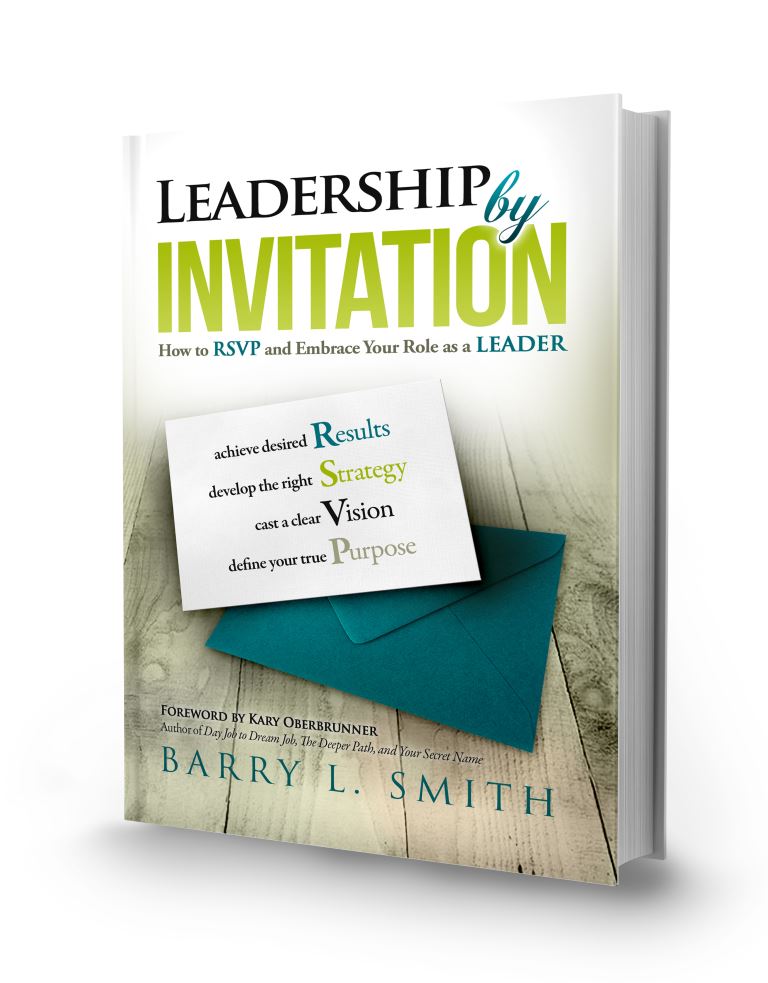 WOW! So many emotions over the last few months as the dream of publishing a book became a reality. The release of Leadership by Invitation: How to RSVP and Embrace your Role as a LEADER, has provided many lessons, many of which I did not see coming during my book launch.
As I put together my launch team, I really wanted to add value to them – the people who were willing to invest in me by promoting and creating a buzz around the release of the book. I had no idea it would become so much more than that.
I recorded videos and did a couple of special calls for my team with the intention of adding value to them. I was able to talk a few friends and associates to give away some of their content as well to add the the fun.
Hats off to my team. They blew away my expectations in sharing through their social media circles with links, comments and graphics. I made a pre-release version of the book available and as soon as the book went live on Amazon, I was able to get several positive reviews. Thank you Team. I can’t adequately express my gratitude!
But it was the unexpected that really made this effort a success and it had nothing to do with the book – well not directly anyway.
Part of what I wanted to give me team was a “behind the scenes” look at how I wrote the book and why I wrote it. I was overwhelmed but the impact that this had. Inspired by my story, ebooks were published during the course of the launch and commitments were made by others to start writing their own books – or as I like to put it – “their own story.”
We all have a story to tell and I believe that story can help people – YOUR story can make a difference! [Tweet This]
In one of the bonus calls I did, I shared about where I got my inspiration to write the book and part of my own journey to start embracing my role as a leader. The comments and conversations that resulted from sharing my story and my journey blew me away. I never thought simply sharing my own experience could have such an impact.
I often use the phrase “The goal is never about the goal, it’s about who you become in achieving that goal.” What I learned from this experience is that it can be much bigger than that. Our personal goals can have a greater impact than just on us.
I have always been a big “story” guy, but I am more convinced than ever that more of us need to share that story. It doesn’t matter if it’s in a book or from the stage – tell your story! You can make a difference.
Look, I don’t know what your story is, but this I know: it needs to be told. As much as your personal journey is unique to you, other people are facing the same challenges that you have overcome and you have the opportunity to make a difference in their life. The time to do it is NOW!
QUESTION TODAY: What goals have you set?
CHALLENGE: Make that goal a goal that will impact more than just you!
***********************************************************************
===> LEADERSHIP by INVITATION now available on AMAZON <===
Click here to get a copy of my Kindle Book “The Manifesto Of An Influential Leader”
Don’t miss a single post from Building What Matters by subscribing at the top left of this page.
Help support us by clicking here and Liking our facebook page
Barry Smith 6/20/14 photo courtesy of Kendra Cagle © Building What Matters 2014
The post What I Learned From My Book Launch – It’s About More Than The Book! appeared first on BUILDING WHAT MATTERS.COM.
]]>The post What The Boy Scouts Taught Me About Memorial Day appeared first on BUILDING WHAT MATTERS.COM.
]]> One of the things I miss the most about being a Boy Scout leader is the Memorial Day Flag Plant that we participated in every year. On Memorial Day, we would head up to Willamette National Cemetery in Portland and along with the boys, would clean off the grave markers, plant a flag and audibly say the names of those who had served our Country.
At first glance, the markers look much like those that can be found in any cemetery. Name, date of birth and the date that there life here on earth came to an end. Then you look a little harder. In this cemetery there are many markers that only show a life span of twenty or thirty years.
Many don’t come home.
I realize that most that serve this Country, serve for a period of time and then get discharged to civilian life. Many, however do not. Many don’t come home. Many kiss their loved one’s goodbye and never make it back to say hello again.
You don’t see these stories at the cemetery but you know they exist. It is quite a moving experience to hear the boys say the names and even for the young ones that might not fully understand what some of these great men and women went through, you can sense a certain reverence that you would not hear otherwise.
“The graveyard is the richest place on earth, because it is here that you will find all the hopes and dreams that were never fulfilled, the books that were never written, the songs that were never sung, the inventions that were never shared, the cures that were never discovered, all because someone was too afraid to take that first step, keep with the problem, or determined to carry our their dream.” – Les Brown
Les makes a great point. There are not only the stories of what did happen that we can only speculate upon, but also the stories that never took place. I am a big fan of stories and I think everyone has a story that can add value to others and that story should be shared.
You have the freedom to tell your story – so tell it!
We all have a story for what has already taken place but I am more concerned about the story that has not happened yet – the story you can still write. I know in the United States, there are men an women who have committed their lives to make sure that I maintain not only the freedom to tell my story, but the freedom to create it of my own free will.
If you want to truly honor the men and women that serve your Country, be willing to serve others by creating a story worth telling – live it and tell it. Look back on the quote above. What part of your story has not been written yet? Isn’t it worth writing?
What if only 10% of the book you are reading had words in it?
It has been said that man will only reach ten percent of his potential during his lifetime. How would you feel if when digging into the last book you purchased, you found that only ten percent of the pages had words on them?
Picture your life as a book. The past has already been written and no matter what are in those pages, everyday starts with a blank sheet of paper. What will you write?
Today’s Challenge: Start writing and think and dream big while you do it. There is no greater way to give back to those that have gone before you than to make the most out of the life you have been blessed with.
Today’s Shout Out: Thanks to all those serving their Countries, past and present.
***********************************************************************
===> LEADERSHIP by INVITATION now available on AMAZON <===
Click here to get a copy of my Kindle Book “The Manifesto Of An Influential Leader”
Don’t miss a single post from Building What Matters by subscribing at the top left of this page.
Help support us by clicking here and Liking our facebook page
Barry Smith 5/27/14 photo by author © Building What Matters 2014
The post What The Boy Scouts Taught Me About Memorial Day appeared first on BUILDING WHAT MATTERS.COM.
]]>The post Leading The Starbucks Way – Part 3; Challenge Your Legacy appeared first on BUILDING WHAT MATTERS.COM.
]]> Wow! This has been the longest stretch without posting here since I started this blog two years ago. Between travelling, trying to get my book published and moving into a new office, I just had to say NO to a few things. But now it’s back to business. Let’s start by wrapping up our discussion on Leading The Starbucks Way.
Last month in the Platform Builders Mastermind Group, we dove into “Leading The Starbucks Way: 5 Principles for Connecting with Your Customers, Your Products, and Your People” by Joseph A. Michelli.
Sure this book is about Starbucks, but it’s much bigger than that. Michelli shows why Starbucks has become the coffee bean superpower of the world. And it has nothing to do with the beans. I guess that’s not entirely true, but their success is built much more around who is serving rather than what is being served.
I will admit, I have invested my fair share in the Starbucks brand but I never gave a thought as to what goes on behind the grinder, so to speak. Michelli explores 5 Principles that give Starbucks the advantage over their competition and I for one, will pay much more attention to what is going on behind the counter next time I visit my local Starbucks.
Definitely a great look at what has made Starbucks so successful, but at the same time, the bar has been set very high for them to continue to live up to their reputation.
In this, the final of three posts, I will recap Michelli’s exploration of Principle 4 – Mobilize The Connection and Principle 5 – Cherish And Challenge Your Legacy
PRINCIPLE 4 – MOBILIZE THE CONNECTION
Nobody knows better than Starbucks that the power in any marketing strategy is going to depend greatly on social media. Michelli points out that Starbucks has identified 5 core elements in their digital strategy:
- commerce
- company-owned web and mobile channels
- loyalty/customer relationship management (CRM) targeted database
- social media and
- paid digital marketing
I have found it interesting how many ways there are to be a Starbuck’s customer while not even at the store. You seem to see the Starbuck’s name almost everywhere you go and it has all but become a household term anymore. I received a $5 Starbucks gift card through facebook a while back and when I used it this morning, the barista asked me where I got it. Made for a great conversation. Again, building relationships … the Starbucks way!
“By building social media connections through individualized experiences, unique preferences, thoughtful platform selection, and respect for the platform community, Starbucks pulls customers to its content, as opposed to pushing marketing materials to them.”
I love that quote. Many of us think of sales as more of a “push” process and even though we see Starbucks marketing everywhere, I don’t think I have ever felt like it was being pushed on me. Maybe I am just “pulled” to it because it’s a solid brand with great customer service. What do you think?
PRINCIPLE 5 – CHERISH AND CHALLENGE YOUR LEGACY
The final section of the book is worth the price of admission. Michelli takes an in-depth look at how Starbucks has considered all their decisions, both good and bad, as they move into the future. No doubt they fully understand that without a strong client base, they will not exist.
“For our purposes, we will look specifically at behaviors leadership demonstrates in the course of setting goals, taking action, and measuring progress in the areas of environmental stewardship, ethical sourcing, community development, and job creation.”
As they look into the future, they will depend greatly on their leadership to make sure that what is important, stays important. The bottom line is that their success is about the relationships they have built, both on the personal and corporate level. It’s no wonder that this business model is one that is being imitated on a daily basis. It works!
Responsibility is part of the Culture!
This is probably my favorite quote from this section of the book:
“True leadership requires a willingness to invest in the long-term health of one’s business and active collaboration with others, out of a genuine sense of responsibility.”
There is so much information in this book but my big takeaway is that Starbucks has created a culture that extends well beyond the people drinking their coffee. [Tweet This] Something to think about for all of us.
TODAY’S QUESTION: How much time do you spend thinking about your legacy? Does it end with the person right in front of you or have you considered that what you do might just impact someone you will never meet?
***********************************************************************
===> JOIN THE “LEADERSHIP BY INVITATION” LAUNCH TEAM <===
Click here to get a copy of my Kindle Book “The Manifesto Of An Influential Leader”
Don’t miss a single post from Building What Matters by subscribing at the top left of this page.
Help support us by clicking here and Liking our facebook page
Barry Smith 5/19/14 photo courtesy of amazon © Building What Matters 2014
The post Leading The Starbucks Way – Part 3; Challenge Your Legacy appeared first on BUILDING WHAT MATTERS.COM.
]]>The post The Real Value In Hitting A Bucket Of Balls! appeared first on BUILDING WHAT MATTERS.COM.
]]>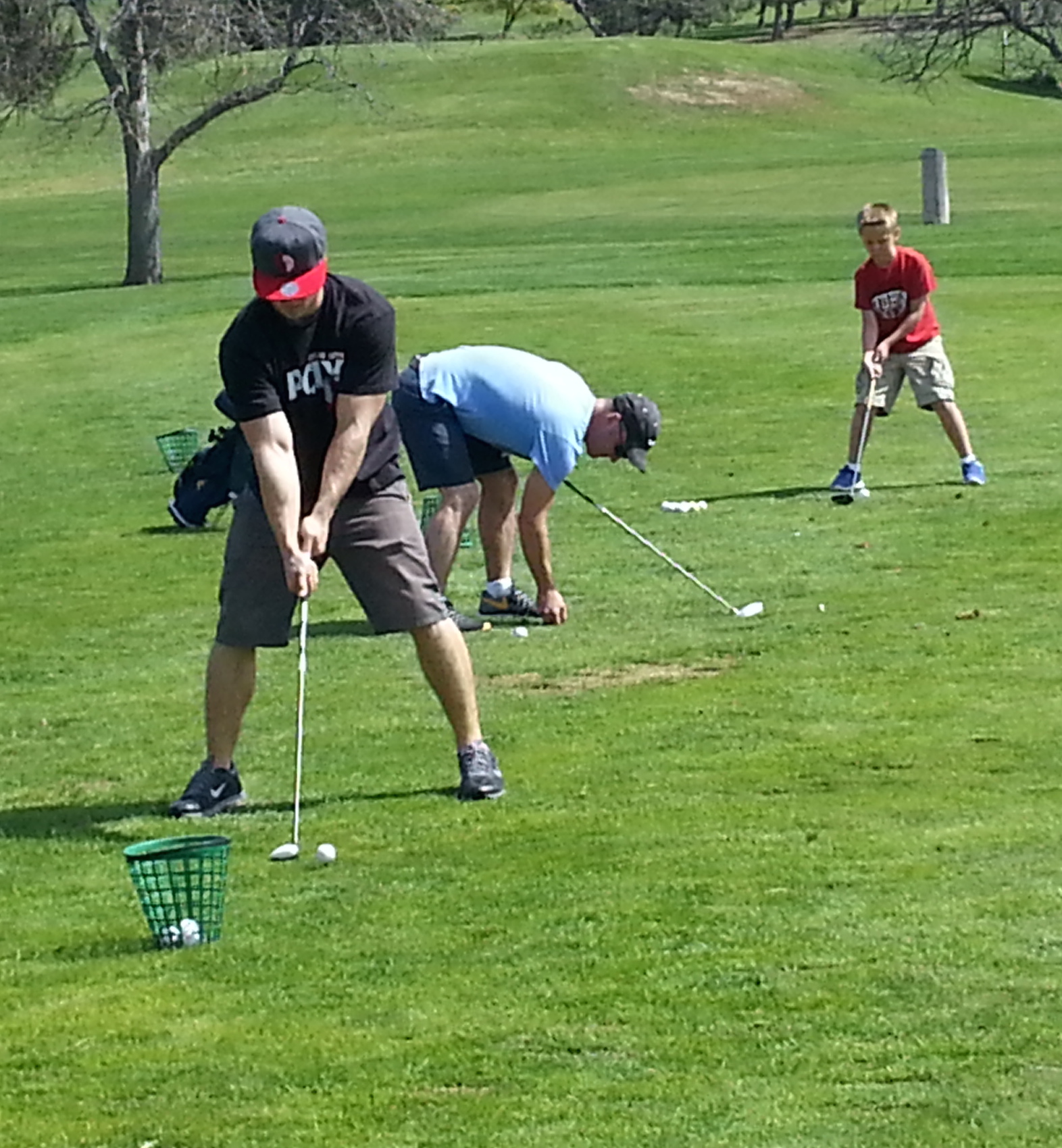 Have you ever noticed that when you allow yourself to look beyond the obvious, you can learn some cool stuff from the most interesting places. Last weekend we headed across the state of Oregon into Idaho to visit family for the Easter Weekend. I learned a few unexpected lessons while there.
I guess my journey over the last few years has taught me that we miss out on a lot of opportunities and lessons simply because we don’t take the time to look around and really see what’s going on. It’s amazing what you can learn when you start looking!
My brother-in-law, Scott, suggested that he and his son Sam and me and my son Scott go hit a bucket of balls at the local golf course. Spring seems to finally be showing up and it sounded like a great idea.
We picked up our buckets from the clubhouse, filled them up and headed over to the driving range. I have a set of clubs and have been playing golf on and off since High School but the lack of consistent play pretty much leaves me reinventing my game on an annual basis.
As I watched the others hit and began hitting my own bucket, I actually tried to focus on my swing and then it struck me that golf is a lot like most of the challenges we have in life. I may lose some of you here, but golf is only a game, really, it is. Some of us just take it more serious than others.
What I found interesting is that we can use some of the same principles in improving our golf game as we can in improving our life and here are four of them:
WHAT DO I NEED TO START?
Well, if I want to improve my golf game, I better start playing more consistently. Dusting off the clubs two of three times a year does not a golfer make.
If I want to improve my life, I need to follow through more consistently and I’m not referring to my golf swing.
WHAT DO I NEED TO STOP?
Several years of slicing and hooking have centered my focus on trying to figure out what I’m doing wrong. I should be focusing on what I need to do right.
In life, I need to move away from deficit based thinking and focus on the assets I have instead of the deficiencies. Making what I already do right better, will eliminate the bad stuff without even thinking about it.
WHAT DO I NEED TO DO LESS OF?
Like many golfers, I spend way to much time thinking about the next swing. Too many moving parts and too many options. Limit the things to work on to one or two and take care of them first.
In life, it is no different. Too many things I want to do, which translates to not doing any of them very well at all. Less shiny squirrels and less options reduces the noise and clutter and brings clarity to any situation.
WHAT DO I NEED TO DO MORE OF?
Simple – create better habits. Habits come from repetition. Driving range, putting green and chipping from the fringe. Practice, practice and then practice.
Now I realize life is not practice but this I know – the more I do something, the better I will get at it. This goes for good things and bad. What do I need to do more of? The things that really matter. The things that make a difference.
Look at that – a simple bucket of balls at a golf course and look what I learned from it. A couple of questions to leave you with …
What opportunities are you currently missing out on in your life because you are simply not taking the time to notice them? [Tweet This]
Maybe the more important question is what are you going to start, stop, do more of or do less of in order to see them and act on them?
***********************************************************************
===> JOIN THE “LEADERSHIP BY INVITATION” LAUNCH TEAM <===
Click here to get a copy of my Kindle Book “The Manifesto Of An Influential Leader”
Don’t miss a single post from Building What Matters by subscribing at the top left of this page.
Help support us by clicking here and Liking our facebook page
Barry Smith 4/25/14 photo courtesy of amazon © Building What Matters 2014
The post The Real Value In Hitting A Bucket Of Balls! appeared first on BUILDING WHAT MATTERS.COM.
]]>The post What If Plan “B” Could Become Plan “Better”? appeared first on BUILDING WHAT MATTERS.COM.
]]>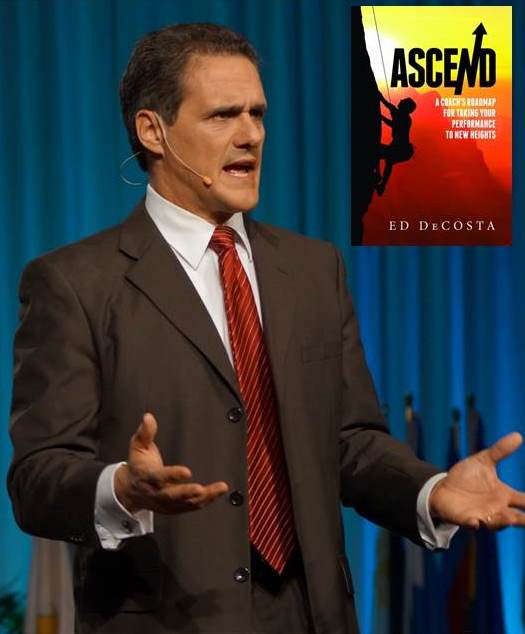 Last week on our Platform Builders Mastermind call. we spotlighted one of the Maxwell Team mentors, Ed DeCosta, who recently release his new book ASCEND: A Coach’s Roadmap For Taking Your Performance To New Heights.
If you want some “no-nonsense, get results” strategies for reaching new levels of achievement, you will find it in ASCEND. But it’s not the book that inspired this post, it was something Ed said on the call.
Ed made the statement that “Sometimes Plan B needs to be Plan Better.” [Tweet This]
I don’t think Ed even realized the genius in the statement when he made it, but genius it is. That comment changed my entire thought process on the idea of a “backup plan.” You see, that’s what I’ve always thought a Plan B was – the option when the desired one doesn’t work. Not any more!
If you have been settling for Plan B, Knock it off!
Maybe you are a lot smarter than me and have already figured this out, but for me, Plan B has always been the backup plan just in case Plan A didn’t work out. Right? Look, being smarter than me is not any kind of earth shattering accomplishment but changing your perspective on this just might be. If you have conceded that Plan B is always less desirable than Plan A, Knock it off!
What if we looked at Plan A failing not as a failure, but as an opportunity to learn and seize the opportunity to make Plan B – Plan Better. What if Plan Better doesn’t work? Well, you can call it whatever you want, but by learning lessons instead of conceding defeat, we can continue a path towards success.
Start learning lessons instead of conceding defeat!
Full transparency here, I just came into this awareness less than a week ago and although I have not had a chance to put it to the test yet, I do have some big “Plan A” activities that will be put to the test this week and this I know – if I have to go to the backup plan, it will be Plan Better.
I think our culture has conditioned us to believe that acceptance of thinking that our results are “good enough”, “better than than they use to be”, or “at least different than they were before” are reasonable outcomes. Nonsense!
Start setting yourself up for success!
The whole idea of setting goals and stretching outside our comfort zone are to produce what we have not achieved before. Why do we settle for less than we desired? Why is better OK when best is what we are shooting for? Why do words live “CAN’T”, “NEVER”, and “ALMOST” remain in our daily vocabulary?
I think it’s because we have lowered our standards. And by doing so, we have lowered our own self-image. Ed and the other Maxwell mentors all adhere to the belief that we will never out perform our own self-image.
When Plan A doesn’t work, we immediately jump to the next best choice instead of creating a BETTER one. Peter Drucker had some thoughts on this when he said:
“The best way to predict the future is to create it.” [Tweet This]
TODAY’S QUESTION: Are you following a downward progression in your decision making process that will ultimately net you less of a result than you originally desired?
TODAY’S CHALLENGE: Learn from the Plan A’s that didn’t work out and set yourself up for success by making Plan B – Plan Better!
***********************************************************************
===> JOIN THE “LEADERSHIP BY INVITATION” LAUNCH TEAM <===
Click here to get a copy of my Kindle Book “The Manifesto Of An Influential Leader”
Don’t miss a single post from Building What Matters by subscribing at the top left of this page.
Help support us by clicking here and Liking our facebook page
Barry Smith 4/14/14 photo by author © Building What Matters 2014
The post What If Plan “B” Could Become Plan “Better”? appeared first on BUILDING WHAT MATTERS.COM.
]]>The post Leading The Starbucks Way – Part 1; Savor And Elevate appeared first on BUILDING WHAT MATTERS.COM.
]]>This month in the Platform Builders Mastermind Group, we are diving into “Leading The Starbucks Way: 5 Principles for Connecting with Your Customers, Your Products, and Your People” by Joseph A. Michelli.
Sure this book is about Starbucks, but it’s much bigger than that. Michelli shows why Starbucks has become the coffee bean superpower of the world. And it has nothing to do with the beans. I guess that’s not entirely true, but their success is built much more around who is serving rather than what is being served.
I will admit, I have invested my fair share in the Starbucks brand but I never gave a thought as to what goes on behind the grinder, so to speak. Michelli explores 5 Principles that give Starbucks the advantage over their competition and I for one, will pay much more attention to what is going on behind the counter next time I visit my local Starbucks.
Definitely a great look at what has made Starbucks so successful, but at the same time, the bar has been set very high for them to continue to live up to their reputation.
In this, the first of three posts, I will recap Michelli’s exploration of “The Starbucks Connection” and Principle 1 – Savor and Elevate.
THE STARBUCKS CONNECTION
The story starts with Howard Schultz stepping back into the role of Chief Executive Officer in 2008. Schultz introduced his “Transformation Agenda” establishing a forward-looking vision that enhanced the companies established mission. Michelli shares that:
“While the Starbuck mission was “to inspire and nurture the human spirit – one person, and one cup and one neighborhood at a time,” the transformation vision set an energizing and rallying objective, “to become an enduring, great company with one of the most recognized and respected brands in the world, known for inspiring and nurturing the human spirit.”
Whether you are a fan of the coffee or not, I guarantee you will look at the organization differently after giving this book a look. The investment that Starbuck makes in their people is impressive. Their commitment is to not only continually improve the product but the way they connect with the customer. It’s not too hard to figure out why your local Starbucks is always full.
PRINCIPLE 1 – SAVOR AND ELEVATE
There are many great quotes about the Starbucks philosophy throughout, but the message is consistent. Connect with your customer and create an experience that will be remembered long after that last sip from the cup.
This is done by being passionate about your product and the service provided to deliver it and do it in a way that inspires the customer to share the same passion. Here is a great quote that represents the Starbucks culture:
“We take the ordinary … and give it new life, believing that what we create has the potential to touch others’ lives because it touched ours.”
It is clear that Starbucks culture is built around both the customer and the product and it’s hard to tell which is top on the priority list but one thing is clear, they are completely committed to make both the best.
This is probably my favorite quote from this section of the book; “all business settings are a stage from which all experiences emerge.” (Tweet This) What if we all looked at our business that way? People are going to pay for your service or your product or both. The real question becomes, will they enjoy it? The answer to that will determine whether or not they come back.
TODAY’S QUESTION: Your brand is really a representation of who you. What are you doing to use that brand to create an experience that will get your customer or client to share in your passion?
***********************************************************************
===> JOIN THE “LEADERSHIP BY INVITATION” LAUNCH TEAM <===
Click here to get a copy of my Kindle Book “The Manifesto Of An Influential Leader”
Don’t miss a single post from Building What Matters by subscribing at the top left of this page.
Help support us by clicking here and Liking our facebook page
Barry Smith 4/10/14 photo courtesy of amazon © Building What Matters 2014
The post Leading The Starbucks Way – Part 1; Savor And Elevate appeared first on BUILDING WHAT MATTERS.COM.
]]>The post Scan-Snap-Savor And Re-Program Your Results! appeared first on BUILDING WHAT MATTERS.COM.
]]> One of the segments we added to The Platform Builders Mastermind Group this year was a “Leadership Spotlight.” During one segment of our call each week, we feature an author or leader and focus on their current projects or activities.
This week we had a great call and were honored to have Dr. Kathryn Cramer join us who recently released her seventh book, LEAD Positive: What Highly Effective Leaders See, Say and Do.
The latest in Dr. Cramer’s Asset Based Thinking (ABT) series, LEAD Positive pack a tremendous amount of great content on how to be courageous, resilient, and optimistic as we as leaders, can produce significant and lasting change in both our personal and professional lives.
This book is full of concepts and ideas that will no doubt change the way we think, and result in raising our leadership lid. Dr. Cramer suggests that we, by nature, are wired to “avoid harm” and therefore react faster to the negative than we do to the positive. Over time, this creates a negative bias in our thinking. But we have the power to change that!
One of Dr. Cramer’s ABT exercises really caught my attention. The Scan-Snap-Savor exercise, although simple in concept, has the potential to completely change the way we think. See what you think …
SCAN
Dr. Cramer suggests that we look for a positive fact that is either happening right now or in our immediate past. Then focus your attention on one of three areas, self, others, or situation. In Dr. Cramer’s word’s, “The self scan requires you to look for your own leadership strengths, capabilities, efforts, and skills that are showing up in the present moment to move things forward.”
To me, this sounds like “short-term version of the Law of Reflection. Dr. Cramer points out that, “The situation scan leads you to zero in on the emerging dynamics working in your favor.” How cool is that! All we have to do is think positive and the energy pulled from that thinking will produce positive results. The power of positive thinking ring a bell for anyone?
SNAP
I recently heard Dr. Cramer describe this part of the equation as taking a mental picture of that positive fact that you focused on the the scan step. When we develop that positive image in our mind just like downloading pictures onto you computer. They are stored there for your future use.
Again, a pretty straight forward concept – visually snap the picture and download it to your cranial hard-drive. (Tweet This) I see it like this, if you don’t take the picture, you are going to have to recreate the image to access that “positive” memory. In today’s warp speed society, we simply choose not to take the time or energy to do it and default to the negativity bias we already have.
SAVOR
This is the difference maker. Before you store away that mental snapshot, spend 30-60 seconds “savoring” it. Remember a hundred years ago when film had to be developed in a liquid solution? It had to soak in that stuff until it fully developed. Dr. Cramer has brought that concept back to life and you don’t even need a dark room.
Follow her advice and, “Let the full measure of the experience sink deeply into your implicit memory. Savor it. In less than 90 seconds, you have allowed yourself to step outside the hustle and bustle of the day.“
Dr. Wayne Dyer said, “When you change the way you look at things, the things you look at change.” Maybe it’s time you trade in that old camera that doesn’t seem to be working for you and pick up a new one that takes the type of pictures that will get you the “POSITIVE” results you have been looking for.
TODAY’S CHALLENGE: Pick up a copy of LEAD Positive and start using your manual focus option. You just might like the increased quality of the pictures you’ve been taking!
***********************************************************************
Click here to get a copy of my Kindle Book “The Manifesto Of An Influential Leader”
Don’t miss a single post from Building What Matters by subscribing at the top left of this page.
Help support us by clicking here and Liking our facebook page
Barry Smith 3/26/14 photo courtesy of the Weaving Influence © Building What Matters 2014
The post Scan-Snap-Savor And Re-Program Your Results! appeared first on BUILDING WHAT MATTERS.COM.
]]>The post Leaders Eat Last – Part 1; The Forces That Keep Us Safe appeared first on BUILDING WHAT MATTERS.COM.
]]>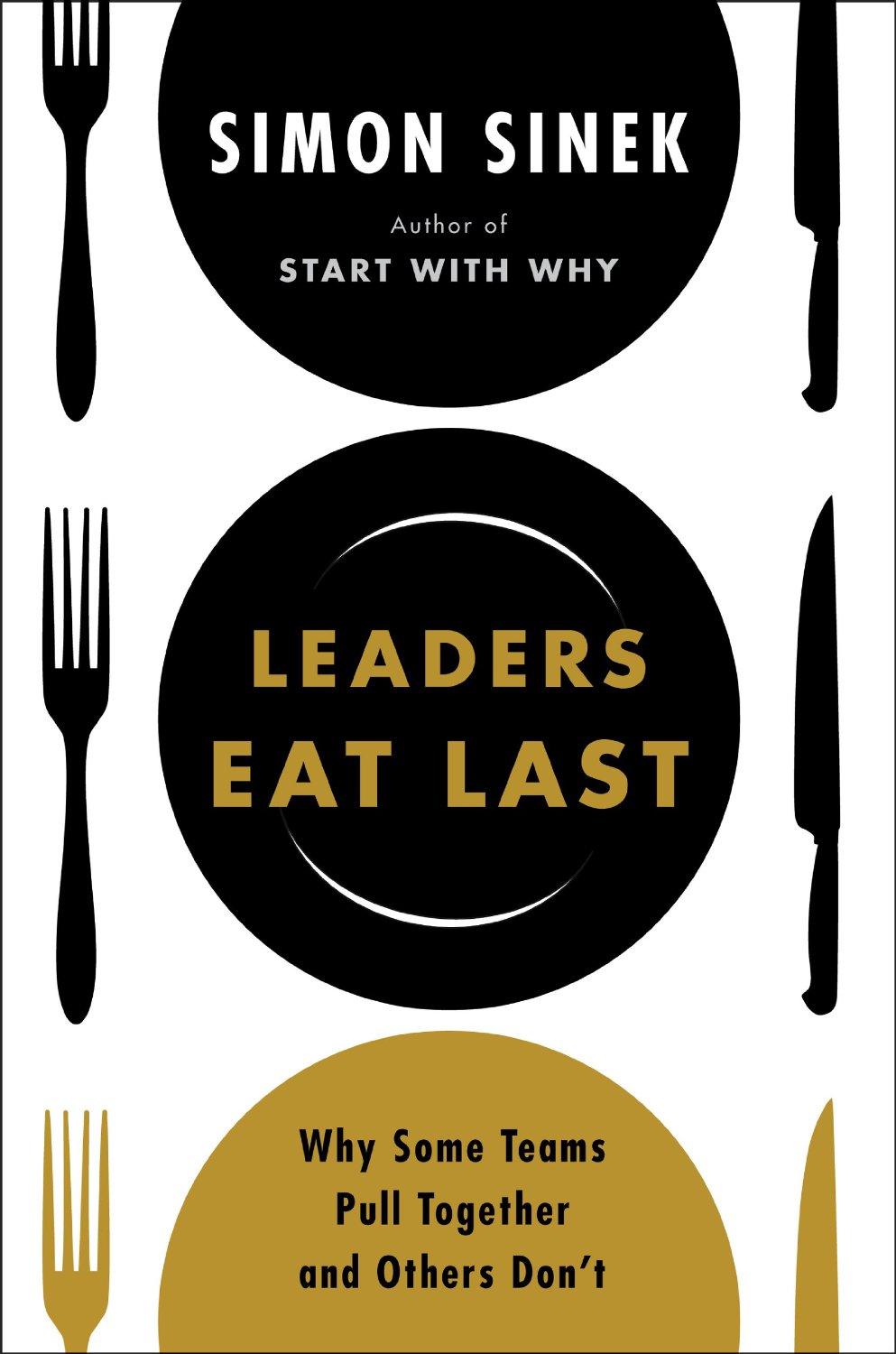 This month, in The Platform Builders Mastermind group, we are working our way through Simon Sinek’s recently released “Leaders Eat Last – Why Some Teams Pull Together and Others Don’t.”
Sinek, the author of Start With Why, provides a deep look into what creates the most effective teams and more importantly, what keeps them working together, even during the most difficult of times.
This is one of those books that will take you a little bit longer to read because so many thoughts require you to take another look, just to make sure you understood the power behind them. A phenomenal effort by Sinek, Leaders Eat Last not only looks at the dynamic of the team but of the individuals that make up that team.
What really sets this book apart is Sinek’s unique look at why some people make good leaders and others don’t and the “why” behind the results they get. In this post, the first of four, I will attempt to capture the basic thoughts of the eight parts of the book.
PART 1: OUR NEED TO FEEL SAFE
PROTECTION FROM ABOVE – Sinek starts out the book telling the story of pilot Johnny Bravo and about his courageous actions from the battlefield. When asked why he risked his own life to protect the lives of his fellow soldiers, he simply responded “Because they would have done it for me.” Are you willing to do for others what you would expect them to do for you?
EMPLOYEES ARE PEOPLE TOO – The second chapter is built around this great thought from Sinek: “The leaders of great organizations do not see people as a commodity to be managed to help grow the money. They see the money as the commodity to be managed to help grow the people.” Imagine that … focusing on people before profits. Isn’t that interesting?
BELONGING – Sinek introduces the concept of a “Circle Of Safety.” We all want to belong to something and when a culture is created that not only provides the opportunity to be part of it, but also provides security and stability, then engagement, fulfillment and productivity go up as well.
YEAH, BUT … – This is a great chapter. Sinek explores the idea that it is not extra work and long hours that stress people out, but rather the loss of control. When we are able to control our environment, we are much more inclined to remain engaged and loyal to our team.
PART 2: POWERFUL FORCES
WHEN ENOUGH WAS ENOUGH – If you are reading this, you probably already have more than enough. In other words, your basic needs have been met and you are living more abundantly than most of the people on this planet. Sinek begins to take a look at the physiological reasons that influence our thoughts and actions.
E.D.S.O. – Chapter 6 provides a clear picture of the four primary chemical incentives in our bodies and what happens when these chemicals are released.
- Endorphins – This chemical masks physical pain. This is what makes you feel good after strenuous physical activity.
- Dopamine – This is the chemical that makes us feel satisfied, a sense of achievement or accomplishment.
- Sarotonin – This chemical provides a feeling of pride, respect or value. This builds our self-esteem.
- Oxytocin – This is what enables us to form friendships, feel love, and build deep trust.
Sinek does a masterful job describing how all of these play into our role as a leader.
THE BIG C – No, not that one. Cortisol is responsible for the stress and anxiety that we feel when something goes bump in the night. It is our bodies way of telling us that something is not right. The problem is that although it is a defense mechanism, it also puts strain on our body. Using it to our advantage is the challenge.
WHY WE HAVE LEADERS – In order to function as a productive team, organization, or community, someone has to make the first move. Someone has to lead. Someone has to set a course in a new direction or we will simply exist where we are. Someone has to make the first sacrifice so others can follow.
 I know we are early in the year, but I have a pretty strong feeling that Leaders Eat Last will be one of my top books for 2014. I actually had to good fortune to meet Simon Sinek earlier this week and hear him speak from the stage.
I can tell you this much, Sinek is the real deal. In a crowded hotel lobby, he gave me his undivided attention and made me feel like the only one in the room. He practices what he preaches and is consistent with his message.
Pulling from his highly viewed TEDTalk video, “People don’t buy into what you do, they buy into why you do it,” (Tweet This / Post to LinkedIn) Leaders Eat Last will fill you in on the “why” that leaders use to lead.
***********************************************************************
Click here to get a copy of my Kindle Book “The Manifesto Of An Influential Leader”
Don’t miss a single post from Building What Matters by subscribing at the top left of this page.
Help support us by clicking here and Liking our facebook page
Barry Smith 3/6/14 photo courtesy of amazon © Building What Matters 2014
The post Leaders Eat Last – Part 1; The Forces That Keep Us Safe appeared first on BUILDING WHAT MATTERS.COM.
]]>The post The Power Of Urgency – Leveraged Action appeared first on BUILDING WHAT MATTERS.COM.
]]>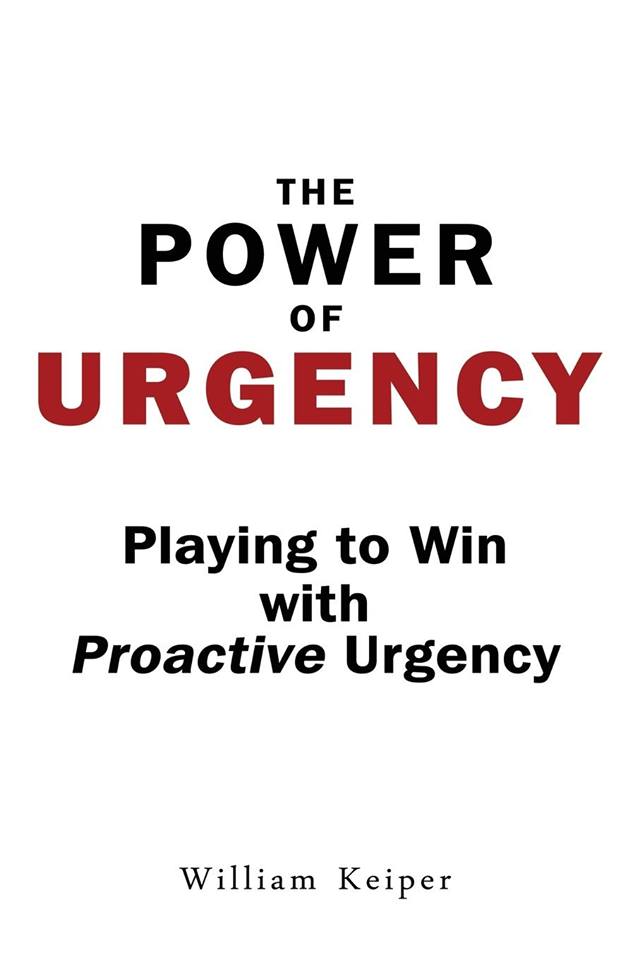 This month in The Platform Builders mastermind group we are working our way through “The Power Of Urgency – Playing to Win with Proactive Urgency” by William Keiper. John Maxwell teaches that the greatest gap is the gap between what we know and what we do. I believe the Proactive Urgency that Keiper is talking about can close that gap.
In Part two of The Power of Urgency, Keiper takes a deep look into the idea of Playing to Win with The Power of Urgency.
“Your current state is a perfect reflection of your prior decisions.” – William Keiper (Tweet This / Post to LinkedIn)
In this, the final of three posts, I want to offer up Keiper’s thought provoking take on the idea of Proactive Urgency. Keiper ends each of the 17 chapters with an “Urgency Rule” and I want to highlight a few to set the frame for Part 2 of the book.
Urgency Rule #12 – A purposeful commitment to acting with pro-urgency is a sustained, continuously renewed promise manifested in your bold actions. This ongoing promise leaves no room for fakery, conformity or false consensus.
I love this quote from Keiper, “The path of least resistance will always be crowded with those who occupy half-numb, half-lived lives.” Commitment never follows the path of least resistance. Commitment will require you to step outside of your comfort zone and do the things you have never done before to become someone you have never been before.
Urgency Rule #14 – An initial decision, no matter how good, immediately becomes a prospect for an adaptive decision based upon new inputs. Be the best challenger of your own decisions.
How often do you challenge your own decisions? Be honest! In almost everything we do, we can do better. There are very few decisions that we make in life that would not benefit from asking these challenging questions:
- What do I need to start?
- What do I need to stop?
- What do I need to do more of?
- What do I need to do less of?
- What am I missing?
If we made better decisions and became just 1% more productive each week, we would increase our productivity by more that 50% every year.
Urgency Rule #17 – Proactive urgency is personal. If pursued with clarity and commitment, it will transform your work, your life and the lives of those around you.
There is that word clarity again. If you have heard me speak, you know how important I believe clarity is in everything we do. Lack of clarity brings confusion and lack of focus. Focus is what keeps you on the right path. Knowing where you are and where you are headed are the keys to getting there.
The question: Have you really committed to reaching your goals or are you still playing small and working through the path of least resistance?
The challenge: Choose a goal you are working towards and fully commit. If you are not struggling, you are not growing.
***********************************************************************
Click here to get a copy of my Kindle Book “The Manifesto Of An Influential Leader”
Join me on the STOP CHALLENGE CHOOSE 12 week health transformation
Don’t miss a single post from Building What Matters by subscribing at the top left of this page.
Help support us by clicking here and Liking our facebook page
Barry Smith 2/27/14 photo courtesy of amazon © Building What Matters 2014
The post The Power Of Urgency – Leveraged Action appeared first on BUILDING WHAT MATTERS.COM.
]]>The post Are You Really Answering The Question? appeared first on BUILDING WHAT MATTERS.COM.
]]> I haven’t written about this topic in a while but thought today would be appropriate. Today begins another week long event that happens twice a year. The John Maxwell Team Live Certification event is like no other that I have ever been involved in.
There is huge added value for an incredible team, and of course teaching from John himself. This will be my fifth trip to the event and I will be joining about 200 of my returning friends and colleagues. In addition to them will be over 400 that will be attending for the first time.
I have been watching the posts over the last month reading about the excitement, anticipation and even a little bit of fear. John Maxwell has taught is that if you want to do something you’ve never done before, you need to become someone you’ve never been before. (Tweet This / Post to LinkedIn)
That’s a pretty powerful statement if you ask me. Many of my teammates were already coaches, speakers, or trainers when they joined the team. For many others, these are areas they may have never explored before and were simply drawn to the team because of the focus on leadership and access to John’s wealth of knowledge on the subject.
You know I love questions! As my own level of awareness has increased over the last few years, I have become much more intrigued with the answers as well. There are always many questions at the live training event and I want to take a look at three of the answers that cover a multitude of those questions.
YES, AND …
Life is not black and white. It’s not yes or no either. I have experienced the value of taking a yes or no question a step further. Let’s face it – yes might be the right answer, but is it the best answer? I have found that yes can almost always be followed up with “and.” The “and” is the opportunity to add clarity.
And as far as I am concerned, we can always use more clarity. So the next time you answer “yes” – see if putting an “and” after it can get a better answer.
IT DEPENDS
Well many times it does depend. “It depends” is a way to force a better question. It forces you to add some clarity in the question itself. A better question will always result in a better answer.
Our culture has put us into an immediate gratification mindset and when you think about it, all this has done is create an environment in which we grab the first response that moves us forward. The problem is, that sometimes that forward is in the wrong direction. Make sure you know what it “depends on” before moving on.
JUMP, AND BUILD YOUR WINGS ON THE WAY DOWN!
I love this one. It has all but become the mantra of the John Maxwell Team. So many of us let fear hold us back, and not only from the things we want to do, but from the things we were meant to do. I’m not suggesting we be irresponsible and take action without thinking first. I’m suggesting that you think first and then take action, even when it scares you. Like I said earlier, the only way we can do things sometimes, is to DO IT AFRAID!
Dieter Jansen, one of my teammates that I recently took through our 90 Day Success Roadmap program, posted this earlier today as he prepared to head north from Capetown, South Africa:
“Never been to a live event, never been to a think tank. I have so many questions. But being confused is OK once you get used to it. You meet such nice people along the way…”
How beautiful is that! What a great attitude! Isn’t amazing how things can change just from adding a little positive perspective and suspending the need to know how. Those are the words from someone willing to step outside their comfort zone. My prediction for Dieter … Success!
The Question: What question did you answer recently with “yes” and yes was only the right answer?
The Challenge: Re-visit that answer and add the “AND”
***********************************************************************
Click here to get a copy of my Kindle Book “The Manifesto Of An Influential Leader”
Join me on the STOP CHALLENGE CHOOSE 12 week health transformation
Don’t miss a single post from Building What Matters by subscribing at the top left of this page.
Help support us by clicking here and Liking our facebook page
Barry Smith 2/17/14 image by author © Building What Matters 2014
The post Are You Really Answering The Question? appeared first on BUILDING WHAT MATTERS.COM.
]]>