The post Leaders Eat Last – Part 3; Culture Trumps Everything appeared first on BUILDING WHAT MATTERS.COM.
]]>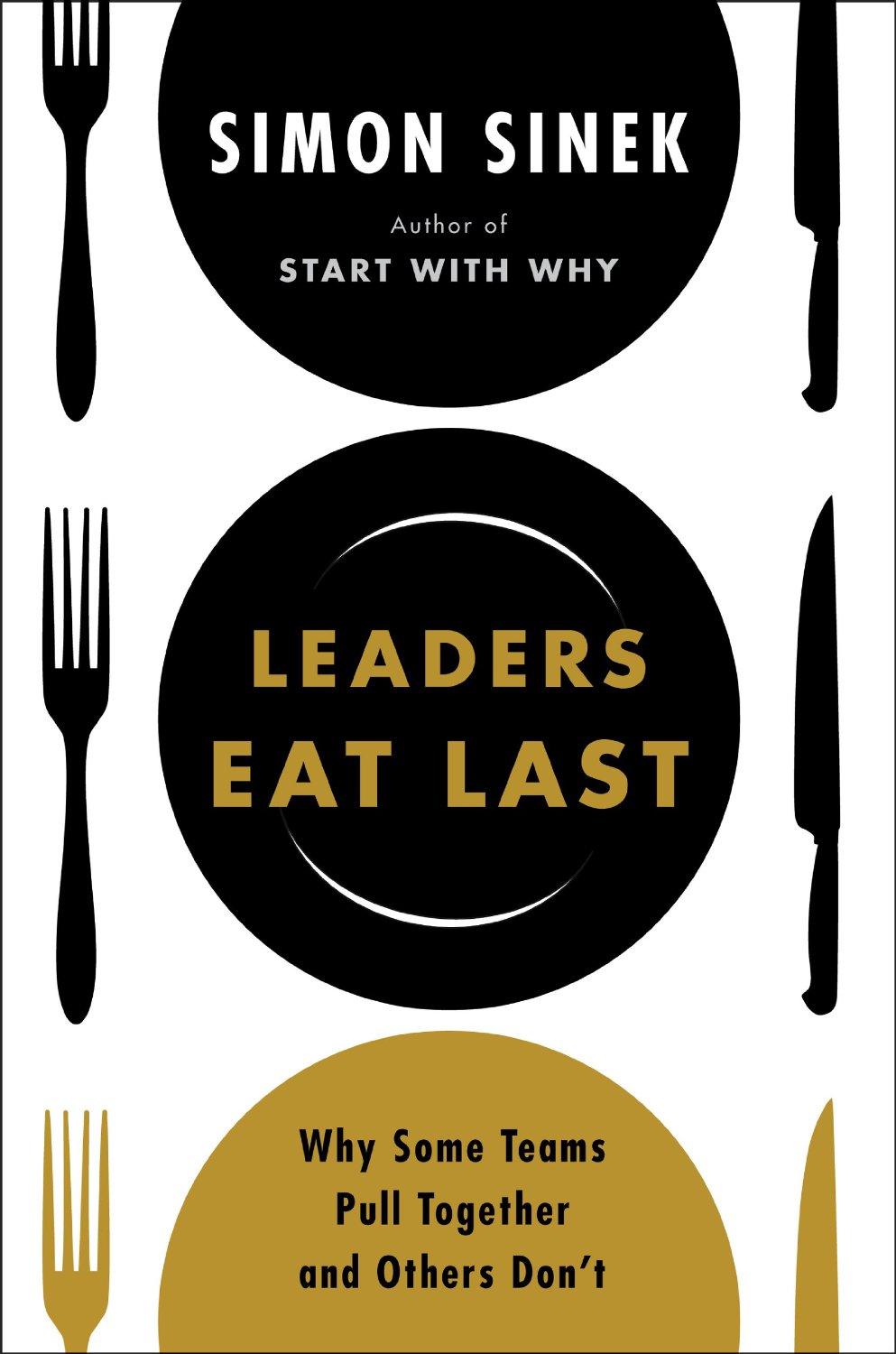 This month, in The Platform Builders Mastermind group, we are working our way through Simon Sinek’s recently released “Leaders Eat Last – Why Some Teams Pull Together and Others Don’t.”
Sinek, the author of Start With Why, provides a deep look into what creates the most effective teams and more importantly, what keeps them working together, even during the most difficult of times.
This is one of those books that will take you a little bit longer to read because so many thoughts require you to take another look, just to make sure you understood the power behind them. A phenomenal effort by Sinek, Leaders Eat Last not only looks at the dynamic of the team but of the individuals that make up that team.
What really sets this book apart is Sinek’s unique look at why some people make good leaders and others don’t and the “why” behind the results they get. In this post, the third of four, I will attempt to capture the basic thoughts of the eight parts of the book.
PART 5: THE ABSTRACT CHALLENGE
ABSTRACTION KILLS – Interesting how much our behavior changes when we are not directly connected to the outcome. Sinek provides an interesting look at how what can happen when we simply follow orders or instructions and disconnect from the results of our actions when we don’t actually “see” the outcome of them.
MODERN ABSTRACTION – A great discussion on the impact of what happens when a employer or leader becomes more concerned about the numbers than the people. Caring about your people will produce the numbers. Never forget that!
MANAGING THE ABSTRACTION – A great quote from this chapter “We like to actually be around people who are like us. It makes us feel like we belong.” As good as the virtual world is becoming, it will never replace sharing the same physical space with like-minded individuals.
IMBALANCE – Simple but powerful thought here. No matter how good something may be, or appear to be, it still needs to remain in balance with everything else. Too much abundance can be a damaging as not enough – maybe even worse!
PART 6: DESTRUCTIVE ABUNDANCE
LEADERSHIP LESSON 1 – So Goes The Culture, So Goes The Company – Culture trumps everything. A leader must provide focus and intentionally keep the culture of the company as a priority. Sinek quotes a former Goldman Sachs employee who described the company as “an environement with no trust, no mutual respect, and above all, no accountability when things went wrong.”
LEADERSHIP LESSON 2 – So Goes The Leader, So Goes The Culture – Some great thoughts here about leaders that empower their people. Your people will act as you do and treat others as they are treated.
LEADERSHIP LESSON 3 – Integrity Matters – A great piece of wisdom here with this one, “Integrity is not about being honest when we agree with each other; it is also about being honest when we disagree, or even more important, when we make mistakes or missteps.”
LEADERSHIP LESSON 4 – Friends Matter – Sinek suggests that cooperation doesn’t mean agreement, it means working together to advance the greater good, to serve those who rely on our protection, not to rack up wins to serve our team or ourselves. We need friendly relationships and need to keep our agenda separate in order to work cooperatively. (Tweet This)
LEADERSHIP LESSON 5 – Lead The People, Not The Numbers – A great observation made here by Sinek, “When a leader has the humility to distribute power across the organization, the strength of the company becomes less dependent on one person and is thus better able to survive.” Building up your people and making sure that they have a path to success is leadership, not the bottom line. Lead well, and the bottom line will take care of itself.
HOLDING YOUR PEOPLE ACCOUNTABLE
My favorite take from this section of the book comes from Sinek’s summary of Captain David Marquet’s Turn the Ship Around. He says this, “It is a leader’s job instead to take responsibility for the success of each member of his crew. It is the leader’s job to ensure that they are all well trained and feel confident to perform their duties. To give them responsibility and hold them accountable to advance the mission.”
Read that again and just think about it for a minute. Does that describe your leadership style? How about the person that is leading you?
***********************************************************************
Click here to get a copy of my Kindle Book “The Manifesto Of An Influential Leader”
Don’t miss a single post from Building What Matters by subscribing at the top left of this page.
Help support us by clicking here and Liking our facebook page
Barry Smith 3/20/14 photo courtesy of amazon © Building What Matters 2014
The post Leaders Eat Last – Part 3; Culture Trumps Everything appeared first on BUILDING WHAT MATTERS.COM.
]]>The post Help Them Grow, Or Watch Them Go – What People Really Want appeared first on BUILDING WHAT MATTERS.COM.
]]>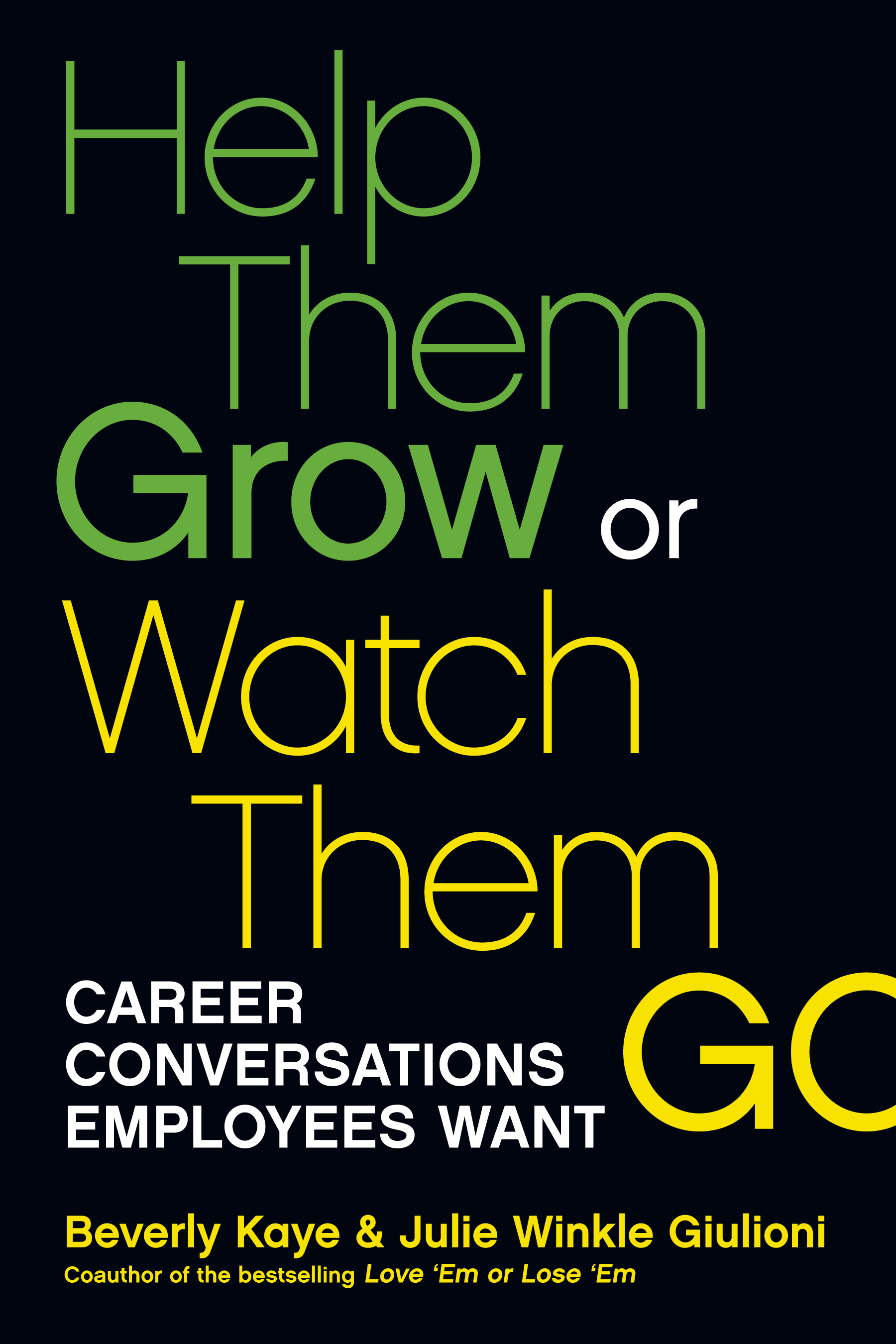 Employee engagement has been a subject that has intrigued me for quite some time. I recently finished reading Help Them Grow or Watch Them Go by Beverly Kaye and Julie Winkle Giulioni. I must say that I now have much more clarity on what employees want and why they want it.
Kaye and Giulioni are the first authors that I have seen write completely from the “coaching” perspective. The coaching philosophy I believe in suggests that results are brought about by answering the curious question. This book is full of questions, and excellent questions at that.
Kaye and Giulioni do an outstanding job of mixing quotes, questions and action items to provide a must read for any leader or manager. Below is a quick summary of the nine chapters that paint a beautiful picture of what your employees are really thinking.
1. Develop Me or I’m History
Whether they have the awareness or not, employees want to know what is next, more specifically, what is next for them. The simple fact is that without a way to grow, they will be unable to grow. Remaining in the same place, doing the same thing, with the same skills is not sustainable.
2. Can We Talk?
How often do you check in with your employees? No, I am not talking about saying hello and goodbye at either end of each day, I am talking about really checking in. How are they doing? What is going well? What needs improvement? Taking the time to sit down with the people that are generating your income tells them they are important and they are valued and that you care about their future.
3. Let Hindsight Light the Way
Looking back and evaluating what worked and what didn’t allows your employees to gain the clarity and focus needed to move forward in a positive way. This type of analysis allows them to use the past to build their future and remember, help them grow or watch them go!
4. Feed Me
I love this one. Employees want feedback. Why? Because it tells them if they are meeting up to expectations. I don’t know how many times I have heard “If only someone would have told me where I was falling short, then I could have done something about it.”
5. What’s Happening?
There is nothing more frustrating than feeling left in the dark. As an owner or employer, you don’t have to tell them everything, but how about enough to keep them engaged. Enough to keep them interested. Do they even know what they are working towards. Give them some ownership and watch them take a little more pride in what they produce.
6. If Not Up … Then What?
It used to be that everyone thought the road to success was a vertical climb. Not so much anymore. Employees are more willing, in fact I believe more wanting, of a balanced career. One that gives them time for their family and personal interests. If more pay comes with more time commitment and stress, you might rethink the job description.
7. Same Seat, New View
If someone has mastered their role, you don’t have to send them up the ladder. They may already be in their sweet spot. But don’t assume this will last forever. Allow them to be creative in their role. Give them more responsibility to use their gifts and talents. This will keep their job fresh and interesting.
8. Advancing Action
This is a big one. As the “boss,” your responsibility is to give the employee a way to grow. It will be their responsibility to do something about it, but you need to create the opportunity. Set a clear course for them moving forward and watch them navigate it successfully.
9. Grow with the Flow
Keep growth in the forefront. Providing a plan and then following up six months later is simply rolling the dice. Keep in constant contact, even if for only a few minutes. This is a way to keep everything in check and provide an opportunity to change course if needed.
As the authors put it; “Grow for it!” Simply put, career development in important. Continual communication and opportunities will result in continual growth and continual success.
A couple of questions for you today. “Have you achieved everything you want for yourself and those working for you? Maybe the more important question is; “What are you doing about it?”
***********************************************************************
Click here to get a copy of my Kindle Book “The Manifesto Of An Influential Leader”
Don’t miss a single post from Building What Matters by subscribing at the top left of this page.
Help support us by clicking here and Liking our facebook page
Barry Smith 11/14/13 photo courtesy of Amazon © Building What Matters 2013
The post Help Them Grow, Or Watch Them Go – What People Really Want appeared first on BUILDING WHAT MATTERS.COM.
]]>The post Real Magic – Breaking Through The Illusion Of Success appeared first on BUILDING WHAT MATTERS.COM.
]]> OK, I’ll admit, I have always enjoyed a good magic show but have never been a fan of the word “magic.” Magician’s create illusions – they make us see something different than really what has taken place through crafting their art.
The reason I don’t care for the word magic is because to some, it represents some type of special power to make things disappear or transform from one thing to another. In reality, magic is the perfection of one of the oldest professions on the planet. Slight of hand, misdirection and so on. Few talents impress me more than a magician who has mastered their craft.
I now have a new appreciation for the word. I recently read “Real Magic – Breaking Through the Illusion of Success” by Nana Danso. Danso, as a magician and motivational speaker, spins a whole new perspective on magic, and this magic has nothing to do with tricks or illusions. This magic is real.
The keys to Danso’s Magic Formula are simple and if followed, will help you to break through the Illusion of Success. Here are the five keys to living a MAGIC life.
MOTIVATION
We all perform better when we are motivated but motivation is a short term condition. There has to be a driving force behind that motivation, something that drives you, something simply described as your “why.” As Les Brown says; “You’ve got to be hungry!” Your why will provide the motivation to continue to achieve over the long run. Your why connects you to your purpose and your purpose is what you have been created to fulfill.
ASPIRATIONS
Can you answer the questions; What do you want? or What do you aspire to do or be? What are your goals? As a coach, it amazes me how many people lack clarity on what they really want. I think this is the reason that so many people feel “stuck.” Danso provides a great question in this chapter. Do you know what the richest place in the world is? Answer – the graveyard. Why? Because this is where are the unfulfilled goals, dream and songs that never happened have been laid to rest.
GIFTS
Danso makes a great observation here. He suggests that if three people tell you that you are good at something, that you have a gift. It is an indication that there is really something there. I can totally relate to this. I never pictured myself as a writer, but when several people took notice of the message in my words, I realized that just maybe there was something there. Now, several thousands words leave my keyboard each week.
INSPIRATION
I could not agree with the author more when he makes the following statement; “The most rewarding part of life is helping others achieve their goals. This begins with believing in people.” Danso is right. When you believe is someone and let them know that you do, not only do you inspire them, but you empower them to do and be more.
CONFIDENCE
Danso points out that when we expect a positive outcome then the outcome will be positive. This only comes when we have the self-confidence to move out of our comfort zone and go places we have not been before. It is really that simple – confidence is the catalyst to achievement. When we believe in ourselves, we can accomplish whatever we set our intentions on accomplishing.
Danso sums it up well with this statement; “Creating magic requires deliberate practice, effort, and dedication, but most importantly, it requires that you believe in yourself.”
A couple of questions for you today: Is your life full of tricks and illusions? Do other people see something that is not real when they look at you? If you want to put some magic back in your life, check out Real Magic and find out how to break through the illusions holding you back.
***********************************************************************
Don’t miss a single post from Building What Matters by subscribing at the top left of this page.
Help support us by clicking here and Liking our facebook page
Barry Smith 10/31/13 photo courtesy of Amazon © Building What Matters 2013
The post Real Magic – Breaking Through The Illusion Of Success appeared first on BUILDING WHAT MATTERS.COM.
]]>The post Do You Want To Be Treated Fair Or Equal? appeared first on BUILDING WHAT MATTERS.COM.
]]> I recently had a conversation with a client on the difference between fair and equal. The conversation revolved around the way we raised our kids but it got me thinking about the bigger picture.
Do you want to be treated fair or equal? Are they the same? Does it depend on the situation? Maybe they mean something completely different. Who gets to decide?
If you want to know my answer, it’s fair. Well some of the time. Those of you that follow me know that I don’t make political statements and this post will be no exception. That being said, I firmly believe in equal rights, freedom of speech as well as the freedom to pursue happiness.
We should all be treated equal and we should all have the right to pursue what we desire. Where I get stuck is on equal opportunity. I don’t want to get stuck playing word games and this could easily be a simple issue of how you define opportunity. Opportunity is not being handed something that is available. I believe that is enabling.
What is fair is providing the opportunity but letting the most deserving, the one who has worked the hardest, the one who is willing to risk what they already have to achieve more, receive that opportunity.
This is the problem. Our culture had allowed these two terms to be watered down so much that we no longer recognize the difference. We have a broken system and no one party, organization, or administration is to blame. I think we spend so much time talking about the problem and whose at fault that we forget to work towards finding a solution.
My opinion, yes my opinion, is not based on race, color, religion or political affiliation. It is based on the belief that we need to stop enabling and start empowering. The only way for people to get better, and better off, is to empower them to do so.
What’s fair to invest in people so that they will invest in themselves and in-turn will begin to invest back in others or in their communities. That’s fair to them and fair to everyone else.
I may get a little push back on this post, and that’s ok. Why? Because I will stand behind my words. I am willing to invest in others. I believe in people and that the greatest gift we can give them is to do just that – believe in them.
I have no problem whatsoever, in giving a person an opportunity, but if we fail to empower them to embrace that opportunity as a way forward, we are doing them a dis-service and we collectively continue to be part of the problem instead of the solution.
My challenge today is to consider the desired outcome in helping those in need. It doesn’t matter if it’s material goods, a job opportunity or maybe something as simple as a little encouragement.
Consider what you are doing or providing – is it a short term solution to a long term problem or is there a way to empower someone to be part of their own solution?
***********************************************************************
SAVE THE DATE: On October 10th, John will be doing a WEBCAST to teach from his new book and introduce the Maxwell Leadership Assessment. CLICK HERE TO REGISTER FOR THE WEBCAST
Don’t miss a single post from Building What Matters by subscribing at the top left of this page.
Help support us by clicking here and Liking our facebook page
Barry Smith 9/28/13 photo by author © Building What Matters 2013
The post Do You Want To Be Treated Fair Or Equal? appeared first on BUILDING WHAT MATTERS.COM.
]]>The post Is Significance Part Of Your Success Plan? appeared first on BUILDING WHAT MATTERS.COM.
]]> Every day I get several emails claiming that if I buy their program it will lead to success. I don’t know about you but I am getting pretty tired of all these people trying to make me successful. In fact, I don’t know if I am really interested in success anyway.
You are probably thinking that I have gone off the deep end. Wouldn’t be the first time I have been accused of that and probably won’t be the last.
Here is where I’m coming from. I don’t have an issue with people succeeding or with the idea of success. I simply want more. I want significance. This past June, while in Guatemala, John Maxwell made the following statement in one of our training debriefing sessions; “Once you get a taste of significance, you will never settle for success.”
That’s more like it – Significance. I find it interesting that I don’t get any emails that claim to make me significant. I wonder why that is. Maybe because it’s hard to put a dollar amount on significance. Or maybe people don’t care if they are significant as long as they succeed.
I guess the best way to solve this problem is to define success. Try this on for size: “Success is doing something you’ve never done before, that makes you feel like you’ve never felt before, in a place you’ve never been before, with people you’ve never met before”. What do you think?
The picture in this post is of me with four of the orphans that I was blessed to meet while in Guatemala. Some may say that the toys, books and clothes that we were able to provide was a big success. Well, I think it was more than that – It was significant. We made a difference in their lives that day!
There is nothing wrong with success, but I really challenge anyone to take a hard look at what they are doing with whatever “success” they feel they have achieved, and tell me what the greater good there is in it.
That’s the difference between success and significance. Success is about you and significance is about everyone else. In building my business, I look at everything I do and ask a simple question; “What’s in it for them?”
That question allows me to train, speak, coach and write with the intent of adding value to others. The paycheck is a bi-product. Sure I have bills to pay just like everyone else but when I focus on the giving part of the equation, the receiving takes care of itself. Not always right away, but it does come back.
Zig Ziglar was spot on when he said; “You can have everything in life that you want, if you will just help other people get what they want.” I want for others to experience that same thing I desire – to be significant. At the end of the day, what people desire most is to feel valued. What is the best way to do that? By believing in them.
I don’t know what your business model is, and I don’t know what your definition of success is. But this I know – if your success plan does not make you significant, your are short changing yourself and your clients or customers.
A challenge for you today – review your definition of success, your mission statement or your business plan. I hope you have at least one of these. If they do not show a clear path to significance, take the time to make the revisions necessary so you can become significant.
The numbers to the left of your checking account balance give a true statement of what you have. The number of lives that you have positively impacted gives you the real value of your significance. I guess I will throw in a question today; “Which numbers are you more interested in?”
***********************************************************************
SAVE THE DATE: On October 10th, John will be doing a WEBCAST to teach from his new book and introduce the Maxwell Leadership Assessment. CLICK HERE TO REGISTER FOR THE WEBCAST
Don’t miss a single post from Building What Matters by subscribing at the top left of this page.
Help support us by clicking here and Liking our facebook page
Barry Smith 9/23/13 photo by author © Building What Matters 2013
The post Is Significance Part Of Your Success Plan? appeared first on BUILDING WHAT MATTERS.COM.
]]>The post Cherished – One Woman’s Journey To Love And Be Loved appeared first on BUILDING WHAT MATTERS.COM.
]]> It has been an honor this week to support my friend and colleague, Bethany Connor, during the launch of her new book “Cherished – One Woman’s Journey to Love and Be Loved.”
OK guys (the male population out there), before you get scared by the pink flower on the cover and title of the book, consider this question … “Would there be any benefit to better understand how a woman’s mind works?”
Sure, this great effort by Bethany is going to resonate with the women more than the men, but the lessons Bethany shares apply to all of us.
A Lieutenant Colonel in the Army Nurse Corp, Bethany tells a very authentic and transparent story her story of transformation. Moving from an identity found in what she did to a purpose driven by who she is, Bethany holds nothing back in describing the deep emotional feelings behind her journey to living the life she was designed to live.
Finding strength through her faith, Bethany paints an incredible picture of how to find joy in who we are. Not because of our accomplishments, but because of who we have been created to be and how there is no failure in falling short, but merely lessons learned in finding our purpose and reaching our potential.
Like I said in the beginning, Bethany is a friend and colleague of mine, but reading her story has let me see “inside” and to better understand her strength and where she draws it from.
 The big lesson for me is how much our self image impacts our behavior, and quite honestly, the joy we find in living life. I am not suggesting Bethany had a poor self image of herself, but more along the lines what I can attest to from my own personal story.
So many of us base our life story and personal worth based on what we do. Bethany’s story had added clarity to me that who we are is much more significant than what we do. Getting out of our own way is how we discover that.
Yes, this a Bethany’s story, a story of One Woman’s Journey to Love and Be Loved, but more importantly it is a story that we all share. This is a story on WHY we all suffer from this identity crisis and HOW we can move beyond that crisis and create a legacy that will add value to all those around us.
I am supporting Bethany this week and I hope you will to. I understand that everyone may not connect with the topic or content of this book, but this I know for sure – You know someone that it will.
My challenge to you – stretch outside your comfort zone a little, or a lot like Bethany has, and if you don’t want to add this to your reading list, forward this on to someone you think could benefit from it. You may be the only person that had the opportunity to expose a friend to these thoughts that could change their life. Is that something you want to miss out on? I think not!
- Click her to go to Bethany’s Website
- Click her to support Bethany on Facebook
- Click her to purchase “Cherished” on Amazon
***********************************************************************
Don’t miss a single post from Building What Matters by subscribing at the top left of this page.
Help support us by clicking here and Liking our facebook page
Barry Smith 9/19/13 photo courtesy of acherishedwoman © Building What Matters 2013
The post Cherished – One Woman’s Journey To Love And Be Loved appeared first on BUILDING WHAT MATTERS.COM.
]]>The post Is There A Risk With Every Reward? appeared first on BUILDING WHAT MATTERS.COM.
]]> Do any of these sound familiar? “Don’t take the risk.” “It’s too risky.” “You have too much to risk.” Through our childhood years, the word risk is equated almost always to danger. Yet when we get older the mantra changes to “No risk, no reward.” Why is that?
I think when we are young, we don’t know any better. We are not yet aware of the things that can hurt us. Unfortunately, for many of us, that mindset never changes. We grow into our adult years still believing that “risk” is just another four letter word we need to avoid.
Warren Buffet said; “Risk comes from not knowing what you’re doing.” So does that mean that the only reason that we don’t take risks is because we don’t know what we’re doing?
I think I follow Buffet’s wisdom on this. If we know exactly what we are doing, we don’t eliminate the risk, but we certainly reduce it. So how about a few more phrases … “calculated risk”; “controlled risk” or “limited risk.”
OK, I’m already tired of the word. No more risk!
Oh, I forgot – No risk, no reward!
There has been much written lately about failure and how it is really a part of every success story in one way or another. John Maxwell’s next book, “Sometimes You Win, Sometimes You Learn” comes out next month and it is all about learning from our failures. I listened to this months Success Magazine CD and three interviews about – you guessed it – failure. Everyone’s writing about failure.
If you are familiar with the Success CD’s, you know that Hardy does a short wrap up at the end of each issue. He made a comment that took the dim light in my head from about 10 watts to 100 watts with this statement; “The best way to massive success is through massive failure.” Ok, full transparency here – it was more like slowly turning up the dimmer switch.
I was so excited that all I had to do to succeed was fail, that I almost missed the real meaning here. If I fail enough times and learn from them, eventually I will succeed.
One of the things I am currently working on is building my client base. So I thought some more about Hardy’s comments and decided that I have a new goal. I am going to fail 100 times by the end of the year in getting a new client. (If you are reading this and get a phone call from me in the next few months, don’t feel like you have to be one of the 100.)
Here’s the real “aha” in all of this. I didn’t get it at the time, but the following day I was on a call with my coach and after explaining this great discovery, she made this observation; “Looking for No’s takes the fear out of rejection.” BOOM!
So what does this mean? It means that I am crystal clear on my objective – “to receive a no.” The risk has been reduced (even if it’s only in my own mind) about failing to get a yes. Therefore, the limiting beliefs that may have held me back in the past, waiting for that “perfect client” or worse yet, “waiting for that person to call me” are gone.
I want a “NO.” Remember what Hardy said – Massive Success comes through Massive Failure. My favorite President, Theodore Roosevelt, said; “It is impossible to win the great prizes in life without running risks.” He was right. It not’s going to come easy and nobody is going to do it for you.
So is there a risk with every reward? Probably not every one. But this I believe – the big rewards come with some kind of risk. Today’s question: “How much are you willing to risk?”
It’s bonus Friday, so you get a question and a challenge, so here it is. There is a risk you have not been willing to take. You know what it is. Don’t be afraid of taking the risk. Educate yourself on what it is you want to do and go for it. If you get your “no”, you can try again.
Now don’t tell anyone that I wrote this last paragraph because this post is about risk and being good with receiving a “NO.” OK – I am whispering now “What if they say yes!”
***********************************************************************
Don’t miss a single post from Building What Matters by subscribing at the top left of this page.
Help support us by clicking here and Liking our facebook page
Barry Smith 9/13/13 photo by author © Building What Matters 2013
The post Is There A Risk With Every Reward? appeared first on BUILDING WHAT MATTERS.COM.
]]>The post Give And Take – Part 3: Even Takers Can Be Generous appeared first on BUILDING WHAT MATTERS.COM.
]]>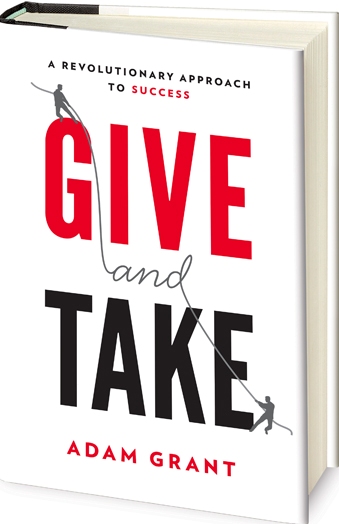 I recently finished reading “Give And Take – A Revolutionary Approach To Success” by Adam Grant. I was not familiar with the book or the author but Give and Take came highly recommended by Jeremey Donovan who wrote “How To Give A TED Talk” that I reviewed earlier this year.
Rarely do I read a book in which I am not familiar with the author or the content. In the case of Give and Take, I’m glad I did. Grant has taken a very unique look at the difference between givers and takers and how different paths lead to different results.
This will be the final of three posts in which I will briefly summarize each of the nine chapters. Grant suggests that most people fall into one of two categories; givers and takers. Matchers are the in-between group and operate on the principal of fairness and strive to preserve an equal balance of giving and getting.
CHUMP CHANGE – Overcoming The Doormat Effect
In chapter seven, Grant shows how to avoid the three major traps that plague many givers in relating with other people: being too trusting, too empathetic, and too timid. He describes how to avoid these risks and overcome them by acting less selfless and more otherish.
Speaking from my own shortcomings, always seeing the good in people even when it resulted in making the wrong decision, I can see how by doing this we can become doormats. We believe that at heart, people are good or are trying to do good. Unfortunately, this is not always true.
In short, we can be givers but at the same time be assertive for what we believe will improve ourselves in the effort to become better givers. Thus we can work on our own forward movement while still maintaining a giver’s attitude.
THE SCROOGE SHIFT – Why a Soccer Team, a Fingerprint, and a Name Can Tilt Us in the Other Direction
Did the chapter subtitle get your attention? Chapter eight has Grant telling a few stories showing how takers begin to change when they see how giving can make a difference.
This can happen when the givers and takers meet on common ground, such as a soccer field. There is a sense of community when we hold common interests in each other. That common interest can actually create a shift in the takers when “giving” will benefit the community they belong to.
Not enough room to share the entire concept here but this I know; the Reciprocity Ring can be a real life changer. What’s a Reciprocity Ring? C’mon now, I know I should be generous, but I can’t give everything away!
OUT OF THE SHADOWS
Grant closes the book by restating the idea that if you “focus attention and energy on making a difference in the lives of others, success might follow as a by-product.” He has definitely proven his point.
He sums it up like this (at least from the perspective of a giver); “Whereas takers view success as attaining results that are superior to others’ and matchers see success in terms of balancing individual accomplishments with fairness to others, givers are inclined to characterize success as individual achievements that have a positive impact on others.”
This book has really opened my eyes to the logic that sits behind our “giving.” These three chapters have shown how there is still hope for the takers in the world. Grant asserts that most of us are matchers which has helped me come to the conclusion that the real difference makers in this world we live in are the Self-Confident Givers.
This is just me theorizing from my takeaways from the book but I believe the givers that suffer from low self esteem are likely to be the doormats while the self-confident givers are the ones that will become more otherish and succeed. Just a thought!
I am going to stick with the same question I had last week. Why? Because I think you might just answer it a little more intentional this week – “What are you currently doing to empower those around you and what are you doing that tell them that you believe in them?” It will be the self-confident givers that take you and your team to the next level.
- click here and take The Give And Take Assessment.
- Click here to read Part 1
- Click here to read Part 2
***********************************************************************
Don’t miss a single post from Building What Matters by subscribing at the top left of this page.
Help support us by clicking here and Liking our facebook page
Barry Smith 8/21/13 photo courtesy of Amazon © Building What Matters 2013
//
The post Give And Take – Part 3: Even Takers Can Be Generous appeared first on BUILDING WHAT MATTERS.COM.
]]>The post Give And Take – Part 2: Givers Empower Those Around Them. appeared first on BUILDING WHAT MATTERS.COM.
]]>I am currently reading “Give And Take – A Revolutionary Approach To Success” by Adam Grant. I was not familiar with the book or the author but Give and Take came highly recommended by Jeremey Donovan who wrote “How To Give A TED Talk” that I reviewed earlier this year.
Rarely do I read a book in which I am not familiar with the author or the content. In the case of Give and Take, I’m glad I did. Grant has taken a very unique look at the difference between givers and takers and how different paths lead to different results.
This will be the second of three posts in which I will briefly summarize each of the nine chapters. Grant suggests that most people fall into one of two categories; givers and takers. Matchers are the in-between group and operate on the principal of fairness and strive to preserve an equal balance of giving and getting.
FINDING THE DIAMOND IN THE ROUGH – The Fact And Fiction Of Recognizing Potential
In the fourth chapter Grant shows how givers succeed by recognizing potential in others. This could be one of the best chapters I have ever read in any book. Grant sites several studies that have been conducted identifying the impact on performance based on how much belief is put into the given subjects.
The results very clearly suggest that although knowledge and intelligence can’t be completely ignored, test subjects that received affirmation and empowering encouragement achieved more that those who were simply given the test.
I have written more than once, that the greatest gift that you can give anyone is to believe in them. Grant’s referenced studies support the idea that those test subjects who were “believed in” scored higher in almost every test. The takeaway – believing in someone will empower them to achieve more than originally thought possible.
THE POWER OF POWERLESS COMMUNICATION – How To Be Modest And Influence People
Chapter five has Grant challenging the traditional assumptions about the importance of assertiveness and projecting confidence in gaining influence.
Theodore Roosevelt said; “Speak softly, but carry a big stick.” Powerless communication provides the feeling that the person you have spoken with fells just that – spoken with and not spoken to.
They are not told what to do or what to think, but rather the conversation is structured such that they feel like the thoughts and ideas have come from within.
Grant provides several examples supporting the idea that people perform on a higher level when they feel they have been involved in a collaborative effort and not directed to act or think in a specific way.
THE ART OF MOTIVATION MAINTENANCE – Why Some Givers Burn Out And Others Are On Fire
Chapter six examines why some givers burn out while others are on fire. In short, there are two types of givers; self-interest and other-interest.
Self-interest givers give and give with no real expectation of anything in return. Although a noble cause, this type of giving is not sustainable. Other-interest givers, on the other hand, give abundantly but keep their own goals and ambitions clearly identified and work towards them as well while seeking the win-win outcome.
While the selfless giver has a tendency to burn out over time the other-interest giver thrives on his success that impacts others as well as himself.
This book has really opened my eyes to the logic that sits behind our “giving.” These three chapters have been so full of content they could have easily been broken down in three separate posts. The concepts themselves challenge the reader to really take a hard look at the style and motives behind the way they give.
The next time you need something from one of your workers or even your kids for that matter, take a hard look at how you communicate YOUR desired outcome. When you can produce the mindset that the person is controlling their own outcome, you will not only empower that individual but I believe you will come much closer to the outcome you are looking for.
A very important question today – “What are you currently doing to empower those around you and what are you doing that tell them that you believe in them?”
click here and take The Give And Take Assessment.
***********************************************************************
Don’t miss a single post from Building What Matters by subscribing at the top left of this page.
Help support us by clicking here and Liking our facebook page
Barry Smith 8/14/13 photo courtesy of Amazon © Building What Matters 2013
//
The post Give And Take – Part 2: Givers Empower Those Around Them. appeared first on BUILDING WHAT MATTERS.COM.
]]>The post When Opportunity Knocks, It’s Too Late To Prepare! appeared first on BUILDING WHAT MATTERS.COM.
]]>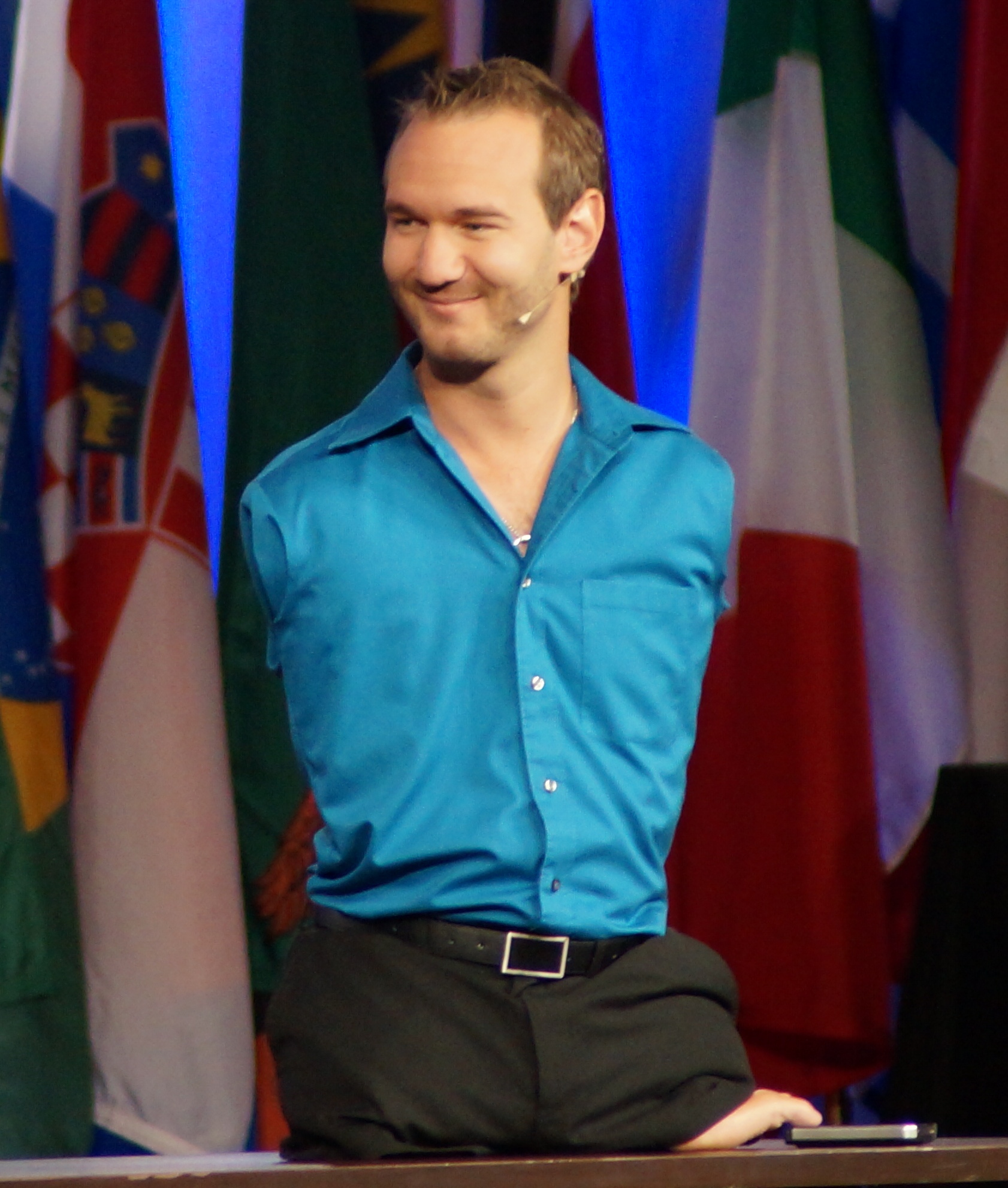 Opportunity is a pretty complex thing to get figured out. Do you make your own? Do you see them when they are there? Do you seize them when you can? All questions that we typically answer depending on what day it is and what we are doing.
I have had the blessing of hearing John Maxwell speak during each of the last three days and one of the things he talked about was the idea that when opportunity knocks it’s too late to prepare.
I have heard that before and I have written about it before and the essence is that we need to be ready when opportunity knocks, so invest your time wisely and in the things that you spend your money on.
That’s good advice and the concept has been part of my thought process in planning my days. Where you invest your time and where you spend your money are going to directly correlate to your level of success.
Seeing an opportunity and acting on it went to a new level for me today. After John Maxwell opened today’s event in Orlando, Nick Vujicic took the stage. If you are not familiar with Nick, he is the young Australian man born with no arms and no legs.
I have read his book Unstoppable and watched several of his you tube videos that have been viewed by millions. But to see Nick live was an experience I will never forget. Nick’s passion to make a difference in the lives of others is unbelievable.
A guy who tried to take his own life at the age of 10, Nick now travels the globe under the mantra of “no limbs, no limits” sharing his story of overcoming what most would consider insurmountable odds, to inspiring changes that are impacting millions to overcome theirs.
What sort of opportunities do you think a person with no arms and no legs had before Nick saw his? Last time I checked, I don’t remember anyone with no arms and no legs in our history books.
Clearly history is being made with the movement that Nick has created. Nick’s first book, Life Without Limits, really sums up my new thoughts on opportunity.
I see it like this; if a man born with no limbs can create a platform that has already reached over a billion people and whose story has changed entire cultures, who are we to think that there is any limit on what we can achieve!
I have some new thoughts on preparing for opportunity and it goes something like this: If you have the ability to do something that you have never done before, in a place you’ve never been before with people you’ve never met before (just like Nick does several times a week) then you probably have the ability to do just about anything.
The challenge comes from seeing the opportunity. My previous thoughts about being prepared for opportunity were structured around reading constructive material and spending time with people that can lift you up. I still think those are important, but I have added something new to my list.
What about preparing by removing the limitations that you have about your potential and what you can do. Do you really think your limits are greater than what Nick has faced? My friend, mentor, and the President of the John Maxwell Team, Paul Martinelli, occasionally claims to be an assassin of limiting beliefs. I can tell you first hand he is and eliminating some of those beliefs has changed my life.
What are the limiting beliefs in your life? Why do you believe they are true? Because someone told you they are? Do you think anyone ever told Nick he couldn’t …?
It was an amazing day for me that also included hearing Les Brown on stage and Les says there is greatness in all of us. I think he is right, but the majority of us will never reach out potential because of the self limiting beliefs that hold us back.
A loaded question for you today – “What are the limiting beliefs that are holding you back from seizing that opportunity that you have been missing? There is greatness within you, and it’s time for you to start living it out!
***********************************************************************
Don’t miss a single post from Building What Matters by subscribing at the top left of this page.
Help support us by clicking here and Liking our facebook page
Barry Smith 8/12/13 photo by author © Building What Matters 2013
The post When Opportunity Knocks, It’s Too Late To Prepare! appeared first on BUILDING WHAT MATTERS.COM.
]]>