The post Secrets Of Dynamic Communication – The Final SCORRE appeared first on BUILDING WHAT MATTERS.COM.
]]>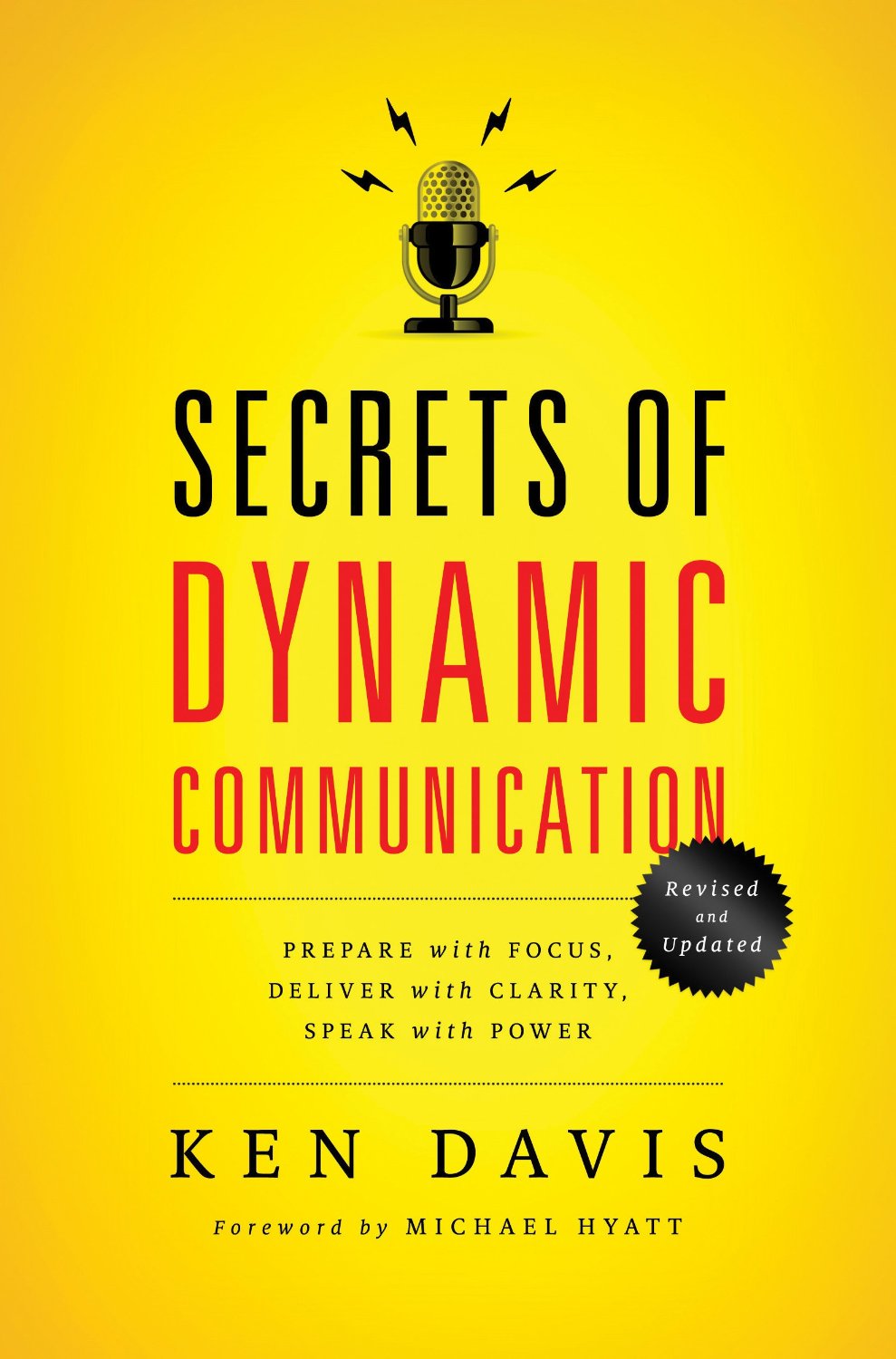 The Platform Builders Mastermind Group invested the month of April digesting the Secrets of Dynamic Communication by Ken Davis. Davis, a greatly sought out speaker, breaks down his SCORRE process in putting together a great presentation.
One of key concepts I include in almost everything I speak on, teach on, or write about is CLARITY. Clarity adds power and impact to anything we attempt to do. [Tweet This]
The SCORRE framework that Davis has broken down does exactly that. It provides clarity and impact to any idea you might have, regardless how you will be presenting it.
Davis offers two primary functions of the SCORRE process:
- It serves as a scope to force the speaker to focus on a single objective.
- It serves as a logical grid forcing the speaker to make sense and lead the audience to the objective.
I believe that those two functions can serve us in any kind of presentation, written or spoken. Let’s take a closer look at the SCORRE process.
SUBJECT
Nothing too scary or difficult here – simply pick a subject. It can be anything, but ideally a subject that people are interested in. Remember, the whole idea of putting a presentation together is to add value to the person watching the presentation or reading the content.
CENTRAL THEME
The central theme is going to be a part of the subject that allows you to build to a specific piece of content. Your subject might be the automobile but without a central theme, such as fuel mileage, you will find it difficult to provide the clarity needed to engage your audience.
OBJECTIVE
The objective is simply the purpose of the body of work. When you have clarity on what exactly you are trying to accomplish, you will find it much easier to put together a presentation that makes sense and that the audience can follow and understand.
RATIONALE
The rationale is the logical content of your presentation that will lead the listener to understand the purpose behind it. In short, these are the main points that support the purpose. This is the structure of your work.
RESOURCES
The resources are the added “personal touches” that enhance the rest of the story. This could be through graphics, data, humor, or any number of different additions that take a framework or outline and turn it into an interesting, engaging, and value adding presentation.
EVALUATION
As a speaker an author myself, I understand the idea of “dual purposing” everything I create. It is my work, cradle to grave. The evaluation part of the process allows me to take a look after each time I present it and see what I need to add, subtract or change.
This book is a highly recommended read for anyone who wishes to communicate in a dynamic way that will connect. The SCORRE framework will allow you to put together a competent presentation or body of work that will provide a clear message and add value to the one receiving it.
Davis has done an amazing job putting what he has presented into the way he has presented it. You can see the SCORRE process throughout the book. His wit and wisdom bring the book to life and he has clearly described what has made him a leader in his field.
***********************************************************************
===> LEADERSHIP by INVITATION now available on AMAZON <===
Click here to get a copy of my Kindle Book “The Manifesto Of An Influential Leader”
Don’t miss a single post from Building What Matters by subscribing at the top left of this page.
Help support us by clicking here and Liking our facebook page
Barry Smith 5/31/14 photo courtesy of Amazon © Building What Matters 2014
The post Secrets Of Dynamic Communication – The Final SCORRE appeared first on BUILDING WHAT MATTERS.COM.
]]>The post Leading The Starbucks Way – Part 3; Challenge Your Legacy appeared first on BUILDING WHAT MATTERS.COM.
]]> Wow! This has been the longest stretch without posting here since I started this blog two years ago. Between travelling, trying to get my book published and moving into a new office, I just had to say NO to a few things. But now it’s back to business. Let’s start by wrapping up our discussion on Leading The Starbucks Way.
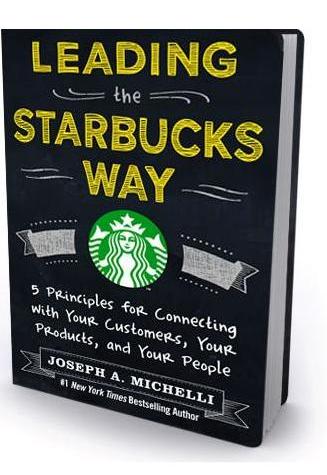
Last month in the Platform Builders Mastermind Group, we dove into “Leading The Starbucks Way: 5 Principles for Connecting with Your Customers, Your Products, and Your People” by Joseph A. Michelli.
Sure this book is about Starbucks, but it’s much bigger than that. Michelli shows why Starbucks has become the coffee bean superpower of the world. And it has nothing to do with the beans. I guess that’s not entirely true, but their success is built much more around who is serving rather than what is being served.
I will admit, I have invested my fair share in the Starbucks brand but I never gave a thought as to what goes on behind the grinder, so to speak. Michelli explores 5 Principles that give Starbucks the advantage over their competition and I for one, will pay much more attention to what is going on behind the counter next time I visit my local Starbucks.
Definitely a great look at what has made Starbucks so successful, but at the same time, the bar has been set very high for them to continue to live up to their reputation.
In this, the final of three posts, I will recap Michelli’s exploration of Principle 4 – Mobilize The Connection and Principle 5 – Cherish And Challenge Your Legacy
PRINCIPLE 4 – MOBILIZE THE CONNECTION
Nobody knows better than Starbucks that the power in any marketing strategy is going to depend greatly on social media. Michelli points out that Starbucks has identified 5 core elements in their digital strategy:
- commerce
- company-owned web and mobile channels
- loyalty/customer relationship management (CRM) targeted database
- social media and
- paid digital marketing
I have found it interesting how many ways there are to be a Starbuck’s customer while not even at the store. You seem to see the Starbuck’s name almost everywhere you go and it has all but become a household term anymore. I received a $5 Starbucks gift card through facebook a while back and when I used it this morning, the barista asked me where I got it. Made for a great conversation. Again, building relationships … the Starbucks way!
“By building social media connections through individualized experiences, unique preferences, thoughtful platform selection, and respect for the platform community, Starbucks pulls customers to its content, as opposed to pushing marketing materials to them.”
I love that quote. Many of us think of sales as more of a “push” process and even though we see Starbucks marketing everywhere, I don’t think I have ever felt like it was being pushed on me. Maybe I am just “pulled” to it because it’s a solid brand with great customer service. What do you think?
PRINCIPLE 5 – CHERISH AND CHALLENGE YOUR LEGACY
The final section of the book is worth the price of admission. Michelli takes an in-depth look at how Starbucks has considered all their decisions, both good and bad, as they move into the future. No doubt they fully understand that without a strong client base, they will not exist.
“For our purposes, we will look specifically at behaviors leadership demonstrates in the course of setting goals, taking action, and measuring progress in the areas of environmental stewardship, ethical sourcing, community development, and job creation.”
As they look into the future, they will depend greatly on their leadership to make sure that what is important, stays important. The bottom line is that their success is about the relationships they have built, both on the personal and corporate level. It’s no wonder that this business model is one that is being imitated on a daily basis. It works!
Responsibility is part of the Culture!
This is probably my favorite quote from this section of the book:
“True leadership requires a willingness to invest in the long-term health of one’s business and active collaboration with others, out of a genuine sense of responsibility.”
There is so much information in this book but my big takeaway is that Starbucks has created a culture that extends well beyond the people drinking their coffee. [Tweet This] Something to think about for all of us.
TODAY’S QUESTION: How much time do you spend thinking about your legacy? Does it end with the person right in front of you or have you considered that what you do might just impact someone you will never meet?
***********************************************************************
===> JOIN THE “LEADERSHIP BY INVITATION” LAUNCH TEAM <===
Click here to get a copy of my Kindle Book “The Manifesto Of An Influential Leader”
Don’t miss a single post from Building What Matters by subscribing at the top left of this page.
Help support us by clicking here and Liking our facebook page
Barry Smith 5/19/14 photo courtesy of amazon © Building What Matters 2014
The post Leading The Starbucks Way – Part 3; Challenge Your Legacy appeared first on BUILDING WHAT MATTERS.COM.
]]>The post Leading The Starbucks Way – Part 2; Connecting With Trust appeared first on BUILDING WHAT MATTERS.COM.
]]>This month in the Platform Builders Mastermind Group, we are diving into “Leading The Starbucks Way: 5 Principles for Connecting with Your Customers, Your Products, and Your People” by Joseph A. Michelli.
Sure this book is about Starbucks, but it’s much bigger than that. Michelli shows why Starbucks has become the coffee bean superpower of the world. And it has nothing to do with the beans. I guess that’s not entirely true, but their success is built much more around who is serving rather than what is being served.
I will admit, I have invested my fair share in the Starbucks brand but I never gave a thought as to what goes on behind the grinder, so to speak. Michelli explores 5 Principles that give Starbucks the advantage over their competition and I for one, will pay much more attention to what is going on behind the counter next time I visit my local Starbucks.
Definitely a great look at what has made Starbucks so successful, but at the same time, the bar has been set very high for them to continue to live up to their reputation.
In this, the second of three posts, I will recap Michelli’s exploration of Principle 2 – Love To Be Loved and Principle 3 – Reach For Common Ground
PRINCIPLE 2 – LOVE TO BE LOVED
In a word, this section is about trust. Both trust of the product and the service and more importantly, consistency in delivering them. It’s not surprising that there is more content about the people than the product in this book. That is where the trust is built.
Think about when you have purchased a product that you believed in but received less than stellar service. You might stick with the product, but if your are like me, you will look elsewhere to get it.
“If you select people with genuine talent for serving others, give them opportunities to become more knowledgeable and passionate about your products, and insist upon product and consumer experience excellence, you are well on the way to gaining the pride and passion of customers.”
While in construction, I often chose service over cost because at the end of the day, I needed someone that would deliver WHEN they say they would and make me feel like I was their most important client. I realize I probably wasn’t, but that doesn’t mean you can’t be treated like you are. Truth be told, I was pretty loyal to those vendors. Hmmmm!
PRINCIPLE 3 – REACH FOR COMMON GROUND
A deep look into the Starbucks way of connecting with their customers, explains much about the forward motion of the organization. It’s one thing to communicate with your customer, but are you really connecting? And I’m not just talking about words.
Starbucks looks at ALL aspects of the environment, the architecture of the store, the neighborhood, the customer base, and the competition. These all factor into the experience that we have when we enter a Starbucks.
“The goal of leadership is to create the right environment for human connection to occur and to help staff members manage the inevitable issues that surface.”
There is certainly risk when you bring the human condition into the business model, but then again, if you want to be the best at what you do, you better be willing to risk something to get there.
I don’t want to feel invisible!
This is probably my favorite quote from this section of the book; “The number one request or desire of every human around the world is to be seen and heard.” (Tweet This)
TODAY’S QUESTION: How effectively have you sought partnerships while building your business and have you positioned yourself to provide services or products that are relevant to your market?
***********************************************************************
===> JOIN THE “LEADERSHIP BY INVITATION” LAUNCH TEAM <===
Click here to get a copy of my Kindle Book “The Manifesto Of An Influential Leader”
Don’t miss a single post from Building What Matters by subscribing at the top left of this page.
Help support us by clicking here and Liking our facebook page
Barry Smith 4/17/14 photo courtesy of amazon © Building What Matters 2014
The post Leading The Starbucks Way – Part 2; Connecting With Trust appeared first on BUILDING WHAT MATTERS.COM.
]]>The post Leaders Eat Last – Part 1; The Forces That Keep Us Safe appeared first on BUILDING WHAT MATTERS.COM.
]]>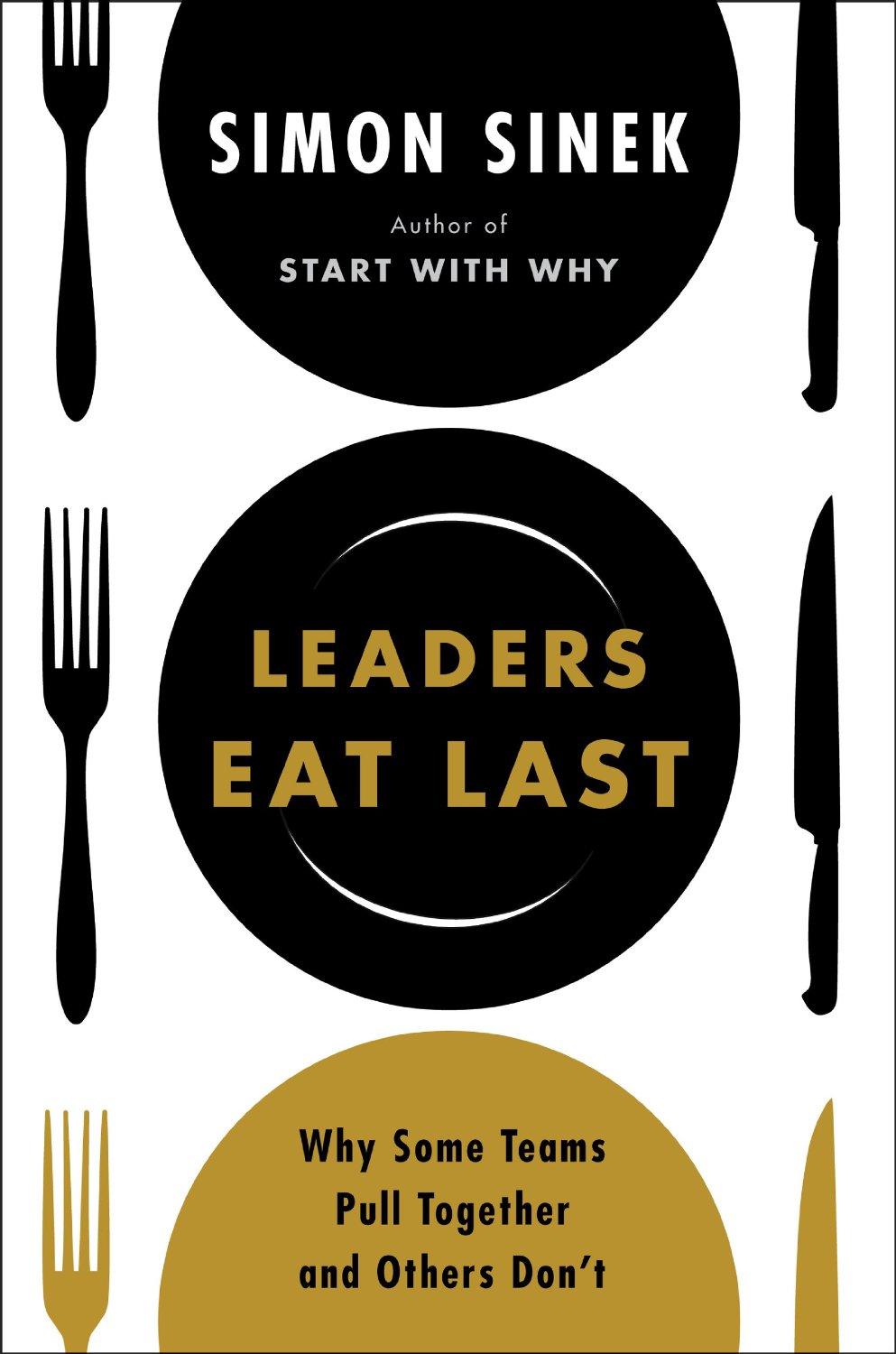 This month, in The Platform Builders Mastermind group, we are working our way through Simon Sinek’s recently released “Leaders Eat Last – Why Some Teams Pull Together and Others Don’t.”
Sinek, the author of Start With Why, provides a deep look into what creates the most effective teams and more importantly, what keeps them working together, even during the most difficult of times.
This is one of those books that will take you a little bit longer to read because so many thoughts require you to take another look, just to make sure you understood the power behind them. A phenomenal effort by Sinek, Leaders Eat Last not only looks at the dynamic of the team but of the individuals that make up that team.
What really sets this book apart is Sinek’s unique look at why some people make good leaders and others don’t and the “why” behind the results they get. In this post, the first of four, I will attempt to capture the basic thoughts of the eight parts of the book.
PART 1: OUR NEED TO FEEL SAFE
PROTECTION FROM ABOVE – Sinek starts out the book telling the story of pilot Johnny Bravo and about his courageous actions from the battlefield. When asked why he risked his own life to protect the lives of his fellow soldiers, he simply responded “Because they would have done it for me.” Are you willing to do for others what you would expect them to do for you?
EMPLOYEES ARE PEOPLE TOO – The second chapter is built around this great thought from Sinek: “The leaders of great organizations do not see people as a commodity to be managed to help grow the money. They see the money as the commodity to be managed to help grow the people.” Imagine that … focusing on people before profits. Isn’t that interesting?
BELONGING – Sinek introduces the concept of a “Circle Of Safety.” We all want to belong to something and when a culture is created that not only provides the opportunity to be part of it, but also provides security and stability, then engagement, fulfillment and productivity go up as well.
YEAH, BUT … – This is a great chapter. Sinek explores the idea that it is not extra work and long hours that stress people out, but rather the loss of control. When we are able to control our environment, we are much more inclined to remain engaged and loyal to our team.
PART 2: POWERFUL FORCES
WHEN ENOUGH WAS ENOUGH – If you are reading this, you probably already have more than enough. In other words, your basic needs have been met and you are living more abundantly than most of the people on this planet. Sinek begins to take a look at the physiological reasons that influence our thoughts and actions.
E.D.S.O. – Chapter 6 provides a clear picture of the four primary chemical incentives in our bodies and what happens when these chemicals are released.
- Endorphins – This chemical masks physical pain. This is what makes you feel good after strenuous physical activity.
- Dopamine – This is the chemical that makes us feel satisfied, a sense of achievement or accomplishment.
- Sarotonin – This chemical provides a feeling of pride, respect or value. This builds our self-esteem.
- Oxytocin – This is what enables us to form friendships, feel love, and build deep trust.
Sinek does a masterful job describing how all of these play into our role as a leader.
THE BIG C – No, not that one. Cortisol is responsible for the stress and anxiety that we feel when something goes bump in the night. It is our bodies way of telling us that something is not right. The problem is that although it is a defense mechanism, it also puts strain on our body. Using it to our advantage is the challenge.
WHY WE HAVE LEADERS – In order to function as a productive team, organization, or community, someone has to make the first move. Someone has to lead. Someone has to set a course in a new direction or we will simply exist where we are. Someone has to make the first sacrifice so others can follow.
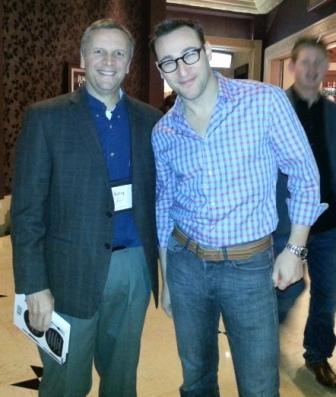 I know we are early in the year, but I have a pretty strong feeling that Leaders Eat Last will be one of my top books for 2014. I actually had to good fortune to meet Simon Sinek earlier this week and hear him speak from the stage.
I can tell you this much, Sinek is the real deal. In a crowded hotel lobby, he gave me his undivided attention and made me feel like the only one in the room. He practices what he preaches and is consistent with his message.
Pulling from his highly viewed TEDTalk video, “People don’t buy into what you do, they buy into why you do it,” (Tweet This / Post to LinkedIn) Leaders Eat Last will fill you in on the “why” that leaders use to lead.
***********************************************************************
Click here to get a copy of my Kindle Book “The Manifesto Of An Influential Leader”
Don’t miss a single post from Building What Matters by subscribing at the top left of this page.
Help support us by clicking here and Liking our facebook page
Barry Smith 3/6/14 photo courtesy of amazon © Building What Matters 2014
The post Leaders Eat Last – Part 1; The Forces That Keep Us Safe appeared first on BUILDING WHAT MATTERS.COM.
]]>The post How Does Someone Who Hated English Class End Up A Writer? appeared first on BUILDING WHAT MATTERS.COM.
]]> Most of my High School years were spent trying to stay out of trouble. The only subjects I ever really did any good in were shop, gym and math. English? Not even close. In fact, the only good memory I have of English class was my freshman teacher, Mrs. Miller. It really didn’t even have anything to do with english, it was just that she was pretty cool!
You remember high school? How many cool english teachers do you remember? (No offense if you are an english teacher, remember – this was from the mindset of a teenage male.)
High School english class must have been a traumatic experience!
I honestly don’t even remember what we did in english class. Maybe I have formed one of those mental blocks that keeps you safe from traumatic experiences. So how does someone like that become a writer? I have no idea! It just sort of happened.
As a project manager in the construction world, I often needed to write letters. Usually they were because I wanted something that the person the letter was addressed to probably did not want to give me. Man, as I look back, I wrote some good ones. So I guess I became a writer by way of necessity but I never enjoyed it.
Somewhere around 250 blogs in less than two years, one kindle book and a hard copy due out later this spring. You know what? I like writing now. So what happened? I think it comes down to WHY you write. Just so happens that those in the Jeff Goins community were recently challenged with that question – Why do you write? Additionally there are many of us committing to 500 words or more every day this month. (Interested in joining in? Click here)
Isn’t about time you share your story?
I pondered this question for a while and I think it comes down to this – I write because it is a way for me to share my story and add value to others that I would not be able to otherwise. People all over the world read and comment on my thoughts and I think that’s pretty cool.
I used to live in a pretty small world with lots of walls but a few years back my world opened up, or maybe it was really my mind that did, but I realized that there are people that believe what you believe but think different thoughts everywhere.
Now I get to collaborate and connect with these people every day. I got to tell you – it has made a huge difference in my quality of life. It feels good to help other people and have them help you. I guess that’s why I write – it makes me feel good.
There are a couple of other reasons that I think are important. I believe everyone has a story, and their story needs to be told. What better way to do it than put it out there and share it. The other thing that I think results from writing – it empowers the reader to change the way they think. Some of you already know what’s coming next … my favorite quote by Dr. Wayne Dyer:
“When you change the way you look at things, the things you look at change.”
Could you use a little change in your life? What if your words could change the life of someone else? What if your story might just be what someone else needs to hear?
Obvious question today: What are you writing? Uh oh! I think I heard someone say they’re not writing? WHY NOT?
***********************************************************************
Click here to get a copy of my Kindle Book “The Manifesto Of An Influential Leader”
Don’t miss a single post from Building What Matters by subscribing at the top left of this page.
Help support us by clicking here and Liking our facebook page
Barry Smith 1/4/14 photo by author © Building What Matters 2014
The post How Does Someone Who Hated English Class End Up A Writer? appeared first on BUILDING WHAT MATTERS.COM.
]]>The post Adversaries Into Allies – Part 3; Motivation and Outcome appeared first on BUILDING WHAT MATTERS.COM.
]]>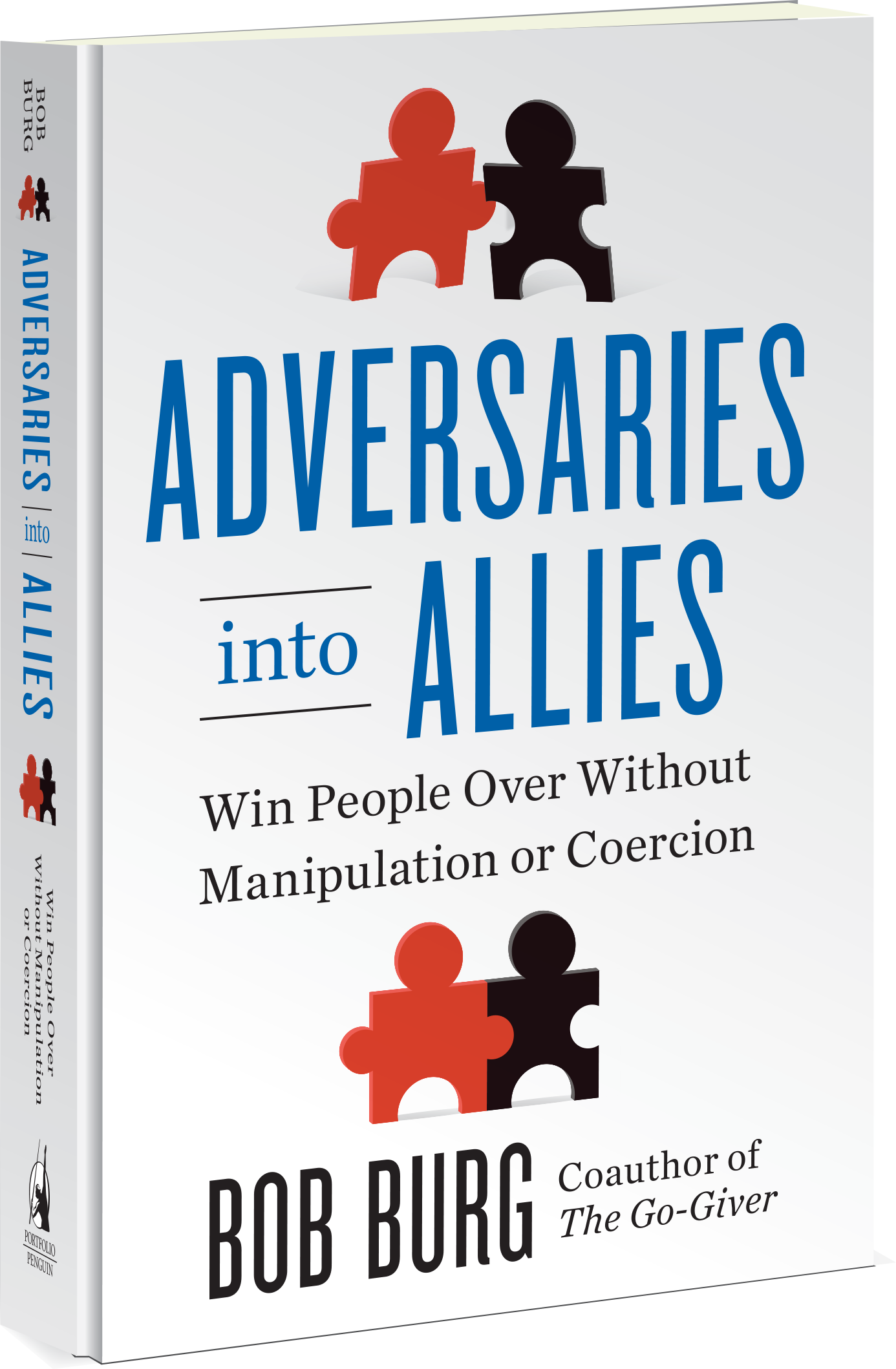 Happy New Year everyone! We are definitely finishing strong with this month’s book mastermind. Adversaries Into Allies – Win People Over Without Manipulation or Coercion, by Bob Burg, gives a fresh look into how we can influence others while maintaining our integrity and character.
Some of you probably recognize Burg as the co-author of The Go-Giver, but this one is all his and according to the author, his finest work – the book he was meant to write.
Burg starts out by introducing us to the idea of Ultimate Influence ==>the ability to get the results you want from others while making them feel genuinely good about themselves, about the process, and about you.
Burg suggests that Ultimate Influence is based on five key principles that occur on an ongoing basis. In this post, the third of four, we will take a deeper look into the third and fourth principles (3) Acknowledge Their Ego and (4) Set The Proper Frame. Take a look at these and see if any of them might apply to your life.
3. Acknowledge Their Ego
- Don’t Shame or Embarrass – Never criticize or condemn publicly. Always seek to build up and encourage! Ultimate Influencers build trust and empower others.
- Be a Judge, Not a Lawyer
- The Principle of Agreement – Avoid using the word “but” because in most cases, it eliminates what you just agreed to.
- Ego Repair
- The Power of Handwritten Notes – Remember the wisdom of John Maxwell; “People don’t care how much you know until they know how much you care.” What are you doing to tell others that you care?
- Edification – a Powerful Key To Influence
- Do You Look for Disagreement? – Respond before you react. Set yourself up for success and find the things you can agree on before the things you can’t.
- Compliment the Uncomplimented
- Caught in the Act! … of Doing Something Right – This is one of my favorites. How often do you catch someone in the act of doing something right – and then recognize them for it?
- “I Appreciate Ya” – When was the last time someone told you they appreciated you? When was the last time you told someone else?
4. Set The Proper Frame
- Positive Expectation Works, but Not Why You Think It Does – Simply stated, you get what you expect. No it doesn’t always work but when you believe in a positive outcome instead of a negative one, you will be much more successful.
- Framing Your Influence in Your First Conversation – First impressions, right? Simply make the conversation revolve around the other person and you set the tone for everything that follows.
- Sometimes’ It’s Good to Let ‘Em See You Sweat
- The Ransburger Pivot
- The Value of the Correct Phrase
- “What Can I do to Help?”
- Win by Making the Other’s Case First – Understanding and accepting the fact the the other person has their own thoughts and ideas, and believes them to be true, puts you in the position to control the outcome.
- Help Them to Live in the Solution – The best way to create an alliance is to bring a solution. Wanting to solve the problem indicates your attitude of working towards a solution – no matter who comes up with it.
- Avoid Negative Framing
- Don’t Fall Victim to the Either/Or
- Persuasion Secrets of a Ten-Year-Old
- Change Your Frame, Change Your Life – Want allies? Turn negatives into positives. No it’s not easy, but staying in the negative will never solve anything.
Well, there is a taste of the thoughts and ideas found within this book. I encourage you to pick up a copy and fill in the stuff I left blank on your own. Some of the chapter headings listed above don’t make a lot of sense until you listen to Burg’s wisdom. Now is your chance!
We certainly have much more to look at in Adversaries Into Allies but understand that people generally believe they are right because their beliefs are based on the experiences they have had. Right or wrong, until you recognize that they believe what they believe, you will find it difficult to persuade them otherwise. So ask yourself this question – Is it really worth the fight or is working together going to provide a better outcome?” Win-Win outcomes are OK!
***********************************************************************
Click here to get a copy of my Kindle Book “The Manifesto Of An Influential Leader”
Don’t miss a single post from Building What Matters by subscribing at the top left of this page.
Help support us by clicking here and Liking our facebook page
Barry Smith 1/3/14 photo courtesy of burg.com © Building What Matters 2014
The post Adversaries Into Allies – Part 3; Motivation and Outcome appeared first on BUILDING WHAT MATTERS.COM.
]]>The post The Myths Of Creativity – Who’s Idea Is It Anyway? appeared first on BUILDING WHAT MATTERS.COM.
]]> I have been having a lot of fun being part of the launch team for “The Myths of Creativity – The Truth About How Innovative Companies And People Really Generate Great Ideas” by David Burkus. I never really put much thought into the idea of innovation and creativity … or did I?
Burkus has totally changed the way I think about the topic of creativity. He does an outstanding job of describing ten myths that I believe clearly demonstrate that there is creativity within all of us. Most of us just don’t know it.
Many of you know that I am constantly reading. One of the reasons I read is that I think being constantly subjected to the ideas of others helps me to expand my own thinking. Burkus takes this same thought process and shows how our collaboration with others is the real key behind innovative creativity.
I found one of his myths, the Originality Myth, quite interesting. He uses two stories, one about Alexander Graham Bell and the telephone and the other about Steve Jobs and Bill Gates regarding “windows” and the graphical user interface (GUI). If asked “who invented the telephone or the “windows” on your computer, most people would answer with one of the names above. If you want to know the truth – order the book!
But here is the point. All creativity, innovation and all good ideas are really the product of what someone did before them. Bell simply refined what had already been discovered in the telegraph. Gates and Jobs merely expanded on what Xerox had done years before.
In all honesty, I knew there was more to these stories before reading the book, however, my understanding of what creativity really is and how we get creative has changed considerably.
Burkus discusses these ten myths that are really limiting beliefs that keep us from innovation at both the personal and organizational levels. Not only does he reveal these myths, but he provides clear direction on how to overcome the challenges that hold us back. You know I love anyone who battles against limiting beliefs!
I look at myself and the things I have been doing over the last few years. I have been doing things that I never dreamed I would be doing. Creating my own content, developing an entire new career and identity and even constructing this website. I know – nothing special – but it’s mine; I created it.
But here is the point that Burkus makes. None of this was my idea. It is simply a combination of watching, learning, and applying what other people know into what I do. Now here is the sweet stuff – if creativity is really the organization of what other people have already done, in a new way, there is no limit to what we can do.
I have only really pulled the thoughts from one of the myths that Burkus offers in this book. If you have any desire to expand your ability to come up with good ideas and how to turn that into major achievement, grab a copy of The Myths Of Creativity.
My challenge for you today; Don’t be afraid to share your ideas with others. Even if it does not make sense or seem possible, it may spur some similar thinking in someone else and who knows what you might collectively come up with. After reading this book, I realize that no good idea was the product of one thought by one individual. Be that catalyst to the next major breakthrough that comes along. What do you have to lose?
***********************************************************************
Don’t miss a single post from Building What Matters by subscribing at the top left of this page.
Help support us by clicking here and Liking our facebook page
Barry Smith 10/17/13 photo courtesy of Amazon © Building What Matters 2013
The post The Myths Of Creativity – Who’s Idea Is It Anyway? appeared first on BUILDING WHAT MATTERS.COM.
]]>The post Give And Take – Part 2: Givers Empower Those Around Them. appeared first on BUILDING WHAT MATTERS.COM.
]]>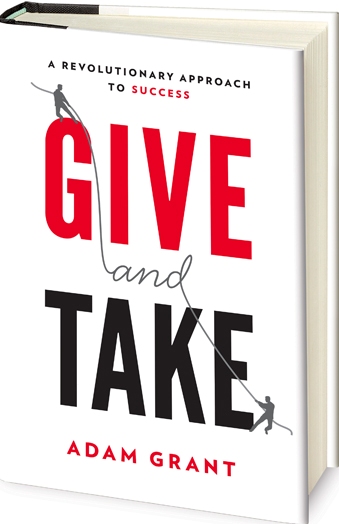 I am currently reading “Give And Take – A Revolutionary Approach To Success” by Adam Grant. I was not familiar with the book or the author but Give and Take came highly recommended by Jeremey Donovan who wrote “How To Give A TED Talk” that I reviewed earlier this year.
Rarely do I read a book in which I am not familiar with the author or the content. In the case of Give and Take, I’m glad I did. Grant has taken a very unique look at the difference between givers and takers and how different paths lead to different results.
This will be the second of three posts in which I will briefly summarize each of the nine chapters. Grant suggests that most people fall into one of two categories; givers and takers. Matchers are the in-between group and operate on the principal of fairness and strive to preserve an equal balance of giving and getting.
FINDING THE DIAMOND IN THE ROUGH – The Fact And Fiction Of Recognizing Potential
In the fourth chapter Grant shows how givers succeed by recognizing potential in others. This could be one of the best chapters I have ever read in any book. Grant sites several studies that have been conducted identifying the impact on performance based on how much belief is put into the given subjects.
The results very clearly suggest that although knowledge and intelligence can’t be completely ignored, test subjects that received affirmation and empowering encouragement achieved more that those who were simply given the test.
I have written more than once, that the greatest gift that you can give anyone is to believe in them. Grant’s referenced studies support the idea that those test subjects who were “believed in” scored higher in almost every test. The takeaway – believing in someone will empower them to achieve more than originally thought possible.
THE POWER OF POWERLESS COMMUNICATION – How To Be Modest And Influence People
Chapter five has Grant challenging the traditional assumptions about the importance of assertiveness and projecting confidence in gaining influence.
Theodore Roosevelt said; “Speak softly, but carry a big stick.” Powerless communication provides the feeling that the person you have spoken with fells just that – spoken with and not spoken to.
They are not told what to do or what to think, but rather the conversation is structured such that they feel like the thoughts and ideas have come from within.
Grant provides several examples supporting the idea that people perform on a higher level when they feel they have been involved in a collaborative effort and not directed to act or think in a specific way.
THE ART OF MOTIVATION MAINTENANCE – Why Some Givers Burn Out And Others Are On Fire
Chapter six examines why some givers burn out while others are on fire. In short, there are two types of givers; self-interest and other-interest.
Self-interest givers give and give with no real expectation of anything in return. Although a noble cause, this type of giving is not sustainable. Other-interest givers, on the other hand, give abundantly but keep their own goals and ambitions clearly identified and work towards them as well while seeking the win-win outcome.
While the selfless giver has a tendency to burn out over time the other-interest giver thrives on his success that impacts others as well as himself.
This book has really opened my eyes to the logic that sits behind our “giving.” These three chapters have been so full of content they could have easily been broken down in three separate posts. The concepts themselves challenge the reader to really take a hard look at the style and motives behind the way they give.
The next time you need something from one of your workers or even your kids for that matter, take a hard look at how you communicate YOUR desired outcome. When you can produce the mindset that the person is controlling their own outcome, you will not only empower that individual but I believe you will come much closer to the outcome you are looking for.
A very important question today – “What are you currently doing to empower those around you and what are you doing that tell them that you believe in them?”
click here and take The Give And Take Assessment.
***********************************************************************
Don’t miss a single post from Building What Matters by subscribing at the top left of this page.
Help support us by clicking here and Liking our facebook page
Barry Smith 8/14/13 photo courtesy of Amazon © Building What Matters 2013
//
The post Give And Take – Part 2: Givers Empower Those Around Them. appeared first on BUILDING WHAT MATTERS.COM.
]]>The post Employee Engagement – Who Is Responsible? appeared first on BUILDING WHAT MATTERS.COM.
]]> Are you engaged at work? Are your employees engaged at work? The more I read and study the idea of employee engagement, the more I have become convinced that engagement is not only the problem of the employer, but the responsibility.
For anyone to be engaged in what they are doing, at least in the long term, they need to have a passion or at least an interest in what they are doing. I can’t say that I personally know any call center operators or telemarketers, but my guess is that not too many of them are “lifers.” Nothing against those professions, but it seems to me that the ceiling for advancement would be fairly low.
I will admit, a lot of this post is based on my opinion, but hey it’s my post so I guess I can share what I think based on my observations. The people that I have seen engaged in their work, are passionate about what they are doing and are interested and even invested in the outcome of their efforts.
On the other side of the fence are those that simply are at a “transitional” place of employment. You know the guy – the one who was “looking for a job when he found this one.”
Now I have been around long enough to realize that in most cases, ALL your employees are not committed to “being here forever” and at some point in time they will leave.
So how is an employer supposed to feel comfortable knowing that they are training and investing in their employees knowing that they will someday take those skills somewhere else?
Well I guess you don’t ever get comfortable but what can you do in the meantime? Anyone who has studied the idea of engagement knows that the “paycheck” is not the real motivation for most employees.
What motivates employees is to be valued, recognized for their achievements and to be given ownership in what they are doing. In addition, those businesses that emphasize balance and family are much more likely to have engaged employees.
I have had the opportunity to work on projects at Intel and Nike in the past and both companies go over and above to create a work environment favorable to the person working there. In fact, this is one of the things emphasized when recruiting potential employees. They get it – create a space that the employee WANTS to be at and they will get an engaged employee.
So what does all this mean? Well, it means that if you want to hire for the long haul, you better find out what motivates your people. I have posted numerous times about the “why” that drives us and knowing that it is hard enough just to identify our own why, it is that much more difficult to identify the why of your employees.
I have been in the business world for over thirty years and have seen people come and go over that time. In my opinion, the ones that stay are one of three things; (1) afraid to go anywhere else, (2) there because they they are alright with complacency and have no desire to disrupt their repetitive world, or (3) they are passionate about what they are doing and where they are doing it at.
So if you are an employer, take a look at your employees and see if you can figure out which one of these groups they fall into. If you work for someone else and you are not in the third group then ask yourself this question; “Why am I not engaged in what I am doing and what would it take to be engaged?”
The bottom line is that satisfied employees are not only more engaged, they are more productive. So whose responsibility is it for employee engagement? If you want your business to be successful, you better make it yours.
***********************************************************************
Don’t miss a single post from Building What Matters by subscribing at the top left of this page.
Help support us by clicking here and Liking our facebook page
Barry Smith 7/15/13 photo by author © Building What Matters 2013
The post Employee Engagement – Who Is Responsible? appeared first on BUILDING WHAT MATTERS.COM.
]]>The post Teamwork Makes The Dream Work – Or Does It? appeared first on BUILDING WHAT MATTERS.COM.
]]> Teamwork is a funny thing. So many times in my life, I have heard phrases like “We need to work as a team,” or “Teamwork makes the dream work.” After giving it some thought, I am not sure I completely buy into that.
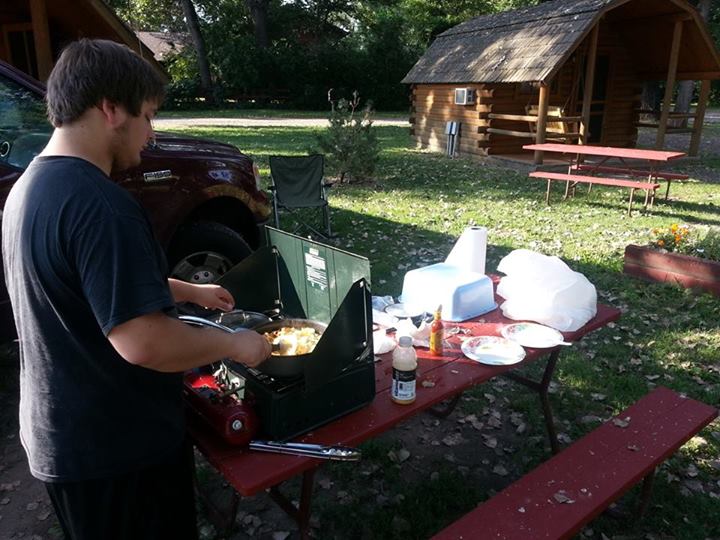
I think that teamwork is successful when the team’s vision and goals are in alignment. My son Spencer and I have a few days left on our marathon camping trip throughout the upper western part of the United States and each night we stay at a KOA (Kampground Of America).
One we stayed at in Wyoming only had about twenty sites occupied and it appeared that there were just a few people running the operation. Others like at Mt. Rushmore and our location as I write this in West Yellowstone, are much larger and require a much larger staff to keep things running smoothly.
I have to give KOA credit. Each location, although vastly different from each other in age and amenities, has been run very smoothly. I believe this is because the “teams” share a common interest … customer service.
My son and I work as a team as well. He cooks and I clean (this way I can eat good food) and we each take on different duties in unloading, setting up, breaking down and loading back up at each location. We both work from our strengths and have the common goal to enjoy our time together camping.
I was listening to an interview of a professional baseball player on the radio recently and found it very interesting when he said; “the best team I ever played on was made up of guys who didn’t do anything with each other outside of the game and really didn’t even like each other. So why were they successful? They were all after a common goal – to win.
I really had to think about that for a while, but I get it. To be a team, you don’t need to be friends. You don’t probably even need to be friendly, but you do need to be working collectively toward the same goals.
I think you would agree that we are all part of some type of team. And chances are, that you don’t really care for someone on your team. But ask yourself this; “Is that person making the team better or worse? If the answer is better, then maybe it’s worth investing a little bit of yourself in that person and building the relationship.
Yes, teams that do not get along can succeed. But wouldn’t be a whole lot better if you had fun doing it!
So does teamwork make the dream work? Only you can answer that based on the team(s) you are part of. Maybe you need to ask yourself if you are making the team better or not.
I think I have a new perspective on teamwork now. So I have a really interesting question for you today. “What have you done to make the other people on your team successful?”
***********************************************************************
Don’t miss a single post from Building What Matters by subscribing at the top left of this page.
Help support us by clicking here and Liking our facebook page
Barry Smith 7/12/13 photo by author © Building What Matters 2013
//
The post Teamwork Makes The Dream Work – Or Does It? appeared first on BUILDING WHAT MATTERS.COM.
]]>