The post Leaders Eat Last – Part 4; Serving Those That Serve Others appeared first on BUILDING WHAT MATTERS.COM.
]]>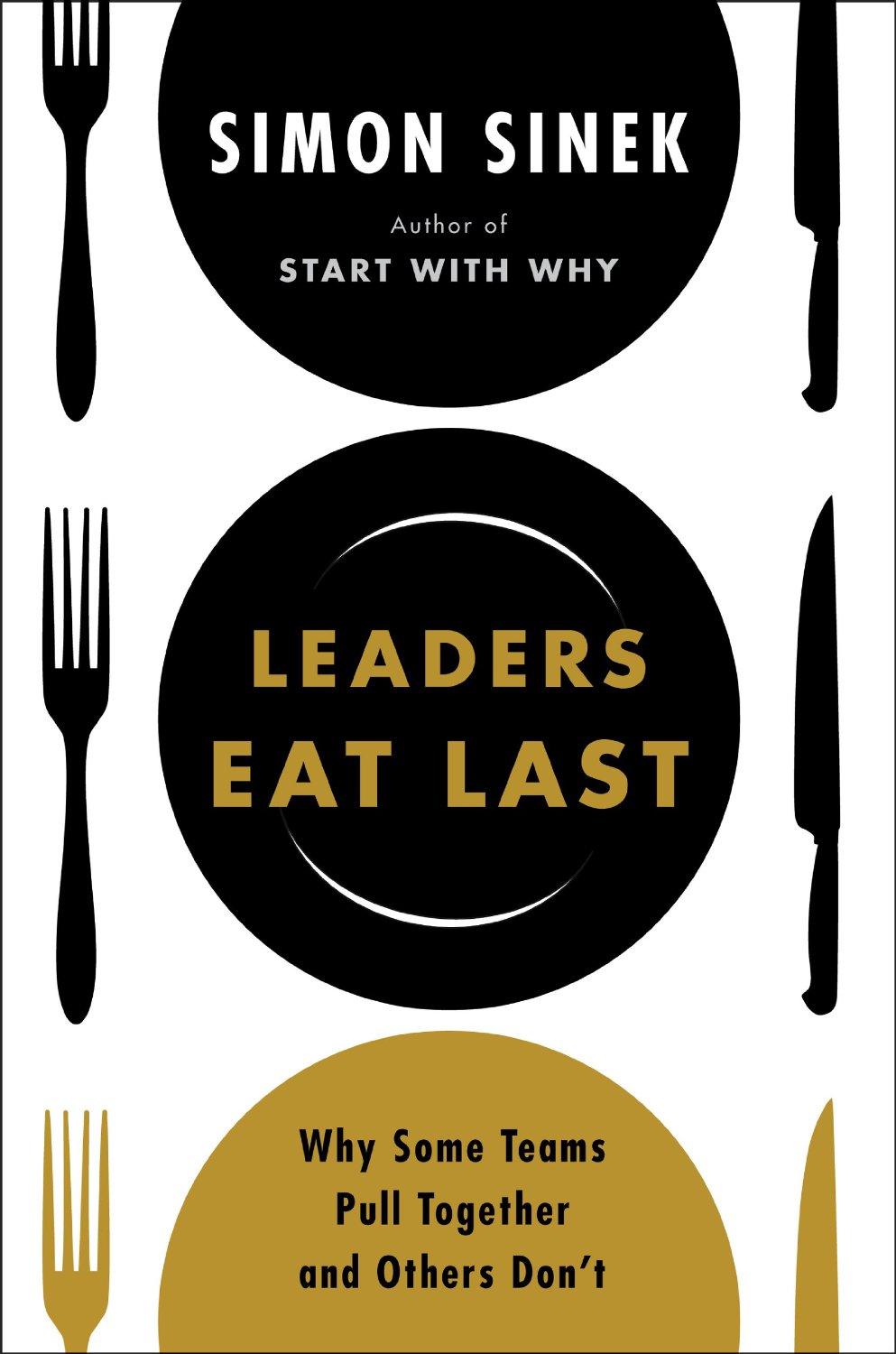 This month, in The Platform Builders Mastermind group, we are working our way through Simon Sinek’s recently released “Leaders Eat Last – Why Some Teams Pull Together and Others Don’t.”
Sinek, the author of Start With Why, provides a deep look into what creates the most effective teams and more importantly, what keeps them working together, even during the most difficult of times.
This is one of those books that will take you a little bit longer to read because so many thoughts require you to take another look, just to make sure you understood the power behind them. A phenomenal effort by Sinek, Leaders Eat Last not only looks at the dynamic of the team but of the individuals that make up that team.
What really sets this book apart is Sinek’s unique look at why some people make good leaders and others don’t and the “why” behind the results they get. In this post, the final of four, I will attempt to capture the basic thoughts of the eight parts of the book.
PART 7: A SOCIETY OF ADDICTS
AT THE CENTER OF ALL OUR PROBLEMS IS US – A very enlightening chapter that explains a lot about some of the cultural problems we are facing and how they translate into the way we lead. Our desire for immediate gratification has taken many of us off our A-game.
Sinek makes a great observation when he says, “Leadership is about taking responsibility for lives and not numbers. Managers look after our numbers and our results and leaders look after us.” Seems like we currently have a shortage of leaders.
AT ANY EXPENSE – The demand for results, and achieving them now, has thrown us completely out of balance. Dopamine is a good thing when taken in moderation. Unfortunately, the recognition for achievement had created an addiction that is as contagious as the plague.
I have to go back to one of the statements I made in an earlier post. We have moved from a collaborative to a competitive culture and the desire, and demand, to keep up with the Jones’ has resulted in a somewhat overlooked epidemic of dopamine addiction.
THE ABSTRACT GENERATION – This chapter really hit home for me. I have often described Generation Y as the entitlement generation. I don’t know that I would go back on that statement entirely, but I do have a very different perspective after listening to what “Simon says.”
Our culture of immediate gratification has created a generation that expects things to happen now – so why wouldn’t they expect that? The difference is that I understand more of the why behind their actions and attitude and realize that success will not come from changing them, but from embracing them and using the strengths they do bring to the table.
PART 8: BECOMING A LEADER
STEP 12 – An interesting comparison the the alcoholics anonymous 12 step approach to recovery. The great point made by Sinek here is that service is the key to breaking the dopamine addictions in our organizations. Serving puts the real focus back on the people and not on the numbers and the interesting thing is that focusing on the people has actually shown to produce the numbers.
SHARED STRUGGLE – This was a great chapter! The idea is that we ultimately perform our best when we are backed into a corner and have no other choice than to depend on those around us to get through the current challenge. The power of working collectively as a team, sharing in the struggle, has a special way of bringing out the best in us. Oxytocin anyone?
WE NEED MORE LEADERS – How about this gem from Sinek: “Leadership is not a license to do less; it is a responsibility to do more.” We have lots of “leaders” in our lives, unfortunately not all of them are leading.
Sinek continues to finish strong, suggesting that leadership is about “committing to the well-being of those in our care and having the willingness to make sacrifices to see their interests advanced so that they may carry our banner long after we are gone.” And then closes the book with what I consider a very powerful “call to action” for all of us …
LET US ALL BE THE LEADERS WE WISH WE HAD
– Simon Sinek (TWEET THIS)
We were honored to have Simon join The Platform Builders on a call this week as we wrapped up our mastermind study on the book. All I can say is WOW! He added so much value to our tribe in just a short while. One golden pearl of wisdom and inspiration after another. There will several takeaways but I will leave you today with this one, “True fulfillment comes from serving those that serve others.” (Tweet This)
That statement came along with the story of his trip home from Afghanistan on a Military flight in which he shared the back end of the plane for nine hours accompanied by only the flag draped casket of a fallen soldier. His reflection … “You want to talk about a life impacting experience that puts things in perspective!” We still have much to hear from Mr. Sinek and I for one, can’t wait!
***********************************************************************
===> JOIN THE “LEADERSHIP BY INVITATION” LAUNCH TEAM <===
Click here to get a copy of my Kindle Book “The Manifesto Of An Influential Leader”
Don’t miss a single post from Building What Matters by subscribing at the top left of this page.
Help support us by clicking here and Liking our facebook page
Barry Smith 3/28/14 photo courtesy of amazon © Building What Matters 2014
The post Leaders Eat Last – Part 4; Serving Those That Serve Others appeared first on BUILDING WHAT MATTERS.COM.
]]>The post It Is Character That Defines “The Heart Of Leadership” appeared first on BUILDING WHAT MATTERS.COM.
]]> I have long been a fan of Mark Miller‘s work and when I found out I had the opportunity to be on the launch team for his new book “The Heart of Leadership” I couldn’t wait to write this review.
If you have read any of Miller’s recent work, you know that he has a unique way of building a story around the premise of the book and in effect, brings the lessons and the story itself to life. The Heart of Leadership is a follow up, at least as the story goes, to “Great Leaders Grow” (read my review of Great Leaders Grow).
Blake, who got off to a great start as a young leader now finds himself stuck. Stuck in his job and stuck as a leader. He turns back to his mentor Debbie, who had previously been mentored by Blake’s father before he passed away.
Debbie introduces Blake to 5 professionals that take Blake on a journey to find what he has been missing to take his leadership to the next level. He has been missing The HEART of Leadership.
So let’s take a look at just what it is that makes up The Heart of Leadership.
HUNGER FOR WISDOM
Leaders recognize that if they want to be effective over the long haul, they need to be life long learners. They need to commit to not only increasing their knowledge but their relational skills as well. Be self confident and consistent in your beliefs and values but always be open to input, new ideas and the views and opinions of others. We can always learn, even in our failures and difficult times.
EXPECT THE BEST
Miller states it very well; “To expect the best is an attitude, a belief, a choice, a lifestyle and a trait that virtually every successful leader possesses. We believe the best about others and about ourselves.” What a powerful statement. Expecting the best is about attitude and as we all know, attitudes are contagious. Leadership character is about having a positive attitude and creating a culture that expects and produces the best.
ACCEPT RESPONSIBILITY
There may be no greater leadership character trait than owning your actions, and not only your actions, but the actions of the entire team. John Maxwell says that “everything rises and falls on leadership.” Miller makes it clear that accepting responsibility, for both the good and the bad, needs to fall on the leader. Along with that, praise needs to be shared whenever possible. Leaders with heart give the credit to others and find their success in the success of their team.
RESPOND WITH COURAGE
Miller pulls a quote from Dr. Henry Cloud; “Leaders get what they create and what they allow.” [Tweet This] It takes courage to create. Often times, leaders are faced with making difficult decisions. Responding with courage, and doing it consistently, will shape your leadership character and help to build trust. Courage is a product of confidence and confidence comes from believing in yourself.
THINK OTHERS FIRST
Leaders need followers and a leader’s responsibility is to turn those followers into other leaders. This only happens when the leader focuses on the success of those he is leading. Miller puts it like this; “It’s about who is responsible for what, and how can I, as the leader, help people to be successful?” Miller makes a valuable point that if we are to become servant leaders, we need to spend time with other servant leaders and learn how they think and understand the real reasons why they do what they do.
I think the biggest takeaway for me from this fine work was the example of an iceberg that Miller uses to describe leadership. The 10 percent above water represents your leadership skills – What you know. The 90 percent underwater represents your character – Who you are. We often judge people for what they know but the true heart of leadership comes from your character – this is the heart of leadership.
I love this quote from the author; “It is ultimately leadership character that determines our opportunity for influence and impact.“ So today I have a challenging question for you: What is included in the 90 percent of your iceberg?
***********************************************************************
Click here for a 3-Video Series from John Maxwell and Les Brown being “Authentic and Transparent”
Click here to listen in on October 30th as John Maxwell shares how to “Influence through Connecting”
Don’t miss a single post from Building What Matters by subscribing at the top left of this page.
Help support us by clicking here and Liking our facebook page
Barry Smith 10/24/13 photo courtesy of Amazon © Building What Matters 2013
The post It Is Character That Defines “The Heart Of Leadership” appeared first on BUILDING WHAT MATTERS.COM.
]]>The post Being A Character Does Not Mean You Have Character appeared first on BUILDING WHAT MATTERS.COM.
]]>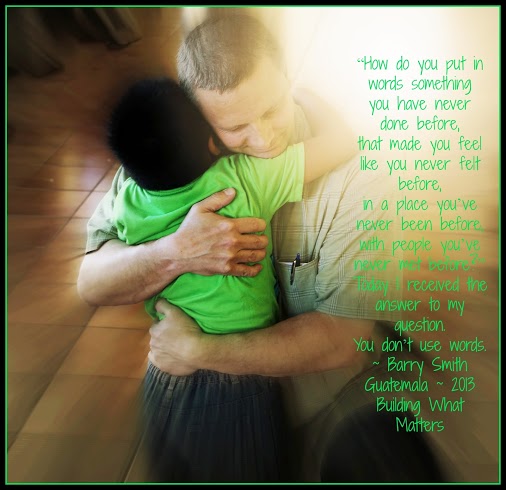 I remember when I was a kid and used to hear things like “what kind of character do you think you are?” or “do you think a character like you is the kind of person that people will like?” At the time, my main objective was to stay out of trouble. That didn’t always work out so good!
I grew up thinking that being a character was a bad thing … a trouble maker, an instigator, basically one who thrives on creating chaos. It was not until later in life that I understood what character is all about.
You have probably heard the expression; “true character is how you act when nobody is looking.” That may be true but what about when they are looking? I won’t dispute the merit in that statement and I believe that it is probably true. But I think the more important point is that who we are when nobody is looking shapes who we are when we are being watched.
I look back at my life and could easily site several times when acting as a character I was clearly acting without character. Fortunately, I can say that those experiences have given me a good understanding of the difference between the two.
So how important is character? Well, let me tell you what I think. Character trumps just about every other personality trait we can have. Why? Because everything else flows through this idea. People of poor character are seldom trusted or respected. People of poor character are not committed or dependable. People of poor character may equally demonstrate values in ethics or morals.
Simply put, if you lack character, you will lack the skills needed to be a leader. Now maybe you are thinking “so what, I am not, nor do I want to be a leader anyway.” Well let me share a little insight with you. John Maxwell says that “Leadership is influence, nothing more, nothing less.” He also says that “Everything rises and falls on leadership.”
You may or may not agree with those statements, but let me ask you a question. Do you ever try and influence others to agree with you? Have you ever tried to persuade someone to believe what you believe? Thought so!
Here is my point. Character represents who you are. It doesn’t matter what you do, your ability to influence others is going to boil down to their perception of your character.
So how do you demonstrate strong character? Simple – start by doing the right thing. If you want to have more influence and heaven forbid, be an influential leader, you need to do more than just the right thing, you need to do the things that you don’t have to do.
Look around and see who you believe is an influential leader. My bet says they are doing things that they don’t have to do. Non-profit work. Community involvement. Donating time to help those lacking the knowledge or resources to do something on their own. The list goes on.
No, you don’t have to do these things but guess what? People of high character, no matter where you are, will be doing things they don’t have to do.
So let me ask you a question; “If asked, would someone who knows you refer to you as a character or a person of character?” They don’t have to be mutually exclusive but they better be individually identifiable!
***********************************************************************
SAVE THE DATE: On October 10th, John will be doing a WEBCAST to teach from his new book and introduce the Maxwell Leadership Assessment. CLICK HERE TO REGISTER FOR THE WEBCAST
Don’t miss a single post from Building What Matters by subscribing at the top left of this page.
Help support us by clicking here and Liking our facebook page
Barry Smith 10/7/13 photo by author © Building What Matters 2013
The post Being A Character Does Not Mean You Have Character appeared first on BUILDING WHAT MATTERS.COM.
]]>The post The Collaboration Economy – Leadership On A Global Scale appeared first on BUILDING WHAT MATTERS.COM.
]]> I recently finished “The Collaboration Economy – How to meet Business, Social, and Environmental Needs and Gain Competitive Advantage” by Eric Lowitt. It focuses on how some of the major global players in business and industry have taken it upon themselves to LEAD the way into more environmentally friendly business practices.
Yes, the environmentally conscientious reader will probably connect on a higher level to the content but there are some significant leadership lessons to be found in this vision focused framework by Lowitt.
He describes the efforts being done on a global level by some of today’s industry leaders such as GE and Coca-Cola, to not only be more responsible in the way we are conducting our business but more importantly, how we can collaborate together to accomplish missions that can’t be achieved on an individual basis. In short, a new world economy based on collaboration.
Lowitt breaks the book down into three sections:
PART 1 – WELCOME TO THE COLLABORATION ECONOMY
Basically setting the stage, Lowitt describes the difference between “The Waste Economy,” where we are now and “The Collaboration Economy,” where we better be headed.
I won’t run you through the statistics, but basically we are on a short ride to running out of the natural resources that sustain us on a daily basis. Although focused on environmental issues, I would not consider this a “tree hugger” (for sake of a better term) book.
The real focus is on the collaboration between world business leaders that can lead to changes that simply could not be done by the individual corporations. This is a clear statement, backed up with logic and fact, that we is better than me.
PART 2 – BRINGING THE COLLABORATION ECONOMY TO LIFE AND SCALE
Part two is a series of chapters focused on specific topics such as energy, water and food, to name a few. Lowitt describes in detail, how industry leaders are partnering with competitors and leveraging suppliers to join the effort to make needed global changes.
Some may read into the specifics of the topic, but what really resonated to me were the leadership skills that were represented in the changes that have begun. Think about it – many of the examples that Lowitt explores requires business leaders to take tremendous risks, to their own reputation and position as well as to the bottom line of the business.
Significant financial investments had to be made in order to be the front-runners in these risky decisions. Many times, I found myself wondering what went through the minds of these leaders as they put the financial stability of their corporations on the line to do the right thing. Some big leadership lessons throughout!
Although I live in Oregon, a progressive state in their recycling and conservation efforts, I have never given much thought to what goes on behind the scenes. Yes we have come a long way in the last 40 years, but there is still a long way to go.
PART 3 – PUTTING IT ALL TOGETHER TO MOVE FORWARD
The final section really brings home the leadership concepts required to pull this major endeavor off.
Collaborative Leaders Do The Following:
- Think beyond their tenure
- Focus on collective and not individual success
- Are willing to accept someone else’s idea as better than theirs
- Are willing to make sacrifices for the good of the whole
- Understand their position is a privilege and not a right, and act accordingly
- Commit to a true purpose
- Promote and rely on partnerships
- Act with integrity, while guided by an ethical compass
- Have a “How Can We” mindset
Lowitt wraps up the book with this thought:
“Let’s not seek to sustain our current socioeconomic situation. Instead, let’s work together to create a new era of prosperity that benefits our lives today while enhancing future generations’ ability to meet their needs in perpetuity.”
I realize this is a lot to think about, but the reality is that if our generation doesn’t think about it, time will run out and none of us want our kids or their kids to end up in a world that can’t sustain itself.
My question for you today is this; “Are you willing to give today what is required to preserve tomorrow?” We can all do something – What will you do?
***********************************************************************
Don’t miss a single post from Building What Matters by subscribing at the top left of this page.
Help support us by clicking here and Liking our facebook page
Barry Smith 8/28/13 photo courtesy of Amazon © Building What Matters 2013
The post The Collaboration Economy – Leadership On A Global Scale appeared first on BUILDING WHAT MATTERS.COM.
]]>The post Employee Engagement – Who Is Responsible? appeared first on BUILDING WHAT MATTERS.COM.
]]> Are you engaged at work? Are your employees engaged at work? The more I read and study the idea of employee engagement, the more I have become convinced that engagement is not only the problem of the employer, but the responsibility.
For anyone to be engaged in what they are doing, at least in the long term, they need to have a passion or at least an interest in what they are doing. I can’t say that I personally know any call center operators or telemarketers, but my guess is that not too many of them are “lifers.” Nothing against those professions, but it seems to me that the ceiling for advancement would be fairly low.
I will admit, a lot of this post is based on my opinion, but hey it’s my post so I guess I can share what I think based on my observations. The people that I have seen engaged in their work, are passionate about what they are doing and are interested and even invested in the outcome of their efforts.
On the other side of the fence are those that simply are at a “transitional” place of employment. You know the guy – the one who was “looking for a job when he found this one.”
Now I have been around long enough to realize that in most cases, ALL your employees are not committed to “being here forever” and at some point in time they will leave.
So how is an employer supposed to feel comfortable knowing that they are training and investing in their employees knowing that they will someday take those skills somewhere else?
Well I guess you don’t ever get comfortable but what can you do in the meantime? Anyone who has studied the idea of engagement knows that the “paycheck” is not the real motivation for most employees.
What motivates employees is to be valued, recognized for their achievements and to be given ownership in what they are doing. In addition, those businesses that emphasize balance and family are much more likely to have engaged employees.
I have had the opportunity to work on projects at Intel and Nike in the past and both companies go over and above to create a work environment favorable to the person working there. In fact, this is one of the things emphasized when recruiting potential employees. They get it – create a space that the employee WANTS to be at and they will get an engaged employee.
So what does all this mean? Well, it means that if you want to hire for the long haul, you better find out what motivates your people. I have posted numerous times about the “why” that drives us and knowing that it is hard enough just to identify our own why, it is that much more difficult to identify the why of your employees.
I have been in the business world for over thirty years and have seen people come and go over that time. In my opinion, the ones that stay are one of three things; (1) afraid to go anywhere else, (2) there because they they are alright with complacency and have no desire to disrupt their repetitive world, or (3) they are passionate about what they are doing and where they are doing it at.
So if you are an employer, take a look at your employees and see if you can figure out which one of these groups they fall into. If you work for someone else and you are not in the third group then ask yourself this question; “Why am I not engaged in what I am doing and what would it take to be engaged?”
The bottom line is that satisfied employees are not only more engaged, they are more productive. So whose responsibility is it for employee engagement? If you want your business to be successful, you better make it yours.
***********************************************************************
Don’t miss a single post from Building What Matters by subscribing at the top left of this page.
Help support us by clicking here and Liking our facebook page
Barry Smith 7/15/13 photo by author © Building What Matters 2013
The post Employee Engagement – Who Is Responsible? appeared first on BUILDING WHAT MATTERS.COM.
]]>The post The Entitlement Issue – Independence or In Dependence? appeared first on BUILDING WHAT MATTERS.COM.
]]> I have often referred to Generation Y as Generation E as a way to point the “Entitlement” finger at them. No doubt, you have seen this shift in our culture that the idea of “working hard for what you get” is no longer a requirement but a choice.
I am 47 years old and I can say that I have worked hard for most of what I have received in my life. I grew up in an upper middle class neighborhood and by my count, I always had what I needed along with my fair share of what I wanted. If I wanted more, I went out and worked for it.
No one forced me to choose to work 30+ hours a week in high school or to work out of town during the summer while in college, when I could have been back home hanging out with my friends. It was my choice to make and I made it. I am very thankful that I was well provided for as a kid, but I also know that I never took it for granted.
Although we were, at least in my eyes, pretty well off, most of my friends had a little more and I am sure that at times, I was a little jealous of some of the opportunities that they had that I did not. That being said, I never remember feeling like anyone “owed” me anything.
Enter Generation “E”. For sake of discussion, I am referring to those ranging from their late teens to early thirties. This group includes both of my boys and as much as I have tried to teach them that the world owes you nothing and you need to be prepared to earn your keep, there have still been times when the idea that the world owed them something crept into the equation.
This is not a political statement because I think the entire system is flawed regardless of who is in office, but the fact remains that our culture continues to make it easier to survive, while at the same time doing less.
Before you start beating me up about single moms trying to make it because of deadbeat dads not supporting their children or parents that are both working two jobs to try and make ends meet, let me make it clear that I acknowledge there are countless people out there doing what they can, working hard, but just can’t meet all their needs.
The ones I am talking about are the ones abusing the system. I have heard it first hand several times … “why should I work, when I can get paid not to”, “why should I pay for it if someone else will for me.” This is the entitlement that has gotten out of control.
So whose fault is it? No clear answer here, but I know that my generation has modified and accepted the system that has made entitlement a way of life.
So what do we do? It will probably never bee completely solved but I plan on being part of the solution and not part of the problem. I think it starts with leadership. And leadership at all levels. Starting in the White House clear down to the kitchen table.
“You cannot help people permanently by doing for them, what they could and should do for themselves.” – Abraham Lincoln
This is clearly a topic that can’t be addressed in a 600 word post but I ask you to consider this as we move forward: The reason the United Stated has become more dependent on the rest of the world is because our people have done the same. When push comes to shove, do you want to depend on someone else, who is looking first upon their own interests, or on yourself to take care of what matters most to you?
This Country, like many, was created on the idea of Independence and now we seem to be accepting a culture that is In Dependence. Just a thought!
***********************************************************************
Don’t miss a single post in this series from Building What Matters by subscribing at the top left of this page.
Help support us by clicking here and Liking our facebook page
Barry Smith www.buildingwhatmatters.com 4/29/13 photo by author
The post The Entitlement Issue – Independence or In Dependence? appeared first on BUILDING WHAT MATTERS.COM.
]]>The post The Law Of Pain – Good Management Of Bad Experiences appeared first on BUILDING WHAT MATTERS.COM.
]]> The Law of Pain says that “Good Management of Bad Experiences Leads to Great Growth.” We all go through painful experiences. The difference comes from how we deal with that experience and what we learn from it.
I will be the first to admit that I have not always handled painful experiences well. My tendency has been to ignore it and just block it out. Two things don’t happen when I do this. I don’t resolve the issue that caused the pain, just hoping that it will take care of itself and I miss the opportunity to learn anything from the experience.
John Maxwell in his book The 15 Invaluable Laws of Growth suggests five ways to grow through good management of bad experiences:
1. CHOOSE A POSITIVE LIFE STANCE
What is your position on life? Is it a positive outlook or negative? Through the process of becoming more aware of my surroundings and the things that affect my life, I have realized that the power of a positive attitude can dramatically impact your quality of life. Let’s be honest, you will have bad experiences. To approach them in a positive manner will allow you to learn and move on in a productive manner.
2. EMBRACE AND DEVELOP YOUR CREATIVITY
There is no rule book for how to deal with a bad experience. Look beyond the obvious when dealing with a difficult issue. Think outside the box and come up with a new way to deal with the problem and share that success with others.
3. EMBRACE THE VALUE OF BAD EXPERIENCES
No pain, No gain. Right? It doesn’t always feel like it but understand that dealing with pain and bad experiences is how we learn. Adversity is an opportunity to grow. If we look at a challenge as an opportunity to learn and grow instead of simply another setback, we continue to move towards that person we want to be.
4. MAKE GOOD CHANGES AFTER LEARNING FROM BAD EXPERIENCES
We have heard it since we were small children “Learn from your mistakes.” The question is “do we?” To take full advantage of the opportunity we have in dealing with pain, we have to make a change to avoid that pain in the future. Step outside your comfort zone and be willing to discuss your victory with someone else. This not only reinforces change within yourself, but allows you to help others learn from your experience as well.
5. TAKE RESPONSIBILITY FOR YOUR LIFE
Above all else, take ownership of the experiences that you encounter. I now understand that my habit of ignoring and blocking out pain is no more than pretending that it didn’t happen. Many time the pain is caused by my own poor decisions. No one else is going to deal with it for you. It’s your experience and no one will take responsibility for it so you better.
We should be in constant learning mode. Growth is basically learning from our experiences and stepping out from beyond where we are. Here is my big takeaway from why it is so difficult to productively manage our bad experiences … It was painful the first time and our natural reaction is to avoid pain so we subconsciously choose not to deal with it again. This quote sums it up well:
I’ve never known anyone who said, “I love problems.” but I’ve known many who have admitted that their greatest gains came in the middle of their pain. – John Maxwell
The next time you are dealing with a bad experience, look at it as an opportunity to learn. Not only will you have a better chance in avoiding it in the future, but it will make you grow in the process.
**********************************************************************
Next Up: Law #9 The Law of the Ladder.
Don’t miss any of these Invaluable Laws by subscribing at the upper left of this page.
Help support us by clicking here and Liking our facebook page
Barry Smith www.buildingwhatmatters.com 11/28/12 photo by author
The post The Law Of Pain – Good Management Of Bad Experiences appeared first on BUILDING WHAT MATTERS.COM.
]]>The post Building What Matters – Self Confidence Within The Individual appeared first on BUILDING WHAT MATTERS.COM.
]]> We just finished the Thanksgiving weekend and most of us no doubt, had much to be thankful for and enjoyed the time with our family and friends. I said most. Not long ago, I was speaking with a teenager who didn’t seem to be very thankful for much of anything.
If you are one that believes in the notion that life is not fair, one could say that life had not been fair to this kid. In fact, life had pretty much wiped out any self confidence that he ever had. Discouragement, frustration, ridicule, pick a word. They all have applied at some time.
The unfortunate truth of this story is that he is just one of thousands of kids in this country that deals with low self-esteem. The why is not really important, because to be honest with you, nothing in our society is going to change any time soon that will eliminate this issue.
There will always be that percentage of kids that are viewed as different and as much as we consider ourselves as people that are accepting of anyone, the truth is we don’t. And then we pretend that the kid’s don’t notice, that they are making the choice to be different, that it’s their fault. Maybe they are just trying something new because nobody accepted who they were before.
We all know this kid. For some of us, they might even live in our house. My question is what are you doing to make their world a better place? What are you doing to help them believe in themselves? Do you even believe in them at all?
So why am I writing this? Partly because I care about this kid and partly because I care about all these kids. I used to have the mentality of “suck it up” and “if you aren’t willing to help yourself, why should anyone else.” But I have seen what happens when the belief that you don’t have any value becomes reality. No one deserves to be in that place.
One of the topics I have spoken on in the John Maxwell Team YouthMax program is self esteem. It is one of the four greatest threats to our kids today. No self esteem turns into no hope and without hope, well there is no hope. You have a chance today to be that hope for that kid. You can believe in them so they will in turn believe in themselves and begin the healing process.
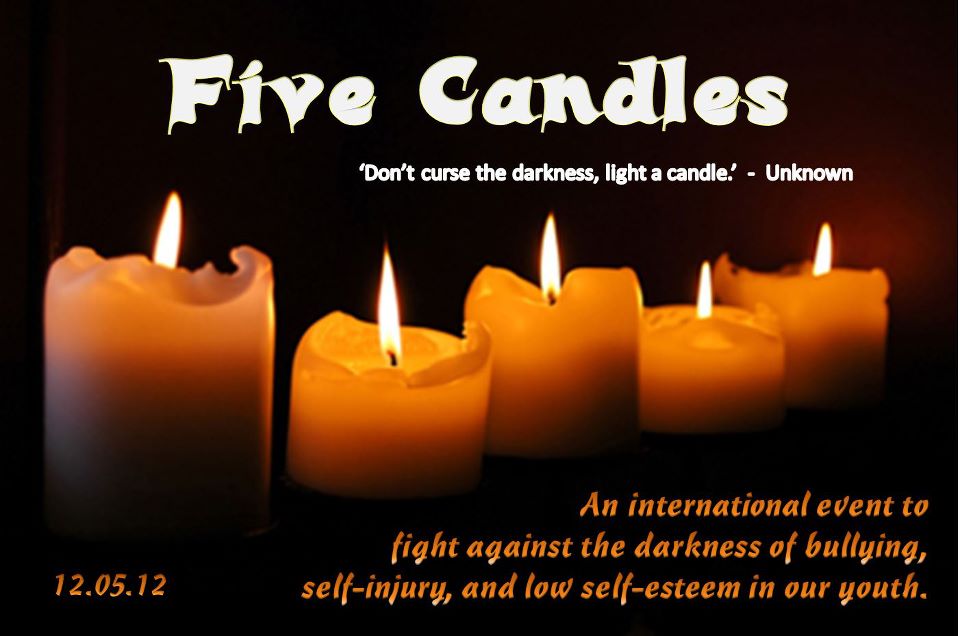
A good friend of mine, Kary Oberbrunner, is hosting a special call on December 5th to discuss how we can provide hope. Kary has done a significant amount of work on the issues of self-esteem, self-injury and anti-bullying. You can find out more about this “5 Candles” event by clicking here.
Make today a day that will change the life of one of these kids. You just may be the only one that can provide them the hope they are so desperately looking for.
**********************************************************************
Don’t miss a single post from Building What Matters by subscribing at the top left of this page.
Help support us by clicking here and Liking our facebook page
Barry Smith www.buildingwhatmatters.com 11/26/12
Photo courtesy of www.karyoberbrunner.com
The post Building What Matters – Self Confidence Within The Individual appeared first on BUILDING WHAT MATTERS.COM.
]]>The post Leadership Advice … Truth Is Forgettable If Not Put On Display. appeared first on BUILDING WHAT MATTERS.COM.
]]> I was at my church life group last week and we were discussing faith and deeds and how what we think does not always translate to how we act. Jeff, one of my best friends over the last twenty-five years made the following statement, “Truth is forgettable if not put on display.”
Now if you knew Jeff, you would know that even when you don’t really understand what he said, there is almost always some buried wisdom in his comments. And the confusion is rarely on his part. He is just one of those deep thinkers that finds a deeper meaning in anything. This was no different and like I often do, I asked him to repeat it. I knew it was good, I just didn’t fully grasp it the first time around.
“Truth is forgettable if not put on display.” Genius! Right or wrong, typically what we individually believe to be true is our truth. I believe that there is good in everyone. Sometimes it doesn’t appear that way on the outside but as a professional coach with a psychology background, I know that most negative behavior has an underlying cause.
Jeff’s statement stuck with me right a way. Why is it so hard sometimes to act on the outside like we feel on the inside? We know what is true but if we don’t live it, it is easily forgotten and life simply proceeds under false pretense. I am not suggesting dishonesty or lack of integrity, but would question our authenticity and transparency.
Truth in it’s purest sense is perfect. There is no doubting the truth and there is not much to question when speaking the truth. So why do we work so hard in our culture to hide it, twist it, manipulate it or even sometime totally ignore it? My simple response is that sometimes the truth hurts and by nature, we like to avoid pain.
Here are five areas of our life that can be impacted by truth:
1. RELATIONSHIPS
Relationships are built on things like trust and respect. They are strengthened by honesty and openness. All these things are founded on truth. Sometimes the truth is the most difficult thing to say but it is the only way to honor and value your relationships. In the end, truth always wins out.
2. COMMUNICATION
Have you ever considered how much effort it takes to avoid the truth in a conversation? Better yet, what it takes to try and remember what was said at the time of fabrication. There is a lot to be said about the idea that “you never have to remember the story you told when you told the truth.”
3. CHARACTER
Do you know someone who you can trust to always tell the truth? Do you know someone who never seems to tell the truth? Which one of these would you consider more a person of character? Enough said!
4. COURAGE
Yes, sometimes the truth hurts and in many cases, telling the truth takes courage. If the truth hurts, it usually means there is something that needs to be fixed or repaired. If you don’t have the guts to bring it to the table to begin with, you are only putting off a more difficult challenge later.
5. HAPPINESS
Hiding the truth will always result in carrying an unnecessary weight around until it is dealt with. Some are bigger than others but at the end of the day, this burden is going to effect our level of happiness. Life is hard enough as it is, why carry around additional baggage that will have to eventually be resolved anyway.
Everyone of us is carrying around some of this baggage and whether it’s big or small doesn’t really matter. The bottom line is that it is impacting every one of the items I discussed above. Truth is forgettable, but only in our mind – eventually it will come back to the surface. Remember when you were a kid and your mother told you “that it’s always better to tell the truth?” Well, she was right.
You know the truth on the inside, now start wearing it on the outside. It will not always be easy and sometimes it will hurt, but it will always be the right thing to do.
**********************************************************************
Don’t miss a single post from Building What Matters by subscribing at the top left of this page.
Help support us by clicking here and Liking our facebook page
Barry Smith www.buildingwhatmatters.com 11/19/12 Photo by author
The post Leadership Advice … Truth Is Forgettable If Not Put On Display. appeared first on BUILDING WHAT MATTERS.COM.
]]>The post Veterans Day – Don’t Make This The Only Day You Say “Thank You” appeared first on BUILDING WHAT MATTERS.COM.
]]> Today we celebrate Veterans Day 2012 and many of us will enjoy a day off from our typical Monday work responsibilities and have the day to do whatever we choose. My question is “what will you do?”
I will not be taking the day off from work but will make today different from all the other Monday’s of the year by thanking those that have or are currently serving our country. I will have the chance to say thanks in person to a few but have a much bigger opportunity through social media. Yes, I said social media.
If you are reading this, chances are that you have a Facebook, Twitter or LinkedIn account. Today is your opportunity to say thank you to all our military personnel and their families. Yes, their families. If you know someone that has a family member in the service then they too, are currently, or have made sacrifices in the past as their loved ones spent time away from them serving our country.
I remember when my boys were younger and in the Boy Scouts. We used to go Willamette National Cemetery and clean off the grave stones, say the name aloud and thank them for their service to our country. It was an honor and privilege to be part of this but as I have gotten older, I have come to appreciate more and more the sacrifices that these individuals made – not just abroad but here at home as well.
I personally know a few young men that will be deployed oversees early next year and they will leave behind spouses and loved ones who will be left with no more power other than to pray for their safe return and support each other while they wait at home.
I never served in the military but my father, grandfather and father in-law did and I think there are very few, if any of us, that do not have some kind of connection to those protecting us. I am thankful for the service from all that have served in the past and for those currently protecting our Country both home and abroad.
Regardless of our political views, there is absolutely no reason for us not to support the men and women serving our country. Today is a day that we honor those that have served, past and present. My encouragement to you is that you make every day a day to honor these individuals.
We have more power and opportunity to communicate than ever before. Every day we have the opportunity to say thanks but step your game up today and go a little further than you might on any other day.
I won’t begin to say that I know what it is like to wear a uniform, but this I know, our military personnel are people just like me and you. They may deal with different challenges than you and I, but they still need to feel valued and encouraged.
Take the time today to say thank you. When you find out how much a difference it makes, you just might find yourself encouraged to say thanks more than once a year.
TO ALL THOSE SERVING AND PROTECTING OUR COUNTRY – OUR THOUGHTS AND PRAYERS ARE WITH YOU. THANK YOU FOR YOUR SERVICE!
**********************************************************************
Don’t miss a single post from Building What Matters by subscribing at the top left of this page.
Help support us by clicking here and Liking our facebook page
Barry Smith www.buildingwhatmatters.com 11/12/12 Photo by author
The post Veterans Day – Don’t Make This The Only Day You Say “Thank You” appeared first on BUILDING WHAT MATTERS.COM.
]]>