The post Looking For Clarity? Maybe It’s Time To Author Your OPUS appeared first on BUILDING WHAT MATTERS.COM.
]]>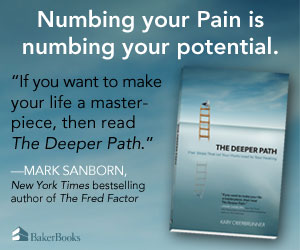 I recently completed a coaching certification developed by Kary Oberbrunner called The Deeper Path. Part of the certification involved a ten week collaboration that ended in the authoring of my OPUS. I know what your thinking … “your what?” Fair enough. The word opus is admittedly not used by most people regularly but for me, it is now part of every day.
One of the definitions of OPUS is a “masterpiece.” This masterpiece is a written document that describes what my life would look like at it’s finest. What I ended up with upon it’s completion was a road map to creating the life I was designed to live.
I now understand what I am passionate about and have complete clarity about making decisions that align with my purpose. The gray area that contributed to several mistakes in my life is now gone and I know what is important and how to protect it.
Oberbrunner suggests that Pain in our lives creates a barrier in reaching our Potential. For me, it was the pain of doing things wrong and dwelling on them instead of embracing them that was holding me back. Now I understand that I can learn from my mistakes and use them as part of my story to help others. I now have a new perspective on life.
I now realize that “Building What Matters” is the most important thing there is. What matters is people. This includes myself, my family and anyone else that I have to opportunity to add value to.
The concept of authoring your OPUS is understanding what each of the letters stand for. This acrostic, originally developed by Chet Scott of Built to Lead goes like this:
OVERARCHING VISION
This is basically your big dream. You know, that perfect picture of what life would look like in “your perfect world.” If you were to write your “I have a dream speech” as Martin Luther King Jr. did several years ago, what would it say? I believe you can turn your dreams to reality if you understand how to reach it and intentionally take the steps to achieve it.
PURPOSE
What is your purpose? It amazes me how many people can’t answer that question. I used to be one of them. I once heard John Maxwell say that “the two most important days of your life are the day you were born and the day you discover why.” I know you know when you were born, but have to yet to discover why? Once you find the answer, you will be overwhelmed by the clarity that comes along with it.
UNIFYING STRATEGIES
These are the buckets that your life fits into, the buckets that you need to identify to achieve your overarching vision. When you make decisions, do you know what bucket you are filling up? Do you even know what your buckets are? Knowing what your buckets are gives you the clarity to know whether those decisions are worthwhile or not.
SCORECARD FOR SIGNIFICANCE
This is the way you identify if you are working towards your dream or not. If the way you are investing your time will result in return on your investment or not. Are the choices you are making helping to reach your potential? Your purpose? Your dream?
I can’t really do justice in a simple blog post to describe what authoring my OPUS has done for me and I have tried to summarize hours of thought and reflection into 500 words. The good news is that you have a great opportunity to find out more about this journey and how to author your own OPUS.
Kary Oberbrunner’s The Deeper Path will be released in February and Kary has invited you to a free online book release party on February 12th in which you can hear more about the book, authoring your own OPUS and have to opportunity to walk away with one of a number of free items that will be given away to those who register for the event.
To me, Kary is a friend, coach and mentor. For you … well, he just may be the guy that can help change your life. Click on the link below to register.
Register here: for THE DEEPER PATH – Online Book Release Party
Click here to see my OPUS and scroll down to my picture.
Pre-order your copy of The Deeper Path by clicking here.
***********************************************************************
Don’t miss a single post from Building What Matters by subscribing at the top left of this page.
Help support us by clicking here and Liking our facebook page
Barry Smith www.buildingwhatmatters.com 1/25/13 photo courtesy of karyoberbrunner.com
The post Looking For Clarity? Maybe It’s Time To Author Your OPUS appeared first on BUILDING WHAT MATTERS.COM.
]]>The post Self-Leadership – Why We Need To Always Wear This Hat. appeared first on BUILDING WHAT MATTERS.COM.
]]> I was recently involved in a conversation with my coaching mentor on the topic of self leadership. The conversation was related to the coaching process but it struck me that the practice of self-leadership is really something that we need to incorporate into all aspects of our lives.
I commented that I had told one of my mastermind groups that I would occasionally “put on my coaches hat” during our meetings. The more I study the art of coaching, the more I realize that coaching is a process that can help us in all forms of communication, whether structured or unstructured.
The backbone of the coaching process is that the answers to the questions already exist within the individual, they simply are not asking the right questions. So I got to thinking “why can’t we steer our everyday conversations towards asking the right questions?”
Here are 5 keywords to consider when having everyday conversations:
1. AWARENESS
How much are we aware of what is really being said in any conversation that we have? I know I am often guilty of thinking more about my response than what is actually being spoken to me. To be really aware in the conversation, you need to give total focus to the words being spoken to you and not on the words you are planning to respond with.
2. ENGAGEMENT
Another conversational trap … are you really engaged with the person you are speaking with (notice I said with and not to)? Making the conversation about the other person is the best way to become and remain engaged. The minute our own thoughts and agenda take over we have disengaged.
3. NON-JUDGEMENTAL
The other person has for whatever reason decided to share and confide in you. Typically this is not done to promote some type of judgement in return. Many times the words that are spoken are simply an effort to be heard. No solution or instruction is needed, simply acknowledgement and affirmation.
4. RESPONSIBILITY
I believe that we are all here to serve a greater purpose. We have a responsibility to each other to be part of the solution and not part of the problem. When actively participating in a conversation, our responsibility is to listen, not speak. People, by nature, want to be heard. They want to be validated and have their feelings and thoughts affirmed. Don’t feel the need to fix every problem that comes across your table. Remember the first principle of coaching … the answer is within the individual.
5. PERMISSION
If you do have something to say that you feel may be constructive, ask permission to share it. What’s wrong with simply asking “Can I tell you what I think?” or “Would you like to know how I feel about it?” Sometimes the answer might be “No, I just needed to get that out of my system.” Making the conversation about the other person can result in no need to say anything, simply listen and hear what is being said.
Self Leadership is a necessary tool in coaching. But it’s more than that. It is a tool that can be used in everything we do that involves communication.
The next time you get into a conversation, lead yourself to a point in which the question you ask is “How can I help the person I am talking to answer their own question?” This is the way we develop others to become more self confident and independent. That is true influence!
***********************************************************************
Don’t miss a single post from Building What Matters by subscribing at the top left of this page.
Help support us by clicking here and Liking our facebook page
Barry Smith www.buildingwhatmatters.com 10/26/12 photo by author
The post Self-Leadership – Why We Need To Always Wear This Hat. appeared first on BUILDING WHAT MATTERS.COM.
]]>The post You Have To Know What The Box Is Before You Think Outside Of It! appeared first on BUILDING WHAT MATTERS.COM.
]]> We have all said it, “Think Outside The Box.” Usually to promote unique thinking that will result in some great new idea or outcome. The problem is that this phrase is used way more than the results are realized.
I was watching the Oregon Ducks play the Washington Huskies last night and one of the announcers commented the Oregon Coach Chip Kelly often asks “why can’t we do it that way.” Chip Kelly is a guy that produces from his “outside the box” thinking.
It doesn’t matter if you are a fan of the Ducks or not, you can’t argue with the results they achieve on the football field. Yes, he runs a fast paced, west coast offense that we have seen before in both the collegiate and professional levels, but he has taken it a step further. He has added some very unique twists and turns to something that already has succeeded and made it better.
I believe that his success is not just from knowing the game but because he loves the game and is passionate about it. Kelly wants to make it better. Better for the fans, better for the coaches and most importantly, better for the players.
Kelly knows what the box is. The box he thinks outside of is a game that is not only meant to entertain, but to develop. When the Oregon Duck players finish their collegiate career and enter into the real world, I think they will have an advantage in the lessons they have learned under Kelly and will be more successful because of it.
One of my favorite quotes from Kelly:
“I saw the ‘Feel Sorry For Yourself’ train leaving the parking lot & none of our players were on it so that was a good sign.”
My takeaway from this piece of genius … his players understand that no matter what kind of coaching they receive, the final product is up to them – On or Off the field. They know that there is no one responsible for their play on the field except themselves. That in itself, is a pretty good lesson for succeeding in the real world.
I am a fan of Chip Kelly for the excitement his teams provide the state that I live in. I am a bigger fan of Kelly because of the leaders he is developing.
Anyone who has followed the Oregon Duck football program knows that there have been some black marks and the programs integrity has been questioned. I am not here to put anyone on a pedestal or judge their actions. We all have made mistakes and done things that we wish we could take back.
“Do what you can, with what you have, where you are.” -Theodore Roosevelt
Yesterday ended at midnight, so my suggestion, make today a masterpiece!
***********************************************************************
Don’t miss a single post from Building What Matters by subscribing at the top left of this page.
Help support us by clicking here and Liking our facebook page
Barry Smith www.buildingwhatmatters.com 10/7/12 photo by author
The post You Have To Know What The Box Is Before You Think Outside Of It! appeared first on BUILDING WHAT MATTERS.COM.
]]>The post Does Your Coach Have A Coach? 6 Reasons Why He Should! appeared first on BUILDING WHAT MATTERS.COM.
]]> As a coach, I am expected to help others to achieve more. But what about me – the coach – doesn’t it make sense that if I am impressing upon others the value of coaching, that I should have a coach of my own? You bet it does.
I have coaches, mentors and accountability partners. I also am involved in multiple mastermind groups, facilitating some and participating in others. I know what you are thinking … what is wrong with this guy, he must really need help.
While not totally disputing that, I am doing it because I want to get better. Not only better as a coach, but better as a person in general. You will always accomplish more when working with another person or in a group. You only have your perspective and trust me, you don’t know half as much as you think you do. I don’t either!
I recently heard a list of coaching principles from one of my mentors and as I reflected on the list, I realized how this list could apply in so many ways in our lives.
1. Self Awareness
For me, self awareness is crucial. This is what helps me stay focused on my “why”. If I don’t take the time to reflect on my purpose and vision and keep aligned with these I start losing focus on why I do what I do.
2. Presence
Have you ever found yourself in a conversation and you are thinking about anything except what the other person is saying? Being present is a way of showing respect and making the other person feel important.
3. Listening
Hearing and listening are two completely different things. When we truly listen, we are able to not only comprehend what is being said, but also hear was is not being said. Sometimes the things that are not said aloud are more important than what is.
4. Curiosity
I love this one. One of the things that John Maxwell does every day is ask questions. Why? Because he wants to know the answers. You don’t know what you don’t know, so you might want to find out what it is that you don’t know.
5. Effective Questioning
As a coach, I am of the belief that we already have the answers within us, we simply are not asking the right questions. Effective questioning is the best way I know of to get effective answers. What kind of questions are you asking?
6. Intuition
Many people think of intuition as a “gut feeling.” I won’t necessarily disagree with that, but I would take it one step further. Intuition is a gut feeling based on previous experience and the resulting outcomes.
So here is a great list for you to think about. So the effective question becomes “What will you do with it?”
How can you apply one or more of these to improve your life or better yet, the life of someone else?
***********************************************************************
Don’t miss a single post from Building What Matters by subscribing at the top left of this page.
Help support us by clicking here and Liking our facebook page
Barry Smith www.buildingwhatmatters.com 10/6/12 photo by author
The post Does Your Coach Have A Coach? 6 Reasons Why He Should! appeared first on BUILDING WHAT MATTERS.COM.
]]>The post Lost Leadership – Paterno, Tressel, Payton … What Happened? appeared first on BUILDING WHAT MATTERS.COM.
]]>
I am sure that by now, everyone has heard about Joe Paterno and the on-going allegations of his involvement in the Jerry Sandusky child molestation scandal. Still on-going, at least as a topic of discussion, is the year long suspension of New Orleans Saints coach Sean Payton for his involvement in a bounty program that in short, paid players for knocking other players out of the game. Not too far removed from these two headlines was the resignation of Jim Tressel as the head football coach at Ohio State University stemming from inappropriate NCAA activity by him and his players.
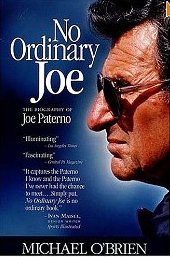
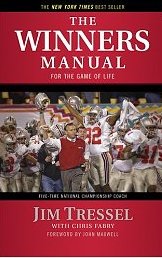
I will be the first to admit that as a fan of both college and professional footbal, I have been a fan of all three of these men. In fact, I have the three books shown in this post on my bookshelf. I do not write this post to make judgement on any one of these men. First of all, that is not my job to do. Second, the media has already done a pretty good job of that on their own.
I have heard more than once that:
“Your priorities may change but your values never will”

I have always believed this to be relatively true. The circumstances around these three men have caused me to question that belief. After following these coaches for years and reading their stories, I have no doubt that their original core values were solid and I believe that they represented and lived those values for the majority of their careers and positively influenced, and in the case of Tressel and Payton still do, thousands of college kids, adult men and countless fans around the country.
So what happened along the way? Again I am not passing judgment against any of these men, but something changed that allowed them to somehow compromise what they believed in. Based on the evidence provided, some believe that there were intentional actions that go well beyond what would be accepted by someone on their positions. In other cases, it may be the case of not doing enough or turning a blind eye to what was going on. Either way, to me anyway, there was a change in the value system that they had built their careers and reputations on.
In my opinion, they allowed the value that they were putting on the field get in the way of the values they held off the field.
 After much consideration on this idea of changing values, I have come to the conclusion that our values do not change. However, we can allow the demands of producing results get in the way of what we believe and how we behave. Our value system must be protected, possibly more than anything else that represents our character.
Our value system is the foundation that we are built on. If we let that foundation become compromised, the building will begin to fail. I look at the circumstances around these three men and can come to no other conclusion that somewhere along the way, their value systems were compromised.
That being said, I believe that we all fall victim to this type of behavior. The only difference between them and myself is that they are in the media spotlight and thus live under a microscope for everyone to see.
My challenge to you in writing this is that you take a moment to review your value system and consider whether or not you are living in a way that represents the values you believe in. We all fall short in trying to be everything we would like to be, but an occasional “check up from the neck up” may allow us to stay more in tune with how we would like to represent ourselves to others.
Consider that your personal value system represents your brand. Would you be willing to buy what you are selling?
Don’t miss a single post from Building What Matters by subscribing at the top left of this page.
Barry Smith www.buildingwhatmatters.com 7/20/12
The post Lost Leadership – Paterno, Tressel, Payton … What Happened? appeared first on BUILDING WHAT MATTERS.COM.
]]>The post 7 Ways to Enhance Your Potential – Help From A Mentor appeared first on BUILDING WHAT MATTERS.COM.
]]>
How many times have you heard the phrase “he (or she) has great upside potential” used when someone is speaking of future success of an individual? I am sure we all understand the concept of potential, but when we hear conversations about potential, why do we rarely hear about what that person needs to do to reach that potential? I would suggest that it is because by making a statement to a persons potential we are somehow putting ourselves on the line as being responsible for the outcome. Most of the time, we don’t even know the person being talked about.
It is easy to make comments about somebody else related to their potential when we don’t know them or will have nothing to do with the process of them reaching their potential.
But what about the people that we spend time with everyday?
Simply because they are not the next great athlete or the next person to be in the headlines because of some success does not mean that they do not have the potential to be more than they currently are. So here is the question … what are you doing to help those around you reach their potential?
Tony Dungy in The Mentor Leader, gives us his seven E’s of enhancing potential.
ENGAGE – The first thing we need to do to help others work towards reaching their potential is to engage with them. If we are to expect someone to value our thoughts or suggestions, they first must believe that we not only value them as a person but also are willing to invest ourselves in their journey to reaching that potential. If you don’t engage, you will never be able to effectively lead them or have a positive effect in their lives.
EDUCATE – The only way to improve upon where we are is by learning new things. This is especially true if a new skill is required. Use the skill set that you have to add value to those around you. Don’t be afraid to learn more yourself through the process.
EQUIP – One thing that is required in any new venture is the be prepared for change. As a mentor, we need to equip those around us to be able to deal positively with change. We need to equip them with the tools needed to not only retain the new information but also to deal with failure and adversity that will be part of the process.
ENCOURAGE – No path to reaching our potential will be without failure and frustration. Be willing to encourage others during both success and failure. It is critical for everyone to understand that failure is part of success and that we need to learn from our failures and not let them be a source of discouragement.
EMPOWER – The ultimate success of any venture will both require and strengthen a person’s self-confidence. As mentors, we need to empower those around us to not only believe in the cause but also themselves. Build on each success as an example of what is possible through hard work and focus.
ENERGIZE – Any development process will be filled with highs and lows. Inspire the person you are mentoring by sharing their success with others. During the low times, build on what is possible and provide energy by sharing something you have experienced that required energy to accomplish or overcome.
ELEVATE – Take advantage of any available opportunity to elevate someone. This may be the most important aspect of continued success. It sis something to build on and something to create momentum.
It doesn’t matter who it is that you are thinking of, we can all do more in reaching our potential and we can all use help in doing it. Take the opportunity today to help someone around you to reach their potential. This may, in itself, help you to reach yours.
Don’t miss a single post from Building What Matters by subscribing at the top left of this page.
Barry Smith www.buildingwhatmatters.com 7/8/12
The post 7 Ways to Enhance Your Potential – Help From A Mentor appeared first on BUILDING WHAT MATTERS.COM.
]]>The post HEY COACH, WHAT REALLY IS YOUR JOB? appeared first on BUILDING WHAT MATTERS.COM.
]]> I recently asked a group that I was working with “What do you think the role of a coach is?” Here are some of the responses I received:
“Someone who teaches and prepares you for what is to come”
“A person you can go to for ideas, guidance, support and encouragement to proceed positively”
“A person to guide someone until they have reached their full potential”
“Someone who pushes you forward and cheers you on – On and Off the field”
“Someone to direct and inspire people to achieve things/dreams that they are passionate about”
“Someone who is positive, trustworthy and not above working along side of you”
“Someone to lead or guide a person to a desired goal – to provide inspiration”
All these are things that a coach may provide but the true purpose of a coach is often overlooked or misunderstood by most people. I believe that the ultimate purpose of a coach is to help individuals to be able to do these things on their own.
Consider the game of football … the coach is not going to be on the field with his players, they will have to make decisions on their own once the ball is snapped. The players do not have the time to ask the coach what to do or even think about what he might tell them to do. They have to find the answer within themselves and respond immediately to be successful.
Certainly all decisions do not need to be made in a split second but the idea is that the person being coached develops the ability to find the answers within themselves. As a coach, one should help their client to understand where they currently are and where they want to be. True success for a coach is to help that person to be able to ask themselves the right questions to get the needed answers on their own.
Barry Smith www.buildingwhatmatters.com 5/12/12
The post HEY COACH, WHAT REALLY IS YOUR JOB? appeared first on BUILDING WHAT MATTERS.COM.
]]>