The post Leaders Eat Last – Part 1; The Forces That Keep Us Safe appeared first on BUILDING WHAT MATTERS.COM.
]]>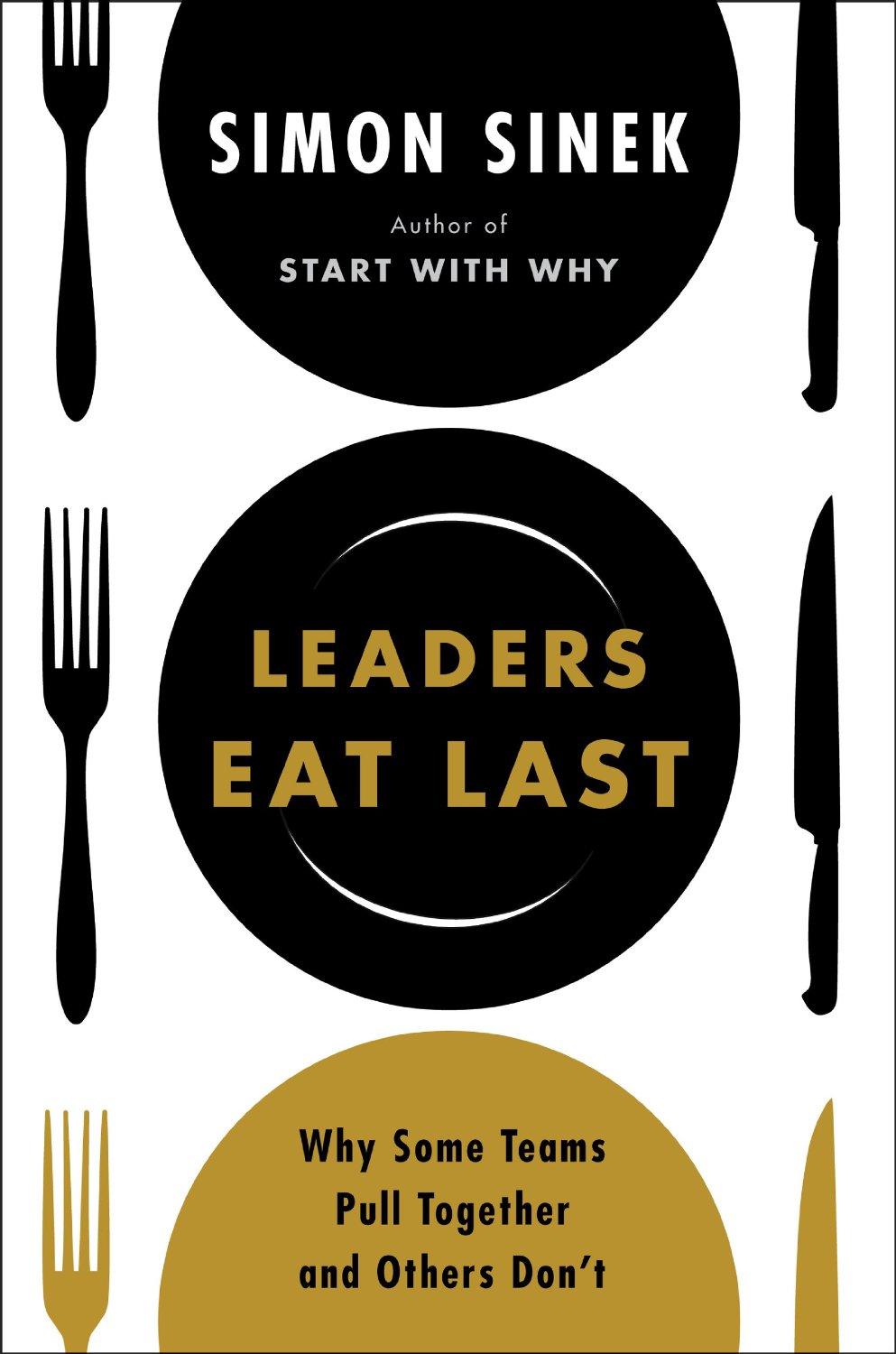 This month, in The Platform Builders Mastermind group, we are working our way through Simon Sinek’s recently released “Leaders Eat Last – Why Some Teams Pull Together and Others Don’t.”
Sinek, the author of Start With Why, provides a deep look into what creates the most effective teams and more importantly, what keeps them working together, even during the most difficult of times.
This is one of those books that will take you a little bit longer to read because so many thoughts require you to take another look, just to make sure you understood the power behind them. A phenomenal effort by Sinek, Leaders Eat Last not only looks at the dynamic of the team but of the individuals that make up that team.
What really sets this book apart is Sinek’s unique look at why some people make good leaders and others don’t and the “why” behind the results they get. In this post, the first of four, I will attempt to capture the basic thoughts of the eight parts of the book.
PART 1: OUR NEED TO FEEL SAFE
PROTECTION FROM ABOVE – Sinek starts out the book telling the story of pilot Johnny Bravo and about his courageous actions from the battlefield. When asked why he risked his own life to protect the lives of his fellow soldiers, he simply responded “Because they would have done it for me.” Are you willing to do for others what you would expect them to do for you?
EMPLOYEES ARE PEOPLE TOO – The second chapter is built around this great thought from Sinek: “The leaders of great organizations do not see people as a commodity to be managed to help grow the money. They see the money as the commodity to be managed to help grow the people.” Imagine that … focusing on people before profits. Isn’t that interesting?
BELONGING – Sinek introduces the concept of a “Circle Of Safety.” We all want to belong to something and when a culture is created that not only provides the opportunity to be part of it, but also provides security and stability, then engagement, fulfillment and productivity go up as well.
YEAH, BUT … – This is a great chapter. Sinek explores the idea that it is not extra work and long hours that stress people out, but rather the loss of control. When we are able to control our environment, we are much more inclined to remain engaged and loyal to our team.
PART 2: POWERFUL FORCES
WHEN ENOUGH WAS ENOUGH – If you are reading this, you probably already have more than enough. In other words, your basic needs have been met and you are living more abundantly than most of the people on this planet. Sinek begins to take a look at the physiological reasons that influence our thoughts and actions.
E.D.S.O. – Chapter 6 provides a clear picture of the four primary chemical incentives in our bodies and what happens when these chemicals are released.
- Endorphins – This chemical masks physical pain. This is what makes you feel good after strenuous physical activity.
- Dopamine – This is the chemical that makes us feel satisfied, a sense of achievement or accomplishment.
- Sarotonin – This chemical provides a feeling of pride, respect or value. This builds our self-esteem.
- Oxytocin – This is what enables us to form friendships, feel love, and build deep trust.
Sinek does a masterful job describing how all of these play into our role as a leader.
THE BIG C – No, not that one. Cortisol is responsible for the stress and anxiety that we feel when something goes bump in the night. It is our bodies way of telling us that something is not right. The problem is that although it is a defense mechanism, it also puts strain on our body. Using it to our advantage is the challenge.
WHY WE HAVE LEADERS – In order to function as a productive team, organization, or community, someone has to make the first move. Someone has to lead. Someone has to set a course in a new direction or we will simply exist where we are. Someone has to make the first sacrifice so others can follow.
 I know we are early in the year, but I have a pretty strong feeling that Leaders Eat Last will be one of my top books for 2014. I actually had to good fortune to meet Simon Sinek earlier this week and hear him speak from the stage.
I can tell you this much, Sinek is the real deal. In a crowded hotel lobby, he gave me his undivided attention and made me feel like the only one in the room. He practices what he preaches and is consistent with his message.
Pulling from his highly viewed TEDTalk video, “People don’t buy into what you do, they buy into why you do it,” (Tweet This / Post to LinkedIn) Leaders Eat Last will fill you in on the “why” that leaders use to lead.
***********************************************************************
Click here to get a copy of my Kindle Book “The Manifesto Of An Influential Leader”
Don’t miss a single post from Building What Matters by subscribing at the top left of this page.
Help support us by clicking here and Liking our facebook page
Barry Smith 3/6/14 photo courtesy of amazon © Building What Matters 2014
The post Leaders Eat Last – Part 1; The Forces That Keep Us Safe appeared first on BUILDING WHAT MATTERS.COM.
]]>The post The Men Who Built America – Henry Ford appeared first on BUILDING WHAT MATTERS.COM.
]]> Well here we are, a new year and a new plan, right? I know this – the Platform Builders have some new plans for 2014 and this year we are starting our Mastermind study with a little twist.
This month we are masterminding through The Men Who Built America, a DVD produced by the History Channel along with Think and Grow Rich by Napoleon Hill to compliment the mini-series built around some of the great early leaders and entrepreneurs that help build the United States into a world power at the end of the 19th Century.
If you don’t know the back story on how these two connect together, Napoleon Hill was commissioned by Andrew Carnegie to study the most successful people and find out what resulted in their success. The men who built America were among many of the 20,000+ that Hill interviewed over the twenty year period it took him to write the book.
This month we are going take a look at Andrew Carnegie, Thomas Edison, JP Morgan and Henry Ford. In this, the final of four posts, we will take a look at Henry Ford.
Ford set himself apart from the other men who built America buy focusing his efforts on the people. He paid twice the average wage and wanted the average working man to be able to afford an automobile. Amazed at how machines worked, Ford used his vision to transform the auto industry.
So how did a man that began his business career under the challenges of poverty, illiteracy, and ignorance become “one of the men who built America?”
I Think I Can, I Think I Can, I Think I Can
AUTOSUGGESTION
“If you think you can do a thing or think you can’t do a thing, you’re right!” – Henry Ford
Ford Motor Company was actually Ford’s third automobile venture. The first two failed miserably yet Ford refused to give up. He continued to believe that he could successfully manufacture automobiles at a profit and at the same time, do what no one else had done, make them affordable. His vision was strong enough to become reality. He refused to give in to negative talk and literally convinced himself that it could be done through the power of autosuggestion.
1+1=3 … Sometimes More
POWER OF THE MASTERMIND
“If there is any one secret of success, it lies in the ability to get the other person’s point of view and see things from that person’s angle as well as from your own.” – Henry Ford
Ford’s most outstanding achievements began when he formed acquaintances with Harvey Firestone, John Burroughs, and Luther Burbank, well known thought leaders at that time. Ford realized that not only could he gain knowledge from spending time with big thinkers but the interaction in itself, was increasing his ability to retain information and think better himself.
If Only I Would Have Known Before It Was Too Late!
SPECIALIZED KNOWLEDGE
“Coming together is the beginning; keeping together is progress; working together is success.” – Henry Ford
Ford had great vision but lacked the knowledge, in multiple areas, to make his vision a reality. What Ford did know, was that by surrounding himself with the right people – the people that had that knowledge, he could achieve anything he wanted. He continued to do this throughout his career and when faced with the issue of not knowing, simply found someone who had the specialized knowledge he was looking for and added them to his team.
Napoleon Hill said; “Strength and growth come only through continuous effort and struggle.” (Tweet This / Share on Facebook / Post to LinkedIn)
Hill was right, our success will come from continuous effort and struggle. The difference comes in how we take on the struggle. Ford found ways to reduce the struggle by bringing those to his team that could provide the “right” kind of effort.
Here is an important question: Are you trying to do it all on your own or are you enlisting the help of others through collaborative relationships? The answer might just predict your success or failure in that endeavor. Who can you add to your team that will take you to the next level?
- Click here to read Part 1 on Andrew Carnegie
- Click here to read Part 2 on Thomas Edison
- Click here to read Part 3 on JP Morgan
***********************************************************************
Click here to get a copy of my Kindle Book “The Manifesto Of An Influential Leader”
Join me on the STOP CHALLENGE CHOOSE 12 week health transformation
Don’t miss a single post from Building What Matters by subscribing at the top left of this page.
Help support us by clicking here and Liking our facebook page
Barry Smith 1/29/14 photo courtesy of Amazon © Building What Matters 2014
The post The Men Who Built America – Henry Ford appeared first on BUILDING WHAT MATTERS.COM.
]]>The post If I Had The Self-Confidence To Do It, I Would _____________! appeared first on BUILDING WHAT MATTERS.COM.
]]>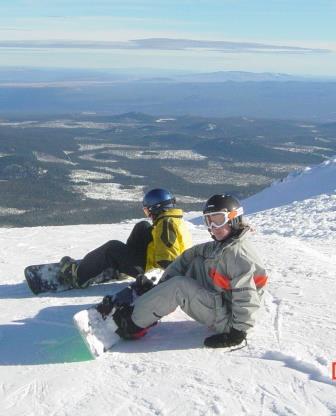 Look at that, I already have you thinking and you haven’t even got past the title of the post yet. I love it when that happens.
Self-confidence is one of those funny things. You don’t really understand it until you get it. No, not “get it” like understand it, I mean get it like “get it.” Self-confidence is a process and a difficult one at that. Our culture does several things to keep you from getting it as well as giving it to you under false assumptions. Let me explain.
First, the world we live in teaches that failure is bad and that the more you fail, the worse off you get. If you have been reading any of my posts lately, you know that failure is actually a means to success. From failure we not only learn the wrong way to do things, but we also learn that doing things wrong is ok because we can learn from those “failures” and build our confidence from the lessons learned.
Second, our society has gone overboard to make sure that everyone feels good. Somehow by rewarding people, especially children, for everything they do will somehow build up their self-esteem and self-confidence. Well I suppose it will short term, but what happens when they get into the real world where simply “participating” get’s you just about nothing?
You can choose to agree or disagree with my comments in the previous two paragraphs but the bottom line is that “authentic” self-confidence is the only thing that will provide lasting results. So let’s take a look at the idea of self-confidence.
WHY DO I NEED SELF-CONFIDENCE?
Self-confidence is the tool that allows you to be you. Not just you, but the best you that you can be. We all have beliefs and those beliefs make up who we are. The problem is that when we don’t have the confidence to “walk our talk” it results in a less authentic model of who we are. Maybe even someone we are not.
WHERE DO I GET SELF-CONFIDENCE?
You build self-confidence by doing the right things at the right times no matter what other people will think. If this is a new concept for you, it won’t be easy at the beginning. But continue and people will recognize you as a trusted, respected individual. Even if they don’t agree with you, they will appreciate the fact that you actually believe in something and are willing to stand behind it.
WHAT DO I DO WITH SELF-CONFIDENCE?
Do you consider what other people will think of you when you speak or act in a certain way? Or are you so totally convicted by what you believe in that you will do what you do and say what you say regardless of what other people think. Now I am not saying don’t be respectful or courteous, just be solid in who you are. That is what self-confidence does for you. As my mentor John Maxwell has taught us; “you cannot give what you do not have.”
Go back to the title of this post. What would you try if you had the confidence to do it? I know there is at least one thing. Did you know that most people have more regrets for things they wanted to do and didn’t than things they did do and wish they hadn’t? [Tweet This]
Simple challenge for you today folks. Make a list of the things you want to do but have not had the self-confidence to do, pick one, and GO DO IT!
***********************************************************************
Click here to get a copy of my Kindle Book “The Manifesto Of An Influential Leader”
Don’t miss a single post from Building What Matters by subscribing at the top left of this page.
Help support us by clicking here and Liking our facebook page
Barry Smith 12/9/13 photo by author © Building What Matters 2013
The post If I Had The Self-Confidence To Do It, I Would _____________! appeared first on BUILDING WHAT MATTERS.COM.
]]>The post Happy Thanksgiving! Being Grateful For What Really Matters. appeared first on BUILDING WHAT MATTERS.COM.
]]> It’s almost 1:40 am on Thanksgiving morning. Some might wonder – what in the world is he doing writing a blog at this time of the day – not to mention the day he is doing it. Well I will be honest; I have been writing it in my mind all day but something just wasn’t right.
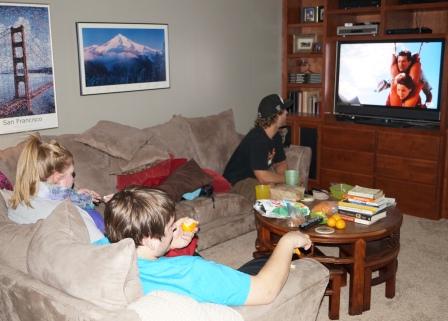
The picture in this post is of my three kids – really two but the female in the picture is our youngest son Spencer’s girlfriend Paige and for all intents and purposes, we already count her as ours.
They flew in from Boise on Saturday and I picked up our oldest son, Scott, at the airport about six hours ago. Michelle and I have been looking forward to this ever since we decided a few weeks ago to fly Scott back home from the University of Hawaii for Thanksgiving. I guess you kind of get used to being “empty nesters”, but when you get them all back home, it doesn’t take long to remember what it used to be like.
Life is full of change from the day you are born until the day you breathe your last. It’s sort of funny how the things you appreciate change from year to year. This has been the longest stretch our family has ever been apart – since last Christmas. Scott will graduate in about a month and we will be talking over the next few days on his plan for the future.
I guess as time goes by, I find myself thinking a lot more about the good times from the past and how they will compare the the future. Our kids will soon be starting their own careers and families and new traditions will be started and new memories created.
I have seen so many posts the last few days on being grateful. Many were about success and accomplishment, but the ones that resonated with me were the ones about memories – the stuff you can’t buy or plan. The kind of memories that just happen spontaneously.
I was sitting on the couch with Paige watching a Hallmark Christmas movie earlier as Scott and Spencer talked in the back of the room about – well I guess stuff that young twenty somethings talk about. It really didn’t matter what they were saying, just that they were saying it to each other, face to face. Paige and I kept trying to guess what would happen next in the movie. It was really simple, yet priceless in terms of the memory that I will have from it.
Michelle, apparently the only sensible one, was upstairs asleep fueling up for a busy day tomorrow. It was so rewarding for me to see the look on her face as Scott walked into the kitchen when we got back from the airport. Expectations fulfilled and anticipation replaced by the excitement that her first born was “in the house.”
Obviously the theme of the week, at least in the states, is gratitude. So a few things I am grateful for – obviously the full house with all present and accounted for but also a few other thing. One of them is you – I am very thankful for a loyal group of followers that add value to me every day. Another thing is that I now have a new appreciation for the “little” things in life that make such a big difference. I think sometimes we forget those little things.
I challenge all of us to look at every day as a day to give thanks. No matter what happens, there is always something to be grateful for. HAPPY THANKSGIVING EVERYONE!
***********************************************************************
Click here to get a copy of my Kindle Book “The Manifesto Of An Influential Leader”
Don’t miss a single post from Building What Matters by subscribing at the top left of this page.
Help support us by clicking here and Liking our facebook page
Barry Smith 11/28/13 photo by author © Building What Matters 2013
The post Happy Thanksgiving! Being Grateful For What Really Matters. appeared first on BUILDING WHAT MATTERS.COM.
]]>The post Help Them Grow, Or Watch Them Go – What People Really Want appeared first on BUILDING WHAT MATTERS.COM.
]]>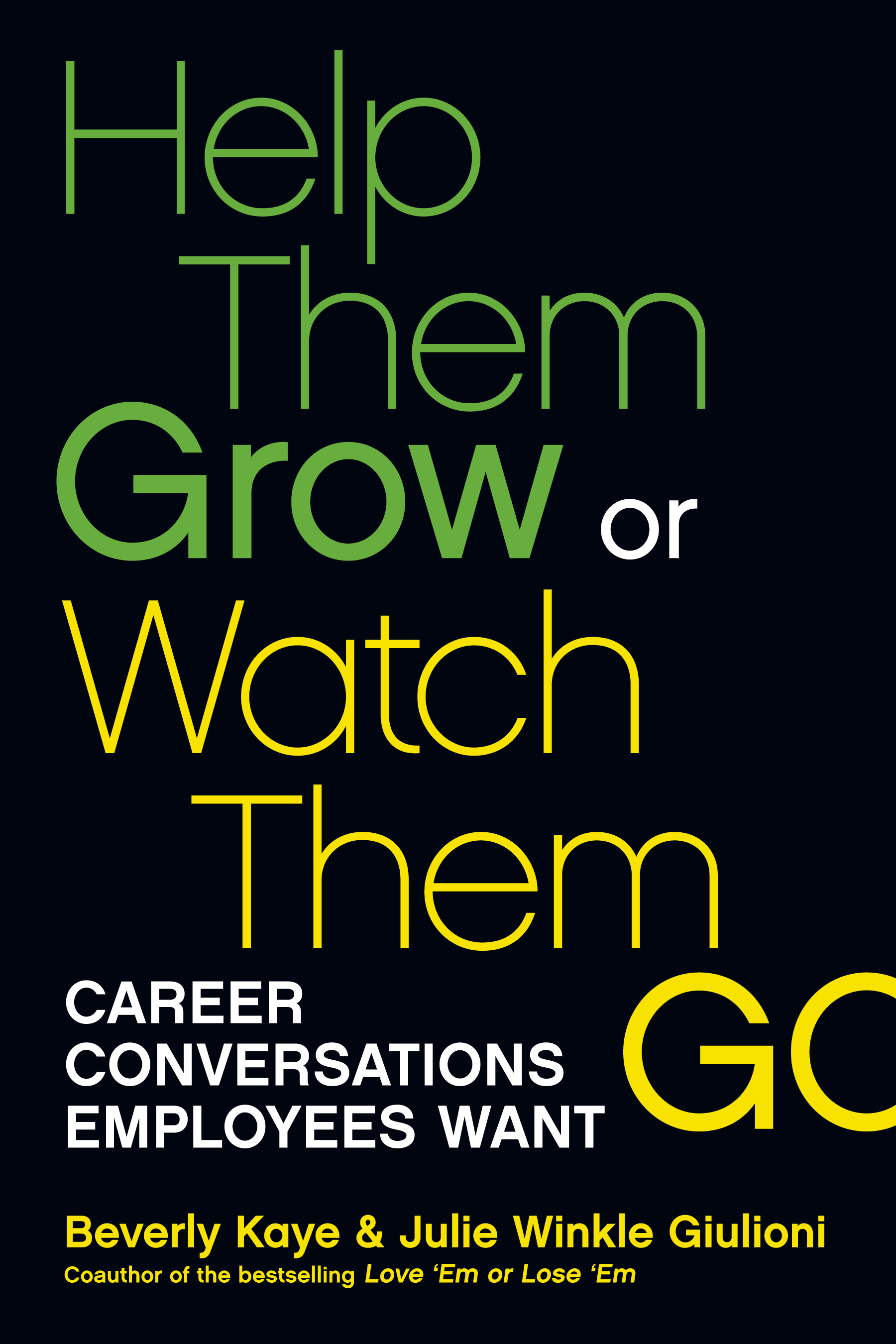 Employee engagement has been a subject that has intrigued me for quite some time. I recently finished reading Help Them Grow or Watch Them Go by Beverly Kaye and Julie Winkle Giulioni. I must say that I now have much more clarity on what employees want and why they want it.
Kaye and Giulioni are the first authors that I have seen write completely from the “coaching” perspective. The coaching philosophy I believe in suggests that results are brought about by answering the curious question. This book is full of questions, and excellent questions at that.
Kaye and Giulioni do an outstanding job of mixing quotes, questions and action items to provide a must read for any leader or manager. Below is a quick summary of the nine chapters that paint a beautiful picture of what your employees are really thinking.
1. Develop Me or I’m History
Whether they have the awareness or not, employees want to know what is next, more specifically, what is next for them. The simple fact is that without a way to grow, they will be unable to grow. Remaining in the same place, doing the same thing, with the same skills is not sustainable.
2. Can We Talk?
How often do you check in with your employees? No, I am not talking about saying hello and goodbye at either end of each day, I am talking about really checking in. How are they doing? What is going well? What needs improvement? Taking the time to sit down with the people that are generating your income tells them they are important and they are valued and that you care about their future.
3. Let Hindsight Light the Way
Looking back and evaluating what worked and what didn’t allows your employees to gain the clarity and focus needed to move forward in a positive way. This type of analysis allows them to use the past to build their future and remember, help them grow or watch them go!
4. Feed Me
I love this one. Employees want feedback. Why? Because it tells them if they are meeting up to expectations. I don’t know how many times I have heard “If only someone would have told me where I was falling short, then I could have done something about it.”
5. What’s Happening?
There is nothing more frustrating than feeling left in the dark. As an owner or employer, you don’t have to tell them everything, but how about enough to keep them engaged. Enough to keep them interested. Do they even know what they are working towards. Give them some ownership and watch them take a little more pride in what they produce.
6. If Not Up … Then What?
It used to be that everyone thought the road to success was a vertical climb. Not so much anymore. Employees are more willing, in fact I believe more wanting, of a balanced career. One that gives them time for their family and personal interests. If more pay comes with more time commitment and stress, you might rethink the job description.
7. Same Seat, New View
If someone has mastered their role, you don’t have to send them up the ladder. They may already be in their sweet spot. But don’t assume this will last forever. Allow them to be creative in their role. Give them more responsibility to use their gifts and talents. This will keep their job fresh and interesting.
8. Advancing Action
This is a big one. As the “boss,” your responsibility is to give the employee a way to grow. It will be their responsibility to do something about it, but you need to create the opportunity. Set a clear course for them moving forward and watch them navigate it successfully.
9. Grow with the Flow
Keep growth in the forefront. Providing a plan and then following up six months later is simply rolling the dice. Keep in constant contact, even if for only a few minutes. This is a way to keep everything in check and provide an opportunity to change course if needed.
As the authors put it; “Grow for it!” Simply put, career development in important. Continual communication and opportunities will result in continual growth and continual success.
A couple of questions for you today. “Have you achieved everything you want for yourself and those working for you? Maybe the more important question is; “What are you doing about it?”
***********************************************************************
Click here to get a copy of my Kindle Book “The Manifesto Of An Influential Leader”
Don’t miss a single post from Building What Matters by subscribing at the top left of this page.
Help support us by clicking here and Liking our facebook page
Barry Smith 11/14/13 photo courtesy of Amazon © Building What Matters 2013
The post Help Them Grow, Or Watch Them Go – What People Really Want appeared first on BUILDING WHAT MATTERS.COM.
]]>The post The Myths Of Creativity – Who’s Idea Is It Anyway? appeared first on BUILDING WHAT MATTERS.COM.
]]>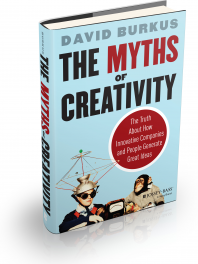 I have been having a lot of fun being part of the launch team for “The Myths of Creativity – The Truth About How Innovative Companies And People Really Generate Great Ideas” by David Burkus. I never really put much thought into the idea of innovation and creativity … or did I?
Burkus has totally changed the way I think about the topic of creativity. He does an outstanding job of describing ten myths that I believe clearly demonstrate that there is creativity within all of us. Most of us just don’t know it.
Many of you know that I am constantly reading. One of the reasons I read is that I think being constantly subjected to the ideas of others helps me to expand my own thinking. Burkus takes this same thought process and shows how our collaboration with others is the real key behind innovative creativity.
I found one of his myths, the Originality Myth, quite interesting. He uses two stories, one about Alexander Graham Bell and the telephone and the other about Steve Jobs and Bill Gates regarding “windows” and the graphical user interface (GUI). If asked “who invented the telephone or the “windows” on your computer, most people would answer with one of the names above. If you want to know the truth – order the book!
But here is the point. All creativity, innovation and all good ideas are really the product of what someone did before them. Bell simply refined what had already been discovered in the telegraph. Gates and Jobs merely expanded on what Xerox had done years before.
In all honesty, I knew there was more to these stories before reading the book, however, my understanding of what creativity really is and how we get creative has changed considerably.
Burkus discusses these ten myths that are really limiting beliefs that keep us from innovation at both the personal and organizational levels. Not only does he reveal these myths, but he provides clear direction on how to overcome the challenges that hold us back. You know I love anyone who battles against limiting beliefs!
I look at myself and the things I have been doing over the last few years. I have been doing things that I never dreamed I would be doing. Creating my own content, developing an entire new career and identity and even constructing this website. I know – nothing special – but it’s mine; I created it.
But here is the point that Burkus makes. None of this was my idea. It is simply a combination of watching, learning, and applying what other people know into what I do. Now here is the sweet stuff – if creativity is really the organization of what other people have already done, in a new way, there is no limit to what we can do.
I have only really pulled the thoughts from one of the myths that Burkus offers in this book. If you have any desire to expand your ability to come up with good ideas and how to turn that into major achievement, grab a copy of The Myths Of Creativity.
My challenge for you today; Don’t be afraid to share your ideas with others. Even if it does not make sense or seem possible, it may spur some similar thinking in someone else and who knows what you might collectively come up with. After reading this book, I realize that no good idea was the product of one thought by one individual. Be that catalyst to the next major breakthrough that comes along. What do you have to lose?
***********************************************************************
Don’t miss a single post from Building What Matters by subscribing at the top left of this page.
Help support us by clicking here and Liking our facebook page
Barry Smith 10/17/13 photo courtesy of Amazon © Building What Matters 2013
The post The Myths Of Creativity – Who’s Idea Is It Anyway? appeared first on BUILDING WHAT MATTERS.COM.
]]>The post Boundaries For Leaders – Part 2: Focus On What You Control! appeared first on BUILDING WHAT MATTERS.COM.
]]>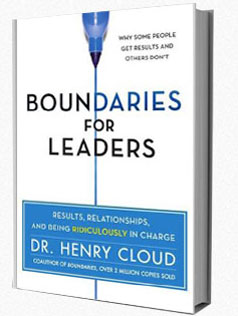 I am currently reading Boundaries For Leaders – Results, Relationships and Being Ridiculously In Charge by Dr. Henry Cloud. Twenty years after he co-authored “Boundaries – When to Say Yes, How to Say No to Take Control of Your Life” Dr. Cloud brings a fresh look to how boundaries relate more specifically to leadership.
Dr. Cloud does an incredible job providing insight on why some people get results and others don’t. Simply stated, when we invest time beyond the boundaries “we should have” we reduce the results we achieve along the way.
Dr. Cloud has taken a complex issue and has broken it down into simple terms that every leader should be able to embrace and implement into their leadership and life style.
This will be the second of three posts exploring what it takes to lead teams, companies and cultures defined by high performance and healthy relationships.
POWER THROUGH CONNECTION
I find it interesting how often we think we are the “only ones” going through a certain challenge. Dr. Cloud brings some great ideas to the surface looking at how we can not only share our thoughts by connecting with others, but can actually change the way we think.
He states that; “improving performance didn’t hinge only on learning new technical skills or on working on the right plan; it depended on changing the team’s mood and improving relationships outside and inside work.“ Working together, connecting as a team, allows us to do this.
THE GATEKEEPER OF THINKING
If you are looking for clarity on the impact between positive and negative thinking, this is the chapter for you. Dr. Cloud makes the following statement: “The prevailing thinking patters of a team or of an organization – its norms and belief systems – will define what it is and what it does.”
A tremendous amount of content and information to process here but the reality is that “positive thinkers” significantly out perform “negative thinkers.” Again, back to what I think is his motto for the entire book “You get what you allow and what you create”, Dr. Cloud shows how the negative thinkers are allowing things to happen while the positive thinkers are creating and making things happen instead of allowing them happen.
CONTROL AND RESULTS
This chapter alone is worth reading this book. Simply put; “Focus your people on what they have control of that directly affects the desired outcomes of the organization.“ Dr. Cloud goes on to say that; “When people’s brains are working at their best, they are more creative, better problem solvers, less reactive, more proactive and goal oriented.”
He further adds that when our thoughts are focused on things that we have no control over, it actually brings our brain functioning down. Focusing on the things that we can control enables and empowers us to create the outcome. Our only actions on things that we don’t control are to allow them to impact us or not. This is typically a matter of choice and should not require a significant investment of time.
This book has really challenged me to take a look at “what I am creating and what I am allowing.” I have already begun to shift my mental efforts into that which I can control with the intent of creating the outcome that I desire.
I offer an exercise from the book that Dr. Cloud had used during training. Take a piece of paper, draw a line down the middle and on the left side, write down all the things you have no control over. On the right side, write down all the things you do have control over. Now evaluate how much effort you are putting into each side.
My challenge: Start moving towards “Right Side” thinking and watch things start to change.
***********************************************************************
Don’t miss a single post from Building What Matters by subscribing at the top left of this page.
Help support us by clicking here and Liking our facebook page
Barry Smith 10/16/13 photo courtesy of Amazon © Building What Matters 2013
The post Boundaries For Leaders – Part 2: Focus On What You Control! appeared first on BUILDING WHAT MATTERS.COM.
]]>The post Is Significance Part Of Your Success Plan? appeared first on BUILDING WHAT MATTERS.COM.
]]> Every day I get several emails claiming that if I buy their program it will lead to success. I don’t know about you but I am getting pretty tired of all these people trying to make me successful. In fact, I don’t know if I am really interested in success anyway.
You are probably thinking that I have gone off the deep end. Wouldn’t be the first time I have been accused of that and probably won’t be the last.
Here is where I’m coming from. I don’t have an issue with people succeeding or with the idea of success. I simply want more. I want significance. This past June, while in Guatemala, John Maxwell made the following statement in one of our training debriefing sessions; “Once you get a taste of significance, you will never settle for success.”
That’s more like it – Significance. I find it interesting that I don’t get any emails that claim to make me significant. I wonder why that is. Maybe because it’s hard to put a dollar amount on significance. Or maybe people don’t care if they are significant as long as they succeed.
I guess the best way to solve this problem is to define success. Try this on for size: “Success is doing something you’ve never done before, that makes you feel like you’ve never felt before, in a place you’ve never been before, with people you’ve never met before”. What do you think?
The picture in this post is of me with four of the orphans that I was blessed to meet while in Guatemala. Some may say that the toys, books and clothes that we were able to provide was a big success. Well, I think it was more than that – It was significant. We made a difference in their lives that day!
There is nothing wrong with success, but I really challenge anyone to take a hard look at what they are doing with whatever “success” they feel they have achieved, and tell me what the greater good there is in it.
That’s the difference between success and significance. Success is about you and significance is about everyone else. In building my business, I look at everything I do and ask a simple question; “What’s in it for them?”
That question allows me to train, speak, coach and write with the intent of adding value to others. The paycheck is a bi-product. Sure I have bills to pay just like everyone else but when I focus on the giving part of the equation, the receiving takes care of itself. Not always right away, but it does come back.
Zig Ziglar was spot on when he said; “You can have everything in life that you want, if you will just help other people get what they want.” I want for others to experience that same thing I desire – to be significant. At the end of the day, what people desire most is to feel valued. What is the best way to do that? By believing in them.
I don’t know what your business model is, and I don’t know what your definition of success is. But this I know – if your success plan does not make you significant, your are short changing yourself and your clients or customers.
A challenge for you today – review your definition of success, your mission statement or your business plan. I hope you have at least one of these. If they do not show a clear path to significance, take the time to make the revisions necessary so you can become significant.
The numbers to the left of your checking account balance give a true statement of what you have. The number of lives that you have positively impacted gives you the real value of your significance. I guess I will throw in a question today; “Which numbers are you more interested in?”
***********************************************************************
SAVE THE DATE: On October 10th, John will be doing a WEBCAST to teach from his new book and introduce the Maxwell Leadership Assessment. CLICK HERE TO REGISTER FOR THE WEBCAST
Don’t miss a single post from Building What Matters by subscribing at the top left of this page.
Help support us by clicking here and Liking our facebook page
Barry Smith 9/23/13 photo by author © Building What Matters 2013
The post Is Significance Part Of Your Success Plan? appeared first on BUILDING WHAT MATTERS.COM.
]]>The post Is There A Risk With Every Reward? appeared first on BUILDING WHAT MATTERS.COM.
]]> Do any of these sound familiar? “Don’t take the risk.” “It’s too risky.” “You have too much to risk.” Through our childhood years, the word risk is equated almost always to danger. Yet when we get older the mantra changes to “No risk, no reward.” Why is that?
I think when we are young, we don’t know any better. We are not yet aware of the things that can hurt us. Unfortunately, for many of us, that mindset never changes. We grow into our adult years still believing that “risk” is just another four letter word we need to avoid.
Warren Buffet said; “Risk comes from not knowing what you’re doing.” So does that mean that the only reason that we don’t take risks is because we don’t know what we’re doing?
I think I follow Buffet’s wisdom on this. If we know exactly what we are doing, we don’t eliminate the risk, but we certainly reduce it. So how about a few more phrases … “calculated risk”; “controlled risk” or “limited risk.”
OK, I’m already tired of the word. No more risk!
Oh, I forgot – No risk, no reward!
There has been much written lately about failure and how it is really a part of every success story in one way or another. John Maxwell’s next book, “Sometimes You Win, Sometimes You Learn” comes out next month and it is all about learning from our failures. I listened to this months Success Magazine CD and three interviews about – you guessed it – failure. Everyone’s writing about failure.
If you are familiar with the Success CD’s, you know that Hardy does a short wrap up at the end of each issue. He made a comment that took the dim light in my head from about 10 watts to 100 watts with this statement; “The best way to massive success is through massive failure.” Ok, full transparency here – it was more like slowly turning up the dimmer switch.
I was so excited that all I had to do to succeed was fail, that I almost missed the real meaning here. If I fail enough times and learn from them, eventually I will succeed.
One of the things I am currently working on is building my client base. So I thought some more about Hardy’s comments and decided that I have a new goal. I am going to fail 100 times by the end of the year in getting a new client. (If you are reading this and get a phone call from me in the next few months, don’t feel like you have to be one of the 100.)
Here’s the real “aha” in all of this. I didn’t get it at the time, but the following day I was on a call with my coach and after explaining this great discovery, she made this observation; “Looking for No’s takes the fear out of rejection.” BOOM!
So what does this mean? It means that I am crystal clear on my objective – “to receive a no.” The risk has been reduced (even if it’s only in my own mind) about failing to get a yes. Therefore, the limiting beliefs that may have held me back in the past, waiting for that “perfect client” or worse yet, “waiting for that person to call me” are gone.
I want a “NO.” Remember what Hardy said – Massive Success comes through Massive Failure. My favorite President, Theodore Roosevelt, said; “It is impossible to win the great prizes in life without running risks.” He was right. It not’s going to come easy and nobody is going to do it for you.
So is there a risk with every reward? Probably not every one. But this I believe – the big rewards come with some kind of risk. Today’s question: “How much are you willing to risk?”
It’s bonus Friday, so you get a question and a challenge, so here it is. There is a risk you have not been willing to take. You know what it is. Don’t be afraid of taking the risk. Educate yourself on what it is you want to do and go for it. If you get your “no”, you can try again.
Now don’t tell anyone that I wrote this last paragraph because this post is about risk and being good with receiving a “NO.” OK – I am whispering now “What if they say yes!”
***********************************************************************
Don’t miss a single post from Building What Matters by subscribing at the top left of this page.
Help support us by clicking here and Liking our facebook page
Barry Smith 9/13/13 photo by author © Building What Matters 2013
The post Is There A Risk With Every Reward? appeared first on BUILDING WHAT MATTERS.COM.
]]>The post September Best Of The “Lead With Giants” Community Is Here appeared first on BUILDING WHAT MATTERS.COM.
]]> One of the services I provide is facilitating Mastermind Groups. I have facilitated many on John Maxwell materials such as “The 15 Invaluable Laws of Growth”, “Everyone Communicates Few Connect”, and “The 21 Irrefutable Laws Of Leadership.” I have additionally used resources such as Napoleon Hill’s “Think and Grow Rich.”
The titles, although important, do not provide the real power of this type of collaboration. The real power comes from the participants.
If you are involved at all in social media networking, you are no doubt, familiar with on-line groups on LinkedIn, Facebook and Google + communities. One that I am involved in is the “Lead With Giants” community created and administered by Dan Forbes.
Dan has done an incredible job creating a community including participation from across the globe. The thought leaders within this group collaborate on a daily basis on issues relative to Leadership Development and how we, as a group and individually, can add value to the bigger community at large.
One feature Dan has added as a resource is a monthly issue of “The Best Of Lead With Giants.” A compilation of the best blog posts of the previous month from within the community.
Many people view the various tools of social media as a way to “update their status.” Others, like in the Lead With Giants Community are using it to learn from each other, build their businesses and add value to those around them.
Being involved in any like-minded community, live or virtual, will provide many opportunities that you can’t provide alone.
To see the September issue of The Best Of Lead With Giants click here
***********************************************************************
Don’t miss a single post in this series from Building What Matters by subscribing at the top left of this page.
Help support us by clicking here and Liking our facebook page
Barry Smith www.buildingwhatmatters.com 9/1/13 photo courtesy of Lead With Giants
The post September Best Of The “Lead With Giants” Community Is Here appeared first on BUILDING WHAT MATTERS.COM.
]]>