The post What The Boy Scouts Taught Me About Memorial Day appeared first on BUILDING WHAT MATTERS.COM.
]]> One of the things I miss the most about being a Boy Scout leader is the Memorial Day Flag Plant that we participated in every year. On Memorial Day, we would head up to Willamette National Cemetery in Portland and along with the boys, would clean off the grave markers, plant a flag and audibly say the names of those who had served our Country.
At first glance, the markers look much like those that can be found in any cemetery. Name, date of birth and the date that there life here on earth came to an end. Then you look a little harder. In this cemetery there are many markers that only show a life span of twenty or thirty years.
Many don’t come home.
I realize that most that serve this Country, serve for a period of time and then get discharged to civilian life. Many, however do not. Many don’t come home. Many kiss their loved one’s goodbye and never make it back to say hello again.
You don’t see these stories at the cemetery but you know they exist. It is quite a moving experience to hear the boys say the names and even for the young ones that might not fully understand what some of these great men and women went through, you can sense a certain reverence that you would not hear otherwise.
“The graveyard is the richest place on earth, because it is here that you will find all the hopes and dreams that were never fulfilled, the books that were never written, the songs that were never sung, the inventions that were never shared, the cures that were never discovered, all because someone was too afraid to take that first step, keep with the problem, or determined to carry our their dream.” – Les Brown
Les makes a great point. There are not only the stories of what did happen that we can only speculate upon, but also the stories that never took place. I am a big fan of stories and I think everyone has a story that can add value to others and that story should be shared.
You have the freedom to tell your story – so tell it!
We all have a story for what has already taken place but I am more concerned about the story that has not happened yet – the story you can still write. I know in the United States, there are men an women who have committed their lives to make sure that I maintain not only the freedom to tell my story, but the freedom to create it of my own free will.
If you want to truly honor the men and women that serve your Country, be willing to serve others by creating a story worth telling – live it and tell it. Look back on the quote above. What part of your story has not been written yet? Isn’t it worth writing?
What if only 10% of the book you are reading had words in it?
It has been said that man will only reach ten percent of his potential during his lifetime. How would you feel if when digging into the last book you purchased, you found that only ten percent of the pages had words on them?
Picture your life as a book. The past has already been written and no matter what are in those pages, everyday starts with a blank sheet of paper. What will you write?
Today’s Challenge: Start writing and think and dream big while you do it. There is no greater way to give back to those that have gone before you than to make the most out of the life you have been blessed with.
Today’s Shout Out: Thanks to all those serving their Countries, past and present.
***********************************************************************
===> LEADERSHIP by INVITATION now available on AMAZON <===
Click here to get a copy of my Kindle Book “The Manifesto Of An Influential Leader”
Don’t miss a single post from Building What Matters by subscribing at the top left of this page.
Help support us by clicking here and Liking our facebook page
Barry Smith 5/27/14 photo by author © Building What Matters 2014
The post What The Boy Scouts Taught Me About Memorial Day appeared first on BUILDING WHAT MATTERS.COM.
]]>The post Leaders Eat Last – Part 4; Serving Those That Serve Others appeared first on BUILDING WHAT MATTERS.COM.
]]>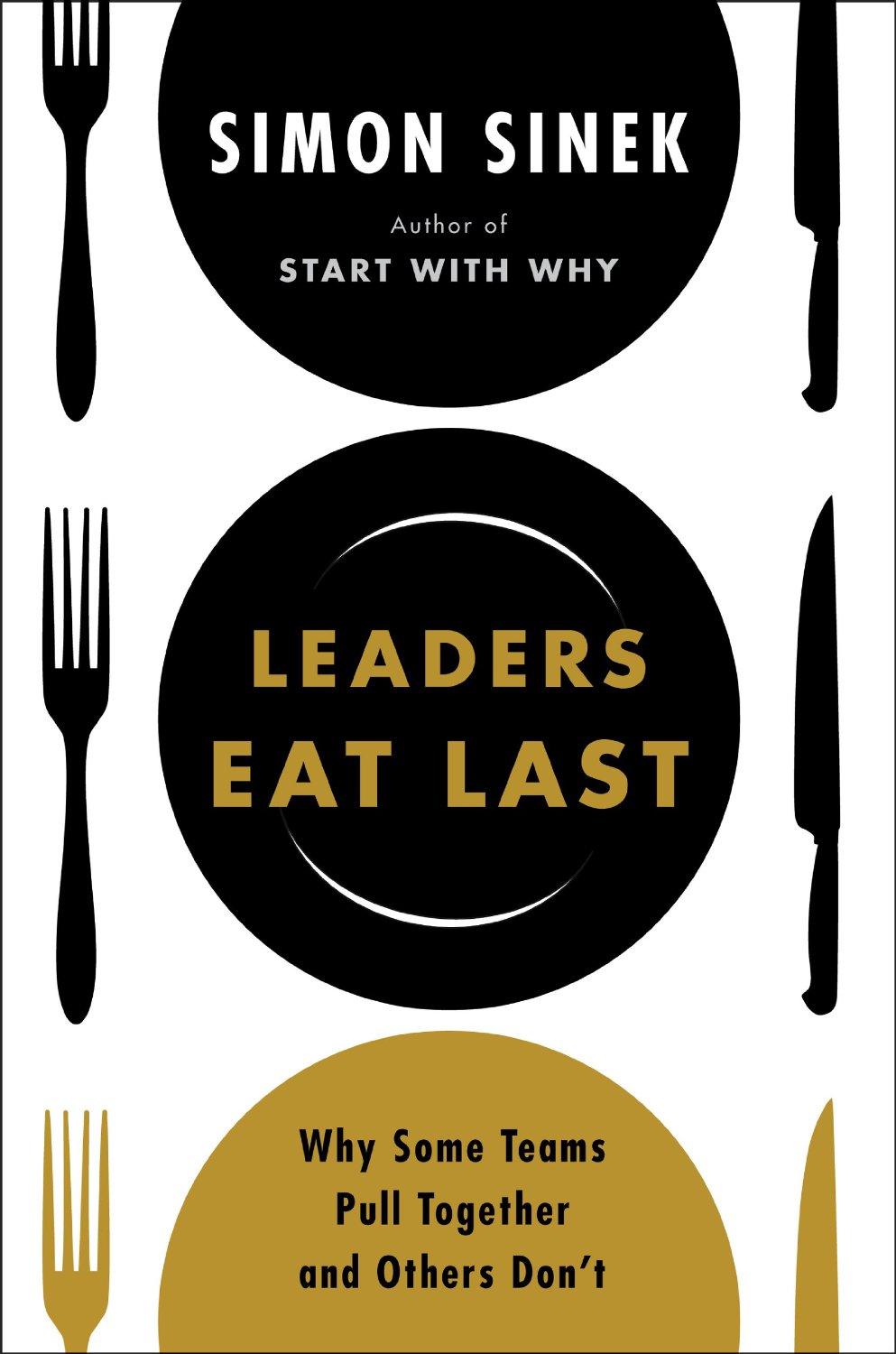 This month, in The Platform Builders Mastermind group, we are working our way through Simon Sinek’s recently released “Leaders Eat Last – Why Some Teams Pull Together and Others Don’t.”
Sinek, the author of Start With Why, provides a deep look into what creates the most effective teams and more importantly, what keeps them working together, even during the most difficult of times.
This is one of those books that will take you a little bit longer to read because so many thoughts require you to take another look, just to make sure you understood the power behind them. A phenomenal effort by Sinek, Leaders Eat Last not only looks at the dynamic of the team but of the individuals that make up that team.
What really sets this book apart is Sinek’s unique look at why some people make good leaders and others don’t and the “why” behind the results they get. In this post, the final of four, I will attempt to capture the basic thoughts of the eight parts of the book.
PART 7: A SOCIETY OF ADDICTS
AT THE CENTER OF ALL OUR PROBLEMS IS US – A very enlightening chapter that explains a lot about some of the cultural problems we are facing and how they translate into the way we lead. Our desire for immediate gratification has taken many of us off our A-game.
Sinek makes a great observation when he says, “Leadership is about taking responsibility for lives and not numbers. Managers look after our numbers and our results and leaders look after us.” Seems like we currently have a shortage of leaders.
AT ANY EXPENSE – The demand for results, and achieving them now, has thrown us completely out of balance. Dopamine is a good thing when taken in moderation. Unfortunately, the recognition for achievement had created an addiction that is as contagious as the plague.
I have to go back to one of the statements I made in an earlier post. We have moved from a collaborative to a competitive culture and the desire, and demand, to keep up with the Jones’ has resulted in a somewhat overlooked epidemic of dopamine addiction.
THE ABSTRACT GENERATION – This chapter really hit home for me. I have often described Generation Y as the entitlement generation. I don’t know that I would go back on that statement entirely, but I do have a very different perspective after listening to what “Simon says.”
Our culture of immediate gratification has created a generation that expects things to happen now – so why wouldn’t they expect that? The difference is that I understand more of the why behind their actions and attitude and realize that success will not come from changing them, but from embracing them and using the strengths they do bring to the table.
PART 8: BECOMING A LEADER
STEP 12 – An interesting comparison the the alcoholics anonymous 12 step approach to recovery. The great point made by Sinek here is that service is the key to breaking the dopamine addictions in our organizations. Serving puts the real focus back on the people and not on the numbers and the interesting thing is that focusing on the people has actually shown to produce the numbers.
SHARED STRUGGLE – This was a great chapter! The idea is that we ultimately perform our best when we are backed into a corner and have no other choice than to depend on those around us to get through the current challenge. The power of working collectively as a team, sharing in the struggle, has a special way of bringing out the best in us. Oxytocin anyone?
WE NEED MORE LEADERS – How about this gem from Sinek: “Leadership is not a license to do less; it is a responsibility to do more.” We have lots of “leaders” in our lives, unfortunately not all of them are leading.
Sinek continues to finish strong, suggesting that leadership is about “committing to the well-being of those in our care and having the willingness to make sacrifices to see their interests advanced so that they may carry our banner long after we are gone.” And then closes the book with what I consider a very powerful “call to action” for all of us …
LET US ALL BE THE LEADERS WE WISH WE HAD
– Simon Sinek (TWEET THIS)
We were honored to have Simon join The Platform Builders on a call this week as we wrapped up our mastermind study on the book. All I can say is WOW! He added so much value to our tribe in just a short while. One golden pearl of wisdom and inspiration after another. There will several takeaways but I will leave you today with this one, “True fulfillment comes from serving those that serve others.” (Tweet This)
That statement came along with the story of his trip home from Afghanistan on a Military flight in which he shared the back end of the plane for nine hours accompanied by only the flag draped casket of a fallen soldier. His reflection … “You want to talk about a life impacting experience that puts things in perspective!” We still have much to hear from Mr. Sinek and I for one, can’t wait!
***********************************************************************
===> JOIN THE “LEADERSHIP BY INVITATION” LAUNCH TEAM <===
Click here to get a copy of my Kindle Book “The Manifesto Of An Influential Leader”
Don’t miss a single post from Building What Matters by subscribing at the top left of this page.
Help support us by clicking here and Liking our facebook page
Barry Smith 3/28/14 photo courtesy of amazon © Building What Matters 2014
The post Leaders Eat Last – Part 4; Serving Those That Serve Others appeared first on BUILDING WHAT MATTERS.COM.
]]>The post Leaders Eat Last – Part 2; A Leader’s Environment appeared first on BUILDING WHAT MATTERS.COM.
]]>This month, in The Platform Builders Mastermind group, we are working our way through Simon Sinek’s recently released “Leaders Eat Last – Why Some Teams Pull Together and Others Don’t.”
Sinek, the author of Start With Why, provides a deep look into what creates the most effective teams and more importantly, what keeps them working together, even during the most difficult of times.
This is one of those books that will take you a little bit longer to read because so many thoughts require you to take another look, just to make sure you understood the power behind them. A phenomenal effort by Sinek, Leaders Eat Last not only looks at the dynamic of the team but of the individuals that make up that team.
What really sets this book apart is Sinek’s unique look at why some people make good leaders and others don’t and the “why” behind the results they get. In this post, the second of four, I will attempt to capture the basic thoughts of the eight parts of the book.
PART 3: REALITY
THE COURAGE TO DO THE RIGHT THING – Sinek tells the story of an air traffic controller that broke the rules and as a result, saved over a hundred lives. The point of the story is that sometimes it’s ok to break the rules, because it’s the right thing to do.
The bigger point of the story is that we have created a culture of non-thinking rule followers that use those very rules to justify making the wrong decision just because “that’s what they were told to do.” Sinek goes on to discuss the idea of trust and offers this great thought: “We don’t just trust people to obey the rules, we also trust that they will know when to break them.”
SNOWMOBILE IN THE DESERT – Another great chapter! We are the most advanced creature on the planet and yet, have the most difficult time working collaboratively towards common goals. Sinek suggests that people are not the problem in most cases when discussing our cooperative efforts.
Our culture is so competitive that in most of the environments that we work in, we are judged on personal performance. This creates a natural condition pushing us to do better than the next guy. Sound like looking our for #1 to me. Create an environment in which your people can thrive, and they will! (Tweet This)
PART 4: HOW WE GOT HERE
THE BOOM BEFORE THE BUST – This is Sinek’s look at how the economic health of the nation has impacted leadership. The roaring twenties were a time of prosperity and wealth never seen before. Then the stock market crash hit in 1929 beginning a depression lasting until nearly 1942. Going to war is widely accepted as the event that pulled us out of that depression.
The point he makes is that like in anything, there has to be balance. He makes a great comparison between the good times and the bad – at least from a leadership perspective. The generations that have produced great security and stability have focused on leadership and service, not excess and consumerism. Hmm, isn’t that interesting!
THE BOOMERS ALL GROWN UP – Sinek takes a look at the three stock market crashes we have endured since the baby boomers took over running government and business. There has clearly been a shift to the idea that people are as disposable as products. We have moved away from a strong sense of community and now focus on protecting “what is ours.”
This may be one of the strongest thoughts in the book – “There are smart executives running companies and managing systems, but there seems to be a distinct lack of strong leaders to lead the people.” I wonder if the leaders still exist but there no longer exists a job description that includes them. Just sayin’
Here is Sinek’s bottom line that I take away from this section of the book. “It’s not how smart the people in the organization are; it’s how well they work together that is the true indicator of future success or the ability to manage through struggle.”
Read that again and just think about it for a minute. Does it apply to your current environment?
***********************************************************************
Click here to get a copy of my Kindle Book “The Manifesto Of An Influential Leader”
Don’t miss a single post from Building What Matters by subscribing at the top left of this page.
Help support us by clicking here and Liking our facebook page
Barry Smith 3/13/14 photo courtesy of amazon © Building What Matters 2014
The post Leaders Eat Last – Part 2; A Leader’s Environment appeared first on BUILDING WHAT MATTERS.COM.
]]>The post September Best Of The “Lead With Giants” Community Is Here appeared first on BUILDING WHAT MATTERS.COM.
]]> One of the services I provide is facilitating Mastermind Groups. I have facilitated many on John Maxwell materials such as “The 15 Invaluable Laws of Growth”, “Everyone Communicates Few Connect”, and “The 21 Irrefutable Laws Of Leadership.” I have additionally used resources such as Napoleon Hill’s “Think and Grow Rich.”
The titles, although important, do not provide the real power of this type of collaboration. The real power comes from the participants.
If you are involved at all in social media networking, you are no doubt, familiar with on-line groups on LinkedIn, Facebook and Google + communities. One that I am involved in is the “Lead With Giants” community created and administered by Dan Forbes.
Dan has done an incredible job creating a community including participation from across the globe. The thought leaders within this group collaborate on a daily basis on issues relative to Leadership Development and how we, as a group and individually, can add value to the bigger community at large.
One feature Dan has added as a resource is a monthly issue of “The Best Of Lead With Giants.” A compilation of the best blog posts of the previous month from within the community.
Many people view the various tools of social media as a way to “update their status.” Others, like in the Lead With Giants Community are using it to learn from each other, build their businesses and add value to those around them.
Being involved in any like-minded community, live or virtual, will provide many opportunities that you can’t provide alone.
To see the September issue of The Best Of Lead With Giants click here
***********************************************************************
Don’t miss a single post in this series from Building What Matters by subscribing at the top left of this page.
Help support us by clicking here and Liking our facebook page
Barry Smith www.buildingwhatmatters.com 9/1/13 photo courtesy of Lead With Giants
The post September Best Of The “Lead With Giants” Community Is Here appeared first on BUILDING WHAT MATTERS.COM.
]]>The post Give And Take – Part 3: Even Takers Can Be Generous appeared first on BUILDING WHAT MATTERS.COM.
]]>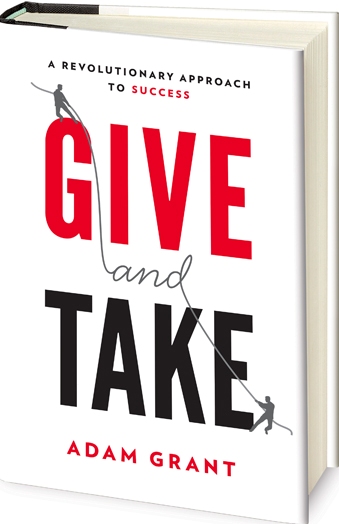 I recently finished reading “Give And Take – A Revolutionary Approach To Success” by Adam Grant. I was not familiar with the book or the author but Give and Take came highly recommended by Jeremey Donovan who wrote “How To Give A TED Talk” that I reviewed earlier this year.
Rarely do I read a book in which I am not familiar with the author or the content. In the case of Give and Take, I’m glad I did. Grant has taken a very unique look at the difference between givers and takers and how different paths lead to different results.
This will be the final of three posts in which I will briefly summarize each of the nine chapters. Grant suggests that most people fall into one of two categories; givers and takers. Matchers are the in-between group and operate on the principal of fairness and strive to preserve an equal balance of giving and getting.
CHUMP CHANGE – Overcoming The Doormat Effect
In chapter seven, Grant shows how to avoid the three major traps that plague many givers in relating with other people: being too trusting, too empathetic, and too timid. He describes how to avoid these risks and overcome them by acting less selfless and more otherish.
Speaking from my own shortcomings, always seeing the good in people even when it resulted in making the wrong decision, I can see how by doing this we can become doormats. We believe that at heart, people are good or are trying to do good. Unfortunately, this is not always true.
In short, we can be givers but at the same time be assertive for what we believe will improve ourselves in the effort to become better givers. Thus we can work on our own forward movement while still maintaining a giver’s attitude.
THE SCROOGE SHIFT – Why a Soccer Team, a Fingerprint, and a Name Can Tilt Us in the Other Direction
Did the chapter subtitle get your attention? Chapter eight has Grant telling a few stories showing how takers begin to change when they see how giving can make a difference.
This can happen when the givers and takers meet on common ground, such as a soccer field. There is a sense of community when we hold common interests in each other. That common interest can actually create a shift in the takers when “giving” will benefit the community they belong to.
Not enough room to share the entire concept here but this I know; the Reciprocity Ring can be a real life changer. What’s a Reciprocity Ring? C’mon now, I know I should be generous, but I can’t give everything away!
OUT OF THE SHADOWS
Grant closes the book by restating the idea that if you “focus attention and energy on making a difference in the lives of others, success might follow as a by-product.” He has definitely proven his point.
He sums it up like this (at least from the perspective of a giver); “Whereas takers view success as attaining results that are superior to others’ and matchers see success in terms of balancing individual accomplishments with fairness to others, givers are inclined to characterize success as individual achievements that have a positive impact on others.”
This book has really opened my eyes to the logic that sits behind our “giving.” These three chapters have shown how there is still hope for the takers in the world. Grant asserts that most of us are matchers which has helped me come to the conclusion that the real difference makers in this world we live in are the Self-Confident Givers.
This is just me theorizing from my takeaways from the book but I believe the givers that suffer from low self esteem are likely to be the doormats while the self-confident givers are the ones that will become more otherish and succeed. Just a thought!
I am going to stick with the same question I had last week. Why? Because I think you might just answer it a little more intentional this week – “What are you currently doing to empower those around you and what are you doing that tell them that you believe in them?” It will be the self-confident givers that take you and your team to the next level.
- click here and take The Give And Take Assessment.
- Click here to read Part 1
- Click here to read Part 2
***********************************************************************
Don’t miss a single post from Building What Matters by subscribing at the top left of this page.
Help support us by clicking here and Liking our facebook page
Barry Smith 8/21/13 photo courtesy of Amazon © Building What Matters 2013
//
The post Give And Take – Part 3: Even Takers Can Be Generous appeared first on BUILDING WHAT MATTERS.COM.
]]>The post Employee Engagement – Who Is Responsible? appeared first on BUILDING WHAT MATTERS.COM.
]]> Are you engaged at work? Are your employees engaged at work? The more I read and study the idea of employee engagement, the more I have become convinced that engagement is not only the problem of the employer, but the responsibility.
For anyone to be engaged in what they are doing, at least in the long term, they need to have a passion or at least an interest in what they are doing. I can’t say that I personally know any call center operators or telemarketers, but my guess is that not too many of them are “lifers.” Nothing against those professions, but it seems to me that the ceiling for advancement would be fairly low.
I will admit, a lot of this post is based on my opinion, but hey it’s my post so I guess I can share what I think based on my observations. The people that I have seen engaged in their work, are passionate about what they are doing and are interested and even invested in the outcome of their efforts.
On the other side of the fence are those that simply are at a “transitional” place of employment. You know the guy – the one who was “looking for a job when he found this one.”
Now I have been around long enough to realize that in most cases, ALL your employees are not committed to “being here forever” and at some point in time they will leave.
So how is an employer supposed to feel comfortable knowing that they are training and investing in their employees knowing that they will someday take those skills somewhere else?
Well I guess you don’t ever get comfortable but what can you do in the meantime? Anyone who has studied the idea of engagement knows that the “paycheck” is not the real motivation for most employees.
What motivates employees is to be valued, recognized for their achievements and to be given ownership in what they are doing. In addition, those businesses that emphasize balance and family are much more likely to have engaged employees.
I have had the opportunity to work on projects at Intel and Nike in the past and both companies go over and above to create a work environment favorable to the person working there. In fact, this is one of the things emphasized when recruiting potential employees. They get it – create a space that the employee WANTS to be at and they will get an engaged employee.
So what does all this mean? Well, it means that if you want to hire for the long haul, you better find out what motivates your people. I have posted numerous times about the “why” that drives us and knowing that it is hard enough just to identify our own why, it is that much more difficult to identify the why of your employees.
I have been in the business world for over thirty years and have seen people come and go over that time. In my opinion, the ones that stay are one of three things; (1) afraid to go anywhere else, (2) there because they they are alright with complacency and have no desire to disrupt their repetitive world, or (3) they are passionate about what they are doing and where they are doing it at.
So if you are an employer, take a look at your employees and see if you can figure out which one of these groups they fall into. If you work for someone else and you are not in the third group then ask yourself this question; “Why am I not engaged in what I am doing and what would it take to be engaged?”
The bottom line is that satisfied employees are not only more engaged, they are more productive. So whose responsibility is it for employee engagement? If you want your business to be successful, you better make it yours.
***********************************************************************
Don’t miss a single post from Building What Matters by subscribing at the top left of this page.
Help support us by clicking here and Liking our facebook page
Barry Smith 7/15/13 photo by author © Building What Matters 2013
The post Employee Engagement – Who Is Responsible? appeared first on BUILDING WHAT MATTERS.COM.
]]>The post Who Are You? – Overcoming The Culture Conflict appeared first on BUILDING WHAT MATTERS.COM.
]]>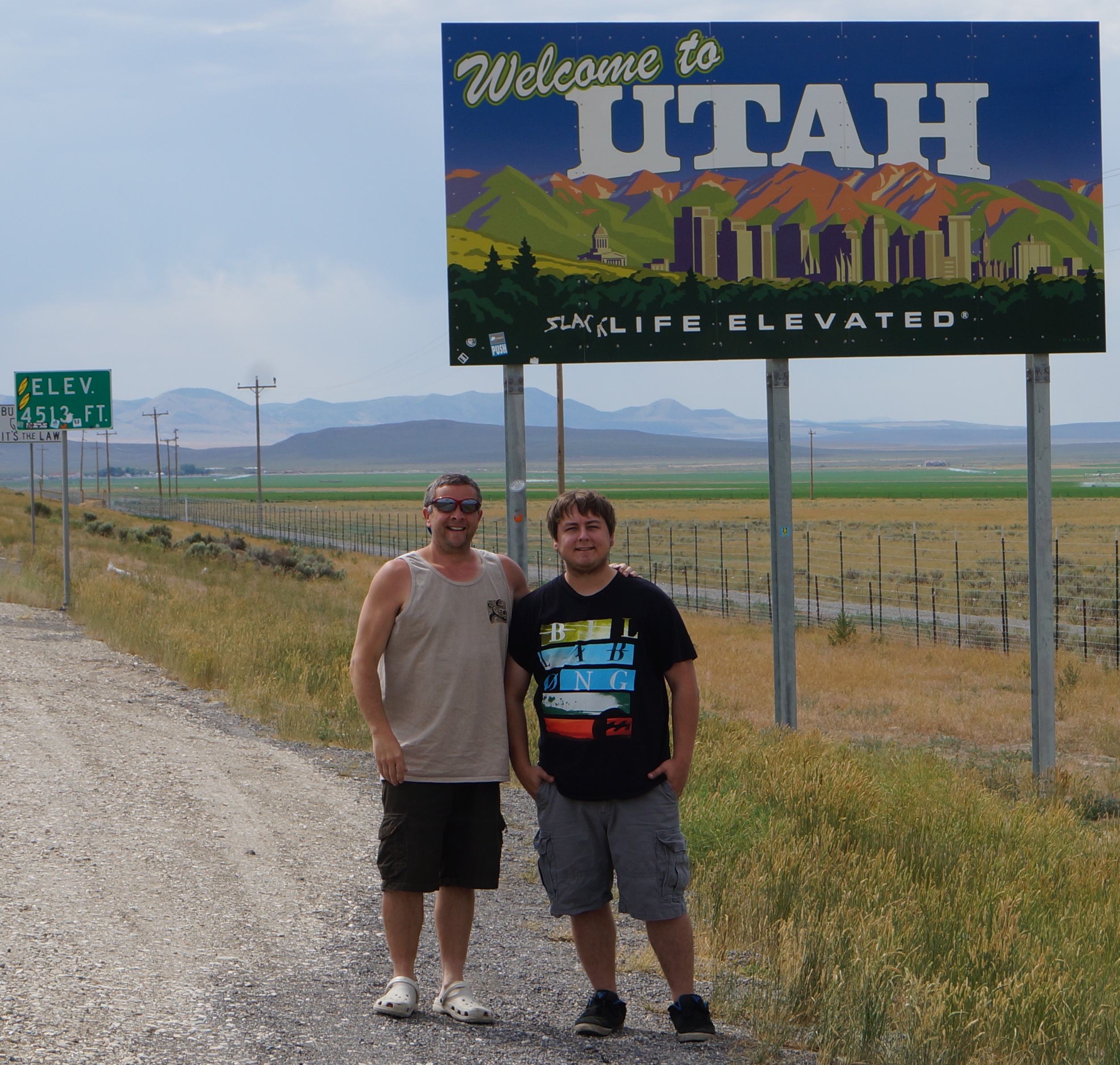 My son Spencer and I are two days into a week long, seven state journey that will take us to Mt. Rushmore and back to the Pacific Northwest.
One of the things I like most about traveling is seeing how people live differently in different parts of the country. If you asked a foreigner to explain the American culture, you would probably get a wide variety of answers but they would all be fairly similar in concept.
I believe this is very far from the truth. I think no matter where you travel in the United States, you see vastly different cultures. Every area has it’s own unique characteristics that set it apart from the rest of the Country.
Today we traveled from Boise, Idaho down through Salt Lake City, Utah and settled in for the night at a campground on the west side of Wyoming.
Most of you are probably aware that the state of Utah has a large Mormon population and as today was Sunday, we noticed very little traffic outside of the interstate. I know there are places in the midwest that share similar policy about shutting down on Sunday in reverence of their religious beliefs.
This is just an example of how one area lives out their unique culture and how that way of living shapes it’s residents for the future.
So is this a good thing or a bad thing? I am sure that you have heard the expression “small town mentality” to describe those that pretty much accept the way things are and don’t have a big vision for any change in the future.
I believe to a certain extent, we are all small town thinkers. We all have been preconditioned to believe that things are the way we have experienced them.
I don’t think our past needs to predict our future. In fact, I am of the belief that we can create our own future, no matter what culture we have grown up in.
My son Spencer is going to be a junior at Boise State University this fall and last night we discussed his future and what that might look like. No, he has not totally identified his future path but he has a pretty good idea and he knows what he is passionate about. I think that is a pretty good start for a 20 year old.
The thing is “he get’s it.” Spencer understands that he can create his future and that the only thing that can really get in his way is himself. The culture he was brought up in may have molded and shaped who he is, but the final sculpting will be by his own hands.
Two thoughts today: If you think that the culture you grew up in or have been in living in for a while will produce your identity, you are wrong. You and you alone, will be the author of your story and tomorrow hasn’t been written yet. What will be written is up to you.
My other thought is for you dad’s out there. When your kids take off for college or simply move out of the house, you lose the opportunity to have a lot of face to face conversations with them. Cherish every opportunity you have and be intentional about keeping the lines of communication open with your children. Remember, it doesn’t matter how old they are, you’re still their parent.
***********************************************************************
Don’t miss a single post from Building What Matters by subscribing at the top left of this page.
Help support us by clicking here and Liking our facebook page
Barry Smith 7/8/13 photo by author © Building What Matters 2013
The post Who Are You? – Overcoming The Culture Conflict appeared first on BUILDING WHAT MATTERS.COM.
]]>The post Leadership By Invitation – Thinking For Transformation appeared first on BUILDING WHAT MATTERS.COM.
]]>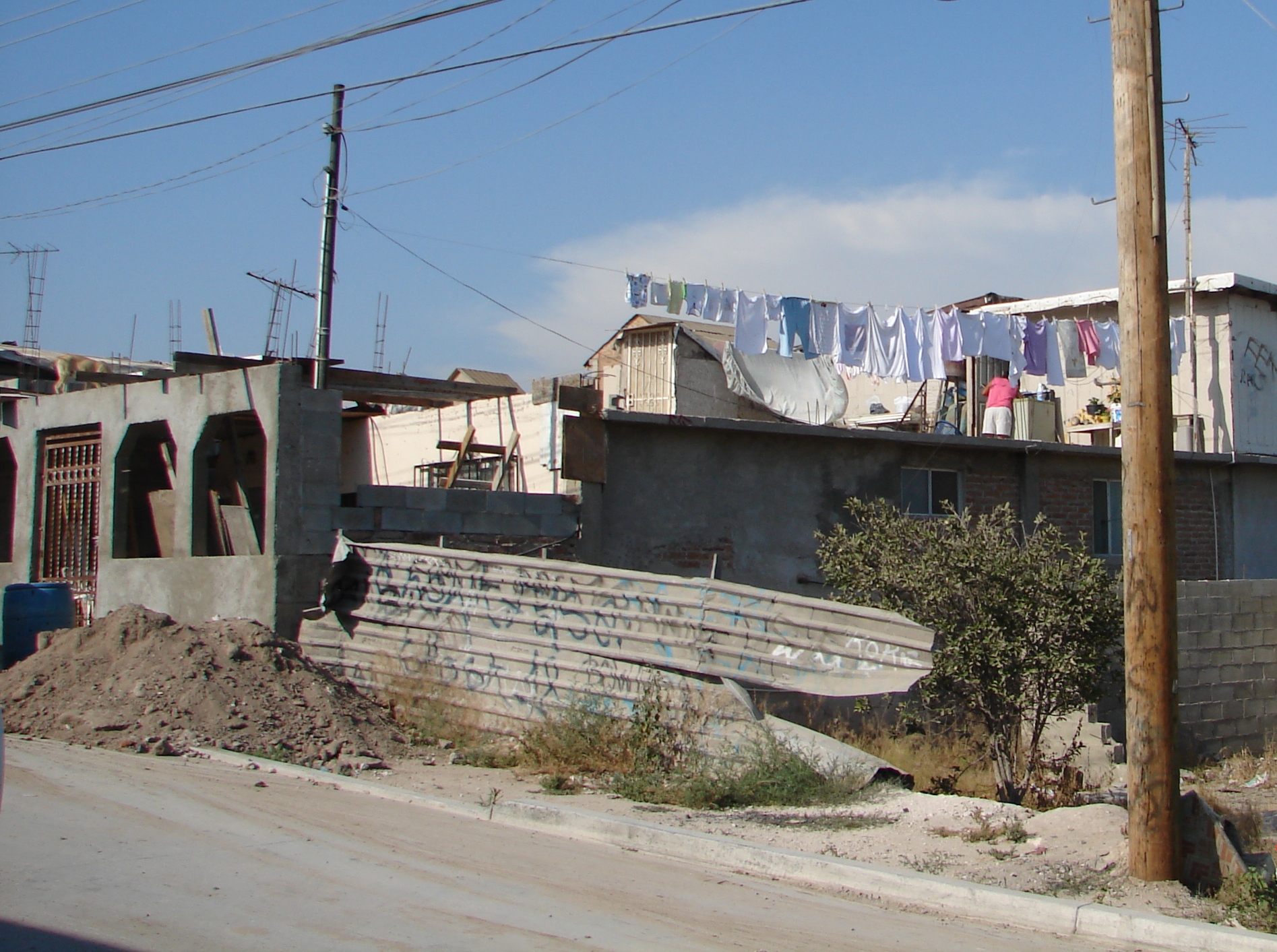 As I draft this post, I am T-minus 48 hours from getting on a plane headed to Guatemala to participate in an experience that will no doubt change my way of thinking, but also change the way an entire Country thinks and functions.
I will be travelling as part of a team put together by John Maxwell’s non-profit organization EQUIP. The Government of Guatemala reached out to EQUIP about a year ago recognizing that they needed help in creating a better environment for their people that is more conducive to growth and prosperity.
June 12th, 2013 has been declared “National Transformation Day” for the entire Country of Guatemala. Imagine the undertaking of Transforming National Leadership. The thing that gives me confidence that this venture will succeed, is that the Government invited us to do this.
If you are not familiar with Guatemala, it is owned and run by a handful of families who most likely deal with few of the struggles that the majority of their 15 million residents do.
So why would these leaders choose to do what so many other 3rd world country leaders have not and invest their time and resources to improve their Country for their people? I believe it is because they are thinking for a change.
On the cover of John Maxwell’s “Thinking For A Change”, Ken Blanchard provides this quote; “If you want to go places you’ve never been before – you have to think in ways you’ve never thought before.”
The most impressive thing to me about the events that have led up to this event is the way this invitation was presented to John. The President of Guatemala asked specifically that EQUIP train the Country’s educators in leadership skills. Here it comes … But we want you to start with us – the Government.
This has not been a request to come teach others to do the work. It is a request to start at the top. The Guatemalan Government recognizes that, as John has stated so many time before; “Everything rises and falls on Leadership.” They recognize that they need to improve as leaders if they want their educators, and their Country, to change. This is thinking for a change. This is Transformational Leadership.
There will be about 150 of us that will work with about 24,000 educators who will then go and train the other 124,000 educators in the Country. Every educator will be exposed to a new way of thinking, supported by the Government, to transform an entire Country.
I honestly believe that this week long event will have global impact. The Country of Guatemala partnering with the EQUIP organization are going to set a precedence for National Leadership Transformation. This all comes down to a change in thinking.
“When we change the way we look at things, the things we look at change.” – Wayne Dyer
I know I have used this quote before, but the words are powerful. I believe the real challenge to this team and those participating Guatemalan’s is not to show up just next week but to show up for the rest of our collective lives to continue to think for a change.
We have been invited to make a difference. Not just the 150 of us that are travelling from all over the world, but the 148,000 educator’s and more importantly, the political leaders of an entire Country. We have all been invited to be part of this change.
Part of my commitment to this cause is to incorporate this experience into my first book. “Leadership By Invitation – Your RSVP To Becoming A Transformational Leader.” The premise to the book as that we are all called “invited” to leadership in one way or another. The difference comes when we actually RSVP and show up.
You, YES YOU, have been invited in some way to lead others and make a difference in their lives. So my question today is simple and straight forward. ARE YOU GOING TO SHOW UP?
***********************************************************************
Don’t miss a single post from Building What Matters by subscribing at the top left of this page.
Help support us by clicking here and Liking our facebook page
Barry Smith 6/7/13 photo by author © Building What Matters 2013
The post Leadership By Invitation – Thinking For Transformation appeared first on BUILDING WHAT MATTERS.COM.
]]>The post Everything Rises And Falls On LEADERSHIP! appeared first on BUILDING WHAT MATTERS.COM.
]]>It is with a heavy heart that I draft this post today. Several lives have been lost as a result of the devastating tornado in Oklahoma yesterday. Along with the tragedy, come many stories of survival and perseverance.
Every time mother nature throws something at us, I am reminded of the leadership that is needed to pick up the pieces in an effort to bring back some type of order within the chaos. I recognize that lives have been changed forever, but in reality, we are forced to move on. Not forget about those lost, but move forward in honor of their lives and their memories.
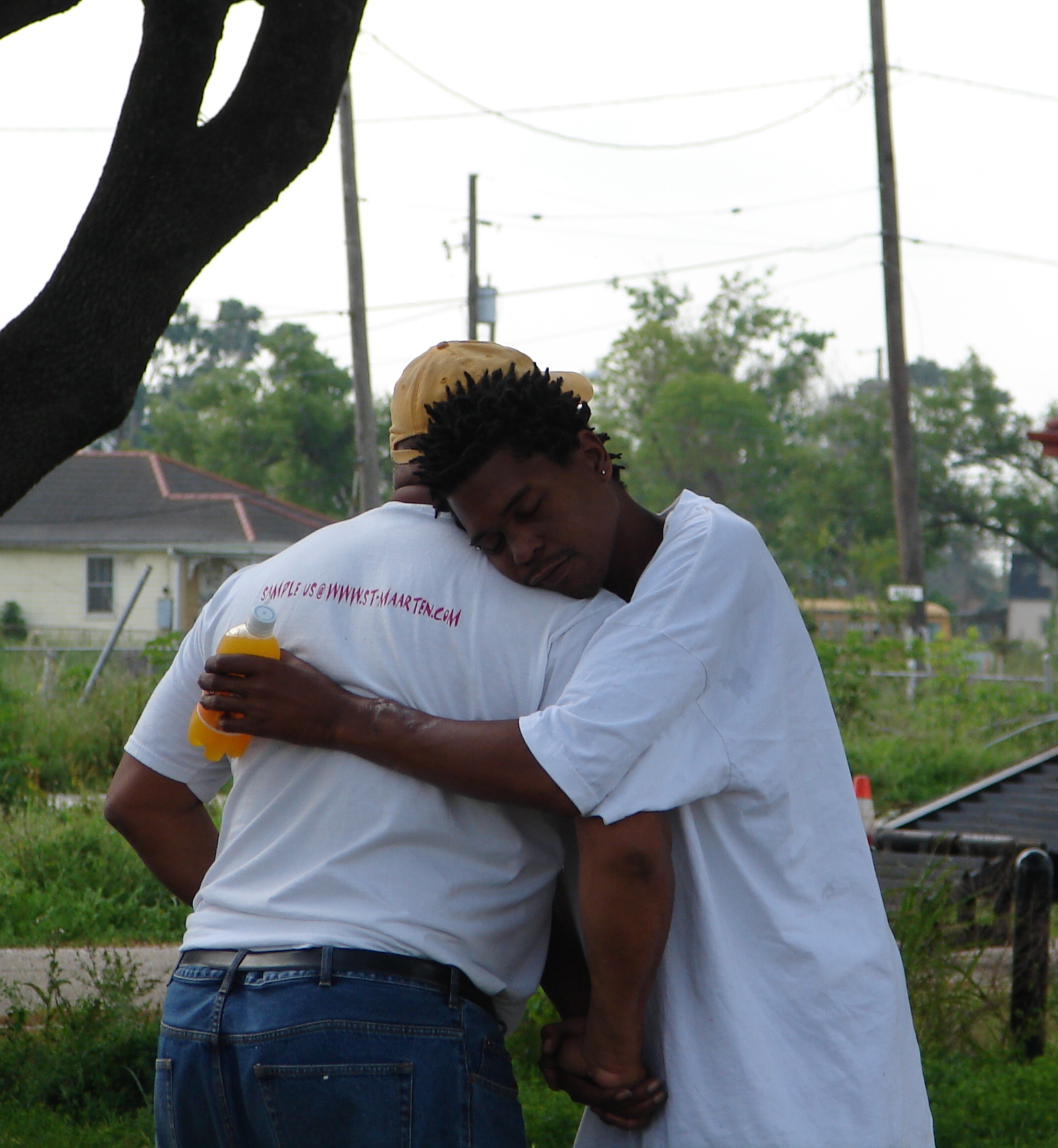
 The interesting thing to me is how so many step up to the plate when there are no other options. The need is there, and countless people simply step to the plate and do what needs to be done with no expectation of anything in return.
I think John Maxwell is right when he says “Everything Rises and Falls on Leadership.” The community impacted by this latest event will recover. They will recover because leaders will step to the plate and lead them forward.
The lives that were impacted by the tornado will be changed forever and I won’t pretend to understand the challenges that they face. But this I know, as a community they will pull together. They will encourage each other and lift each other up when the memories of those lost are pulling them down.
 They will find strength in each other knowing that they must go on because they need to be there for each other. They will rise again and they will do it on the leadership of those within the community that understand and believe that to do so is the only option.
SERVANT LEADERS provide WISDOM and COURAGE to MENTOR, DEVELOP and INFLUENCE others.
Leaders use their VISION and AUTHORITY to deal with CRISIS MANAGEMENT. They depend on their INNER CIRCLE to NAVIGATE challenging times and MANAGE the resources they have available.
When there is ABUNDANCE, leaders give GENEROUSLY. PRIDE will be put aside and STRATEGY will result in building TRUST and creating a LEGACY that will make a difference.
No question or challenge today, but a request: Please keep those impacted by the events in Oklahoma on Monday in your thoughts and prayers as they deal with the challenges they face in recovering from this tragic event.
***********************************************************************
On May 23rd, at 8:00 pm ET, I will be hosting a free call introducing “The 5 Pillars Of Influential Leadership” Coaching Program.
This will be a content filled call that will not only teach you about influential leadership but also about leading an intentional and successful life. The words in capitals above are topics within Pillar #5 – LEADERSHIP.
This is the final of five posts related to the 5 Pillars that will go out prior to the call on the 23rd.
For more information and to register for the free call CLICK HERE.
To see the first video on Pillar #1 – AWARENESS click here
To see the second video on Pillar #2 – ENVIRONMENT click here
To see the third video on Pillar #3 – GROWTH click here
To see the fourth video on Pillar #4 – COMMUNICATION click here
***********************************************************************
Don’t miss a single post from Building What Matters by subscribing at the top left of this page.
Help support us by clicking here and Liking our facebook page
Barry Smith 5/21/13 photo by author © Building What Matters 2013
The post Everything Rises And Falls On LEADERSHIP! appeared first on BUILDING WHAT MATTERS.COM.
]]>The post The 5 Pillars Of Influential Leadership – Part 7: Their Environment appeared first on BUILDING WHAT MATTERS.COM.
]]>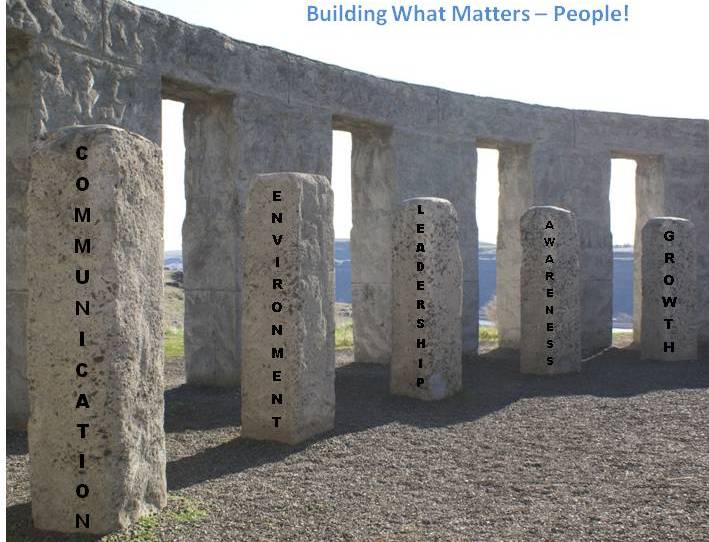 This is the 7th of 16 weekly installments on The 5 Pillars of Influential Leadership. Every Thursday, I will break down the 5 Pillars and show you how becoming and influential leader will not only improve your job skills but your personal life as well.
The 5 Pillars is a project that I have been working on for almost two years and am looking forward to officially launching “The 5 Pillars of Influential Leadership” Coaching program on May 23th.
Why the 5 Pillars? I have spent more than 30 years in the business world and although it has been primarily in the Construction world, the 5 Pillars philosophy works across all industries. In fact, while developing this program I realized that it can have a significant impact on your personal life as well.
I will break down each Pillar into three sections, personal, business and community. Any growth or improvement needs to start within, with the end goal of influencing the community you live in. In this post we will take a look at COMMUNITY ENVIRONMENT.
The environment that we live in impacts the way we live in countless ways. The question is “Is my current environment conducive to my growth?” The first two posts on environment looked at the things that we directly impact or directly impact us. Now let’s take a look at the big picture.
COMPETITION
Most of us are in a business that competes with other businesses for clients and customers. Competition is what requires us to maintain a high level of performance. Working at a high level makes the community and the environment around us better. Sometimes thinking about how you both can be successful will lead to creating more need for what you are selling.
OPPORTUNITY
Have you ever heard someone say “you need to create your own opportunities”? The reality is that they are already out there. You don’t need to create them, you need to find them. Can you think of some opportunities in your community that could benefit you? Maybe it’s time to go find them.
QUALITY
It doesn’t matter what you do, you are a reflection on the community you live in. You will be part of the environment that is created in your community. Are you part of the problem or part of the solution? Making quality one of your priorities will help to produce a better overall environment.
RISK
There is risk in almost everything we do. Choosing the right environment for your home or your business will decrease risk and increase the potential for success.
VICTORY
We have all heard the phrase “It’s not whether you win or lose, it’s how you play the game.” So does victory come from winning (the destination) or from how you played the game (the journey)? I believe it depends on what game you are playing. If you are team player in your community and help to create a positive environment, everyone wins.
SUCCESS
Success! Everyone defines it differently. I believe success will be defined by the legacy we create while here and what we leave behind. Making a difference, that makes a difference is what success is really all about. Many people think that wealth defines success. My thought on that is “What did they do with that wealth?”
The 5 Pillars coaching program will take each topic to a much deeper level. We will explore open ended questions and how they are directly impacting your life and more specifically in this segment, will allow you to evaluate and understand how you impact the environment within your community.
In the mean time, start asking the type of questions that will result in better answers. When you ask “How can I” you get an answer that will move the needle. “How can I improve myself and what can I do differently to create a better environment for my entire community?” Answer that question, act on it, and you will succeed.
CLICK HERE FOR MORE INFORMATION AND TO REGISTER FOR THE MAY 23RD CALL
RELATED:
- Click here to see Part 1 of The 5 Pillars Of Influential Leadership
- Click here to see Part 2 of The 5 Pillars Of Influential Leadership
- Click here to see Part 3 of The 5 Pillars Of Influential Leadership
- Click here to see Part 4 of The 5 Pillars Of Influential Leadership
- Click here to see Part 5 of The 5 Pillars Of Influential Leadership
- Click here to see Part 6 of The 5 Pillars Of Influential Leadership
- For more on The 5 Pillars of Influential Leadership and to view my video click here
- To view my guest post in the 2013 International Leadership Blogathon click here
***********************************************************************
Don’t miss a single post from Building What Matters by subscribing at the top left of this page.
Help support us by clicking here and Liking our facebook page
Barry Smith 5/16/13 photo by author © Building What Matters 2013
The post The 5 Pillars Of Influential Leadership – Part 7: Their Environment appeared first on BUILDING WHAT MATTERS.COM.
]]>