The post Nelson Mandela – A Lesson In Influence And Integrity appeared first on BUILDING WHAT MATTERS.COM.
]]>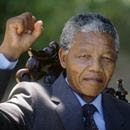 It has not even been 24 hours since Nelson Mandela’s time here on earth came to an end. Most reading this probably know that Mandela has been in poor health for quite some time. Still, when that day finally comes, it seems so surreal.
Since his release from prison in 1990, Mandela’s name has stayed prominent among most circles involving leadership. If there was ever a man who understood the power of influence, it was Mandela.
If you have run in any of John Maxwell’s circles, you no doubt know that meeting Mandela is now one thing John had on his bucket list he will never fulfill. He got close a time or two but it just never worked out. I have heard John talk about Mandela numerous times and it always impressed me how well thought of Mandela was in John’s eyes. No doubt Maxwell is a Leadership Icon himself, but for him to think so highly of another leader clearly indicates how highly respected Mandela was.
I am always impressed listening to leaders speak of other leaders. There is just something special about the acknowledgement of greatness between peers. I can’t honestly say that I have studied the life and times of Nelson Mandela, nor could I tell you that much about his political views, but I do know he had incredible influence.
I don’t think I can really add to the mass amount of information currently being posted about Mandela’s life but there is one thing that I have been thinking about. Mandela was loved by millions. He was someone that so many respected and adored. So the question that comes to mind to me is “Am I the type of person that people will look up to and appreciate?” “Am I on anyone’s bucket list?”
I don’t know if I am or not but it does make me think. What do you need to do to be on someone’s bucket list. What is the one thing that could make the difference? I think it is integrity.
Think about someone you look up to. Someone you would like to spend time with. Why? For me, it would be because they are real. They do the right thing for the right reasons. Integrity represents something you can believe in. We all have to make choices and I realize nobody makes the right choice every time. It’s just that some do it much more than others.
I think this quote by Mandela sums it up for me; “If I had my time over I would do the same again. So would any man who dares call himself a man.”
I think that describes integrity to a certain extent. People of integrity don’t play the do-over card. [Tweet Now] They own their mistakes and learn from them. If I dig a little deeper into this quote with my personal take, I hear this;
“I do what I do because I believe in it. I know I will make mistakes but that is the nature of man, and I would not do over what I felt was the right decision even if the outcome was not exactly what I desired. Why? Because without mistakes there is no learning and with no learning there is no progress.”
I am not making a statement regarding Mandela’s beliefs or actions, but I make a bold statement that he believed in what he was doing and stood by it, even risked his life for those beliefs. How many people can you say that about?
A short question for you today, but I believe a powerful one; “Who’s bucket list are you on?” RIP Nelson Mandela
***********************************************************************
Click here to get a copy of my Kindle Book “The Manifesto Of An Influential Leader”
Don’t miss a single post from Building What Matters by subscribing at the top left of this page.
Help support us by clicking here and Liking our facebook page
Barry Smith 12/6/13 photo courtesy of free images © Building What Matters 2013
The post Nelson Mandela – A Lesson In Influence And Integrity appeared first on BUILDING WHAT MATTERS.COM.
]]>The post Adversaries Into Allies – Part 1; Ultimate Influence appeared first on BUILDING WHAT MATTERS.COM.
]]>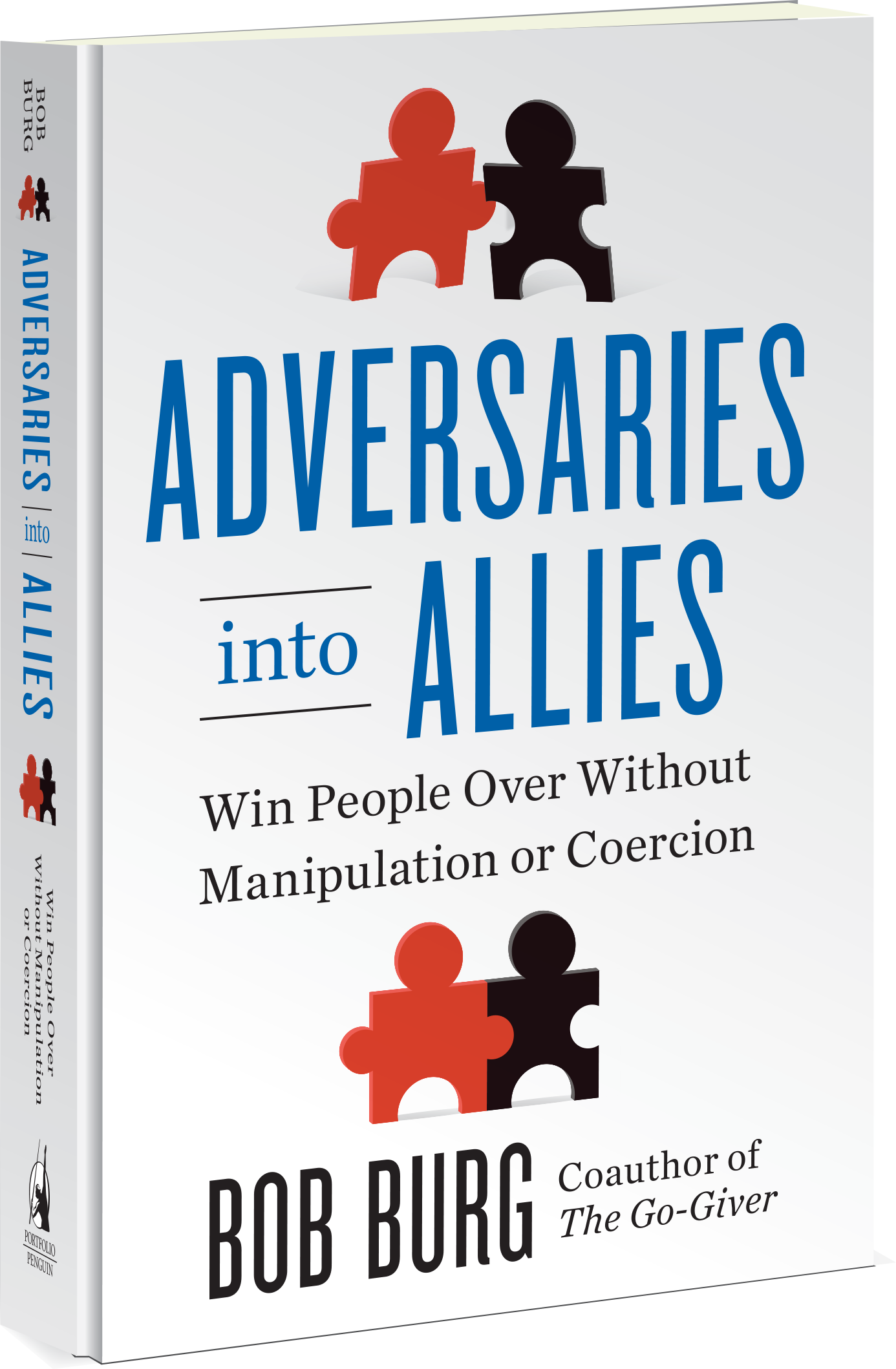 Happy Holidays everyone! We are definitely finishing strong with this month’s book mastermind. Adversaries Into Allies – Win People Over Without Manipulation or Coercion, by Bob Burg, gives a fresh look into how we can influence others while maintaining our integrity and character.
Some of you probably recognize Burg as the co-author of The Go-Giver, but this one is all his and according to the author, his finest work – the book he was meant to write.
Burg starts out by introducing us to the idea of Ultimate Influence ==> the ability to get the results you want from others while making them feel genuinely good about themselves, about the process, and about you. You get that little piece of wisdom on the first page of the introduction. So far, it only get’s better from there.
Burg suggests that Ultimate Influence is based on five key principles that occur on an ongoing basis. Over the next three weeks I will break these down further but here is the list to get you thinking in the right direction.
1. Control Your Own Emotions
I have been reading a lot about “control” recently and I have to agree with Burg on this. Staying in control will always yield better and more lasting results. Our emotions push us to reacting instead of responding. Who would you rather have creating your future – you or the other person? Want results? Take control!
2. Understand the Clash of Belief Systems
As the author puts it; “Each one of us sees the world in a unique way based on a combination of upbringing, environment, schooling, popular media, and the people with whom we associate.” I love this idea. One of my mentors tells me all the time; “Hang around people that believe what you believe, but think different thoughts.” I think Burg is adding clarity to that statement. It’s not only the idea that people think differently, it’s also about how to process those differences in a productive “collaborative” way.
3. Acknowledge their Ego
This is good stuff. At the end of the day, no matter how much we are willing to give of ourselves and serve others, we still feel good one when someone acknowledges what we have done. It’s simply human nature. Unfortunately, some place too much focus on it. But Burg’s point is clear – if you want to persuade someone to your way of thinking, part of your plan better include some type of positive recognition of the way they are thinking.
4. Set the Proper Frame
Why is it that we choose to set ourselves up for failure when is most cases, with the right choices, we can set ourselves up for success? Burg suggests that we have the power to set the proper frame. It doesn’t matter if we moved first or the other person did. What matters is our last move. Why? Because that is what sets the frame for the next move. You are always one move away from success or one away from failure. [Tweet Now]
5. Communicate with Tact and Empathy
Burg makes the observation that; “Communicating tactfully displays a genuine regard for the other person, which will open the door to making him your ally.” Do first impressions matter? Hello! Think about the last time someone approached you and let’s just say “lacked a little tact” in the way they communicated. How did that make you feel? Look, people want to feel valued and they want to matter. Words matter and they matter a lot. Use them wisely. You never know when you might need an ally.
It’s hard to beat Burg’s take that pretty much frames out the rest of this series … “You’ll see that when you begin to control your emotions, consider others’ points of view and ego, create a positive atmosphere, and communicate tactfully and with empathy, you will get what you want in your personal interactions and relationships.”
We certainly have much more to look at in Adversaries Into Allies but let me leave you with this question today; “Which provides a better outcome – when they’re with you or when they’re against you?”
***********************************************************************
Click here to get a copy of my Kindle Book “The Manifesto Of An Influential Leader”
Don’t miss a single post from Building What Matters by subscribing at the top left of this page.
Help support us by clicking here and Liking our facebook page
Barry Smith 12/4/13 photo courtesy of burg.com © Building What Matters 2013
The post Adversaries Into Allies – Part 1; Ultimate Influence appeared first on BUILDING WHAT MATTERS.COM.
]]>The post It Is Character That Defines “The Heart Of Leadership” appeared first on BUILDING WHAT MATTERS.COM.
]]>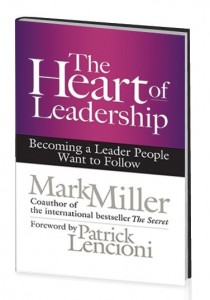 I have long been a fan of Mark Miller‘s work and when I found out I had the opportunity to be on the launch team for his new book “The Heart of Leadership” I couldn’t wait to write this review.
If you have read any of Miller’s recent work, you know that he has a unique way of building a story around the premise of the book and in effect, brings the lessons and the story itself to life. The Heart of Leadership is a follow up, at least as the story goes, to “Great Leaders Grow” (read my review of Great Leaders Grow).
Blake, who got off to a great start as a young leader now finds himself stuck. Stuck in his job and stuck as a leader. He turns back to his mentor Debbie, who had previously been mentored by Blake’s father before he passed away.
Debbie introduces Blake to 5 professionals that take Blake on a journey to find what he has been missing to take his leadership to the next level. He has been missing The HEART of Leadership.
So let’s take a look at just what it is that makes up The Heart of Leadership.
HUNGER FOR WISDOM
Leaders recognize that if they want to be effective over the long haul, they need to be life long learners. They need to commit to not only increasing their knowledge but their relational skills as well. Be self confident and consistent in your beliefs and values but always be open to input, new ideas and the views and opinions of others. We can always learn, even in our failures and difficult times.
EXPECT THE BEST
Miller states it very well; “To expect the best is an attitude, a belief, a choice, a lifestyle and a trait that virtually every successful leader possesses. We believe the best about others and about ourselves.” What a powerful statement. Expecting the best is about attitude and as we all know, attitudes are contagious. Leadership character is about having a positive attitude and creating a culture that expects and produces the best.
ACCEPT RESPONSIBILITY
There may be no greater leadership character trait than owning your actions, and not only your actions, but the actions of the entire team. John Maxwell says that “everything rises and falls on leadership.” Miller makes it clear that accepting responsibility, for both the good and the bad, needs to fall on the leader. Along with that, praise needs to be shared whenever possible. Leaders with heart give the credit to others and find their success in the success of their team.
RESPOND WITH COURAGE
Miller pulls a quote from Dr. Henry Cloud; “Leaders get what they create and what they allow.” [Tweet This] It takes courage to create. Often times, leaders are faced with making difficult decisions. Responding with courage, and doing it consistently, will shape your leadership character and help to build trust. Courage is a product of confidence and confidence comes from believing in yourself.
THINK OTHERS FIRST
Leaders need followers and a leader’s responsibility is to turn those followers into other leaders. This only happens when the leader focuses on the success of those he is leading. Miller puts it like this; “It’s about who is responsible for what, and how can I, as the leader, help people to be successful?” Miller makes a valuable point that if we are to become servant leaders, we need to spend time with other servant leaders and learn how they think and understand the real reasons why they do what they do.
I think the biggest takeaway for me from this fine work was the example of an iceberg that Miller uses to describe leadership. The 10 percent above water represents your leadership skills – What you know. The 90 percent underwater represents your character – Who you are. We often judge people for what they know but the true heart of leadership comes from your character – this is the heart of leadership.
I love this quote from the author; “It is ultimately leadership character that determines our opportunity for influence and impact.“ So today I have a challenging question for you: What is included in the 90 percent of your iceberg?
***********************************************************************
Click here for a 3-Video Series from John Maxwell and Les Brown being “Authentic and Transparent”
Click here to listen in on October 30th as John Maxwell shares how to “Influence through Connecting”
Don’t miss a single post from Building What Matters by subscribing at the top left of this page.
Help support us by clicking here and Liking our facebook page
Barry Smith 10/24/13 photo courtesy of Amazon © Building What Matters 2013
The post It Is Character That Defines “The Heart Of Leadership” appeared first on BUILDING WHAT MATTERS.COM.
]]>The post Boundaries For Leaders – Part 3: High Performance Teams appeared first on BUILDING WHAT MATTERS.COM.
]]>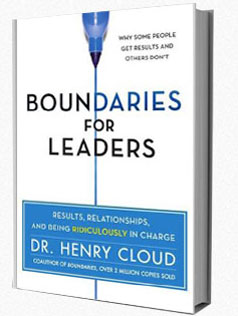 I recently finished reading Boundaries For Leaders – Results, Relationships and Being Ridiculously In Charge by Dr. Henry Cloud. Twenty years after he co-authored “Boundaries – When to Say Yes, How to Say No to Take Control of Your Life” Dr. Cloud brings a fresh look to how boundaries relate more specifically to leadership.
Dr. Cloud does an incredible job providing insight on why some people get results and others don’t. Simply stated, when we invest time beyond the boundaries “we should have” we reduce the results we achieve along the way.
Dr. Cloud has taken a complex issue and has broken it down into simple terms that every leader should be able to embrace and implement into their leadership and life style.
This will be the final of three posts exploring what it takes to lead teams, companies and cultures defined by high performance and healthy relationships.
HIGH-PERFORMANCE TEAMS
Dr. Cloud sums up the power of “high” performance teams with this statement; “Nothing drives strong teams like great performance, and what drives strong performance is a commitment to a shared vision and shared goals with behaviors and relationships aligned with reaching those goals.”
Basically he is saying that high performance teams work together on the right things at the right times. This really only comes through focusing on the things that you can control and with the clarity and focus of working on them in a strategic and specific manner. It comes down to having the right plan and working that plan.
TRUST MAKES THE TEAMS ABLE TO PERFORM
Dr. Cloud focuses this chapter on the importance of trust as related to team performance. He provides his five most important components:
Connection through Understanding – Of course it is important that we “get it” – but more important is that the other person understands and believes that we “get it.”
Motivation and Intent – We have all been there – someone offers their help or assistance but you know that their motivation is solely because they want something in return. Trust is build when there is no expectation of anything in return.
Character – There are many attributes that can describe character but in building trust, “who you are” becomes much more important that what you do or what you can provide.
Capacity and Ability – Intentions are great, but follow through is where we build, and lose trust. Part of the trust building process is being able to identify what you can actually deliver – and deliver it.
Track Record – No surprise here; what you have done in the past, in this area, is a predictor of the future. It doesn’t have to be, but that is the way it will be perceived. Perception is Reality anyone!
BOUNDARIES FOR YOURSELF
This is great – Dr. Cloud gives us a Law of Leadership: “The higher you go in leadership. the fewer external forces act upon you and dictate your focus, energy, and direction. Instead you set the terms of engagement and direct your own path, with only the reality of results to push against you.”
Read that again – remember, this book is about boundaries. As leaders, we are the only one responsible in setting our own boundaries. That being said, understanding what those boundaries will, or will not allow in is crucial. I like to think of it like this – boundaries set the perimeter, but we still need to position ourselves so we can “see over the fence” to stay aware of what is going on “outside.”
I strongly encourage any and every leader to pick up a copy of Boundaries For Leaders. Dr. Cloud provides frameworks throughout the book that can be easily applied to your leadership role.
It has been said that the greatest gap we deal with in life is “The gap between what we know and what we do.” If you want to start applying more of what you know into increasing what you do, you need to have boundaries.
My challenge today: Take a look at what is currently on your plate and make the decision to set some boundaries that will allow you to put more focus and energy into the things that you have to do that have to be done now.
***********************************************************************
Click here for a 3-Video Series from John Maxwell and Les Brown being “Authentic and Transparent”
Click here to listen in on October 30th as John Maxwell shares how to “Influence through Connecting”
Don’t miss a single post from Building What Matters by subscribing at the top left of this page.
Help support us by clicking here and Liking our facebook page
Barry Smith 10/23/13 photo courtesy of Amazon © Building What Matters 2013
The post Boundaries For Leaders – Part 3: High Performance Teams appeared first on BUILDING WHAT MATTERS.COM.
]]>The post Being A Character Does Not Mean You Have Character appeared first on BUILDING WHAT MATTERS.COM.
]]> I remember when I was a kid and used to hear things like “what kind of character do you think you are?” or “do you think a character like you is the kind of person that people will like?” At the time, my main objective was to stay out of trouble. That didn’t always work out so good!
I grew up thinking that being a character was a bad thing … a trouble maker, an instigator, basically one who thrives on creating chaos. It was not until later in life that I understood what character is all about.
You have probably heard the expression; “true character is how you act when nobody is looking.” That may be true but what about when they are looking? I won’t dispute the merit in that statement and I believe that it is probably true. But I think the more important point is that who we are when nobody is looking shapes who we are when we are being watched.
I look back at my life and could easily site several times when acting as a character I was clearly acting without character. Fortunately, I can say that those experiences have given me a good understanding of the difference between the two.
So how important is character? Well, let me tell you what I think. Character trumps just about every other personality trait we can have. Why? Because everything else flows through this idea. People of poor character are seldom trusted or respected. People of poor character are not committed or dependable. People of poor character may equally demonstrate values in ethics or morals.
Simply put, if you lack character, you will lack the skills needed to be a leader. Now maybe you are thinking “so what, I am not, nor do I want to be a leader anyway.” Well let me share a little insight with you. John Maxwell says that “Leadership is influence, nothing more, nothing less.” He also says that “Everything rises and falls on leadership.”
You may or may not agree with those statements, but let me ask you a question. Do you ever try and influence others to agree with you? Have you ever tried to persuade someone to believe what you believe? Thought so!
Here is my point. Character represents who you are. It doesn’t matter what you do, your ability to influence others is going to boil down to their perception of your character.
So how do you demonstrate strong character? Simple – start by doing the right thing. If you want to have more influence and heaven forbid, be an influential leader, you need to do more than just the right thing, you need to do the things that you don’t have to do.
Look around and see who you believe is an influential leader. My bet says they are doing things that they don’t have to do. Non-profit work. Community involvement. Donating time to help those lacking the knowledge or resources to do something on their own. The list goes on.
No, you don’t have to do these things but guess what? People of high character, no matter where you are, will be doing things they don’t have to do.
So let me ask you a question; “If asked, would someone who knows you refer to you as a character or a person of character?” They don’t have to be mutually exclusive but they better be individually identifiable!
***********************************************************************
SAVE THE DATE: On October 10th, John will be doing a WEBCAST to teach from his new book and introduce the Maxwell Leadership Assessment. CLICK HERE TO REGISTER FOR THE WEBCAST
Don’t miss a single post from Building What Matters by subscribing at the top left of this page.
Help support us by clicking here and Liking our facebook page
Barry Smith 10/7/13 photo by author © Building What Matters 2013
The post Being A Character Does Not Mean You Have Character appeared first on BUILDING WHAT MATTERS.COM.
]]>The post The Collaboration Economy – Leadership On A Global Scale appeared first on BUILDING WHAT MATTERS.COM.
]]> I recently finished “The Collaboration Economy – How to meet Business, Social, and Environmental Needs and Gain Competitive Advantage” by Eric Lowitt. It focuses on how some of the major global players in business and industry have taken it upon themselves to LEAD the way into more environmentally friendly business practices.
Yes, the environmentally conscientious reader will probably connect on a higher level to the content but there are some significant leadership lessons to be found in this vision focused framework by Lowitt.
He describes the efforts being done on a global level by some of today’s industry leaders such as GE and Coca-Cola, to not only be more responsible in the way we are conducting our business but more importantly, how we can collaborate together to accomplish missions that can’t be achieved on an individual basis. In short, a new world economy based on collaboration.
Lowitt breaks the book down into three sections:
PART 1 – WELCOME TO THE COLLABORATION ECONOMY
Basically setting the stage, Lowitt describes the difference between “The Waste Economy,” where we are now and “The Collaboration Economy,” where we better be headed.
I won’t run you through the statistics, but basically we are on a short ride to running out of the natural resources that sustain us on a daily basis. Although focused on environmental issues, I would not consider this a “tree hugger” (for sake of a better term) book.
The real focus is on the collaboration between world business leaders that can lead to changes that simply could not be done by the individual corporations. This is a clear statement, backed up with logic and fact, that we is better than me.
PART 2 – BRINGING THE COLLABORATION ECONOMY TO LIFE AND SCALE
Part two is a series of chapters focused on specific topics such as energy, water and food, to name a few. Lowitt describes in detail, how industry leaders are partnering with competitors and leveraging suppliers to join the effort to make needed global changes.
Some may read into the specifics of the topic, but what really resonated to me were the leadership skills that were represented in the changes that have begun. Think about it – many of the examples that Lowitt explores requires business leaders to take tremendous risks, to their own reputation and position as well as to the bottom line of the business.
Significant financial investments had to be made in order to be the front-runners in these risky decisions. Many times, I found myself wondering what went through the minds of these leaders as they put the financial stability of their corporations on the line to do the right thing. Some big leadership lessons throughout!
Although I live in Oregon, a progressive state in their recycling and conservation efforts, I have never given much thought to what goes on behind the scenes. Yes we have come a long way in the last 40 years, but there is still a long way to go.
PART 3 – PUTTING IT ALL TOGETHER TO MOVE FORWARD
The final section really brings home the leadership concepts required to pull this major endeavor off.
Collaborative Leaders Do The Following:
- Think beyond their tenure
- Focus on collective and not individual success
- Are willing to accept someone else’s idea as better than theirs
- Are willing to make sacrifices for the good of the whole
- Understand their position is a privilege and not a right, and act accordingly
- Commit to a true purpose
- Promote and rely on partnerships
- Act with integrity, while guided by an ethical compass
- Have a “How Can We” mindset
Lowitt wraps up the book with this thought:
“Let’s not seek to sustain our current socioeconomic situation. Instead, let’s work together to create a new era of prosperity that benefits our lives today while enhancing future generations’ ability to meet their needs in perpetuity.”
I realize this is a lot to think about, but the reality is that if our generation doesn’t think about it, time will run out and none of us want our kids or their kids to end up in a world that can’t sustain itself.
My question for you today is this; “Are you willing to give today what is required to preserve tomorrow?” We can all do something – What will you do?
***********************************************************************
Don’t miss a single post from Building What Matters by subscribing at the top left of this page.
Help support us by clicking here and Liking our facebook page
Barry Smith 8/28/13 photo courtesy of Amazon © Building What Matters 2013
The post The Collaboration Economy – Leadership On A Global Scale appeared first on BUILDING WHAT MATTERS.COM.
]]>The post Respect – The Person Or The Position? appeared first on BUILDING WHAT MATTERS.COM.
]]> Respect is one of the most important values, qualities or characteristics we find in any relationship, personal or professional. I also believe that it is one of the most misunderstood.
Dictionary.com provides a pretty good picture of what I’m talking about:
esteem for a sense of the worth or excellence of a person, a personal quality or ability, or something considered as a manifestation of a personal quality or ability: I have great respect for her judgement.
deference to a right, privilege, privileged position, or someone or something considered to have certain rights or privileges; proper acceptance or courtesy; acknowledgement: respect for a suspect’s right to counsel; to show respect for the flag; respect for the elderly.
Do you see the difference? One is about the person and one is about the position. I have observed that these two definitions are often misused in understanding how we “respect” other people.
I think the word respect get’s used too often and too easy by most of us. I think people use the word without truly understanding the real meaning. The last time you said your respected someone, did you really think about why you respect them or was it just a good thing to say at the time?
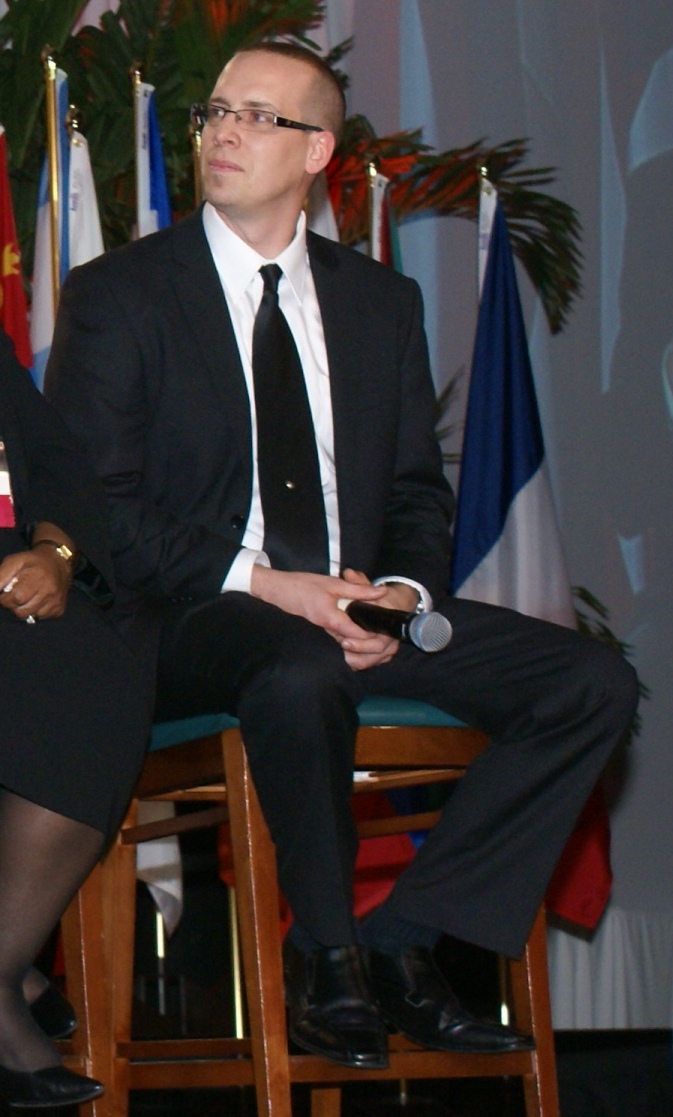
I don’t think it would be right to post about respect without giving an example of someone I respect a great deal. The guy in the picture is my coach, mentor and most importantly, my good friend Kary Oberbrunner.
Kary is a well respected author, speaker and coach. But what does that really mean? He is successful? He is accomplished? He knows what he’s talking about? Sure, probably all of the above. But I would suggest that it’s who he is that has gained him that respect, not what he has done.
My point is this – I think a lot of people are well respected in their field but not necessarily as individuals. In my opinion, respect is earned and I don’t really care what you have accomplished if your values and behavior don’t represent a lifestyle worth respecting.
I have only known Kary for about a year and a half, but during that time I have seen him continuously give to those around him and without any expectation of return. He simply leads a life to add value to other people. I believe that the success he has achieved in business is due to hard work and caring about those that he serves.
Now don’t misunderstand me, Kary is a regular guy just like you and me. Similar struggles and similar challenges – just ask him – he will tell you. But the thing that makes him different than most is his authenticity and transparency. He has no fear of laughing at himself if the story can help someone else. How often do you wish the people in your life had those traits?
I have a handful of people in my life like Kary and they all add value to me on a regular basis. In fact, these are the type of people that I turn to when I need help because I know they will be there.
This post is not to tell you how great of a guy Kary is, it is to describe how people like Kary are the type of people we should respect because they have earned it through their actions and not their accomplishments.
One thing that Kary has taught me is that you don’t ever want to be like someone else. You simply want to be a better “you.”
So is respect about the person or the position? You can make your own decision but for me it’s about the person. For me it doesn’t matter what success I achieve in life. If I can’t be respected for who I am and only for what I have done, I have completely missed the mark.
Challenge yourself to think of someone you respect and then try and come up with ten reasons why you respect them. When your done with the list, see how many are about who they are and how many are about what they have done. Just sayin’
***********************************************************************
Don’t miss a single post from Building What Matters by subscribing at the top left of this page.
Help support us by clicking here and Liking our facebook page
Barry Smith 8/5/13 photo by author © Building What Matters 2013
The post Respect – The Person Or The Position? appeared first on BUILDING WHAT MATTERS.COM.
]]>The post Ethics 301: Your Personal Code Of Conduct appeared first on BUILDING WHAT MATTERS.COM.
]]> Ethics, morals, values, character, integrity and on and on. Do you get confused on the definitions of all these words that for the most part mean “to do the right thing?”
My favorite way to describe ethics is “your personal set of moral principles or values that define what you consider right or wrong.” The thing that really intrigues me about ethics is that they are different for everyone. When you live by your own code, it is easy to determine whether you have lived up to your code or not.
But what happens when you are in a much larger group. How do you define what is right or wrong when so many different opinions must be considered?
One of the current projects I am involved in as part of the President’s Advisory Council for the John Maxwell Team is to create a Code of Ethics. This effort, headed by my good friend Deb Ingino, will lay out a blueprint for the way we act as a team and how we represent the John Maxwell brand.
I believe in any organization, ethics are represented from the top and like the saying goes, you are only as strong as your weakest link. If you are not unified in your ethical practices, it will show, and it will show in a negative light. So what is the best way to be unified? I would suggest communicating that code clearly so that everyone knows exactly what you, as a team, stand for and how you will act.
Your personal code of conduct should represent what you believe in. When part of a team or organization, you may have to change a little to conform, but you should never compromise your integrity, or your code. Your code should always be more stringent that any group you participate in. This is why your code is so important.
“Live one day at a time emphasizing ethics rather than rules.” – Wayne Dyer
I think Dyer brings up a great point. We often allow our ethics to be determined by the laws and rules that we are governed by. To me, that is no more that letting someone else make my decisions for me and tell me how I should think and what I should believe in.
The culture we live in today is ever changing and what may be our personal code today, may change tomorrow. Now before you start beating me up for waffling, consider that once upon a time some of our most respected leaders believed that women should not vote and all men should not be given the freedom they deserved.
My point is that times change and the way we act may need revising at times as well. But what you believe in should always stay the same if you based it on how you truly feel on the issue.
My guess is that very few people have an actual written code of ethics or conduct, but if you were going to write one, what would be in it? What do you hold to be true that you are unwilling to compromise on no matter what the circumstances?
Even when you don’t think they are, people are watching you. Do your actions represent what you believe or simply what the world is willing to accept?
***********************************************************************
Don’t miss a single post from Building What Matters by subscribing at the top left of this page.
Help support us by clicking here and Liking our facebook page
Barry Smith 5/27/13 photo by author © Building What Matters 2013
The post Ethics 301: Your Personal Code Of Conduct appeared first on BUILDING WHAT MATTERS.COM.
]]>The post The 5 Pillars Of Influential Leadership – Part 8: My Growth Plan! appeared first on BUILDING WHAT MATTERS.COM.
]]>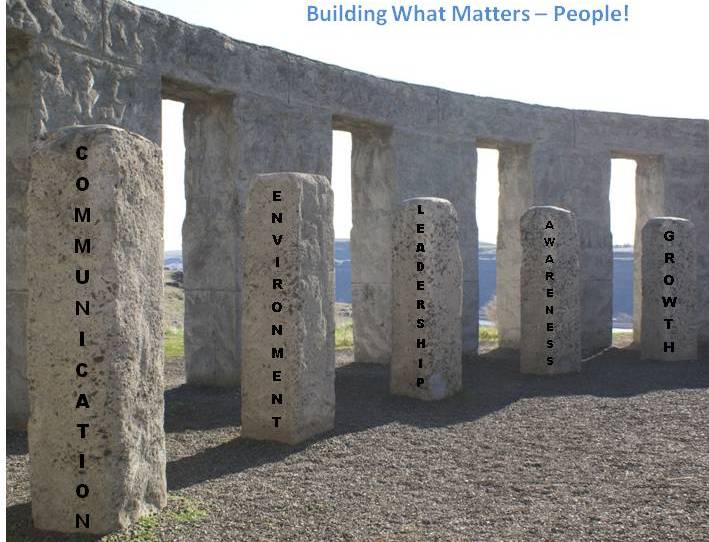 This is the 8th of 16 weekly installments on The 5 Pillars of Influential Leadership. Every Thursday, I will break down the 5 Pillars and show you how becoming and influential leader will not only improve your job skills but your personal life as well.
The 5 Pillars is a project that I have been working on for almost two years and am looking forward to officially launching “The 5 Pillars of Influential Leadership” Coaching program on May 23th.
Why the 5 Pillars? I have spent more than 30 years in the business world and although it has been primarily in the Construction world, the 5 Pillars philosophy works across all industries. In fact, while developing this program I realized that it can have a significant impact on your personal life as well.
I will break down each Pillar into three sections, personal, business and community. Any growth or improvement needs to start within, with the end goal of influencing the community you live in. In this post we will take a look at PERSONAL GROWTH.
Our personal growth journey is highly dependent on two things; Intentionality and Accountability. Deciding to do something accomplishes little. You have to do it. In more cases than not, you need to be held accountable to achieve your goals. Let’s take a look at some of the areas we need to be growing in daily.
CHARACTER
It has been said that the true test of character is how you act when nobody else is looking. I think there is much truth to that statement, however, the real truth is that people are looking. What do you think people see when they are looking at you?
ATTITUDE
Most of us have a tendency to blame something or someone when something goes wrong. This is usually reflected in our attitude. The simple fact is that we are the only one that can determine our attitude. Simply put, it is a choice. Only we can decide how our attitude will be and the thing often overlooked is how contagious that attitude can be.
PERSONAL GROWTH
We all know the things that we need to do, but how many of them are we actually doing? Personal growth is what takes us to the next level. Determine where you want to go and you will know how you need to grow.
SACRIFICE
One of my mentors once told me that to say yes to one thing is saying no to another. I never really looked at it that way but it’s true and sometimes saying no means that you have to sacrifice something. What is one thing in your life right now, that you could sacrifice, to make room for something else more important?
PERSEVERANCE
We have all heard the phrase “When the going gets tough, the tough get going.” As related to that statement, how tough are you? Winston Churchill said; “Never, never, never give up.” Sounds like pretty good advice to me. You really have to ask yourself the question; “How bad do I really want it.”
DISCIPLINE
Jim Rohn said; “Discipline is the bridge between goals and accomplishment.” When you think about it, he is spot on. To set a goal is one thing, to accomplish it, is entirely another. New Year’s resolution anyone! Have someone hold you accountable and you will be amazed at how much better you get regarding discipline.
INTEGRITY
What things prompt you to compromise your integrity? We all have a certain value system that when asked a question, the answer is obvious, yet when actually tempted, the answer becomes much more clouded. What things do you do in your life that demonstrate you are a person of integrity? Maybe this is a difficult question to answer.
SELF-CONFIDENCE
Self-confidence may be the most important piece in your personal journey of growth. I think the most important thing we can do to grow is to believe in ourselves. You can have the same impact on others by believing in them as well. Henry Ford said; “If you think you can or you think you can’t you are probably right.” Do you agree with Mr. Ford?
SELF-CONTROL
Self-control is the ability to choose the right thing over the wrong thing. Maybe it’s the food you eat, the words you say or the behavior you exhibit. The ability to control your actions comes from the ability to make a decision. Putting thought into the “why” behind that decision will always push you in the right direction.
The 5 Pillars coaching program will take each topic to a much deeper level. We will explore open ended questions and how they are directly impacting your life and more specifically in this segment, will allow you to evaluate and understand how you alone are the only one who can craft your personal growth journey.
In the mean time, start asking the type of questions that will result in better answers. When you ask “How can I” you get an answer that will move the needle. “How can I be held accountable to accomplish the things I know I need to do?” Answer that question, act on it, and you will succeed.
CLICK HERE FOR MORE INFORMATION AND TO REGISTER FOR THE MAY 23RD CALL
RELATED:
- Click here to see Part 1 of The 5 Pillars Of Influential Leadership
- Click here to see Part 2 of The 5 Pillars Of Influential Leadership
- Click here to see Part 3 of The 5 Pillars Of Influential Leadership
- Click here to see Part 4 of The 5 Pillars Of Influential Leadership
- Click here to see Part 5 of The 5 Pillars Of Influential Leadership
- Click here to see Part 6 of The 5 Pillars Of Influential Leadership
- Click here to see Part 7 of The 5 Pillars Of Influential Leadership
- For more on The 5 Pillars of Influential Leadership and to view my video click here
- To view my guest post in the 2013 International Leadership Blogathon click here
***********************************************************************
Don’t miss a single post from Building What Matters by subscribing at the top left of this page.
Help support us by clicking here and Liking our facebook page
Barry Smith 5/23/13 photo by author © Building What Matters 2013
The post The 5 Pillars Of Influential Leadership – Part 8: My Growth Plan! appeared first on BUILDING WHAT MATTERS.COM.
]]>The post GROWTH: You Will Only Go As Far As You Are Willing To GROW appeared first on BUILDING WHAT MATTERS.COM.
]]>Carl Jung said “The greatest tragedy of the family is the unlived lives of the parents.” Stop and read that again. I believe that this is true not just for parents but for everyone.
Living a fulfilled, meaningful life requires growth. One of my focus points as a coach, trainer, speaker and author is growth. Whenever I address the subject of growth, I always bring up the two components required for growth. Intentionality and Accountability.
 The first two Pillars of my 5 Pillars of Influential Leadership are Awareness and Environment. Both of these are critical to our growth. Once we realize where we are and where we want to be and how that journey will be impacted by the environment we find ourselves in, we are ready to grow.
But as I said, growth only comes through Intentionality and Accountability. Certainly there are many other factors that will determine how you grow and the rate in which you do it, but the first step is always intentionality.
Every time I use the word “try” when speaking with one of my coaches or mentors, I hear the silence on the other end of line. I love this quote from one of the greatest visionaries in history, Yoda. “Do or do not, there is no try.” Trying get’s you to the line of intention, but accomplishes nothing. Like Yoda said, “do or do not.”
We have to have the try to get headed in the right direction, but growth comes from actually doing it. Doing it comes through accountability.
Without continual growth and progress, such words as improvement, achievement and success have no meaning.” – Benjamin Franklin
 It doesn’t matter how you define success, you have to be a life long learner to continue to achieve that success. When you stop growing, you put a cap on your potential and I believe that when you stop moving forward you are moving backward.
Growing means stretching outside of your comfort zone. It means doing things you have not done before. It means facing the failure of not succeeding the first time you attempt something new. Many people have a tendency to quit when the going get’s tough.
PERSONAL GROWTH requires SACRIFICE, SELF-CONTROL, DISCIPLINE and PERSEVERANCE. Your ATTITUDE is really a reflection of your CHARACTER.
Your INTEGRITY will create CONSISTENCY and CREDIBILITY. Understanding your PRIORITIES will allow you to maximize your PERFORMANCE.
COMMITMENT to EDUCATION will help you overcome ADVERSITY and positve ACTION will help build SELF-CONFIDENCE and EMPOWER you in the FULFILLMENT of your GOALS.
If you want to do more, achieve more and become more, you need to grow more. So my question today is simple, “How far are you willing to grow?”
***********************************************************************
On May 23rd, at 8:00 pm ET, I will be hosting a free call introducing “The 5 Pillars Of Influential Leadership” Coaching Program.
This will be a content filled call that will not only teach you about influential leadership but also about leading an intentional and successful life. The words in capitals above are topics within Pillar #3 – GROWTH.
This is the third of five posts related to the 5 Pillars that will go out prior to the call on the 23rd.
For more information and to register for the free call CLICK HERE.
To see the first video on Pillar #1 – AWARENESS click here
To see the second video on Pillar #2 – ENVIRONMENT click here
***********************************************************************
Don’t miss a single post from Building What Matters by subscribing at the top left of this page.
Help support us by clicking here and Liking our facebook page
Barry Smith 5/17/13 photo by author © Building What Matters 2013
The post GROWTH: You Will Only Go As Far As You Are Willing To GROW appeared first on BUILDING WHAT MATTERS.COM.
]]>