The post The Eyes And Ears Of Your Tribe – How Well Are You Connected? appeared first on BUILDING WHAT MATTERS.COM.
]]>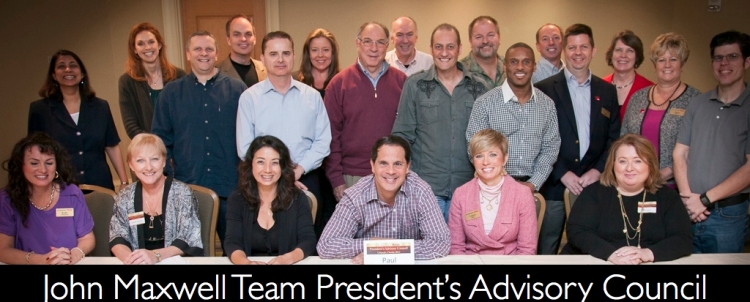 Have you considered how well you are connected to your tribe? A few weeks ago, I flew to Orlando to spend a week with friends and colleagues with the John Maxwell Team. The first day was spent as part of the President’s Advisory Council.
Paul Martinelli, the president of the John Maxwell Team, realized how important it is to have eyes and ears on the inside of his organization and selected 15 members of the team to provide feedback on the “state of the tribe.”
Putting into real life application some of the lessons we have been taught, we collaborated on:
- What do we need to start?
- What do we need to stop?
- What do we need to do more of?
- What do we need to do less of?
As I have reflected on that day, I realize how important it is for any leader to occasionally take “the pulse” of those he is leading. The question I have is how many leaders are actually doing this, and doing it with the intent to really listed to what is being said.
The final tally is still to be heard but some changes have already been announced and are underway. In Paul’s words, “The PAC has spoken and we have listened.”
Here are a few of my thoughts on why this example of leadership is so important:
VISION
For any business there is a vision. It is the leaders responsibility to cast that vision in such a way that the tribe understands what the vision is and embraces it moving forward. Sharing your vision as a leader is the only way that vision can be achieved effectively.
CHANGE
Within any organization, there will be change. Leaders can only see this change from the chair they sit in. Collaborating with your tribe allows for new perspective. You will hear the things you can’t hear from where you are and see the things you can’t see.
ENTHUSIASM
It doesn’t matter what business you are in, eventually people become complacent and the attitude of “if it’s not broke, don’t fix it” takes over. A leader needs to keep his people thinking outside the box and the best way to process through new ideas and thinking is to collaborate with the team. A leader needs feedback – both good and bad.
GROWTH
Most businesses target a certain level of growth. In most cases, growth either falls short or exceeds what was anticipated. A leader needs to make adjustments along the way and be able to navigate the course correction that is needed to continue to move forward in a positive direction.
STRATEGY
Today we have a strategy. The events that happen tomorrow may require a modification to that strategy. A leader needs to know and understand the condition of his team in order to make the correct adjustments to the strategy in order for it to work. The only way to know how the team is doing is to ask them.
The bottom line is that for a leader to lead successfully, he must know what his team is thinking. He must focus on the condition and capabilities of his team’s potential and navigate in a way to best utilize the resources available.
If you are a leader, the question becomes “Do you know what your tribe is thinking?” If you are part of the tribe, “Does your leader know what you are thinking?”
The question for everyone … If no one knows what you are thinking, does it really matter anyway?
***********************************************************************
Don’t miss a single post from Building What Matters by subscribing at the top left of this page.
Help support us by clicking here and Liking our facebook page
Barry Smith www.buildingwhatmatters.com 3/4/13 photo by JMT Staff
The post The Eyes And Ears Of Your Tribe – How Well Are You Connected? appeared first on BUILDING WHAT MATTERS.COM.
]]>The post “Building What Matters” to Represent in 2013 International Leadership Blogathon appeared first on BUILDING WHAT MATTERS.COM.
]]> On March 1st, a large conglomerate of leadership experts, coaches, speakers, authors, and leaders will come together for the 2nd Annual International Leadership Blogathon on http://www.ToddNielsen.com. For 31 days we will read amazing stories, unparalleled experiences, and leadership wisdom oozing from every crevice of the Internet. There are a total of 41 writers for the blogathon, gathered from countries.
Last year’s blogathon brought an amazing source of wisdom, much of which would be hard to come by collectively on any single blog or book. This year’s articles raise the bar so much higher.
Below are the 41 writers for the blogathon. I’d invite you to read more about them and make sure to sign-up for updates to receive the articles in your inbox every day. Plus there will be some prizes and contests, here and there, throughout the month to win books and some other leadership products.
DATE |
AUTHOR |
COUNTRY |
| March 1st | Lolly Daskal | USA |
| March 2nd | Kate Nasser | USA |
| March 2nd | Susan Bagyura | USA |
| March 3rd | Dan Forbes | USA |
| March 3rd | Chris Lema | USA |
| March 4th | Brendan Howe | Canada |
| March 5th | Dave Bradley | UK |
| March 6th | Martina McGowan | USA |
| March 7th | Joan De Winne | Belgium |
| March 8th | Kai Roer | Norway |
| March 9th | Ali Paskun | USA |
| March 9th | Susan Thorn | USA |
| March 10th | Susan Mazza | USA |
| March 10th | Andy Phillips | Colombia |
| March 11th | Heidi Alexandra Pollard | Australia |
| March 12th | Lora Crestan | Canada |
| March 13th | Ogwo David Emenike | Nigeria |
| March 14th | Steve Nichols | UK |
| March 15th | John Thurlbeck | UK |
| March 16th | T. Hampton Hopkins | USA |
| March 16th | Barry Smith | USA |
| March 17th | Coleen Jolly | USA/UK |
| March 17th | Ray Attiyah | USA |
| March 18th | Janine Garner | Australia |
| March 19th | Alli Polin | Austrailia |
| March 20th | Frode Heimen | Norway |
| March 21st | Kimunya Mugo | Kenya |
| March 22nd | Maria Gardner | UK |
| March 23rd | Tanvi Bhatt | India |
| March 23rd | Rob Ryan | USA |
| March 24th | Chris Young | USA |
| March 24th | Jonathan Creaghan | Canada |
| March 25th | Peter Sterlacci | Japan |
| March 26th | William Powell | Finland |
| March 27th | David Hain | UK |
| March 28th | Sandro De Silva | Netherlands |
| March 29th | Paul Jolicoeur | Canada |
| March 30th | Allison Macintoshwright | UK |
| March 30th | Richard Andrews | UK |
| March 31st | Tom Shulte | USA |
| March 31st | Todd Nielsen | USA |
I can’t wait to take part with all of these great minds, as well as the thousands of readers to create a fantastic leader
The post “Building What Matters” to Represent in 2013 International Leadership Blogathon appeared first on BUILDING WHAT MATTERS.COM.
]]>The post Veterans Day – Don’t Make This The Only Day You Say “Thank You” appeared first on BUILDING WHAT MATTERS.COM.
]]> Today we celebrate Veterans Day 2012 and many of us will enjoy a day off from our typical Monday work responsibilities and have the day to do whatever we choose. My question is “what will you do?”
I will not be taking the day off from work but will make today different from all the other Monday’s of the year by thanking those that have or are currently serving our country. I will have the chance to say thanks in person to a few but have a much bigger opportunity through social media. Yes, I said social media.
If you are reading this, chances are that you have a Facebook, Twitter or LinkedIn account. Today is your opportunity to say thank you to all our military personnel and their families. Yes, their families. If you know someone that has a family member in the service then they too, are currently, or have made sacrifices in the past as their loved ones spent time away from them serving our country.
I remember when my boys were younger and in the Boy Scouts. We used to go Willamette National Cemetery and clean off the grave stones, say the name aloud and thank them for their service to our country. It was an honor and privilege to be part of this but as I have gotten older, I have come to appreciate more and more the sacrifices that these individuals made – not just abroad but here at home as well.
I personally know a few young men that will be deployed oversees early next year and they will leave behind spouses and loved ones who will be left with no more power other than to pray for their safe return and support each other while they wait at home.
I never served in the military but my father, grandfather and father in-law did and I think there are very few, if any of us, that do not have some kind of connection to those protecting us. I am thankful for the service from all that have served in the past and for those currently protecting our Country both home and abroad.
Regardless of our political views, there is absolutely no reason for us not to support the men and women serving our country. Today is a day that we honor those that have served, past and present. My encouragement to you is that you make every day a day to honor these individuals.
We have more power and opportunity to communicate than ever before. Every day we have the opportunity to say thanks but step your game up today and go a little further than you might on any other day.
I won’t begin to say that I know what it is like to wear a uniform, but this I know, our military personnel are people just like me and you. They may deal with different challenges than you and I, but they still need to feel valued and encouraged.
Take the time today to say thank you. When you find out how much a difference it makes, you just might find yourself encouraged to say thanks more than once a year.
TO ALL THOSE SERVING AND PROTECTING OUR COUNTRY – OUR THOUGHTS AND PRAYERS ARE WITH YOU. THANK YOU FOR YOUR SERVICE!
**********************************************************************
Don’t miss a single post from Building What Matters by subscribing at the top left of this page.
Help support us by clicking here and Liking our facebook page
Barry Smith www.buildingwhatmatters.com 11/12/12 Photo by author
The post Veterans Day – Don’t Make This The Only Day You Say “Thank You” appeared first on BUILDING WHAT MATTERS.COM.
]]>The post Thinking Is Like A Sponge – Is It Time To Wring Out? appeared first on BUILDING WHAT MATTERS.COM.
]]>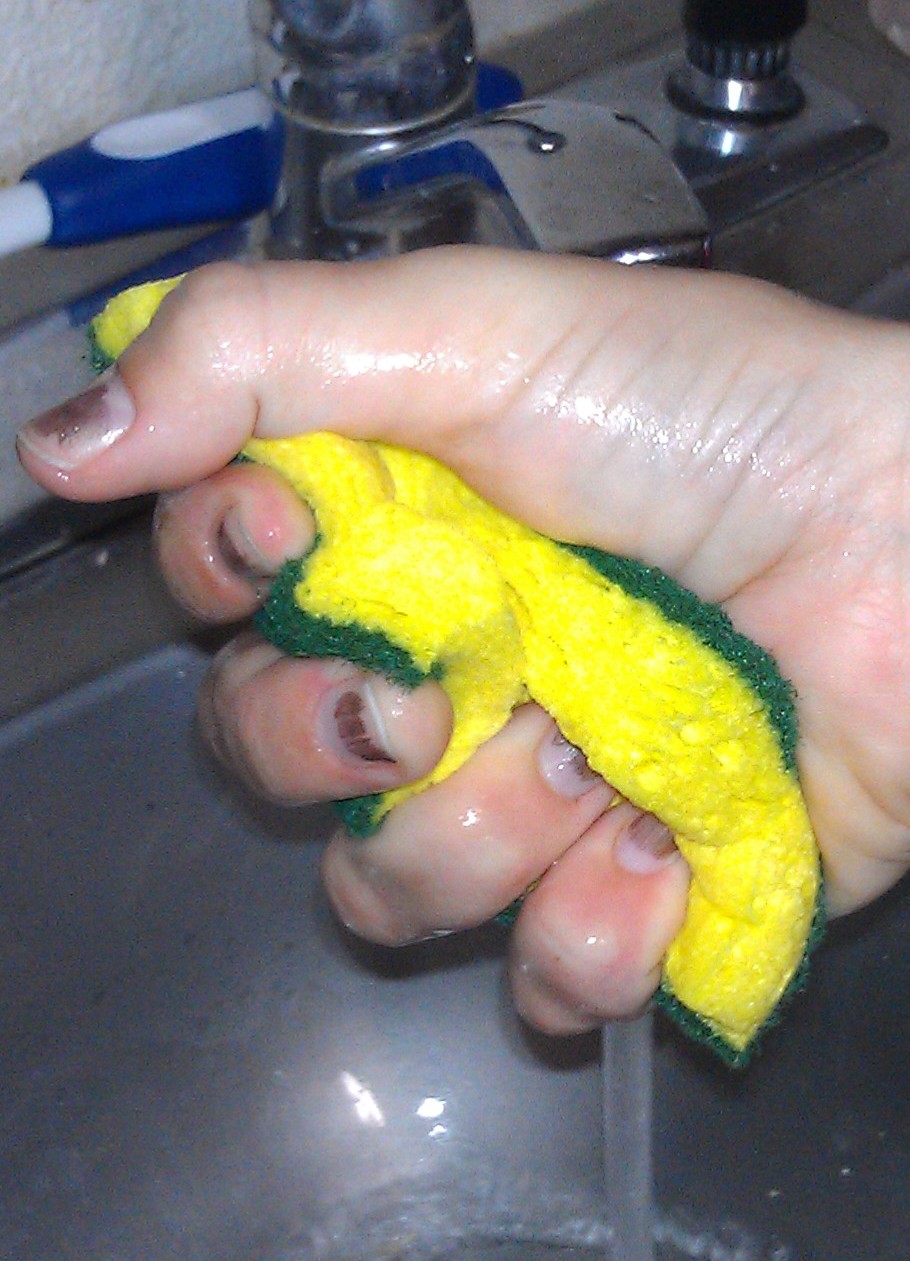 In one of my mastermind groups, we were discussing the law of awareness and one of the participants made the comment “I’m like a sponge, I just listen to everything and soak it all up.” Now I have certainly heard this expression before but this time it really made me think.
We are bombarded with information every day, in fact, I hear the expression “information overload” all the time. We all suffer from information overload but is that because we are trying to process everything at once or simply because there is so much information to process?
I am a big fan of active listening and I think this sponge idea goes hand in hand with it. Picture a sponge being fully saturated. Then we wring it out but there is still a certain amount of moisture remaining in the sponge. I think the way we process information is just like that.
We soak up everything until our mind is full. Then in order to productively function, we need to wring out the non-pertinent information hopefully retaining the information that is needed to accomplish our task and at the same time make room for more. Hopefully the information we keep is really what we need.
Here are four suggestions to productively get rid of the bad and keep the good:
1. FOCUS
It is important to both focus on the import and export sides of data processing. Focusing will allow you filter much of the garbage on the front end. Focus during the processing portion will allow you to keep the information needed and let go of the rest.
2. CLARITY
Be clear on what it is that you are trying to collect. The information we get hit with is broad and unspecific. When we have clarity on what it is that we are trying to accomplish, we are able to pick up on key words and concepts much easier.
3. ACTIVE LISTENING
Listen with your mouth closed and your ears open. The minute we start formulating answers before the question is even asked is the minute that we open the intake door wide open to allow everything or nothing in. Listen with a purpose so you hear what needs to be heard.
4. STRESS
If you are already stressed out about something, you are going to have a hard time processing the information. Even if you feel that it is imperative that you partake in the noise collection, you have to lower the stress level to collect successfully. There is simply only so much room in our mental ram and when our stress level is high, there is most likely little room left on our hard drive.
If you want to avoid information overload and be more productive with your thinking process, be strategic on the front end and plan your desired outcome. My wife always told our boys “garbage in – garbage out.”
Maybe it’s time to get once a week garbage service instead of one a month. Either that, or start recycling more!
***********************************************************************
Don’t miss a single post from Building What Matters by subscribing at the top left of this page.
Help support us by clicking here and Liking our facebook page
Barry Smith www.buildingwhatmatters.com 10/30/12 Photo by author
The post Thinking Is Like A Sponge – Is It Time To Wring Out? appeared first on BUILDING WHAT MATTERS.COM.
]]>The post How To Be A REAL Success – The Things That Matter appeared first on BUILDING WHAT MATTERS.COM.
]]> How do you define real success? I find it interesting how many different answers I get to this question. Let me first say that I do not think there are any wrong answers to the question. Success means something different to everyone. Some may have it connected to financial wealth while others may not have money part of the equation at all.
I also find it interesting that some people are working in areas that have nothing to do with what they define as success. I got to thinking about this the other day when speaking to some high school seniors talking about their next steps in education. Some were going on to college with very specific intentions, some were going on to college unclear as to what fields they were going to study and some were planning careers that did not include college.
I did not think about it at the time, but I would have liked to ask the question “How is what you are going to do make you successful?” One of the programs I am certified to train in is from John Maxwell’s 101 series. It is “How To Be A REAL Success.” You guessed it – another acronym. So here are the four things that Maxwell says that if you can be proficient in, you can be successful in any field at any level.
RELATIONSHIPS
We all have relationships, both personal and business. Clearly our personal relationships have an enormous impact on out attitudes, mental health and even our physical health. Business relationships can not only help us succeed but can help us grow. We have all heard that “it’s not what you know, but who you know.” This may not always be true, but the fact remains that we need help to succeed. We can’t do it alone. Choose the people you develop relationships with wisely. Once you have developed positive relationships, protect them.
EQUIPPING
Like I just said, we can’t succeed alone. In our personal relationships, we need to encourage others and take advantage of any opportunity to help them grow. Part of our overall life goals should be to equip others to do what we are good at doing. We have been blessed with certain skills. I believe we have a moral responsibility to equip others to do the same. In business, this is equally important. Not only can we not do everything ourselves, but we shouldn’t have to. The more we can equip others to do what we do, the more time we will have to focus on we want to do.
ATTITUDE
“Our attitude determines our altitude.” You have heard it before and it’s true. Another great thing about attitude is that it is contagious. There is no better way to lead by example than in our attitude. Others will be watching so give them a good example to follow.
LEADERSHIP
Leadership is influence, nothing more, nothing less. The number one thing in my mind that will lead to success of any kind is to positively influence others. Leadership has both power and responsibility. When we take care of the responsibility piece, we gain the power to make things happen.
If you can positively manage these four things in your life, you can succeed at anything you put your mind to. My suggestion to you is to use them in a way that adds value to others. Others will respect you and follow you if you invest in them and do what you say you will do.
Value and protect your relationships. Equip others to become more than they currently are. Display a positive attitude in everything you do. Act in a way that positively influences others and show strong leadership skills. Do these things and REAL Success will not be far away.
***********************************************************************
Don’t miss a single post from Building What Matters by subscribing at the top left of this page.
Help support us by clicking here and Liking our facebook page
Barry Smith www.buildingwhatmatters.com 10/29/12 photo by author
The post How To Be A REAL Success – The Things That Matter appeared first on BUILDING WHAT MATTERS.COM.
]]>The post “Practice Makes Perfect”, Or Does It? appeared first on BUILDING WHAT MATTERS.COM.
]]> How many times have you heard the expression “practice makes perfect”? Run out of fingers yet? We have all heard it countless times and for the most part believe it to be true. I am not so sure anymore. I can’t argue that the more we work on something, the more proficient we get, and the better we will probably become in doing it.
The part of this that has me questioning the concept is that no matter how good we get at something, what we do with it is really what matters. You may be a great writer or speaker. You might know everything there is about computer hardware. You might even be the best cook there ever was, except for my grandmother of course. But what are you doing with the skills you have been blessed with?
Back to the idea of practice … there is no question that repetition will result in proficiency. But what are you doing, why are you doing it and more importantly, how will you use it to benefit others?
I have a set of golf clubs and I like to golf, but don’t really have the time or money to do it as often as I would like. So how important is it that I practice the game? I don’t golf to win anything. If you have ever golfed with me, you would agree. I like to golf because I enjoy being outside and having a good time with my friends. In this case, practicing has no relevance on my objective.
Alright, where am I going with this … if you are going to practice at something, be clear on your objectives. We all have a story to tell – our story. So why is this important because our story is unique and our experiences can be used to benefit others.
So here it comes … your life is really nothing more than practice. We will never reach perfection. There is only one guy that was perfect and He left His legacy by writing a Book. The rest of us can merely try and practice what we believe in and try and get better at living so that others can be better for what they have learned from us.
Here are a few thoughts as to why it is important to practice life:
1. INSPIRATION
I like to practice things that inspire people. If someone sees something I am doing and how much I enjoy it, maybe it will inspire them to do the same. Not necessarily the same thing, but something that gives them the same joy and fulfillment that I get from what I am doing. Everyone is so busy today, I think sometimes they forget about living. I used to be that guy, but not anymore!
2. PURPOSE
I like practicing things that add to reaching my potential and fulfilling my purpose. Chasing a dream, if you will. I want my words, written or spoken to make a difference in the lives of those around me. So I practice and then I practice some more. I’ll admit, sometimes practice is not fun and it does require work. But hey, practice makes perfect, right?
3. LEGACY
This is probably the biggest reason I practice. I want to make a difference. And not only today, tomorrow or next week. I want to make a difference after I am gone. How do I do that? You guessed it – practice. I practice being a better husband, a better father and a better person all the way around. If you have followed me for long, you know I am a sports fanatic. Seems fitting that those athletes that have left behind a legacy on the field, continued to practice right up until their final game.
I guess the point of my story is this … we practice living every day but are we getting better at it? We all have dreams and the people that are close to us have dreams. If we have to practice anyway, why not practice something that will make a difference.
***********************************************************************
Don’t miss a single post from Building What Matters by subscribing at the top left of this page.
Help support us by clicking here and Liking our facebook page
Barry Smith www.buildingwhatmatters.com 10/15/12 photo by author
The post “Practice Makes Perfect”, Or Does It? appeared first on BUILDING WHAT MATTERS.COM.
]]>The post You Can’t Improve A Business Without Improving It’s People. appeared first on BUILDING WHAT MATTERS.COM.
]]> I am guessing that you have all been to some type of training seminar in which they talk about how to improve your business. “Do this to improve sales”, “Do that to get more out of your employees” or “BUY this and just sit back and watch the results.”
The common theme missing in most of these is what to do to develop your people. To me it is pretty simple. If you want to improve anything, yes I said anything, you need to improve the people that are responsible to achieve the desired results.
The name of my business and the website you are currently on is “Building What Matters.” What matters is “people”. You can’t and won’t move to the next level without developing yourself or those around you. We can automate and streamline the process, but at the end of the day, it is people that are going to make the difference.
Ok, I guess that makes sense, but how does developing people translate to success or improvement? Here are a four ways:
1. EMPOWERMENT
When we develop people, we can create in them the understanding that they have the ability to accomplish anything they put their mind to. Do you ever feel like you expect too much from other people? Is it because they have not lived up to your expectations? Here it is folks … letting other people know that you believe in them is the most empowering act you can do. When people know that others believe in them, they believe in themselves. You want to see results? Empower someone to do more that anyone thought possible.
2. COMMITMENT
When you commit to investing your time and resources into someone else, you are letting them know that you value them. Have you been trying to figure out why there is lack of commitment from those around you? How much have you committed in them? Let’s be honest … we all want a return on our investment. Invest little and don’t expect much in return. When you make the commitment to invest much, watch the return on what you put into it and tell me I’m wrong.
3. CULTURE
There has been a lot of hype lately on culture. There has been a lot written suggesting that when you create a culture that is conducive to high achievement, you will see it come to fruition. This I know, nothing will grow in an environment that is not conducive to growth. It does not matter what we are talking about, personal achievement, group projects, or carrots for that matter. Nothing will grow unless the environment in which it is expected to grow is such that it can happen. Think about it, are the resources that you need to achieve your goals in the environment in which you live or work?
4. PURPOSE
Have you ever really thought about what you purpose is? Better yet, have you asked someone else what their purpose is? Try it, the answers will amaze you. Most people view their purpose as related to what they are, i.e. the title on your business card. Few will give a response that identifies what they want to do. Their passion is what defines their purpose. That being said, what is the plan to achieve it? Alright, this one is pretty loaded, but understand, most people think their purpose is to accomplish the list that has been put before them today. In most cases, someone else created the list. If you want to develop the person, help them identify their purpose and help give them a way to live it.
Zig Ziglar may have said it best:
“You will get all you want in life if you help enough other people get what they want.”
Wow, that’s a lot to think about. Fair enough. So start with something simple. If you want to succeed in whatever it is that you are doing, identify the people that can help you get there and develop them. We all know the value of leading by example. If your focus is only on what you want, how do you think others will act?
***********************************************************************
Don’t miss a single post from Building What Matters by subscribing at the top left of this page.
Help support us by clicking here and Liking our facebook page
Barry Smith www.buildingwhatmatters.com 10/14/12 photo by author
The post You Can’t Improve A Business Without Improving It’s People. appeared first on BUILDING WHAT MATTERS.COM.
]]>The post 5 Ways Leaders Separate Themselves From Managers appeared first on BUILDING WHAT MATTERS.COM.
]]> I have always been intrigued by managers who think they are leaders simply because of their title. In fact, I find it interesting how many people think their title not only defines them but entitles them to certain rights.
Two words that I think describe any great leader are credibility and trust. When you really think about it, neither of these words have anything to do with a title on a business card.
We hear people all the time refer to their superiors as President, CEO, manager and so on. How many times have you heard someone refer to their boss as their leader? If you have, you probably had a much more positive picture of that person. Think about it … to say someone is your leader defines the person. To say they are a manager or even the president merely defines the position.
Here are five ways that leaders separate themselves from managers:
1. LEADERS SEE THE BIG PICTURE
A leader recognizes and understands all the things that impact his circle of influence. It is not just about their department or their project. The big picture goes well beyond today and long term results are part of each decision.
2. LEADERS THINK BEYOND THE THINGS THEY ARE DIRECTLY RESPONSIBLE FOR
It is not just about their department or their project. A leader recognizes that every decision made can affect the entire organization and understands the negative implications of tunnel vision.
3. LEADERS FOCUS ON VISION, VALUES AND MOTIVATION
Leaders are very strategic and specific in the decisions they make and the actions they take. They share their vision, demonstrate their values by the way the live and work and motivate and inspire others to stretch to new levels of achievement.
4. LEADERS ARE PROBLEM SOLVERS
I was once told “don’t come to me with a problem unless you have a solution.” Leaders recognize problems at the onset and develop solutions at the earliest time to avoid negative outcomes. They are not afraid to delegate or collaborate if it is a better way to solve the problem.
5. LEADERS DON’T ACCEPT GOOD ENOUGH
To me, this is the biggest difference between leaders and managers. Leaders are always looking to improve. A manager will work under the concept of “if it’s not broke, don’t fix it.” A leader will understand that if you don’t improve it and make it better, it will eventually break. This is especially important when it comes to people. Complacency and status quo are two things that will eventually result in the demise of any organization.
The bottom line is that managers, although serve an important purpose simply manage. They make sure that all is in order at that point in time. Leaders have the vision to think beyond the present and work towards making tomorrow better than today and help their people to become and achieve more.
People don’t want to managed, they want to be lead. So the question you need to ask yourself is “Am I going to manage or am I going to lead?
***********************************************************************
Don’t miss a single post from Building What Matters by subscribing at the top left of this page.
Help support us by clicking here and Liking our facebook page
Barry Smith www.buildingwhatmatters.com 10/9/12 photo by author
The post 5 Ways Leaders Separate Themselves From Managers appeared first on BUILDING WHAT MATTERS.COM.
]]>The post You Have To Know What The Box Is Before You Think Outside Of It! appeared first on BUILDING WHAT MATTERS.COM.
]]> We have all said it, “Think Outside The Box.” Usually to promote unique thinking that will result in some great new idea or outcome. The problem is that this phrase is used way more than the results are realized.
I was watching the Oregon Ducks play the Washington Huskies last night and one of the announcers commented the Oregon Coach Chip Kelly often asks “why can’t we do it that way.” Chip Kelly is a guy that produces from his “outside the box” thinking.
It doesn’t matter if you are a fan of the Ducks or not, you can’t argue with the results they achieve on the football field. Yes, he runs a fast paced, west coast offense that we have seen before in both the collegiate and professional levels, but he has taken it a step further. He has added some very unique twists and turns to something that already has succeeded and made it better.
I believe that his success is not just from knowing the game but because he loves the game and is passionate about it. Kelly wants to make it better. Better for the fans, better for the coaches and most importantly, better for the players.
Kelly knows what the box is. The box he thinks outside of is a game that is not only meant to entertain, but to develop. When the Oregon Duck players finish their collegiate career and enter into the real world, I think they will have an advantage in the lessons they have learned under Kelly and will be more successful because of it.
One of my favorite quotes from Kelly:
“I saw the ‘Feel Sorry For Yourself’ train leaving the parking lot & none of our players were on it so that was a good sign.”
My takeaway from this piece of genius … his players understand that no matter what kind of coaching they receive, the final product is up to them – On or Off the field. They know that there is no one responsible for their play on the field except themselves. That in itself, is a pretty good lesson for succeeding in the real world.
I am a fan of Chip Kelly for the excitement his teams provide the state that I live in. I am a bigger fan of Kelly because of the leaders he is developing.
Anyone who has followed the Oregon Duck football program knows that there have been some black marks and the programs integrity has been questioned. I am not here to put anyone on a pedestal or judge their actions. We all have made mistakes and done things that we wish we could take back.
“Do what you can, with what you have, where you are.” -Theodore Roosevelt
Yesterday ended at midnight, so my suggestion, make today a masterpiece!
***********************************************************************
Don’t miss a single post from Building What Matters by subscribing at the top left of this page.
Help support us by clicking here and Liking our facebook page
Barry Smith www.buildingwhatmatters.com 10/7/12 photo by author
The post You Have To Know What The Box Is Before You Think Outside Of It! appeared first on BUILDING WHAT MATTERS.COM.
]]>The post Does Your Coach Have A Coach? 6 Reasons Why He Should! appeared first on BUILDING WHAT MATTERS.COM.
]]>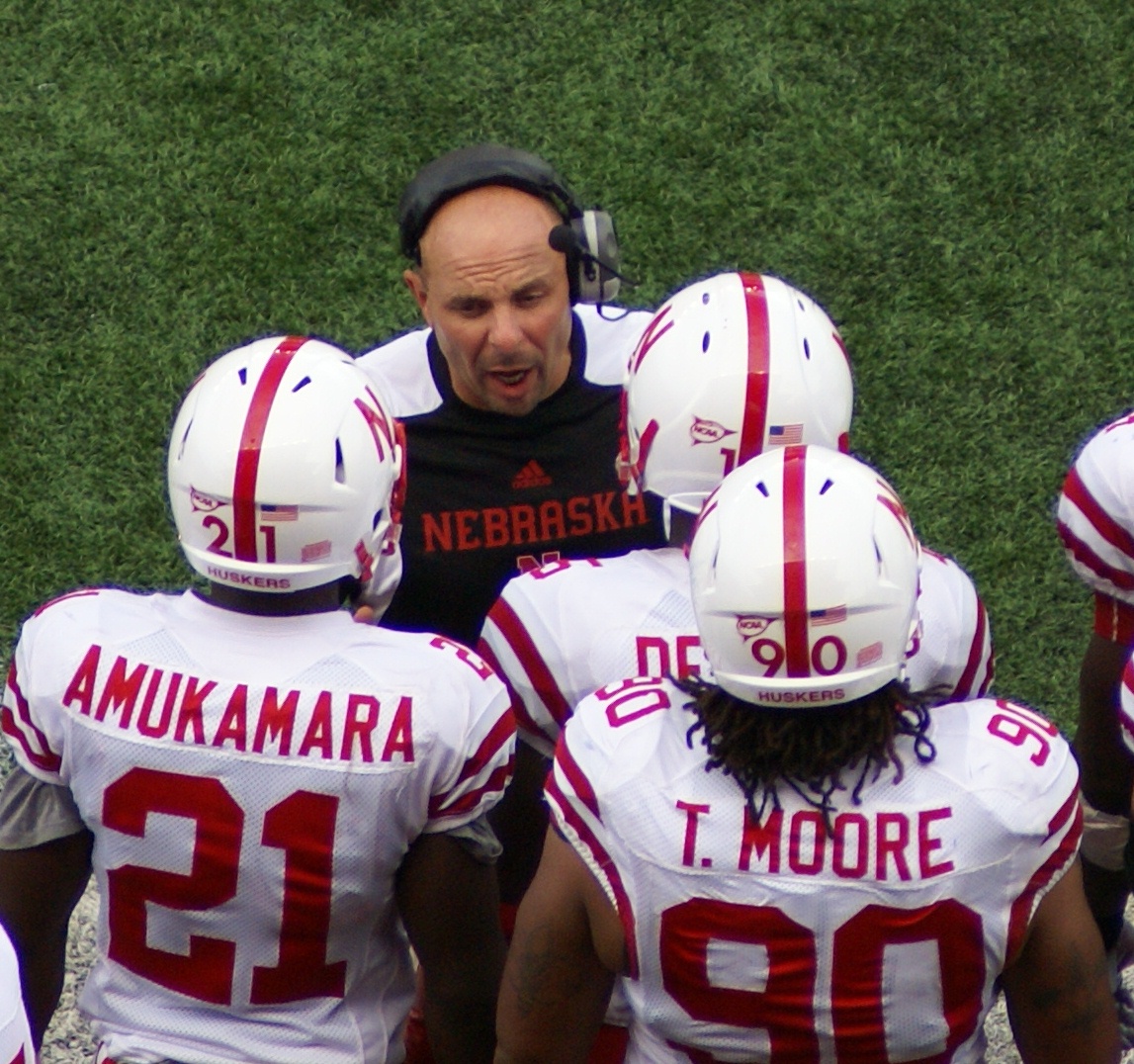 As a coach, I am expected to help others to achieve more. But what about me – the coach – doesn’t it make sense that if I am impressing upon others the value of coaching, that I should have a coach of my own? You bet it does.
I have coaches, mentors and accountability partners. I also am involved in multiple mastermind groups, facilitating some and participating in others. I know what you are thinking … what is wrong with this guy, he must really need help.
While not totally disputing that, I am doing it because I want to get better. Not only better as a coach, but better as a person in general. You will always accomplish more when working with another person or in a group. You only have your perspective and trust me, you don’t know half as much as you think you do. I don’t either!
I recently heard a list of coaching principles from one of my mentors and as I reflected on the list, I realized how this list could apply in so many ways in our lives.
1. Self Awareness
For me, self awareness is crucial. This is what helps me stay focused on my “why”. If I don’t take the time to reflect on my purpose and vision and keep aligned with these I start losing focus on why I do what I do.
2. Presence
Have you ever found yourself in a conversation and you are thinking about anything except what the other person is saying? Being present is a way of showing respect and making the other person feel important.
3. Listening
Hearing and listening are two completely different things. When we truly listen, we are able to not only comprehend what is being said, but also hear was is not being said. Sometimes the things that are not said aloud are more important than what is.
4. Curiosity
I love this one. One of the things that John Maxwell does every day is ask questions. Why? Because he wants to know the answers. You don’t know what you don’t know, so you might want to find out what it is that you don’t know.
5. Effective Questioning
As a coach, I am of the belief that we already have the answers within us, we simply are not asking the right questions. Effective questioning is the best way I know of to get effective answers. What kind of questions are you asking?
6. Intuition
Many people think of intuition as a “gut feeling.” I won’t necessarily disagree with that, but I would take it one step further. Intuition is a gut feeling based on previous experience and the resulting outcomes.
So here is a great list for you to think about. So the effective question becomes “What will you do with it?”
How can you apply one or more of these to improve your life or better yet, the life of someone else?
***********************************************************************
Don’t miss a single post from Building What Matters by subscribing at the top left of this page.
Help support us by clicking here and Liking our facebook page
Barry Smith www.buildingwhatmatters.com 10/6/12 photo by author
The post Does Your Coach Have A Coach? 6 Reasons Why He Should! appeared first on BUILDING WHAT MATTERS.COM.
]]>