The post Leaders Eat Last – Part 3; Culture Trumps Everything appeared first on BUILDING WHAT MATTERS.COM.
]]>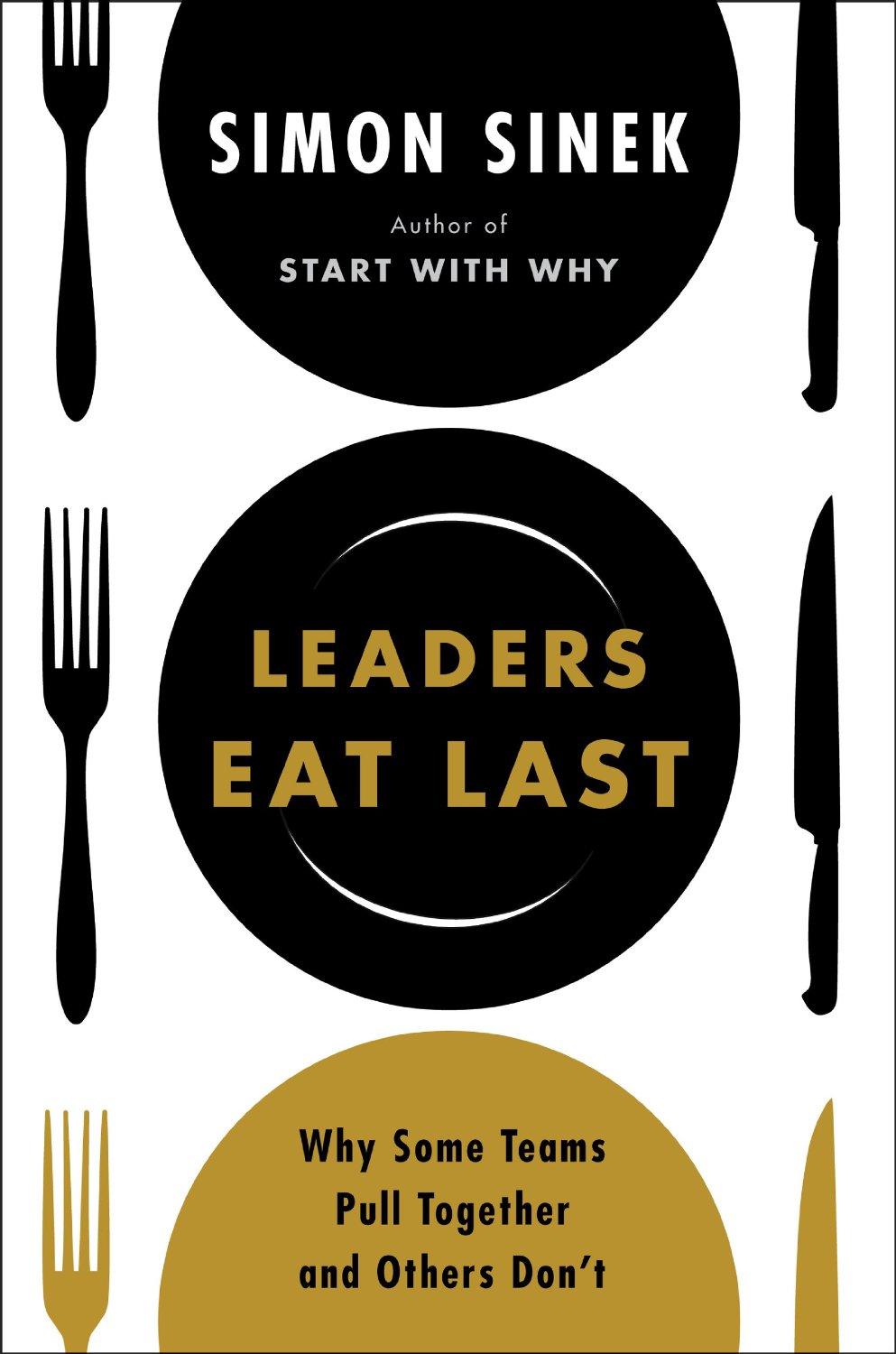 This month, in The Platform Builders Mastermind group, we are working our way through Simon Sinek’s recently released “Leaders Eat Last – Why Some Teams Pull Together and Others Don’t.”
Sinek, the author of Start With Why, provides a deep look into what creates the most effective teams and more importantly, what keeps them working together, even during the most difficult of times.
This is one of those books that will take you a little bit longer to read because so many thoughts require you to take another look, just to make sure you understood the power behind them. A phenomenal effort by Sinek, Leaders Eat Last not only looks at the dynamic of the team but of the individuals that make up that team.
What really sets this book apart is Sinek’s unique look at why some people make good leaders and others don’t and the “why” behind the results they get. In this post, the third of four, I will attempt to capture the basic thoughts of the eight parts of the book.
PART 5: THE ABSTRACT CHALLENGE
ABSTRACTION KILLS – Interesting how much our behavior changes when we are not directly connected to the outcome. Sinek provides an interesting look at how what can happen when we simply follow orders or instructions and disconnect from the results of our actions when we don’t actually “see” the outcome of them.
MODERN ABSTRACTION – A great discussion on the impact of what happens when a employer or leader becomes more concerned about the numbers than the people. Caring about your people will produce the numbers. Never forget that!
MANAGING THE ABSTRACTION – A great quote from this chapter “We like to actually be around people who are like us. It makes us feel like we belong.” As good as the virtual world is becoming, it will never replace sharing the same physical space with like-minded individuals.
IMBALANCE – Simple but powerful thought here. No matter how good something may be, or appear to be, it still needs to remain in balance with everything else. Too much abundance can be a damaging as not enough – maybe even worse!
PART 6: DESTRUCTIVE ABUNDANCE
LEADERSHIP LESSON 1 – So Goes The Culture, So Goes The Company – Culture trumps everything. A leader must provide focus and intentionally keep the culture of the company as a priority. Sinek quotes a former Goldman Sachs employee who described the company as “an environement with no trust, no mutual respect, and above all, no accountability when things went wrong.”
LEADERSHIP LESSON 2 – So Goes The Leader, So Goes The Culture – Some great thoughts here about leaders that empower their people. Your people will act as you do and treat others as they are treated.
LEADERSHIP LESSON 3 – Integrity Matters – A great piece of wisdom here with this one, “Integrity is not about being honest when we agree with each other; it is also about being honest when we disagree, or even more important, when we make mistakes or missteps.”
LEADERSHIP LESSON 4 – Friends Matter – Sinek suggests that cooperation doesn’t mean agreement, it means working together to advance the greater good, to serve those who rely on our protection, not to rack up wins to serve our team or ourselves. We need friendly relationships and need to keep our agenda separate in order to work cooperatively. (Tweet This)
LEADERSHIP LESSON 5 – Lead The People, Not The Numbers – A great observation made here by Sinek, “When a leader has the humility to distribute power across the organization, the strength of the company becomes less dependent on one person and is thus better able to survive.” Building up your people and making sure that they have a path to success is leadership, not the bottom line. Lead well, and the bottom line will take care of itself.
HOLDING YOUR PEOPLE ACCOUNTABLE
My favorite take from this section of the book comes from Sinek’s summary of Captain David Marquet’s Turn the Ship Around. He says this, “It is a leader’s job instead to take responsibility for the success of each member of his crew. It is the leader’s job to ensure that they are all well trained and feel confident to perform their duties. To give them responsibility and hold them accountable to advance the mission.”
Read that again and just think about it for a minute. Does that describe your leadership style? How about the person that is leading you?
***********************************************************************
Click here to get a copy of my Kindle Book “The Manifesto Of An Influential Leader”
Don’t miss a single post from Building What Matters by subscribing at the top left of this page.
Help support us by clicking here and Liking our facebook page
Barry Smith 3/20/14 photo courtesy of amazon © Building What Matters 2014
The post Leaders Eat Last – Part 3; Culture Trumps Everything appeared first on BUILDING WHAT MATTERS.COM.
]]>The post Leaders Eat Last – Part 1; The Forces That Keep Us Safe appeared first on BUILDING WHAT MATTERS.COM.
]]>This month, in The Platform Builders Mastermind group, we are working our way through Simon Sinek’s recently released “Leaders Eat Last – Why Some Teams Pull Together and Others Don’t.”
Sinek, the author of Start With Why, provides a deep look into what creates the most effective teams and more importantly, what keeps them working together, even during the most difficult of times.
This is one of those books that will take you a little bit longer to read because so many thoughts require you to take another look, just to make sure you understood the power behind them. A phenomenal effort by Sinek, Leaders Eat Last not only looks at the dynamic of the team but of the individuals that make up that team.
What really sets this book apart is Sinek’s unique look at why some people make good leaders and others don’t and the “why” behind the results they get. In this post, the first of four, I will attempt to capture the basic thoughts of the eight parts of the book.
PART 1: OUR NEED TO FEEL SAFE
PROTECTION FROM ABOVE – Sinek starts out the book telling the story of pilot Johnny Bravo and about his courageous actions from the battlefield. When asked why he risked his own life to protect the lives of his fellow soldiers, he simply responded “Because they would have done it for me.” Are you willing to do for others what you would expect them to do for you?
EMPLOYEES ARE PEOPLE TOO – The second chapter is built around this great thought from Sinek: “The leaders of great organizations do not see people as a commodity to be managed to help grow the money. They see the money as the commodity to be managed to help grow the people.” Imagine that … focusing on people before profits. Isn’t that interesting?
BELONGING – Sinek introduces the concept of a “Circle Of Safety.” We all want to belong to something and when a culture is created that not only provides the opportunity to be part of it, but also provides security and stability, then engagement, fulfillment and productivity go up as well.
YEAH, BUT … – This is a great chapter. Sinek explores the idea that it is not extra work and long hours that stress people out, but rather the loss of control. When we are able to control our environment, we are much more inclined to remain engaged and loyal to our team.
PART 2: POWERFUL FORCES
WHEN ENOUGH WAS ENOUGH – If you are reading this, you probably already have more than enough. In other words, your basic needs have been met and you are living more abundantly than most of the people on this planet. Sinek begins to take a look at the physiological reasons that influence our thoughts and actions.
E.D.S.O. – Chapter 6 provides a clear picture of the four primary chemical incentives in our bodies and what happens when these chemicals are released.
- Endorphins – This chemical masks physical pain. This is what makes you feel good after strenuous physical activity.
- Dopamine – This is the chemical that makes us feel satisfied, a sense of achievement or accomplishment.
- Sarotonin – This chemical provides a feeling of pride, respect or value. This builds our self-esteem.
- Oxytocin – This is what enables us to form friendships, feel love, and build deep trust.
Sinek does a masterful job describing how all of these play into our role as a leader.
THE BIG C – No, not that one. Cortisol is responsible for the stress and anxiety that we feel when something goes bump in the night. It is our bodies way of telling us that something is not right. The problem is that although it is a defense mechanism, it also puts strain on our body. Using it to our advantage is the challenge.
WHY WE HAVE LEADERS – In order to function as a productive team, organization, or community, someone has to make the first move. Someone has to lead. Someone has to set a course in a new direction or we will simply exist where we are. Someone has to make the first sacrifice so others can follow.
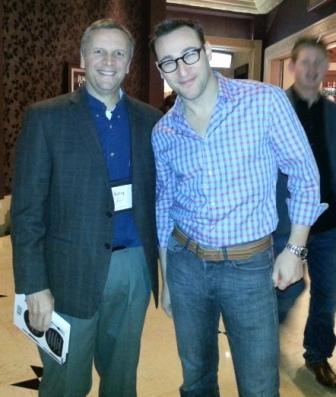 I know we are early in the year, but I have a pretty strong feeling that Leaders Eat Last will be one of my top books for 2014. I actually had to good fortune to meet Simon Sinek earlier this week and hear him speak from the stage.
I can tell you this much, Sinek is the real deal. In a crowded hotel lobby, he gave me his undivided attention and made me feel like the only one in the room. He practices what he preaches and is consistent with his message.
Pulling from his highly viewed TEDTalk video, “People don’t buy into what you do, they buy into why you do it,” (Tweet This / Post to LinkedIn) Leaders Eat Last will fill you in on the “why” that leaders use to lead.
***********************************************************************
Click here to get a copy of my Kindle Book “The Manifesto Of An Influential Leader”
Don’t miss a single post from Building What Matters by subscribing at the top left of this page.
Help support us by clicking here and Liking our facebook page
Barry Smith 3/6/14 photo courtesy of amazon © Building What Matters 2014
The post Leaders Eat Last – Part 1; The Forces That Keep Us Safe appeared first on BUILDING WHAT MATTERS.COM.
]]>The post Being A Character Does Not Mean You Have Character appeared first on BUILDING WHAT MATTERS.COM.
]]> I remember when I was a kid and used to hear things like “what kind of character do you think you are?” or “do you think a character like you is the kind of person that people will like?” At the time, my main objective was to stay out of trouble. That didn’t always work out so good!
I grew up thinking that being a character was a bad thing … a trouble maker, an instigator, basically one who thrives on creating chaos. It was not until later in life that I understood what character is all about.
You have probably heard the expression; “true character is how you act when nobody is looking.” That may be true but what about when they are looking? I won’t dispute the merit in that statement and I believe that it is probably true. But I think the more important point is that who we are when nobody is looking shapes who we are when we are being watched.
I look back at my life and could easily site several times when acting as a character I was clearly acting without character. Fortunately, I can say that those experiences have given me a good understanding of the difference between the two.
So how important is character? Well, let me tell you what I think. Character trumps just about every other personality trait we can have. Why? Because everything else flows through this idea. People of poor character are seldom trusted or respected. People of poor character are not committed or dependable. People of poor character may equally demonstrate values in ethics or morals.
Simply put, if you lack character, you will lack the skills needed to be a leader. Now maybe you are thinking “so what, I am not, nor do I want to be a leader anyway.” Well let me share a little insight with you. John Maxwell says that “Leadership is influence, nothing more, nothing less.” He also says that “Everything rises and falls on leadership.”
You may or may not agree with those statements, but let me ask you a question. Do you ever try and influence others to agree with you? Have you ever tried to persuade someone to believe what you believe? Thought so!
Here is my point. Character represents who you are. It doesn’t matter what you do, your ability to influence others is going to boil down to their perception of your character.
So how do you demonstrate strong character? Simple – start by doing the right thing. If you want to have more influence and heaven forbid, be an influential leader, you need to do more than just the right thing, you need to do the things that you don’t have to do.
Look around and see who you believe is an influential leader. My bet says they are doing things that they don’t have to do. Non-profit work. Community involvement. Donating time to help those lacking the knowledge or resources to do something on their own. The list goes on.
No, you don’t have to do these things but guess what? People of high character, no matter where you are, will be doing things they don’t have to do.
So let me ask you a question; “If asked, would someone who knows you refer to you as a character or a person of character?” They don’t have to be mutually exclusive but they better be individually identifiable!
***********************************************************************
SAVE THE DATE: On October 10th, John will be doing a WEBCAST to teach from his new book and introduce the Maxwell Leadership Assessment. CLICK HERE TO REGISTER FOR THE WEBCAST
Don’t miss a single post from Building What Matters by subscribing at the top left of this page.
Help support us by clicking here and Liking our facebook page
Barry Smith 10/7/13 photo by author © Building What Matters 2013
The post Being A Character Does Not Mean You Have Character appeared first on BUILDING WHAT MATTERS.COM.
]]>The post The Mentor Leader – Part 1: Mandate, Mind-set and Maturity appeared first on BUILDING WHAT MATTERS.COM.
]]>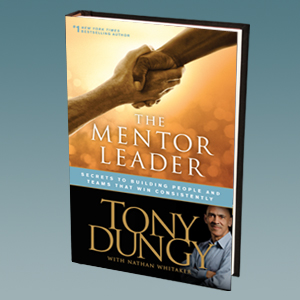 This is the first of three posts discussing “The Mentor Leader – Secrets To Building People And Teams That Win Consistently” by Tony Dungy. I will admit, I have been a fan of Coach Dungy since long before his first book “Quiet Strength” was published. I have been so impressed not by what Coach Dungy has done but by who he is, and more importantly how he has impacted so many lives around him.
His third book, The Mentor Leader, unlocks the concept of leadership much more than Quiet Strength or his second book, Uncommon, had done previously. Make no mistake, they are all worth the read, but The Mentor Leader brings it all home.
The subtitle, secrets to building people and teams that win consistently. says it all. Mentor Leadership is about building people and when you do that, success is sure to follow.
I will break the book’s nine chapters into three posts. The first will discuss the Mandate, Mind-set and Maturity of a mentor leader. The second will cover the Marks, Moments and Model of a mentor leader and the final will address the Means, Methods and Measure or a mentor leader.
THE MANDATE OF A MENTOR LEADER
“Mentor Leaders understand that if we lose sight of people, we lose sight of the very purpose of leadership.”
- Mentor Leaders put people first.
- Mentor Leaders strive for significance in life.
- Mentor Leaders keep an eternal perspective.
John Maxwell recently said that ‘Once you get a taste of significance, you will never settle for success.” Mentor Leaders understand this concept and base their leadership style on making a name for others and not themselves.
THE MIND-SET OF A MENTOR LEADER
“A well-cast vision is one that can be commonly shared by all members of the team.”
- The focus of a Mentor Leader is on the other person.
- Mentor Leaders maximize the present while envisioning the future.
- Mentor Leaders focus on Vision, Mission and Values.
- Mentor Leaders understand it’s all about serving.
The mind-set of a mentor leader is on the big picture. Having clear vision on your mission will require a firm hold on your value system. Strong values will empower a leader to creates strong people. People are who make the difference.
THE MATURITY OF A MENTOR LEADER
“Your past has helped to set a course for what motivates, directs, and drives you, or what holds you back.”
- Mentor leaders deal with the past learning from the experiences.
- Mentor leaders forgive to allow freedom from the things that hold us back.
- Mentor Leaders motivate, prioritize and balance.
- Mentor Leaders focus on strengths
Mentor Leaders are not created overnight. They understand where they are. They understand how their previous decisions have impacted their current condition and they have a clear picture on where they want to go. They are able to utilize all the resources they have and their life experiences to mentor others along the way.
No question today, but a challenge instead. Find someone to mentor you and find someone you can mentor. A life can be changed and it might just be yours!
***********************************************************************
Don’t miss a single post from Building What Matters by subscribing at the top left of this page.
Help support us by clicking here and Liking our facebook page
Barry Smith 7/3/13 photo by amazon © Building What Matters 2013
The post The Mentor Leader – Part 1: Mandate, Mind-set and Maturity appeared first on BUILDING WHAT MATTERS.COM.
]]>The post Countdown To Guatemala – The Journey Begins appeared first on BUILDING WHAT MATTERS.COM.
]]> The day has finally arrived. This morning I boarded a plane in Portland and currently sit in LAX waiting for my flight to Guatemala as part of a team on a mission to make a difference in a Country that has reached out and asked for help.
I have a pretty good idea of some of the events planned for this upcoming week, but then again, part of me says I have no clue. This is the first time I have been involved of something of this magnitude and I know full well that every day will be an adventure.
On the flight from Portland to Los Angeles, I tried to find a few moments to start to really get my head in the game so I can perform at the level needed to meet our purpose of bringing some fresh ideas on leadership to a Country in need of them.
One thing I have learned over the last few years is the power of quiet. When you remove the noise and clutter, it’s amazing what you can learn.
The skies were clear as we flew over southern Oregon and I could see Crater Lake with full clarity and vision. So clear in fact that I could see the reflection of the still snow covered ridge around the lake reflecting back into the water. (This is the last time I will get caught without my camera near by.) But the image remains vivid in my mind.
As I thought about what I could get out of that image it struck me that this upcoming week will be a lot like my flight.
When we took off out of Portland, it only took a few minutes before the clouds took away my vision of the place I call home. The middle part of the flight was mostly clear and the vision was excellent. I saw beautiful images of the Central Oregon Cascades, Crater Lake and Mt. Shasta in Northern California
Then came southern California. As soon as we approached the LA basin you could see that the marine influence had the entire area saturated in white. The vision was gone, the clarity was gone, and the only way we were going to land safely was for the pilot to trust his instruments and flip the right switch and pull the right lever to get us on the ground safely.
I think this next week, and life in general, are a lot like my two hour flight from Portland to Los Angeles this morning. Sometimes we can see with full clarity and vision and sometimes we can’t see at all.
No doubt we will face some challenges this week, but we are clear on our mission and that is where our focus will be. I think my big take away from the flight was the reflection in Crater Lake. Without the clear skies, there would have been no reflection and I believe it can work in the opposite direction just as well. When we take the time to reflect, we gain that clarity and vision.
This week my teammates and I will do a lot of reflecting. Why? Because it’s time to chart a new course and navigate around the challenges that have plagued this Country for years. We have been invited to make a difference and it’s time to answer the call.
For all of you that have supported and encouraged myself, my colleagues on the John Maxwell Team and our non-profit partner EQUIP, I want to say thank you. My responsibilities to the team come first this week, but my hope is to make a little time each night to share the experience as well as our stories of victory.
This is a very exciting and unique endeavor and who knows what it could lead to on an even bigger scale. I look forward to sharing this experience with all of you. Stay Tuned!
***********************************************************************
Don’t miss a single post from Building What Matters by subscribing at the top left of this page.
Help support us by clicking here and Liking our facebook page
Barry Smith 6/9/13 photo by author © Building What Matters 2013
The post Countdown To Guatemala – The Journey Begins appeared first on BUILDING WHAT MATTERS.COM.
]]>The post The 5 Pillars Of Influential Leadership – Part 3: Where Are We? appeared first on BUILDING WHAT MATTERS.COM.
]]>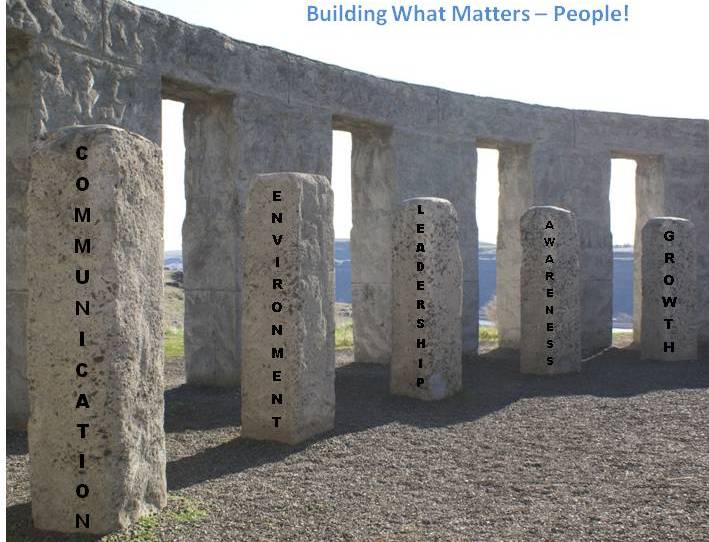 This is the 3rd of 16 weekly installments on The 5 Pillars of Influential Leadership. Every Thursday, I will break down the 5 Pillars and show you how becoming and influential leader will not only improve your job skills but your personal life as well.
The 5 Pillars is a project that I have been working on for almost two years and am looking forward to officially launching “The 5 Pillars of Influential Leadership” Coaching program on May 16th.
Why the 5 Pillars? I have spent more than 30 years in the business world and although it has been primarily in the Construction world, the 5 Pillars philosophy works across all industries. In fact, while developing this program I realized that it can have a significant impact on your personal life as well.
I will break down each Pillar into three sections, personal, business and community. Any growth or improvement needs to start within, with the end goal of influencing the community you live in. In this post we will take a look at BUSINESS AWARENESS.
We need to know where we are at, what we have done that brought us here and most importantly, where we want to be.
PURPOSE
You would be surprised by how many people think that their purpose is to be profitable. Question … Do you select the people you want to do business with because you want them to make money? Probably not. The underlying purpose in business is what leads to success.
RELATIONSHIPS
There is not a business out their that does not depend on their relationships to survive. Relationships are what lead to success and also what allow you to survive when things are tough.
SKILLS
Most people are hired because of their resume. That is merely a way to get through the door. You must be aware of what skills are needed for you to advance and how to go about developing them.
STRESS
Most people try and figure out ways to eliminate stress when the truth is that much of our stress is the result of things beyond our control. Yes, you can eliminates some of the stress you create but focusing on how to manage “outside” stress makes a bigger difference.
CURIOSITY
Businesses that have the “if it’s not broke, don’t fix it” mind-set will probably end up broken. Today’s market is simply too competitive. Being curious about what’s next will lead you there.
POTENTIAL
There are an unlimited number of factors that keep you from reaching your potential. The awareness of these limiting factors or beliefs is the first step in overcoming them.
PASSION
If you don’t have a certain amount of passion for what you are doing, you will find it difficult to be fulfilled from your job. This works for business as well. Survival of any company will be connected to the passion they have for their business.
CLARITY
Clarity is one of the key elements in proper awareness. A clear picture on what your current status is and a clear way forward are necessary for growth. Lack of clarity leads to becoming stuck, or worse.
FRIENDSHIP
The human emotion is something that follows us wherever we go. Creating friendships allows us to keep the personal element alive and working in the business environment. We are not machines and can’t sustain if we act like them.
My coaching program will take each topic to a much deeper level. We will explore open ended questions and how they are directly impacting your life and more specifically in this segment, will allow you to increase your level of awareness as it relates to your business environment. Business awareness is the key to survival in a competitive world.
In the mean time, start asking the type of questions that will result in better answers. When you ask “How can I” you get an answer that will move the needle. “How can I be part of the solution in raising the level of awareness in my workplace” Answer that question, act on it, and you will succeed.
RELATED:
- Click here to see Part 1 of The 5 Pillars Of Influential Leadership
- Click here to see Part 2 of The 5 Pillars Of Influential Leadership
- For more on The 5 Pillars of Influential Leadership and to view my video click here
- To view my guest post in the 2013 International Leadership Blogathon click here
***********************************************************************
Don’t miss a single post from Building What Matters by subscribing at the top left of this page.
Help support us by clicking here and Liking our facebook page
Barry Smith www.buildingwhatmatters.com 4/18/13 photo by author
The post The 5 Pillars Of Influential Leadership – Part 3: Where Are We? appeared first on BUILDING WHAT MATTERS.COM.
]]>The post The 5 Pillars of Influential Leadership – Part 1: Introduction appeared first on BUILDING WHAT MATTERS.COM.
]]>This will be the first of 16 weekly installments on The 5 Pillars of Influential Leadership. Over the next sixteen Thursdays, I will break down the 5 Pillars and show you how becoming and influential leader will not only improve your job skills but your personal life as well.
The 5 Pillars is a project that I have been working on for almost two years and am looking forward to officially launching “The 5 Pillars of Influential Leadership” Coaching program on May 9th.
Why the 5 Pillars? I have spent more than 30 years in the business world and although it has been primarily in the Construction world, the 5 Pillars philosophy works across all industries. In fact, while developing this program I realized that it can have a significant impact on your personal life as well.
During these thirty years, I have seen good leadership, poor leadership and no leadership. My friend, mentor and partner, John Maxwell has a few thoughts on leadership:
“Everything Rises and Falls on Leadership” as well as “Leadership is Influence, Nothing More and Nothing Less”
If you follow his logic, it would make sense that everything rises and falls on influence. I have observed that our great leaders were great influencers and I believe that there is a progression that they all followed along their path to becoming great leaders. Think about it – in almost everything we do, we attempt to influence an outcome and that outcome generally depends on getting results from others.
In becoming leaders that produced results and gained respect, they developed skills along the way that were directly related to their success. The progression of these skills I call The 5 Pillars of Influential Leadership. Although there is overlap within the Pillars and they do not always need to be completed in exact order, solid development in one will produce greater success in the next.
PILLAR 1 – AWARENESS
It is imperative to know where you are, where you have been that got you there and most importantly, where you want to go.
PILLAR 2 – ENVIRONMENT
Once you have a firm grasp on your current condition, evaluate the environment you are in and whether or not it is conducive to growth.
PILLAR 3 – GROWTH
Knowing where you are and where you want to be, along with an environment conducive to growth will allow you to start growing your skills and moving towards your potential.
PILLAR 4 – COMMUNICATION
Effective communication requires success within the first three pillars. Additionally, influential leaders communicate in a way that helps others to achieve more and move towards reaching their own potential.
PILLAR 5 – LEADERSHIP
Influential leaders know exactly where they are and where they are headed. If they don’t have an environment conducive to their own growth or the growth of others, they create one. They are life long learners and are able to not only communicate, but connect with others.
Over the next 15 weeks, we will break down each Pillar into three sections:
- Personal – How the individual improves themselves.
- Business – How our actions impact our business and business relationships.
- Community – How we as individuals and employees impact our community including our families and friends.
Wayne Dyer said that “When you change the way you look at things, the things you look at change.” The 5 Pillars will help you to change the way you look at both your business and personal lives. I look forward to seeing you next week when we take on the challenge of increasing our personal awareness.
For more on The 5 Pillars of Influential Leadership and to view my video click here
To view my guest post in the 2013 International Leadership Blogathon click here
***********************************************************************
Don’t miss a single post from Building What Matters by subscribing at the top left of this page.
Help support us by clicking here and Liking our facebook page
Barry Smith www.buildingwhatmatters.com 4/4/13 photo by author
The post The 5 Pillars of Influential Leadership – Part 1: Introduction appeared first on BUILDING WHAT MATTERS.COM.
]]>The post “Building What Matters” to Represent in 2013 International Leadership Blogathon appeared first on BUILDING WHAT MATTERS.COM.
]]> On March 1st, a large conglomerate of leadership experts, coaches, speakers, authors, and leaders will come together for the 2nd Annual International Leadership Blogathon on http://www.ToddNielsen.com. For 31 days we will read amazing stories, unparalleled experiences, and leadership wisdom oozing from every crevice of the Internet. There are a total of 41 writers for the blogathon, gathered from countries.
Last year’s blogathon brought an amazing source of wisdom, much of which would be hard to come by collectively on any single blog or book. This year’s articles raise the bar so much higher.
Below are the 41 writers for the blogathon. I’d invite you to read more about them and make sure to sign-up for updates to receive the articles in your inbox every day. Plus there will be some prizes and contests, here and there, throughout the month to win books and some other leadership products.
DATE |
AUTHOR |
COUNTRY |
| March 1st | Lolly Daskal | USA |
| March 2nd | Kate Nasser | USA |
| March 2nd | Susan Bagyura | USA |
| March 3rd | Dan Forbes | USA |
| March 3rd | Chris Lema | USA |
| March 4th | Brendan Howe | Canada |
| March 5th | Dave Bradley | UK |
| March 6th | Martina McGowan | USA |
| March 7th | Joan De Winne | Belgium |
| March 8th | Kai Roer | Norway |
| March 9th | Ali Paskun | USA |
| March 9th | Susan Thorn | USA |
| March 10th | Susan Mazza | USA |
| March 10th | Andy Phillips | Colombia |
| March 11th | Heidi Alexandra Pollard | Australia |
| March 12th | Lora Crestan | Canada |
| March 13th | Ogwo David Emenike | Nigeria |
| March 14th | Steve Nichols | UK |
| March 15th | John Thurlbeck | UK |
| March 16th | T. Hampton Hopkins | USA |
| March 16th | Barry Smith | USA |
| March 17th | Coleen Jolly | USA/UK |
| March 17th | Ray Attiyah | USA |
| March 18th | Janine Garner | Australia |
| March 19th | Alli Polin | Austrailia |
| March 20th | Frode Heimen | Norway |
| March 21st | Kimunya Mugo | Kenya |
| March 22nd | Maria Gardner | UK |
| March 23rd | Tanvi Bhatt | India |
| March 23rd | Rob Ryan | USA |
| March 24th | Chris Young | USA |
| March 24th | Jonathan Creaghan | Canada |
| March 25th | Peter Sterlacci | Japan |
| March 26th | William Powell | Finland |
| March 27th | David Hain | UK |
| March 28th | Sandro De Silva | Netherlands |
| March 29th | Paul Jolicoeur | Canada |
| March 30th | Allison Macintoshwright | UK |
| March 30th | Richard Andrews | UK |
| March 31st | Tom Shulte | USA |
| March 31st | Todd Nielsen | USA |
I can’t wait to take part with all of these great minds, as well as the thousands of readers to create a fantastic leader
The post “Building What Matters” to Represent in 2013 International Leadership Blogathon appeared first on BUILDING WHAT MATTERS.COM.
]]>The post Why We Need Influential Leaders appeared first on BUILDING WHAT MATTERS.COM.
]]> As a life long student of Leadership, I have found it interesting how many people view the word as a noun instead of a verb. I understand that both can apply but the role of influential leaders is to provide action. John Maxwell says it best in one of his often used quotes “Leadership is influence, nothing more, nothing less.”
I have asked many people what leadership means and often times I get responses like, “the people that run the business” or “a group of people that make the decisions.” I suppose both are potentially correct but I see leadership as those that are influencing others.
The President of the United States is not just the individual who sits in the Oval Office. He is the person that is leading our Country. His decisions will influence the way our Nation operates both in success and in failure. I make no political statement here, just simply stating that the people that hold leadership positions, influence the outcome of those which they are leading.
The important question to me is, how much influence are they really having on those that they are leading? If we want to succeed in business, or in life, we need influential leaders. Leaders that are making a positive impact within the region, business or family in which they exist.
Here are a five ways to identify an Influential Leader:
1. AWARENESS
An influential leader has keen awareness of what the issues are. Have you ever heard a leader speak and thought “He has no idea what is really going on?” Leaders often lose touch on the pulse of the people they are leading. To facilitate change and forward movement, a leader needs to be aware of the issues and how his decisions will impact his people.
2. VISION
An influential leader has clear vision on what the desired outcome is for his role as a leader. There are two parts to this vision. The first is that the vision is in alignment with the needs of the people. The second is that this vision had been clearly communicated. This will provide in buy-in from his followers and unity and strength in moving forward as a whole.
3. DEVELOPING OTHERS
An influential leader develops those around him. It is crucial for the success of any organization to grow the people within that organization. If a leader has a long list of things “only he can do”, he is not doing a good job developing others. Eighty percent of a leaders time should be spent on only the things he can do. If this time is being spent on things that can be delegated, he is doing a poor job of developing and empowering others.
4. ENVIRONMENT
An influential leader works to create and develop and environment that is conducive to growth for both the individuals and the organization. A healthy environment is a place where others can thrive and grow. A place where there are opportunities to reach their potential.
5. LISTENING
Above all, an influential leader is a good listener. I said a good listener. A good listener blocks out his own personal agenda when actively listening. He also acts on what he has heard. No one person has the ability to make decisions on their own. They need to listen both to their staff and the people they represent.
Leadership is influence and in order to have influence there needs to be action. The results will be defined by the action taken. If you are a leader, what kind of results are you getting from your influence? If you are a follower, what kind of influence does your leader have on you?
Don’t be a positional leader. Having your name posted on your door or the word “president” as a title mean nothing unless you are acting in a way that fulfills the responsibility of that position.
Your influence as a leader will define your legacy as an individual. Are you creating the legacy that you want?
***********************************************************************
Don’t miss a single post from Building What Matters by subscribing at the top left of this page.
Help support us by clicking here and Liking our facebook page
Barry Smith www.buildingwhatmatters.com 2/1/13 photo by author
The post Why We Need Influential Leaders appeared first on BUILDING WHAT MATTERS.COM.
]]>The post The Law Of The Ladder – Character Determines Growth appeared first on BUILDING WHAT MATTERS.COM.
]]> The Law of the Ladder says that “Character Growth Determines the Height of Your Personal Growth.” I had to think about this one a little bit. So according to the law, the better character I have, the better my ability to grow.
I guess if you think about it, it makes sense. If I am able to follow a strict code of conduct related to morals and values or “character” it would follow that I could accomplish the same consistency with personal growth.
I have to admit, I never really put these two things together but once you consider that our habits, or lack thereof, are fairly consistent regardless of the issue. If we don’t follow through on the small things, we most likely won’t follow through on the big things.
The higher our level of character, the higher our level of respecting and honoring the things that really matter. John Maxwell in his book The 15 Invaluable Laws of Growth describes the five rungs of his ladder:
1. I WILL FOCUS ON BEING BETTER ON THE INSIDE THAN ON THE OUTSIDE – CHARACTER MATTERS
How you are on the inside is the real picture of your character. There are many people that we deal with every day that we view as fake. Authenticity comes from within and is usually is one of the first things identified during a first impression. How do you represent?
2. I WILL FOLLOW THE GOLDEN RULE – PEOPLE MATTER
Treat others as you would like to be treated. Easier said than done, right? You may have a chip on your shoulder over something, but at the end of the day – people matter. Your character will show them how much.
3. I WILL TEACH ONLY WHAT I BELIEVE – PASSION MATTERS
We all have opinions, but for some of us, those opinions get mixed into teaching or training that we are responsible for. Do us all a favor and only teach on what you believe in. You are doing your students or clients a disservice by selling them on something you don’t believe in yourself.
4. I WILL VALUE HUMILITY ABOVE ALL VIRTUES – PERSPECTIVE MATTERS
We all probably know numerous people who don’t even know what humility means. And some that do, simply disregard it. Being humble is a sure way to focus attention on the other person and take the attention off yourself. We all have something to offer, but be of integrity and only offer it up when the person on the receiving end is ready to receive it.
5. I WILL STRIVE TO FINISH WELL – FAITHFULNESS MATTERS
Above all, strive to complete the task and finish strong. Finishing what you started displays not only character, but commitment. We all know the “I was gonna” guy. Most of us rely on other people to complete their list of tasks so that we can complete ours. Remember, we are talking about growth. If you expect to grow, you not only need to complete your list for everyone else, you need to complete your own.
“Ninety-nine percent of leadership failures are failures of character.”
– Retired General Norman Schwartzkoph
Good character, with honesty and integrity is essential to leading a successful life. Personal growth starts at our core. Are you ready to grow?
**********************************************************************
Next Up: Law #10 The Law of the Rubber Band.
Don’t miss any of these Invaluable Laws by subscribing at the upper left of this page.
Help support us by clicking here and Liking our facebook page
Barry Smith www.buildingwhatmatters.com 12/5/12 photo by author
The post The Law Of The Ladder – Character Determines Growth appeared first on BUILDING WHAT MATTERS.COM.
]]>