The post Leaders Eat Last – Part 4; Serving Those That Serve Others appeared first on BUILDING WHAT MATTERS.COM.
]]>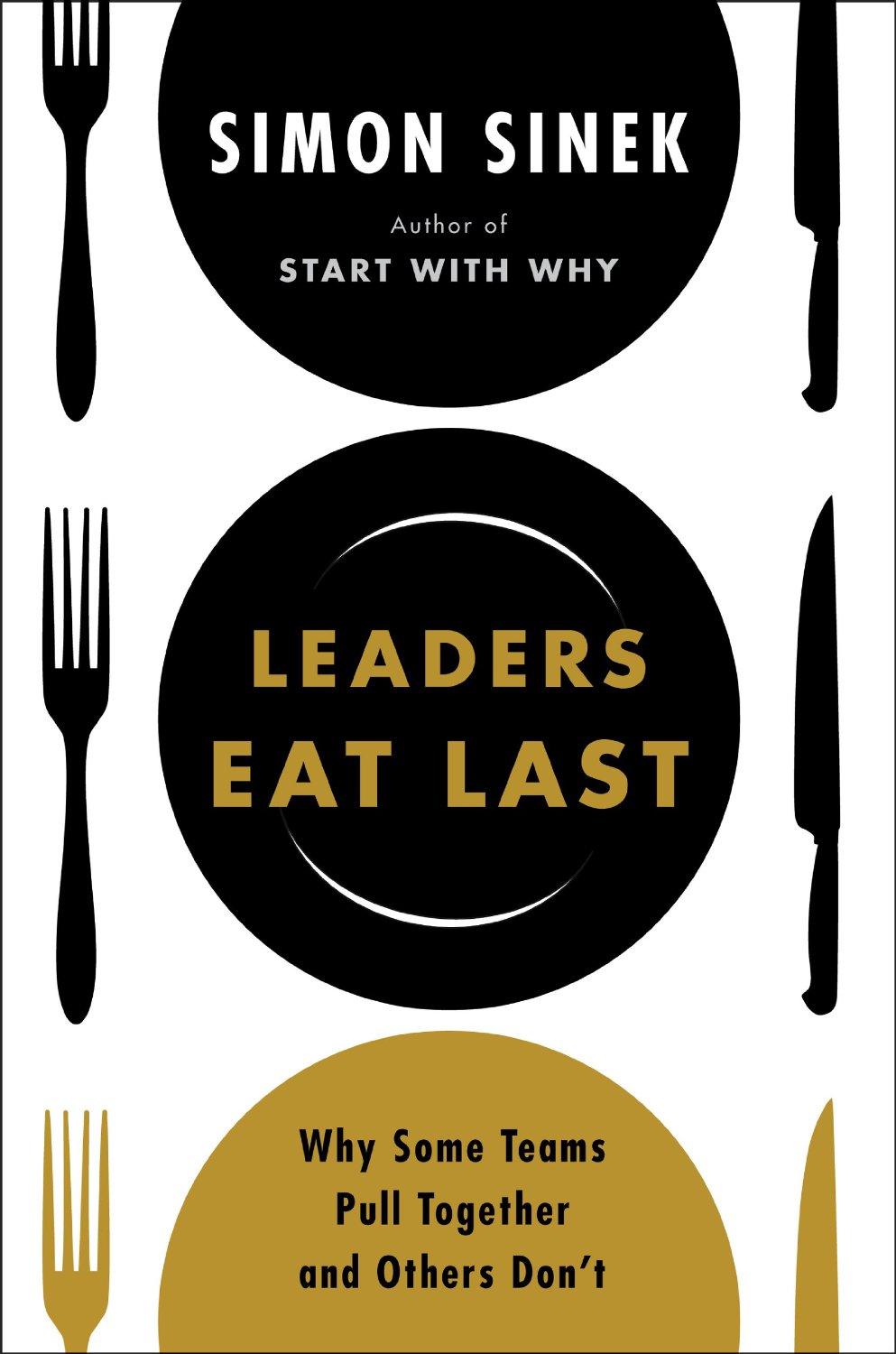 This month, in The Platform Builders Mastermind group, we are working our way through Simon Sinek’s recently released “Leaders Eat Last – Why Some Teams Pull Together and Others Don’t.”
Sinek, the author of Start With Why, provides a deep look into what creates the most effective teams and more importantly, what keeps them working together, even during the most difficult of times.
This is one of those books that will take you a little bit longer to read because so many thoughts require you to take another look, just to make sure you understood the power behind them. A phenomenal effort by Sinek, Leaders Eat Last not only looks at the dynamic of the team but of the individuals that make up that team.
What really sets this book apart is Sinek’s unique look at why some people make good leaders and others don’t and the “why” behind the results they get. In this post, the final of four, I will attempt to capture the basic thoughts of the eight parts of the book.
PART 7: A SOCIETY OF ADDICTS
AT THE CENTER OF ALL OUR PROBLEMS IS US – A very enlightening chapter that explains a lot about some of the cultural problems we are facing and how they translate into the way we lead. Our desire for immediate gratification has taken many of us off our A-game.
Sinek makes a great observation when he says, “Leadership is about taking responsibility for lives and not numbers. Managers look after our numbers and our results and leaders look after us.” Seems like we currently have a shortage of leaders.
AT ANY EXPENSE – The demand for results, and achieving them now, has thrown us completely out of balance. Dopamine is a good thing when taken in moderation. Unfortunately, the recognition for achievement had created an addiction that is as contagious as the plague.
I have to go back to one of the statements I made in an earlier post. We have moved from a collaborative to a competitive culture and the desire, and demand, to keep up with the Jones’ has resulted in a somewhat overlooked epidemic of dopamine addiction.
THE ABSTRACT GENERATION – This chapter really hit home for me. I have often described Generation Y as the entitlement generation. I don’t know that I would go back on that statement entirely, but I do have a very different perspective after listening to what “Simon says.”
Our culture of immediate gratification has created a generation that expects things to happen now – so why wouldn’t they expect that? The difference is that I understand more of the why behind their actions and attitude and realize that success will not come from changing them, but from embracing them and using the strengths they do bring to the table.
PART 8: BECOMING A LEADER
STEP 12 – An interesting comparison the the alcoholics anonymous 12 step approach to recovery. The great point made by Sinek here is that service is the key to breaking the dopamine addictions in our organizations. Serving puts the real focus back on the people and not on the numbers and the interesting thing is that focusing on the people has actually shown to produce the numbers.
SHARED STRUGGLE – This was a great chapter! The idea is that we ultimately perform our best when we are backed into a corner and have no other choice than to depend on those around us to get through the current challenge. The power of working collectively as a team, sharing in the struggle, has a special way of bringing out the best in us. Oxytocin anyone?
WE NEED MORE LEADERS – How about this gem from Sinek: “Leadership is not a license to do less; it is a responsibility to do more.” We have lots of “leaders” in our lives, unfortunately not all of them are leading.
Sinek continues to finish strong, suggesting that leadership is about “committing to the well-being of those in our care and having the willingness to make sacrifices to see their interests advanced so that they may carry our banner long after we are gone.” And then closes the book with what I consider a very powerful “call to action” for all of us …
LET US ALL BE THE LEADERS WE WISH WE HAD
– Simon Sinek (TWEET THIS)
We were honored to have Simon join The Platform Builders on a call this week as we wrapped up our mastermind study on the book. All I can say is WOW! He added so much value to our tribe in just a short while. One golden pearl of wisdom and inspiration after another. There will several takeaways but I will leave you today with this one, “True fulfillment comes from serving those that serve others.” (Tweet This)
That statement came along with the story of his trip home from Afghanistan on a Military flight in which he shared the back end of the plane for nine hours accompanied by only the flag draped casket of a fallen soldier. His reflection … “You want to talk about a life impacting experience that puts things in perspective!” We still have much to hear from Mr. Sinek and I for one, can’t wait!
***********************************************************************
===> JOIN THE “LEADERSHIP BY INVITATION” LAUNCH TEAM <===
Click here to get a copy of my Kindle Book “The Manifesto Of An Influential Leader”
Don’t miss a single post from Building What Matters by subscribing at the top left of this page.
Help support us by clicking here and Liking our facebook page
Barry Smith 3/28/14 photo courtesy of amazon © Building What Matters 2014
The post Leaders Eat Last – Part 4; Serving Those That Serve Others appeared first on BUILDING WHAT MATTERS.COM.
]]>The post The Men Who Built America – JP Morgan appeared first on BUILDING WHAT MATTERS.COM.
]]> Well here we are, a new year and a new plan, right? I know this – the Platform Builders have some new plans for 2014 and this year we are starting our Mastermind study with a little twist.
This month we are masterminding through The Men Who Built America, a DVD produced by the History Channel along with Think and Grow Rich by Napoleon Hill to compliment the mini-series built around some of the great early leaders and entrepreneurs that help build the United States into a world power at the end of the 19th Century.
If you don’t know the back story on how these two connect together, Napoleon Hill was commissioned by Andrew Carnegie to study the most successful people and find out what resulted in their success. The men who built America were among many of the 20,000+ that Hill interviewed over the twenty year period it took him to write the book.
This month we are going take a look at Andrew Carnegie, Thomas Edison, JP Morgan and Henry Ford. In this, the second of four posts, we will take a look at JP Morgan.
Morgan, most recognized a revolutionizing the way America deals with finance never settled for “good enough.” He partnered with Edison and became a major player in the power industry and later became a master of consolidating organizations to create bigger profits and greater impact.
So why did a man who was born into wealth and never knew what it was like to be in need, risk it all and become “one of the men who built America?”
I Don’t Know Why, But It Just Doesn’t Feel Right.
THE SIXTH SENSE
“Go as far as you can see; when you get there, you will be able to see farther.” – JP Morgan
It would be hard to argue that Morgan “had it all” from day one, yet he was never satisfied. Driven by the success of Carnegie and Rockefeller, Morgan worked off what he believed could be done.
Even through great opposition from his father, he risked the family wealth to pursue the development of electrical power. Even when successful organizations already existed, Morgan’s sixth sense helped him to realize that by combining forces, an even greater business could be developed as seen in General Electric and US Steel.
You Don’t Know What You Don’t Know.
DECISION
“A man typically has two reasons for doing anything: a good reason and the real reason” – JP Morgan
Time and time again, Morgan was faced with difficult decisions. His father was against much of what he did and his vision often included the success of others such as Edison. That being said, he always stood behind his decisions and maintained a forward movement. Why? Because he made a decision. Right or wrong, a decision was made to move forward. If an adjustment needed to be made, he made it. The point is, that Morgan never let the details or fear hold him back. It was not a matter if it was going to be done, simply how.
Plan Your Work And Work Your Plan!
ORGANIZED PLANNING
“No problem can be solved until it is reduced to some simple form. The changing of a vague difficulty into a specific, concrete form is a very essential element in thinking.” – JP Morgan
No one better exemplified the art of organized planning than Morgan. Early on, he successfully planned many activities related to the family financial business. Some actually helped to keep America on it’s feet. Realizing that he could be more powerful by partnering with other individuals and corporations, Morgan put together the necessary plan to take both successful and struggling businesses to new levels of success. This was done by creating a plan that worked and then working that plan.
Tony Robbins said; “It is in your moments of decision that your destiny is shaped.” (Tweet This / Share on Facebook / Post to LinkedIn)
The men who build America made both good and bad decisions along their way to power and wealth. The difference – they always made a decision. They all realized that doing nothing would produce exactly that – nothing.
We are faced with decisions every day. Fear has a tendency to keep us from making the difficult ones. My challenge today – choose something you have been struggling with in making a decision and make one. No progress will be made by standing still. There is no neutral in life – you are either moving forwards or backwards. (Tweet This)
What difficult decision will you make today?
***********************************************************************
Click here to get a copy of my Kindle Book “The Manifesto Of An Influential Leader”
Don’t miss a single post from Building What Matters by subscribing at the top left of this page.
Help support us by clicking here and Liking our facebook page
Barry Smith 1/22/14 photo courtesy of Amazon © Building What Matters 2014
The post The Men Who Built America – JP Morgan appeared first on BUILDING WHAT MATTERS.COM.
]]>The post Boundaries For Leaders – Part 2: Focus On What You Control! appeared first on BUILDING WHAT MATTERS.COM.
]]>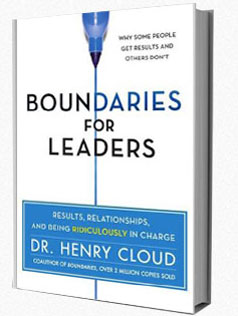 I am currently reading Boundaries For Leaders – Results, Relationships and Being Ridiculously In Charge by Dr. Henry Cloud. Twenty years after he co-authored “Boundaries – When to Say Yes, How to Say No to Take Control of Your Life” Dr. Cloud brings a fresh look to how boundaries relate more specifically to leadership.
Dr. Cloud does an incredible job providing insight on why some people get results and others don’t. Simply stated, when we invest time beyond the boundaries “we should have” we reduce the results we achieve along the way.
Dr. Cloud has taken a complex issue and has broken it down into simple terms that every leader should be able to embrace and implement into their leadership and life style.
This will be the second of three posts exploring what it takes to lead teams, companies and cultures defined by high performance and healthy relationships.
POWER THROUGH CONNECTION
I find it interesting how often we think we are the “only ones” going through a certain challenge. Dr. Cloud brings some great ideas to the surface looking at how we can not only share our thoughts by connecting with others, but can actually change the way we think.
He states that; “improving performance didn’t hinge only on learning new technical skills or on working on the right plan; it depended on changing the team’s mood and improving relationships outside and inside work.“ Working together, connecting as a team, allows us to do this.
THE GATEKEEPER OF THINKING
If you are looking for clarity on the impact between positive and negative thinking, this is the chapter for you. Dr. Cloud makes the following statement: “The prevailing thinking patters of a team or of an organization – its norms and belief systems – will define what it is and what it does.”
A tremendous amount of content and information to process here but the reality is that “positive thinkers” significantly out perform “negative thinkers.” Again, back to what I think is his motto for the entire book “You get what you allow and what you create”, Dr. Cloud shows how the negative thinkers are allowing things to happen while the positive thinkers are creating and making things happen instead of allowing them happen.
CONTROL AND RESULTS
This chapter alone is worth reading this book. Simply put; “Focus your people on what they have control of that directly affects the desired outcomes of the organization.“ Dr. Cloud goes on to say that; “When people’s brains are working at their best, they are more creative, better problem solvers, less reactive, more proactive and goal oriented.”
He further adds that when our thoughts are focused on things that we have no control over, it actually brings our brain functioning down. Focusing on the things that we can control enables and empowers us to create the outcome. Our only actions on things that we don’t control are to allow them to impact us or not. This is typically a matter of choice and should not require a significant investment of time.
This book has really challenged me to take a look at “what I am creating and what I am allowing.” I have already begun to shift my mental efforts into that which I can control with the intent of creating the outcome that I desire.
I offer an exercise from the book that Dr. Cloud had used during training. Take a piece of paper, draw a line down the middle and on the left side, write down all the things you have no control over. On the right side, write down all the things you do have control over. Now evaluate how much effort you are putting into each side.
My challenge: Start moving towards “Right Side” thinking and watch things start to change.
***********************************************************************
Don’t miss a single post from Building What Matters by subscribing at the top left of this page.
Help support us by clicking here and Liking our facebook page
Barry Smith 10/16/13 photo courtesy of Amazon © Building What Matters 2013
The post Boundaries For Leaders – Part 2: Focus On What You Control! appeared first on BUILDING WHAT MATTERS.COM.
]]>The post Do You Want To Be Treated Fair Or Equal? appeared first on BUILDING WHAT MATTERS.COM.
]]> I recently had a conversation with a client on the difference between fair and equal. The conversation revolved around the way we raised our kids but it got me thinking about the bigger picture.
Do you want to be treated fair or equal? Are they the same? Does it depend on the situation? Maybe they mean something completely different. Who gets to decide?
If you want to know my answer, it’s fair. Well some of the time. Those of you that follow me know that I don’t make political statements and this post will be no exception. That being said, I firmly believe in equal rights, freedom of speech as well as the freedom to pursue happiness.
We should all be treated equal and we should all have the right to pursue what we desire. Where I get stuck is on equal opportunity. I don’t want to get stuck playing word games and this could easily be a simple issue of how you define opportunity. Opportunity is not being handed something that is available. I believe that is enabling.
What is fair is providing the opportunity but letting the most deserving, the one who has worked the hardest, the one who is willing to risk what they already have to achieve more, receive that opportunity.
This is the problem. Our culture had allowed these two terms to be watered down so much that we no longer recognize the difference. We have a broken system and no one party, organization, or administration is to blame. I think we spend so much time talking about the problem and whose at fault that we forget to work towards finding a solution.
My opinion, yes my opinion, is not based on race, color, religion or political affiliation. It is based on the belief that we need to stop enabling and start empowering. The only way for people to get better, and better off, is to empower them to do so.
What’s fair to invest in people so that they will invest in themselves and in-turn will begin to invest back in others or in their communities. That’s fair to them and fair to everyone else.
I may get a little push back on this post, and that’s ok. Why? Because I will stand behind my words. I am willing to invest in others. I believe in people and that the greatest gift we can give them is to do just that – believe in them.
I have no problem whatsoever, in giving a person an opportunity, but if we fail to empower them to embrace that opportunity as a way forward, we are doing them a dis-service and we collectively continue to be part of the problem instead of the solution.
My challenge today is to consider the desired outcome in helping those in need. It doesn’t matter if it’s material goods, a job opportunity or maybe something as simple as a little encouragement.
Consider what you are doing or providing – is it a short term solution to a long term problem or is there a way to empower someone to be part of their own solution?
***********************************************************************
SAVE THE DATE: On October 10th, John will be doing a WEBCAST to teach from his new book and introduce the Maxwell Leadership Assessment. CLICK HERE TO REGISTER FOR THE WEBCAST
Don’t miss a single post from Building What Matters by subscribing at the top left of this page.
Help support us by clicking here and Liking our facebook page
Barry Smith 9/28/13 photo by author © Building What Matters 2013
The post Do You Want To Be Treated Fair Or Equal? appeared first on BUILDING WHAT MATTERS.COM.
]]>The post Discover Your Sweet Spot – Part 3: The Maintenance Phase appeared first on BUILDING WHAT MATTERS.COM.
]]>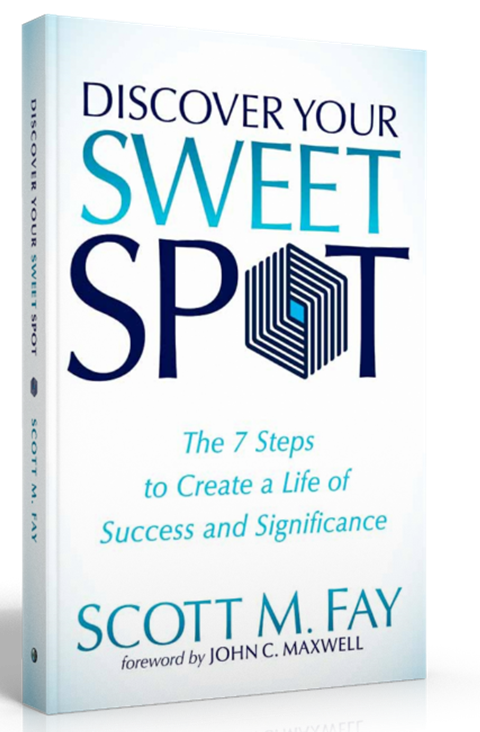 For more than two years Scott Fay has been my coach, mentor, and most importantly, my friend. When I was trying to separate who I was from what I did, and come up with a plan for the rest of my life, Scott believed in me and pushed me in the right direction.
The official release of Scott’s first book, Discover Your Sweet Spot – The 7 Steps to Create a Life of Success and Significance, is scheduled for January 8th, 2014. If you want to be part of the launch party click here.
Yes, this is another book that focuses a lot on leadership, but Scott provides 7 steps that will guide you along a path to success and significance in whatever lane you are travelling.
Scott is the Vice President of the John Maxwell Team and one of the team mentors. A very successful businessman in the Landscaping business, Scott parallels the ideas of DESIGN, BUILD and MAINTAIN into whatever environment we find ourselves.
This will be the final of three posts taking us through the 7 steps that will teach us how to Design, Build and Maintain a life of success and significance.
PHASE 3: MAINTAIN YOUR LEADERSHIP ENVIRONMENT
STEP 5 – PROTECT YOUR INVESTMENT: Poor Maintenance Costs You More In The Long Run
To maintain the success, or significance, that we have achieved will not sustain itself unless we commit to continual growth. Scott suggests asking questions to keep us on top of our game. Here are his Elite 8:
- What do I do best?
- How can I do it better?
- Who can I best serve doing it?
- Of the things I currently do, what should I do more?
- Of the things I currently do, what should I do less?
- Of the things I currently do, what should I stop?
- What should I start doing?
- What am I missing?
STEP 6 – MAINTAIN THE MAIN THING: Keep Your Vision within Sight at All Times
Scott describes the importance of vision and how, unless we keep it on the forefront, it will soon be lost. Here are his “Five Lenses of Maintaining Vision”:
- Define The Vision – If you can’t define the vision, you can’t achieve it.
- Develop the Vision – Create a clear vision that represents the values behind it.
- Drill the Vision – Include the entire team in casting the vision and create an environment of unity.
- Distinguish the Vision – Your vision should set you apart from the rest.
- Demonstrate the Vision – Very simple here – walk the talk!
STEP 7 – GIVE WHAT YOU CAN’T KEEP: Legacies are Maintained by Investing in Others
Those of you that have followed me for a while know how important legacy is to me. Scott gives us a great quote from educator Elton Trueblood; “We have made at least a start in discovering the meaning in human life when we plant shade trees under which we know full well we will never sit.”
Investing in others and believing in them is the way we can leave our fingerprint on generations to come. We can’t take anything with us, but we can clearly leave something behind.
I have reviewed numerous books and many have had a specific topic or targeted audience. Discover Your Sweet Spot is for everyone. We all have a Sweet Spot, but very few are living in it. If you want to get there, do yourself a favor and pre-order this book.
Scott leaves us with this thought; “If you are enjoying any success in your life, it’s because someone has gone before you, sacrificed, and paid the price.”
Today’s question: “What price are you paying today to create a legacy that will serve others after you are gone?”
***********************************************************************
Don’t miss a single post from Building What Matters by subscribing at the top left of this page.
Help support us by clicking here and Liking our facebook page
Barry Smith 9/18/13 photo courtesy of Scott M Fay © Building What Matters 2013
The post Discover Your Sweet Spot – Part 3: The Maintenance Phase appeared first on BUILDING WHAT MATTERS.COM.
]]>The post Respect – The Person Or The Position? appeared first on BUILDING WHAT MATTERS.COM.
]]> Respect is one of the most important values, qualities or characteristics we find in any relationship, personal or professional. I also believe that it is one of the most misunderstood.
Dictionary.com provides a pretty good picture of what I’m talking about:
esteem for a sense of the worth or excellence of a person, a personal quality or ability, or something considered as a manifestation of a personal quality or ability: I have great respect for her judgement.
deference to a right, privilege, privileged position, or someone or something considered to have certain rights or privileges; proper acceptance or courtesy; acknowledgement: respect for a suspect’s right to counsel; to show respect for the flag; respect for the elderly.
Do you see the difference? One is about the person and one is about the position. I have observed that these two definitions are often misused in understanding how we “respect” other people.
I think the word respect get’s used too often and too easy by most of us. I think people use the word without truly understanding the real meaning. The last time you said your respected someone, did you really think about why you respect them or was it just a good thing to say at the time?
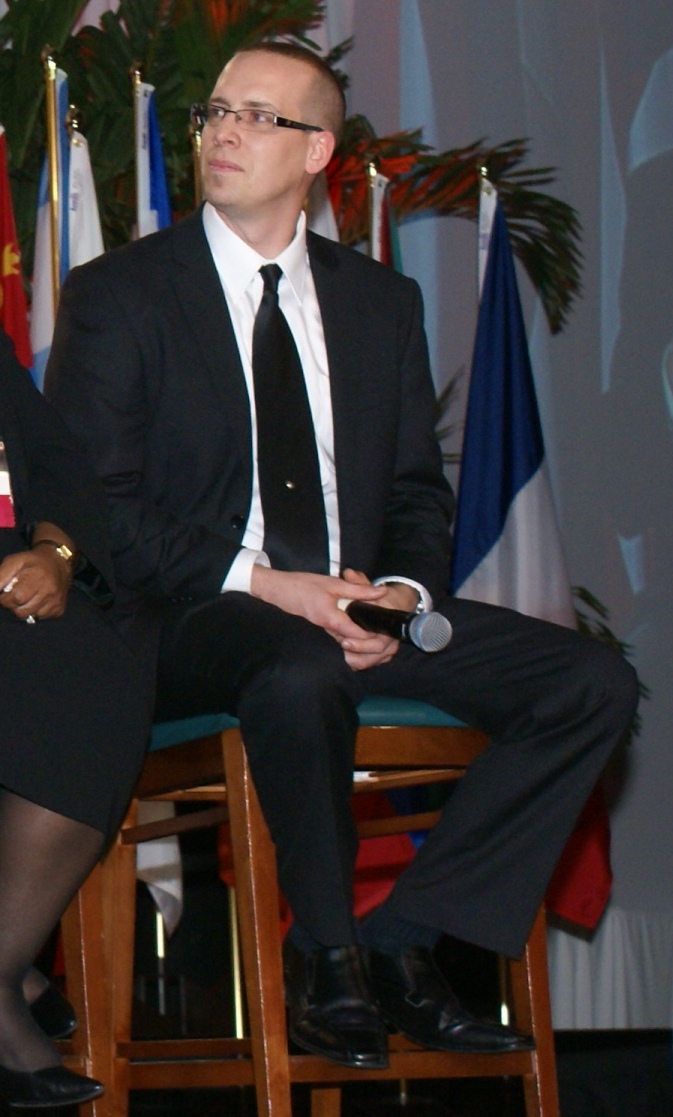
I don’t think it would be right to post about respect without giving an example of someone I respect a great deal. The guy in the picture is my coach, mentor and most importantly, my good friend Kary Oberbrunner.
Kary is a well respected author, speaker and coach. But what does that really mean? He is successful? He is accomplished? He knows what he’s talking about? Sure, probably all of the above. But I would suggest that it’s who he is that has gained him that respect, not what he has done.
My point is this – I think a lot of people are well respected in their field but not necessarily as individuals. In my opinion, respect is earned and I don’t really care what you have accomplished if your values and behavior don’t represent a lifestyle worth respecting.
I have only known Kary for about a year and a half, but during that time I have seen him continuously give to those around him and without any expectation of return. He simply leads a life to add value to other people. I believe that the success he has achieved in business is due to hard work and caring about those that he serves.
Now don’t misunderstand me, Kary is a regular guy just like you and me. Similar struggles and similar challenges – just ask him – he will tell you. But the thing that makes him different than most is his authenticity and transparency. He has no fear of laughing at himself if the story can help someone else. How often do you wish the people in your life had those traits?
I have a handful of people in my life like Kary and they all add value to me on a regular basis. In fact, these are the type of people that I turn to when I need help because I know they will be there.
This post is not to tell you how great of a guy Kary is, it is to describe how people like Kary are the type of people we should respect because they have earned it through their actions and not their accomplishments.
One thing that Kary has taught me is that you don’t ever want to be like someone else. You simply want to be a better “you.”
So is respect about the person or the position? You can make your own decision but for me it’s about the person. For me it doesn’t matter what success I achieve in life. If I can’t be respected for who I am and only for what I have done, I have completely missed the mark.
Challenge yourself to think of someone you respect and then try and come up with ten reasons why you respect them. When your done with the list, see how many are about who they are and how many are about what they have done. Just sayin’
***********************************************************************
Don’t miss a single post from Building What Matters by subscribing at the top left of this page.
Help support us by clicking here and Liking our facebook page
Barry Smith 8/5/13 photo by author © Building What Matters 2013
The post Respect – The Person Or The Position? appeared first on BUILDING WHAT MATTERS.COM.
]]>The post Teamwork Makes The Dream Work – Or Does It? appeared first on BUILDING WHAT MATTERS.COM.
]]> Teamwork is a funny thing. So many times in my life, I have heard phrases like “We need to work as a team,” or “Teamwork makes the dream work.” After giving it some thought, I am not sure I completely buy into that.
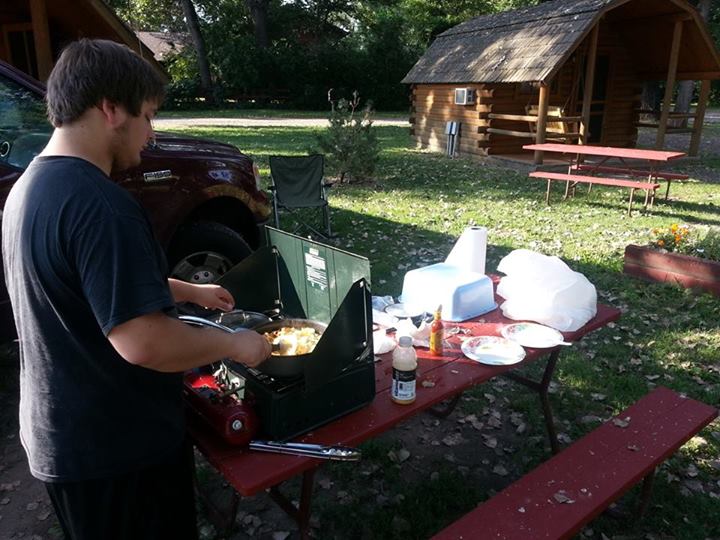
I think that teamwork is successful when the team’s vision and goals are in alignment. My son Spencer and I have a few days left on our marathon camping trip throughout the upper western part of the United States and each night we stay at a KOA (Kampground Of America).
One we stayed at in Wyoming only had about twenty sites occupied and it appeared that there were just a few people running the operation. Others like at Mt. Rushmore and our location as I write this in West Yellowstone, are much larger and require a much larger staff to keep things running smoothly.
I have to give KOA credit. Each location, although vastly different from each other in age and amenities, has been run very smoothly. I believe this is because the “teams” share a common interest … customer service.
My son and I work as a team as well. He cooks and I clean (this way I can eat good food) and we each take on different duties in unloading, setting up, breaking down and loading back up at each location. We both work from our strengths and have the common goal to enjoy our time together camping.
I was listening to an interview of a professional baseball player on the radio recently and found it very interesting when he said; “the best team I ever played on was made up of guys who didn’t do anything with each other outside of the game and really didn’t even like each other. So why were they successful? They were all after a common goal – to win.
I really had to think about that for a while, but I get it. To be a team, you don’t need to be friends. You don’t probably even need to be friendly, but you do need to be working collectively toward the same goals.
I think you would agree that we are all part of some type of team. And chances are, that you don’t really care for someone on your team. But ask yourself this; “Is that person making the team better or worse? If the answer is better, then maybe it’s worth investing a little bit of yourself in that person and building the relationship.
Yes, teams that do not get along can succeed. But wouldn’t be a whole lot better if you had fun doing it!
So does teamwork make the dream work? Only you can answer that based on the team(s) you are part of. Maybe you need to ask yourself if you are making the team better or not.
I think I have a new perspective on teamwork now. So I have a really interesting question for you today. “What have you done to make the other people on your team successful?”
***********************************************************************
Don’t miss a single post from Building What Matters by subscribing at the top left of this page.
Help support us by clicking here and Liking our facebook page
Barry Smith 7/12/13 photo by author © Building What Matters 2013
//
The post Teamwork Makes The Dream Work – Or Does It? appeared first on BUILDING WHAT MATTERS.COM.
]]>The post Friendship In The Workplace – It’s More Than Just Having Fun! appeared first on BUILDING WHAT MATTERS.COM.
]]> Do you have friends in your workplace? Or are you one of those people that feels that the professional workplace has no room for friendship?
There are varying philosophies on the idea of friendship at work. Some feel that there is no place for it in a professional environment and others thinks that everyone should be friends.
What do I think? I think it depends on what you intend on doing with the friendship. I will admit, I have been the instigator of the March Madness bracket at the office. It’s not my fault they play the Thursday and Friday games during work hours.
The last few years, I got a little smarter, I talked the owner into filling out his bracket. Now if I could figure out how to have him win … never mind!
Filling out basketball brackets together will certainly build some comradery between co-workers but there is something much larger at play here. We simply need friends at work.
Most people spend more time at work then they do at home. What often happens is that the pressures and stress of our job get to us during the day and then we unload at home. Bad plan!
I think if we had better relationships with our co-workers, we would be much better managers of the stressful stuff. How do most people define a friend? Someone I can talk to that will listen. Someone I can depend on when I need them. Someone who will help me out when I am in a jam. Do these descriptions sound like someone you could use at work every once and a while?
Think about something else. If you have been at you current job very long, the people you work with know you pretty well. Do you think that might come in handy?
Here is what I think is important. Building relationships at work is good. Building friendships is even better. The key is to know when it’s appropriate to be a friend or when it should be strictly business.
My advice to owners and managers; encourage the idea friendships in the workplace. This is a support staff for your people. That being said, make the guidelines clear on what is acceptable and what is not and allow the employees to police themselves unless you see a major issue with time management. Remember, happy employees are productive employees.
My advice to employees; do not abuse the latitude you have been given. Your friendship time, whatever that may look like, should have a desired outcome to benefit the company. Even if that benefit is simply your attitude adjustment.
My advice to everyone; you need people in your corner to support and encourage you. You also need to be that person every once and a while. Whatever relationships you have at work, make respect and trust a big part of them. Develop relationships to add value, not to gossip or exclude others.
“Treasure your relationships, not your possessions.” – Anthony J. D’Angelo
I think D’Angelo is right. I don’t think we can truly enjoy what we do if we don’t enjoy those that we do it with. You might have the greatest job in the world, but if you don’t get to enjoy with anyone, how satisfied will you be?
Have you ever heard of someone turning down more money to go elsewhere because they liked where they were at? Sure you have. I will bet you the reason they stayed was because of the people they were working with.
So as you begin the next work day, consider this question; “If I could work with any group of people, who would they be?” Just something to think about.
Oh and by the way, if you like working with someone … when was the last time you told them that? … Thought so! Might want to add that to your to-do list.
***********************************************************************
Don’t miss a single post in this series from Building What Matters by subscribing at the top left of this page.
Help support us by clicking here and Liking our facebook page
Barry Smith www.buildingwhatmatters.com 4/21/13 photo by author
The post Friendship In The Workplace – It’s More Than Just Having Fun! appeared first on BUILDING WHAT MATTERS.COM.
]]>The post The 5 Pillars Of Influential Leadership – Part 3: Where Are We? appeared first on BUILDING WHAT MATTERS.COM.
]]>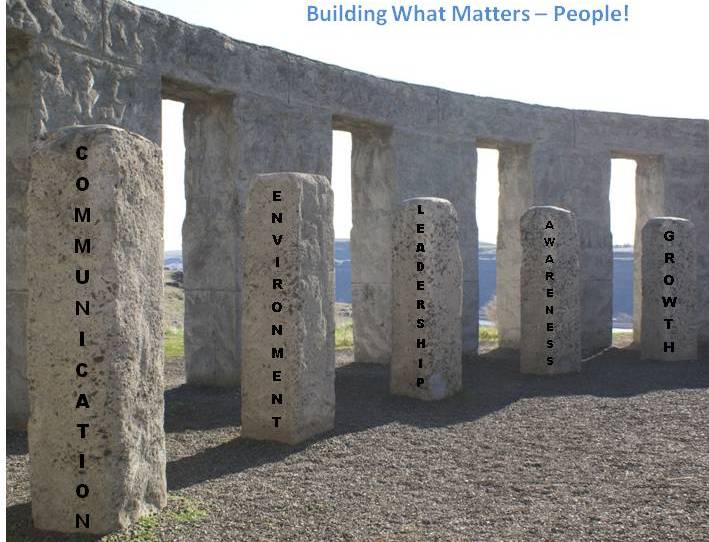 This is the 3rd of 16 weekly installments on The 5 Pillars of Influential Leadership. Every Thursday, I will break down the 5 Pillars and show you how becoming and influential leader will not only improve your job skills but your personal life as well.
The 5 Pillars is a project that I have been working on for almost two years and am looking forward to officially launching “The 5 Pillars of Influential Leadership” Coaching program on May 16th.
Why the 5 Pillars? I have spent more than 30 years in the business world and although it has been primarily in the Construction world, the 5 Pillars philosophy works across all industries. In fact, while developing this program I realized that it can have a significant impact on your personal life as well.
I will break down each Pillar into three sections, personal, business and community. Any growth or improvement needs to start within, with the end goal of influencing the community you live in. In this post we will take a look at BUSINESS AWARENESS.
We need to know where we are at, what we have done that brought us here and most importantly, where we want to be.
PURPOSE
You would be surprised by how many people think that their purpose is to be profitable. Question … Do you select the people you want to do business with because you want them to make money? Probably not. The underlying purpose in business is what leads to success.
RELATIONSHIPS
There is not a business out their that does not depend on their relationships to survive. Relationships are what lead to success and also what allow you to survive when things are tough.
SKILLS
Most people are hired because of their resume. That is merely a way to get through the door. You must be aware of what skills are needed for you to advance and how to go about developing them.
STRESS
Most people try and figure out ways to eliminate stress when the truth is that much of our stress is the result of things beyond our control. Yes, you can eliminates some of the stress you create but focusing on how to manage “outside” stress makes a bigger difference.
CURIOSITY
Businesses that have the “if it’s not broke, don’t fix it” mind-set will probably end up broken. Today’s market is simply too competitive. Being curious about what’s next will lead you there.
POTENTIAL
There are an unlimited number of factors that keep you from reaching your potential. The awareness of these limiting factors or beliefs is the first step in overcoming them.
PASSION
If you don’t have a certain amount of passion for what you are doing, you will find it difficult to be fulfilled from your job. This works for business as well. Survival of any company will be connected to the passion they have for their business.
CLARITY
Clarity is one of the key elements in proper awareness. A clear picture on what your current status is and a clear way forward are necessary for growth. Lack of clarity leads to becoming stuck, or worse.
FRIENDSHIP
The human emotion is something that follows us wherever we go. Creating friendships allows us to keep the personal element alive and working in the business environment. We are not machines and can’t sustain if we act like them.
My coaching program will take each topic to a much deeper level. We will explore open ended questions and how they are directly impacting your life and more specifically in this segment, will allow you to increase your level of awareness as it relates to your business environment. Business awareness is the key to survival in a competitive world.
In the mean time, start asking the type of questions that will result in better answers. When you ask “How can I” you get an answer that will move the needle. “How can I be part of the solution in raising the level of awareness in my workplace” Answer that question, act on it, and you will succeed.
RELATED:
- Click here to see Part 1 of The 5 Pillars Of Influential Leadership
- Click here to see Part 2 of The 5 Pillars Of Influential Leadership
- For more on The 5 Pillars of Influential Leadership and to view my video click here
- To view my guest post in the 2013 International Leadership Blogathon click here
***********************************************************************
Don’t miss a single post from Building What Matters by subscribing at the top left of this page.
Help support us by clicking here and Liking our facebook page
Barry Smith www.buildingwhatmatters.com 4/18/13 photo by author
The post The 5 Pillars Of Influential Leadership – Part 3: Where Are We? appeared first on BUILDING WHAT MATTERS.COM.
]]>The post During The Tough Times, Relationships May Be All We Have. appeared first on BUILDING WHAT MATTERS.COM.
]]> Relationships. That’s a topic all guys like to talk about. Right? I think the reason men don’t like talking about relationships because we are too busy fixing things and gathering food. OK – I tried!
The general thought is that men identify themselves by what they do and women identify themselves by who they know – their relationships. No wonder we both have problems. We should be identifying ourselves by who we are.
Think about this … if we started developing our relationships based on who we are instead of what we did or who we know, I believe we would be much more successful. What we do and who we know are nothing more than temporary conditions.
For those of you that don’t know, the first thirty years of my “career” was in the construction industry. One thing I never planned for in the transition to becoming a coach, speaker and trainer in the Leadership world was building a new identity. Yes. I said “building a new identity.” See a problem with that?
If my identity had been built on who I was instead of what I did, it would have been a much smoother transition. I guess I am somewhat appreciative of this circumstance because it has allowed me to understand the importance of our identity and how it plays into our relationships.
Looking back, I know “who I was” played a role in my success in the construction world. That part of me was able to connect well with most of the people I worked with, notwithstanding a few that just couldn’t get along with me. I don’t know what their problem was. LOL. But at the end of the day, I was still the “estimator”, “project manager” or “superintendent.”
Where it really caused an issue was at home. My wife and our boys always knew who I was but during 25 years of marriage and the entire life of our sons (now both in college) I had always been the guy who got up early, went to work, came home and then did it again the next day. Same scenario every day. Year after year.
My father-in-law asked our youngest son just recently “what’s your dad up to these days?” The response, “I’m not really sure.” Honestly, that one hurt a little. No fault on him, but I am still identified by what I do. Do you see the problem yet?
I have a new philosophy now. When people ask me what I do, I respond by saying “I build what matters.” I usually get a funny look and a response like “Oh, like buildings?” I then respond with “No, I build people.” Then I really get a funny look!
The point is this. We should all want to be recognized for who we are, not what we do or who we know. I think the women are actually closer to having it right then us men. Everything we have can be taken away in an instant.
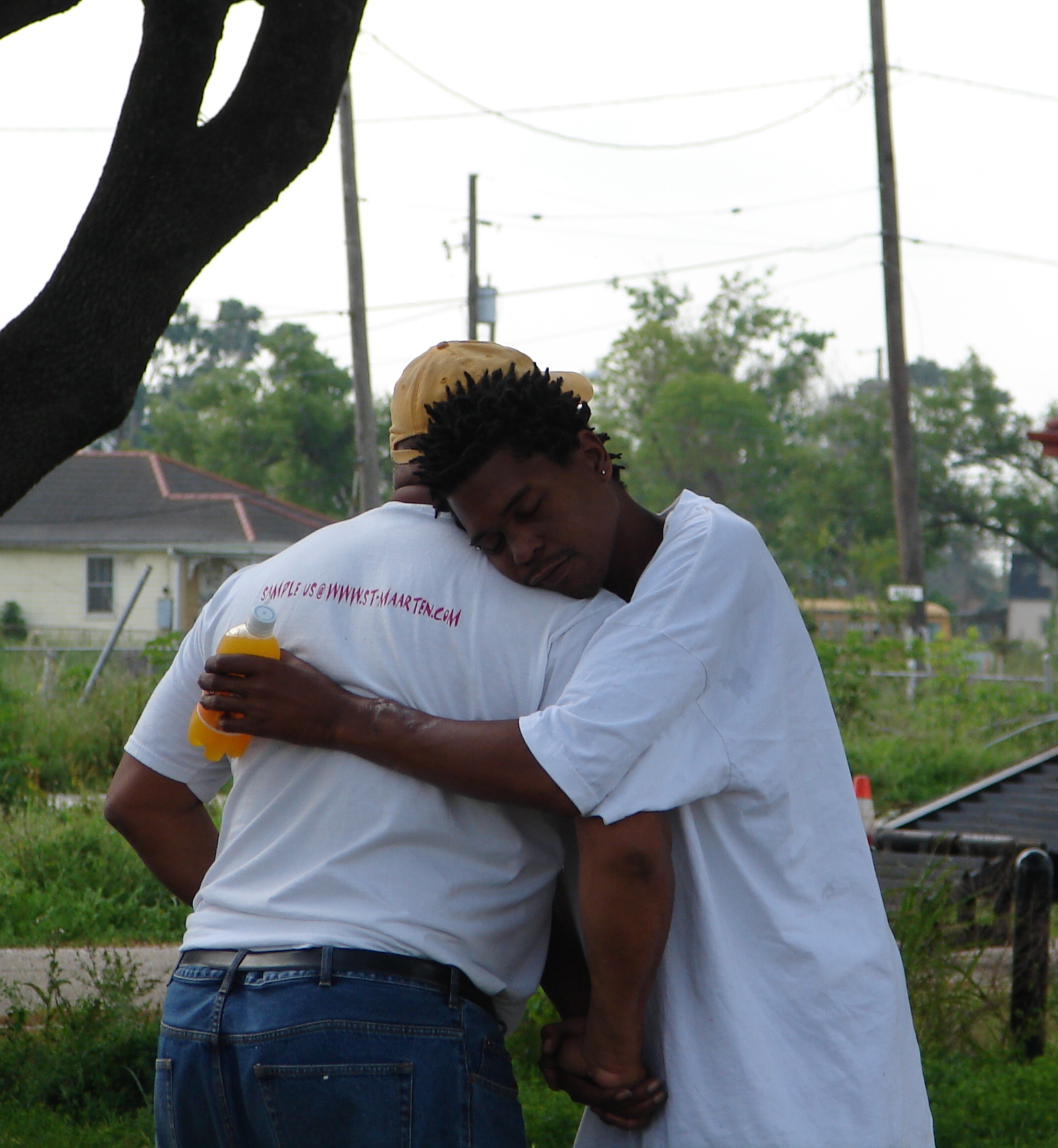
I took my boys to New Orleans twice to help with the Hurricane Katrina clean-up efforts. We heard countless stories of people that lost it all in the storm. Most of them had unbelievably positive attitudes. Why? Because they still had each other.
This has been a rough time in our economy. There are still countless people that lost their jobs during the economic downturn. The only way a lot of them made it through was because of their relationships.
We have no idea what the future holds and I would encourage you to consider what would happen if you lost everything tomorrow. If your job description was eliminated tomorrow, who would you turn to?
Do you have relationships that could sustain you or are you simply “what you do?”
***********************************************************************
Don’t miss a single post in this series from Building What Matters by subscribing at the top left of this page.
For more information on my next Deeper Path Cohort click here
Help support us by clicking here and Liking our facebook page
Barry Smith www.buildingwhatmatters.com 4/12/13 photo by author
The post During The Tough Times, Relationships May Be All We Have. appeared first on BUILDING WHAT MATTERS.COM.
]]>