The post DAY 5 – Showing Gratitude Even When You Don’t Feel It appeared first on BUILDING WHAT MATTERS.COM.
]]>
Have you ever been really frustrated and were ready to tear the head off the next person that happens to come your way? Did you ever consider saying “thank you” to them in lieu of the first thing that comes into your mind? I think I can safely answer those questions for you. Yes and No.
I recently finished reading “The In-Between – Embracing the Tension Between Now and the Next Big Thing” by Jeff Goins. Goins does a great job of describing the benefits of what happens during the ‘in-between” times and how that part of the journey is often overlooked. It takes focus to achieve this.
An added value that Goins has offered with the launch of his new book is what he calls the “Slow Down Challenge.” If you have been following me for a while, you know I usually do a book review post on Wednesday. I am going to throw a little twist into that for this and one more post.
This will be the final of five posts following Goins Slow Down Challenge. Here is the lineup that will take us through this five post series:
- Day 1 – The Habit of Noticing (Click here to read)
- Day 2 – Savoring Every Moment (Click here to read)
- Day 3 – Focusing On What Really Matters (Click here to read)
- Day 4 – Interruptions (Click here to read)
- Day 5 – Gratitude
It’s so easy to react to the any situation after it happens. Usually when we react, it is due to something going wrong and us using our human ability to act before we think. C’mon, you know you have done this!
Have you ever been upset and someone and out of the blue, they said or did something nice. Kind of a humbling moment isn’t it? We have a tendency to become so consumed in the moment. But not what the moment could hold, but what we hold in the moment.
In an earlier post, I mentioned a place my wife and I go to about an hour away that releases us from the day to day interruptions that create stress. One of the reasons I like to go up there is because of the view.
It doesn’t matter where we go or what we do when we are up there, all around us there are things to be thankful for. Maybe it’s a way to refuel on gratitude. Do you have a place you can go where you are easily reminded why you have so many reasons to be thankful?
The key to life is balance, right? Well, sort of. I would suggest that it is balancing not necessarily everything, but the right things. The in-between times are good times to think about all you are thankful for, in fact, it’s probably the best time.
When was the last time you made a list of all the things you were grateful for? Have you ever made that list? Consider this your bonus challenge: Make a list of 25 things you are grateful for and put it somewhere so that you can see it every day. You might just be a little more grateful when you have a constant reminder of those things.
Here is the action plan from Day 5 of the Slow Down Challenge:
- Today, try saying “thank you” for everything.
- Say it to the server who took forever to bring out your meal. Say it to the cashier who moves to slow. Say it to your late lunch appointment or the call center operator who keeps putting you on hold.
- Say it to God for every inconvenience that causes you to grow.
- Say “thank you.” Don’t just think it or tell it to yourself. Actually speak the words – and mean them.
So my challenge for today; “Don’t wait for a reason to say thank you to someone. Intentionally go out of your way to say thank you, when it’s not even called for, to at least five people today.” Do it because you want to and not because need to.
Oh, and by the way … “Thanks for reading this post and joining me in The Slow Down Challenge”
***********************************************************************
Don’t miss a single post from Building What Matters by subscribing at the top left of this page.
Help support us by clicking here and Liking our facebook page
Barry Smith 9/9/13 photo by author © Building What Matters 2013
The post DAY 5 – Showing Gratitude Even When You Don’t Feel It appeared first on BUILDING WHAT MATTERS.COM.
]]>The post The 5 Pillars Of Influential Leadership – Part 13: Their Communication appeared first on BUILDING WHAT MATTERS.COM.
]]>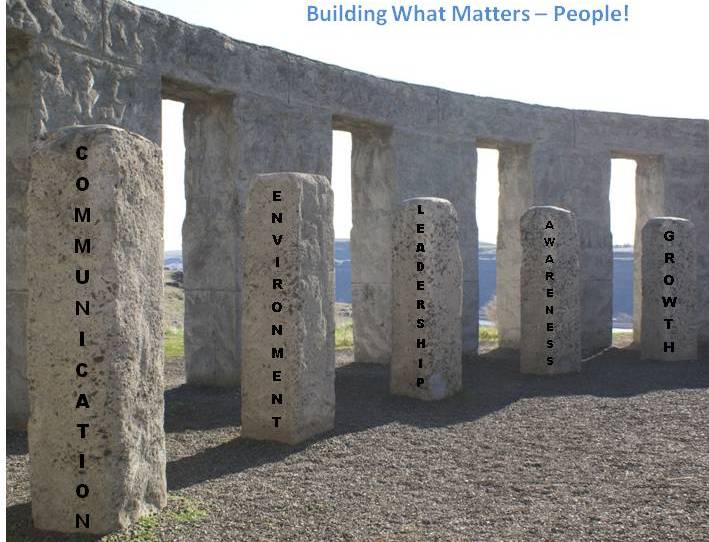 This is the 13th of 16 weekly installments on The 5 Pillars of Influential Leadership. Every Thursday, I will break down the 5 Pillars and show you how becoming and influential leader will not only improve your job skills but your personal life as well.
The 5 Pillars is a project that I have been working on for almost two years and had a great time with the official launch of “The 5 Pillars of Influential Leadership” Coaching program on May 23th.
Why the 5 Pillars? I have spent more than 30 years in the business world and although it has been primarily in the Construction world, the 5 Pillars philosophy works across all industries. In fact, while developing this program I realized that it can have a significant impact on your personal life as well.
I will break down each Pillar into three sections, personal, business and community. Any growth or improvement needs to start within, with the end goal of influencing the community you live in. In this post we will take a look at COMMUNITY COMMUNICATION.
We communicate in a variety of ways. The way your brand or organization is represented to the community may have nothing to do with verbal communication. Your reputation “always” speaks louder than words.
CUSTOMER SERVICE
I have found that referrals or “word of mouth” recommendations are one of the most powerful ways to build or maintain a business. If I apply the 80/20 rule, I can make the statement that 80% of your business is due to return customers or referrals. Is customer service important? What do you think?
VALUES
Some, but not all by any stretch, of businesses can tell you their value system. When a business has a strong and identifiable value system that they live by, it helps to hold them accountable. Knowing your values and living them out in your specific region will identify you as someone people want to do business with. Do you know what your values are? More importantly, does anyone else?
RESPONSIBILITY
If you are in business you have multiple responsibilities. To your employer, your customers, your co-workers, those that are above and below you on the food chain and so on. I believe that your biggest responsibility is to yourself. When you are responsible to yourself and live up to the standards that you have set for yourself (hopefully you have) you will fulfill the obligation that we all have to add value and serve others. Do you have a set of standards that you live up to?
REPUTATION
Ah yes, your reputation. It doesn’t matter if you are a sole proprietor or part of a global organization, you are a reflection of what and who your business represents. Reputations are the result of built trust over time and just as trust is hard to build and easy to lose, so is your reputation. Guard it with your life because your life, at least in business, just might depend on it.
MISSION
We are all aware of “mission statements.” If you don’t have one, you need to create one. Why? Because your mission statement provides the blueprint for the purpose of your business. If you are unclear on your mission, you will send an inconsistent message to the people you are doing business with. How many of your customers know your mission or purpose?
MANAGEMENT
I believe that the number one responsibility for management is to be the big picture thinkers. Managers need to look uphill and downhill at the same time. They need to understand where they have been and why they were there and at the same time know where they are going. Now you may thing this sounds more like a leader than a manager but when a manager understand these concepts, he will have the vision needed to lead.
The 5 Pillars coaching program will take each topic to a much deeper level. We will explore open ended questions and how they are directly impacting your life and more specifically in this segment, will allow you to evaluate and understand your role in growing your business.
In the mean time, start asking the type of questions that will result in better answers. When you ask “How can I” you get an answer that will move the needle. “What can I do today to make sure that people know what my (our) mission or purpose is in business?” Answer that question, act on it, and you will succeed.
RELATED:
- Click here to see Part 1
- Click here to see Part 2
- Click here to see Part 3
- Click here to see Part 4
- Click here to see Part 5
- Click here to see Part 6
- Click here to see Part 7
- Click here to see Part 8
- Click here to see Part 9
- Click here to see Part 10
- Click here to see Part 11
- Click here to see Part 12
- For more on The 5 Pillars of Influential Leadership and to view my video click here
- To view my guest post in the 2013 International Leadership Blogathon click here
***********************************************************************
Don’t miss a single post from Building What Matters by subscribing at the top left of this page.
Help support us by clicking here and Liking our facebook page
Barry Smith 7/25/13 photo by author © Building What Matters 2013
The post The 5 Pillars Of Influential Leadership – Part 13: Their Communication appeared first on BUILDING WHAT MATTERS.COM.
]]>The post 6 Reasons Why Being Prepared Is More Than Packing A Suitcase appeared first on BUILDING WHAT MATTERS.COM.
]]> Have you ever noticed how much thought you put into packing for a trip? Maybe it’s just me, but I check, double check and triple check and still manage to miss something while getting prepared for travelling.
Phone chargers, socks, reading material, vitamins … the list goes on. I was getting ready for a trip the other day when it struck me that we put all kinds of effort into preparing to travel, but by comparison, put very little into our daily lives.
I know many of you are highly organized and plan things out, but can you really tell me that you put as much effort into today as you do into the hours prior to leaving for the airport?
We are terrified that we will get to our destination without our favorite pair of socks. News flash people – being prepared for life is probably much more important than your favorite pair of sunglasses.
Here is the point I am trying to make, what are you doing today to prepare for tomorrow? We let opportunities pass us by everyday. Business opportunities, opportunities to build relationships and the chance to improve ourselves in general.
Here are six ways to be prepared for the opportunities that are passing you by:
ATTITUDE
A poor attitude clouds our judgement. When our judgement is compromised, we make poor decisions. Maintaining a positive attitude helps us to think more clearly and thus, make better decisions.
AWARENESS
Things are happening all around us at light speed. When we are bogged down with “the overwhelm” we have a tendency to get stuck inside our head and see relatively nothing going on around us. Lack of awareness is what allows ninety percent of our opportunities to pass us by.
BALANCE
You have heard it a thousand times … “The key to life is balance.” I think there is more to it than that. I believe the problem is we are taking on too much. The less we have to balance, the easier it is to make minor adjustments along the way.
INTENTIONALITY
How intentional are you about what you are doing? I think much of the time we are simply faking it until we make it. That plan will only work so long. Being intentional about what we set out to do will help us be prepared for the task at hand.
LISTENING
I love this one. Are you a good listener? Are you really hearing what is being said, or half way through the conversation, are you already thinking about your response? If you want to be prepared, listen to what the other person is actually saying.
REFLECTION
Do you take time to reflect? Do you have a list to help you get prepared or are you going by memory? Most people can hold seven things in their short term memory. When number eight comes around, something has to go. Take the time to reflect and organize IN WRITING.
I realize that this is pretty basic stuff but there is a driving force behind this post. We all have opportunities that pass us by every day. Most are fairly insignificant but some are not. Some may have the potential to change a life. That life may be yours or it may be someone you know. Either way, that opportunity is important.
Make sure you are packing your bag for life. After all, it’s the longest and most important trip you will ever take!
***********************************************************************
Don’t miss a single post from Building What Matters by subscribing at the top left of this page.
Help support us by clicking here and Liking our facebook page
Barry Smith www.buildingwhatmatters.com 2/15/13 photo by author
The post 6 Reasons Why Being Prepared Is More Than Packing A Suitcase appeared first on BUILDING WHAT MATTERS.COM.
]]>The post The Trust Edge – Part 3, Commitment, Connection, Contribution, Consistency appeared first on BUILDING WHAT MATTERS.COM.
]]>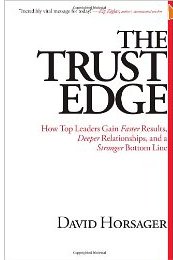 This is the third of four posts discussing David Horsager’s book ”The Trust Edge.” How Top Leaders Gain Faster Results, Deeper Relationships, and a stronger Bottom Line.
The basic premise of the book is that when we build trust, we gain a competitive advantage in the world we live in. I believe that this applies to both our personal and professional lives. Simply put, when we build trust, we build relationships. And as we all know, people want to spend time with, associate with and do business with people they trust.
The heart of the book focuses on Horsager’s Eight Pillars of Trust – Clarity, Compassion, Character, Competency, Commitment, Connection, Contribution and Consistency.
This post will address the last four.
PILLAR 5: COMMITMENT
I have to point out that this is my favorite pillar. Before I even opened this book, I chose the word Commitment as my one word to focus on this year. Over the years, I have started many things and have to honestly say that way too many were never finished. I can point to all sorts of reasons why they didn’t get finished, but it all can be summed up in this way. I was not committed. When you take on a new project or responsibility, you better be sure of your level of commitment. I would suggest your probability of success will be about the same.
PILLAR 6: CONNECTION
The first thing you better take care of when building trust is connecting with the person you are trying to build trust with. John Maxwell covers this when he says “People don’t care how much you know until they know how much you care.” Simply put, if you don’t connect with people so that they know you care, they won’t care about what you know and they won’t trust you.
PILLAR 7: CONTRIBUTION
What are you giving back? How do you contribute to your family, your business or your community? If you want to build trust with people, they need to know that you value the things that are important to them. This can be done in a number of ways … time, money and resources to name a few. Think about this – can you really enjoy the things you have without having someone to share them with? Giving back, no matter how you do it, will result in building trust in those who are on the receiving end.
PILLAR 8: CONSISTENCY
I think Horsager saved the best for last. Look at the other seven pillars. Can you be successful at any of them without doing them consistently? Consistency builds credibility and credibility builds trust. Follow-through on what you do and and what you say and others will know that they can trust your motives, your words and your actions.
The Trust Edge provides a blueprint not only for building trust but living a meaningful life. Trust impacts every part of our life. Part 4 will close out this series taking a look at how trust impacts the community around us.
Rate yourself on how well you are doing the things described above. This may give you some insight on your Trust Edge.
See Part 1 of The Trust Edge by clicking here.
See Part 2 of The Trust Edge by clicking here.
Find out more about David Horsager and The Trust Edge at:
www.TheTrustEdge.com or www.davidhorsager.com
***********************************************************************
Don’t miss a single post in this series from Building What Matters by subscribing at the top left of this page.
Help support us by clicking here and Liking our facebook page
Barry Smith www.buildingwhatmatters.com 2/6/13 photo courtesy of Amazon
The post The Trust Edge – Part 3, Commitment, Connection, Contribution, Consistency appeared first on BUILDING WHAT MATTERS.COM.
]]>The post Does Your Video Match Your Audio? Protecting Your Personal Brand appeared first on BUILDING WHAT MATTERS.COM.
]]> Does your audio match your video? I love that question. If you don’t understand it or have not heard it before, it is asking if your actions match your words. We all know that person who says things that are not even close to how they act. I wonder if these people realize how that looks to the rest of the world.
I don’t think there is any other time in history when the importance of our reputation carries more weight than any other part of our behavior than today. Think about it – who do you gravitate towards? Who do you do business with? Who do you respect or admire?
I consider myself to be a fairly reputable person and I like to think that my video matches my audio but I freely admit that sometimes I would like to hit rewind or delete and start over. Unfortunately, life usually doesn’t work that way and once you do something, it pretty much is a done deal.
So how important is it that what we say matches what we do? Ask Jim Tressel, Sean Payton or possibly the biggest example we have recently seen, Joe Paterno. I know that Paterno has passed, but I can’t think of a better example of what happens to your reputation when your video melts down.
Here are 4 things to consider before you hit record on the video camera:
1. AUTHENTICITY
One of the things I appreciate about people is their authenticity. We need to be real people. We all know that person that doesn’t understand this concept at all. The guy who is all talk and no walk. Regardless of how he views himself, my guess is that his success is going to be quite limited due to his actions.
2. CREDIBILITY
Who do you go to when you need to depend on someone? Usually it is the person that had a track record of credibility. Let’s face it – when we ask someone else to help us out with something, business or personal, they become an extension of us. Their actions represent ours and if you value your reputation, choose wisely.
3. INFLUENCE
This one is my favorite. Leadership is influence, right? So if we want to be a leader or need a leader, we want someone that will positively influence others. Our influence is often powered by our actions. People do what people see. If we want a positive outcome, we better have a good video that matches the script.
4. INTEGRITY
Integrity is as important to your picture as any other thing. Do people think you act the same way when no one is looking as you do when on the main stage? Integrity breeds trust and vice-versa. Trust is hard to earn and easy to lose. Certainly it is easier to come up with the words that portray trust, but our actions are much more powerful, in either direction.
At the end of the day, we want to be known as a person that can be trusted to have our actions align with our words. William Shakespeare said “All the world’s a stage” and he is right. How we act is what will determine our personal brand.
The cameras are always rolling, so you better be prepared to stick with the script you have written and if you need to add-lib during your performance, make sure it’s not something you would rather have on the editing room floor.
**********************************************************************
Don’t miss a single post from Building What Matters by subscribing at the top left of this page.
Help support us by clicking here and Liking our facebook page
Barry Smith www.buildingwhatmatters.com 11/2/12 Photo by author
The post Does Your Video Match Your Audio? Protecting Your Personal Brand appeared first on BUILDING WHAT MATTERS.COM.
]]>The post 4 Reasons Kids Ask Better Questions Than Grown-Ups appeared first on BUILDING WHAT MATTERS.COM.
]]> I remember when my boys were small and like most kids asked lots of questions. Now you don’t have to have had your own kids to have witnessed this. Maybe a niece or nephew, a siblings child or even a kid down the street. They all ask questions.
My boys are now both in their twenties and attending college but I remember when they were in their early “inquisitive” years and thinking “why do they ask so many questions.” The obvious answer is because they wanted the answer, they wanted to learn. There were no dumb questions and nothing stopped them from asking anything that happened to pop into their mind.
Asking questions is how we learn, so why is it that as we get older, we find ourselves asking fewer and fewer questions? It can’t be because we know it all, although we all know that guy who thinks he does. Are we afraid that we might ask that “dumb” question and embarrass ourselves? Maybe we see it as a sign of weakness. Besides, we can find out just about anything on google, right?
Here are four reasons that kids ask better questions than adults and generally get better answers:
1. CURIOSITY
Don’t you ever find yourself saying “I wonder why …..” Of course you do. We are all curious about things everyday. Kids ask the question “why does it rain?” Adults will state it this way, “why does it have to rain?” See the difference? Kids want to understand and adults want an explanation. We have the need to justify the things that are going on instead of just accepting them.
2. PROBLEM SOLVING
Certainly most of the problems we deal with as adults are different that when we were kids. Kids want to know how to fix their broken toy or make their bike work again. “Daddy, can you fix it?” “Yes son, Daddy can fix it.” Problem solved! Nothing frustrates me more than another adult coming to me with a problem with no suggestion as to how to solve it. We are adults, we are suppose to be the problem solvers.
3. RESPONSIBILITY
Hopefully at an early age, you started to teach your kids about responsibility (you can do this even if you don’t have your own kids) so that they would understand what it means to help out and be a productive part of the household. Kids ask lots of questions about responsibility – most start with “why”. As adults, we should know the “why” and if you are being asked why, then maybe you have not communicated clearly enough to that person what their responsibilities are.
4. RELATIONSHIPS
If you value your relationships, you better be asking questions. Kids ask questions all the time about the other people they interact with. “Why is Jimmy so mean?”, “When can Emma come over and play?” They want to know why people act the way they do and when they can spend time with them. As adults shouldn’t we be asking similar questions? I think we have a tendency to assume what people are feeling and whether or not they even like spending time with us.
The point of all this … kids do not suffer from the self-limiting beliefs or dominating thoughts that adults do and therefore ask any and all the questions that allow them to communicate how they really feel. Adults, most of the time, think about how others will perceive the question before they ask it.
Do yourself a favor and quit worrying about what other people will think about what you have to say, be respectful and positive but if you have a question, ask it.
You don’t know what you don’t know and until you find out what you don’t know, you won’t learn anything.
***********************************************************************
Don’t miss a single post from Building What Matters by subscribing at the top left of this page.
Help support us by clicking here and Liking our facebook page
Barry Smith www.buildingwhatmatters.com 10/16/12 photo by author
The post 4 Reasons Kids Ask Better Questions Than Grown-Ups appeared first on BUILDING WHAT MATTERS.COM.
]]>The post Energy = Results. What Charges Your Battery? appeared first on BUILDING WHAT MATTERS.COM.
]]>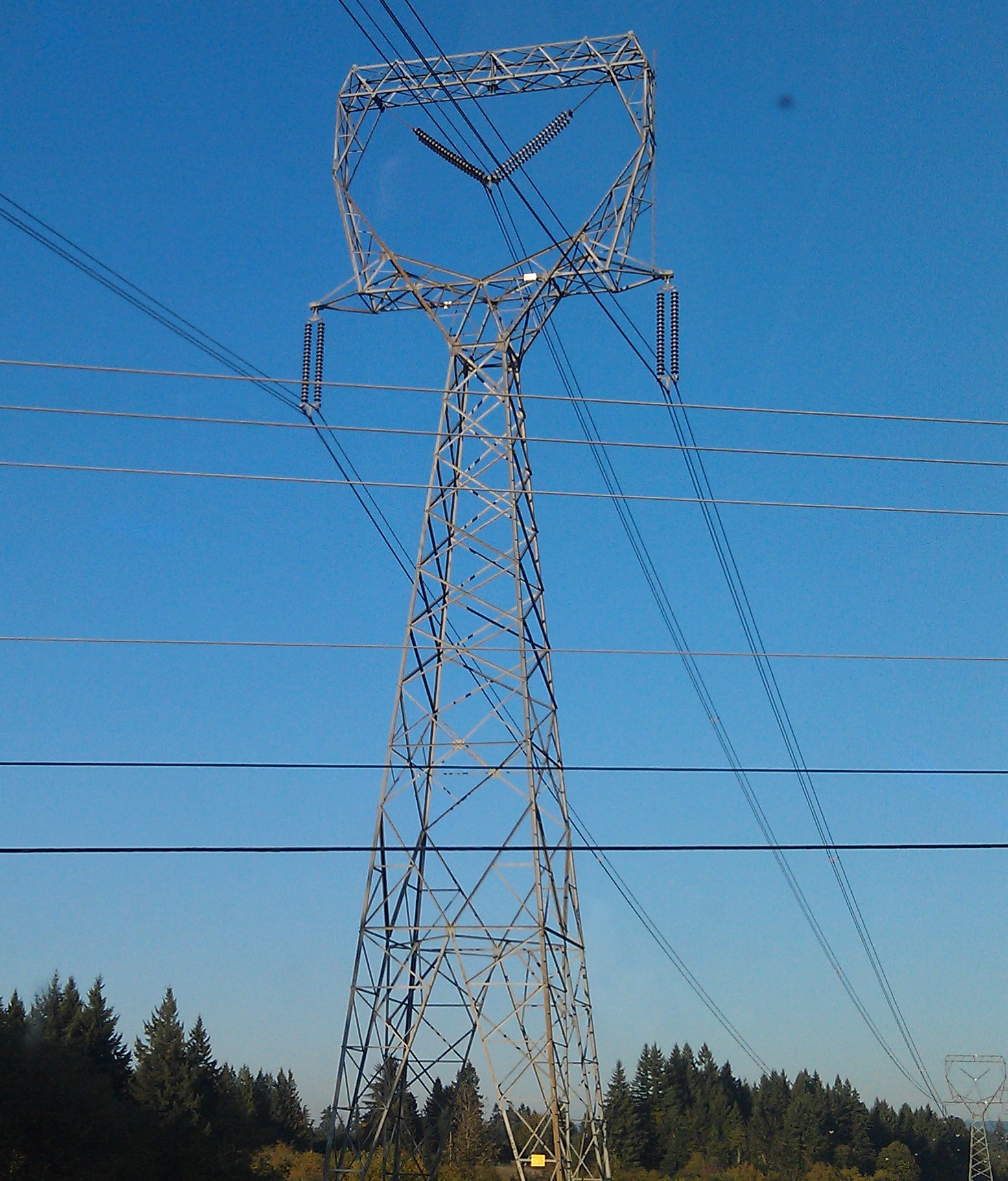 If someone were to describe you to another person, would they describe you as energetic and full of life or would they refer to you as dull and boring? I am not calling anyone out for their personality, or lack thereof, but think about it – try and think of a successful person that does not have a certain amount of noticeable energy and charisma.
The simple fact is that the amount of energy that we both put into something and put back out as we present it, are closely tied to the results we get. “No pain, no gain”, “You get out of it, what you put into it”, “If your not willing to pay the price ….” We have heard them all before. Well guess what? They are true.
I think the reason that we have seen such a decline on productivity at many levels of both the business world and our personal lives is because we are running low on energy. I have felt the affect of this myself and it takes a great amount of focus and commitment to maintain the productivity level that I need to get my work done as well as remain a productive part of my household.
There are many ways that energy affects the results that we achieve. Typically, when we talk about energy, we think about it in the physical sense. Although this is very important, there are different types of energy. When thinking about your habits, consider these types of energy that all affect your results:
1. PHYSICAL
This is clearly the type of energy that most of us think about first. How much physical energy do I have to accomplish my list? Do I feel like you are tired all the time? This is the one I struggle with the most. I need to sleep more, exercise more and I need to eat a more well balanced diet.
Many of us take pride in the amount of caffeine we can pour into our bodies that translates into how many hours of energy we have to use during the day. Guilty! We are really just fooling ourselves. Caffeine is a stimulant that makes our body think that it is full speed ahead. Rest, physical exercise and a proper diet are the only real way to give your body the physical energy it needs to function properly.
2. MENTAL
Mental energy .. Huh? I would suggest that you need to exercise your brain as well as the rest of your body. Not unlike your physical conditioning your brain needs a workout as well. What are you doing to exercise your brain? Are you reading? Are you involved in any kind of study groups that make you think differently, “outside-the-box” if you will?
Your brain needs to be working out in order to stay in shape. Sitting in front of the television, doing a brain dump (that’s what I call it) may be relaxing for some, but it does absolutely nothing to give you energy.
3. EMOTIONAL
Emotional challenges drain you. We have all felt it. It is a fact of life that we will all deal with very emotional events throughout our lives that emotionally drain us. In my opinion, this is the one that results in the biggest depletion of energy. We are distracted, feel overwhelmed and at time and can’t hardly function at all.
So what do we do? There are things that drain our energy everyday. The only solution is to recharge our batteries. Recharging is going to be different for all of us, but we have to do something. In a sense, we are a machine that needs fuel. When the battery goes dead, so do we.
Take a look at your schedule and determine whether or not you are allowing enough time to recharge your battery. As human beings, we do not have the luxury of going to Home Depot and buying a new set of batteries.
We only have one rechargeable battery and it’s up to us to keep it charged. So what are you doing to charge yours?
***********************************************************************
Don’t miss a single post from Building What Matters by subscribing at the top left of this page.
Help support us by clicking here and Liking our facebook page
Barry Smith www.buildingwhatmatters.com 10/12/12 photo by author
The post Energy = Results. What Charges Your Battery? appeared first on BUILDING WHAT MATTERS.COM.
]]>The post No Pain No Gain – Sometimes Leadership Hurts appeared first on BUILDING WHAT MATTERS.COM.
]]> Leadership has many responsibilities and many of these involve pain and frustration. Not necessarily the type of pain that requires medical attention, but the type of pain that comes with growth.
A good friend of mine recently had knee replacement surgery. Over the last few years, I have seen his ability to move around, without pain, deteriorate significantly. I think that sometimes leadership is like that. When we face a challenge as a leader, sometimes the right decision will be painful. If we don’t address it properly, our ability to lead in a productive manner will deteriorate and our influence will be compromised.
Many times we need to tell a co-worker or subordinate something that we know needs to be said, but at the same time realize that it will be hard for them to hear. Sometimes our decisions as leaders will impact relationships that we have.
So what do we do when faced with these difficult decisions? Here are six things that need to be considered when faced with making a difficult decision.
1. Accountability
As leaders, we are accountable to everyone. Not always by position, but because we are expected to do the right thing. Being accountable in making tough decisions, means that we will own that decision and stand behind it. If you haven’t bought into the decision, how can you expect others to.
2. Adversity
Adversity is part of many difficult decisions. It may already exist, thus the need to make the decision or it may be that you recognize the decision will result in some adverse conditions. As a leader, it is important to create a culture that will excel in the face of adversity and move forward productively as a team.
3. Attitude
Difficult decisions will result in difficult circumstances. Leading with a positive attitude is the best way to keep those around you in the same mind set. Remember, leadership is influence and if your attitude is bad, don’t expect any different behavior from those around you.
4. Authority
All leaders have some amount of authority. Sometimes we use our authority to make the decision that works the best for us. Authority is a powerful tool we use as leaders but it can also be a weapon of mass destruction. When making a difficult decision, it is crucial that your authority is used to make the right decision at the right time in the right way.
5. Awareness
This may be the most important consideration of all. Our awareness needs to stretch to all levels of the issue. We need to look at both sides of the decision and evaluate how that decision will impact everyone involved. I would suggest getting the opinions of others if the situation allows. Even our best leaders don’t see the entire picture from their perspective and additional insight from your inner circle is almost always beneficial.
6. Assessment
Finally, after all the information has been gathered, it’s time to assess the best move. This is the final step before making the decision, but unfortunately the step that often get’s looked over. My suggestion is to go through the exercise of writing down all the options and one-by-one, look at the pros and cons of each. This will not only provide clarity but may add some additional insight that you would not have previously experienced.
Sometimes decision that we have to make will be painful. There is no way around it. The best way to succeed in making the right decision is to evaluate it properly.
My friend had to make the decision to go through the pain of the surgical procedure and the ensuing rehabilitation process, but the decision was the right one and the pain will eventually be replaced with the freedom to function pain free.
The next time you are faced with a difficult decision, view it like it is the most important decision you will ever make. Understand the pain that it might cause but make it based on the right reasons.
***********************************************************************
Don’t miss a single post from Building What Matters by subscribing at the top left of this page.
Help support us by clicking here and Liking our facebook page
Barry Smith www.buildingwhatmatters.com 9/28/12 photo by author
The post No Pain No Gain – Sometimes Leadership Hurts appeared first on BUILDING WHAT MATTERS.COM.
]]>The post The Law Of Explosive Growth – Developing Leaders appeared first on BUILDING WHAT MATTERS.COM.
]]> Nothing is more important in my reading and writing than Leadership Development and the growth that results from it. Why? Because just like John Maxwell says, “Everything Rises and Falls on Leadership.”
Now that I am in my mid-forties, I can see a major gap between the leadership skills in my generation as compared to the skills of the next generation. The fact is, my generation is responsible for developing the next generation and based on what I have seen, we are failing.
I know that is a farily broad generalization and there are some great leaders out there in their twenties but it seems to me that the majority of our future generation is more concerned with what they get instead of what they give.
I have experienced many leaders that use their position primarily to create a group of people that will do what they want and basically do the majority of the work. The more followers, the more power and the more work that can be done. I have also seen leaders that are more concerned with developing their followers into leaders. Leaders that will carry positive momentum and eventually develop those that they influence into leaders themselves.
Maxwell does a great job comparing the FOCUS of leaders who attract followers and leaders who develop leaders. Here are six differences in comparing the two types of leaders.
1. A strong leader will develop leaders around him so that his team can successfully continue with, or without him.
- Leaders Who Attract Followers … Want to Be Needed
- Leaders Who Develop Leaders … Want to Be Succeeded
2. A strong leader will invest the time and effort in developing the leaders around him. These will be the leaders of the future.
- Leaders Who Attract Followers … Develop the Bottom 20 Percent
- Leaders Who Develop Leaders … Develop the Top 20 Percent
3. A strong leader will build on the strengths of his followers. He realizes that we all have a different skill set and that it is better to enhance the gifts we already have and utilize them accordingly.
- Leaders Who Attract Followers … Focus on Weakness
- Leaders Who Develop Leaders … Focus on Strengths
4. A strong leader will recognize potential and will make sure that those willing to invest in themselves will receive the opportunities to do so.
- Leaders Who Attract Followers … Treat Individuals the Same
- Leaders Who Develop Leaders … Treat Individuals Differently
5. A strong leader will make every minute count. Time spent with his followers will focus on personal and professional growth.
- Leaders Who Attract Followers … Spend Time with Others
- Leaders Who Develop Leaders … Invest Time in Others
6. A strong leader recognizes that developing leaders around him will exponentially create a larger group of leaders. Leaders will develop more leaders and followers will simply continue to follow.
- Leaders Who Attract Followers … Grow by Addition
- Leaders Who Develop Leaders … Grow by Multiplication
In order to create the type of explosive growth that Maxwell describes can only be done by multiplying the amount of leaders that we have on our team. All of us is better than one of us and when all of us are influencing others in a positive way that facilitates growth, our team will continue to grow and produce positive results.
The clear question then becomes, “What kind of Leader do you want to be?”
***********************************************************************
Next Up: Law # 21 – The Law of Legacy
Don’t miss any of the remaining Laws by subscribing at the upper left of this page.
Help support us by clicking here and Liking our facebook page
Barry Smith www.buildingwhatmatters.com 9/26/12 photo by author
The post The Law Of Explosive Growth – Developing Leaders appeared first on BUILDING WHAT MATTERS.COM.
]]>The post Why Is The Decision Making Process So Difficult? appeared first on BUILDING WHAT MATTERS.COM.
]]> Decision Making – why is it so difficult to make decisions when decision making is a part of everything we do? I guess when I really think about it, there are several reasons why we struggle to make decisions and lately I have become aware of how much the inability to make a timely decision impacts the other areas of out life.
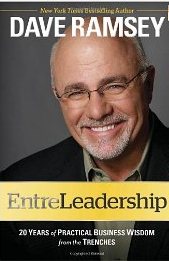
I am part of a team that will be hosting a Dave Ramsey Entreleadership Simulcast on September 21. I have been reviewing Ramsey’s book Entreleadership and he has a great chapter on indecision addressing this issue. He has done a great job in identifying reasons why we struggle to make decisions and offers some great ideas on how to make them better, more timely and most importantly, based on a logical process in doing so.
Ramsey offers up two main reasons why we struggle to make decisions:
1. FEAR
One of the biggest reasons that we have a tendency to be indecisive is that we are afraid that the decision we make will be wrong. This is where we get stuck a lot of the time because, in our busy lives, we simply shelf the decision to be made like something magic will happen and the right decision will pop into our head.
“Too many of us are not living our dreams because we are living in Fear.” – Les Brown
2. CRITICISM
Another major reason for indecision is that we feel that we will be criticized for the decision we make. Let’s face it, a decision is a choice and our choices affect others. Many decisions will result in positive outcomes for some and negative for others. This results in criticism. Our human condition doesn’t like criticism and therefore we avoid making a decision.
Here are a few of Ramsey’s ideas on the decision making process:
1. OPTIONS
Yes pen and paper still exist, so now is a good time to use them. Write down as many options as you can think of. This will not only help you identify the multiple choices that you have but may provide insight that you won’t see otherwise.
2. COLLABORATION
Some decisions can only be made by you. Most decisions can be made through collaborating with your team, your friends or your spouse. This will not only provide additional thoughts and ideas but will also produce higher engagement and team building.
3. VALUES
Many times we get caught up in the urgency or magnitude of the decision to be made and forget about our core value system and our mission statement. Sometimes a review of these two things can bring clarity and make the decision process much simpler and result in a quicker decision.
4. RESULTS
Make sure that you spend enough time evaluating all the responses that you may get from the decision. Many times we focus so much on the benefits of the decision that we forget about the negative side. Invest the time to evaluate both sides of the decision outcome.
The bottom line is this, decisions that we are faced with making hang on our shoulders like a heavy weight. The faster we can make the decision, the faster we can get on with our lives. Every decision is not necessarily simple to make but you have to be proactive in making it. To just put it at the bottom of the pile will slow you down and add stress to your life.
Evaluate the decisions you need to make and proactively pursue the best way to go about making those decisions.
CLICK HERE if you are in the Portland area and would like more information about the Entreleadership event on September 21st.
***********************************************************************
Don’t miss a single post from Building What Matters by subscribing at the top left of this page.
Help support us by clicking here and Liking our facebook page
Barry Smith www.buildingwhatmatters.com 9/10/12 photo courtesy of amazon
The post Why Is The Decision Making Process So Difficult? appeared first on BUILDING WHAT MATTERS.COM.
]]>