The post Leading The Starbucks Way – Part 3; Challenge Your Legacy appeared first on BUILDING WHAT MATTERS.COM.
]]> Wow! This has been the longest stretch without posting here since I started this blog two years ago. Between travelling, trying to get my book published and moving into a new office, I just had to say NO to a few things. But now it’s back to business. Let’s start by wrapping up our discussion on Leading The Starbucks Way.
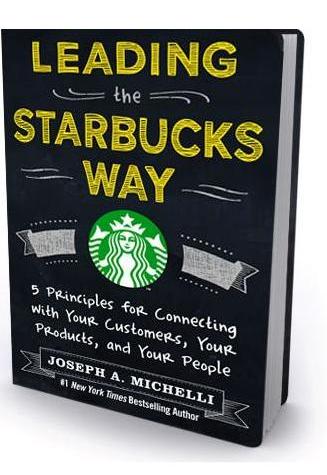
Last month in the Platform Builders Mastermind Group, we dove into “Leading The Starbucks Way: 5 Principles for Connecting with Your Customers, Your Products, and Your People” by Joseph A. Michelli.
Sure this book is about Starbucks, but it’s much bigger than that. Michelli shows why Starbucks has become the coffee bean superpower of the world. And it has nothing to do with the beans. I guess that’s not entirely true, but their success is built much more around who is serving rather than what is being served.
I will admit, I have invested my fair share in the Starbucks brand but I never gave a thought as to what goes on behind the grinder, so to speak. Michelli explores 5 Principles that give Starbucks the advantage over their competition and I for one, will pay much more attention to what is going on behind the counter next time I visit my local Starbucks.
Definitely a great look at what has made Starbucks so successful, but at the same time, the bar has been set very high for them to continue to live up to their reputation.
In this, the final of three posts, I will recap Michelli’s exploration of Principle 4 – Mobilize The Connection and Principle 5 – Cherish And Challenge Your Legacy
PRINCIPLE 4 – MOBILIZE THE CONNECTION
Nobody knows better than Starbucks that the power in any marketing strategy is going to depend greatly on social media. Michelli points out that Starbucks has identified 5 core elements in their digital strategy:
- commerce
- company-owned web and mobile channels
- loyalty/customer relationship management (CRM) targeted database
- social media and
- paid digital marketing
I have found it interesting how many ways there are to be a Starbuck’s customer while not even at the store. You seem to see the Starbuck’s name almost everywhere you go and it has all but become a household term anymore. I received a $5 Starbucks gift card through facebook a while back and when I used it this morning, the barista asked me where I got it. Made for a great conversation. Again, building relationships … the Starbucks way!
“By building social media connections through individualized experiences, unique preferences, thoughtful platform selection, and respect for the platform community, Starbucks pulls customers to its content, as opposed to pushing marketing materials to them.”
I love that quote. Many of us think of sales as more of a “push” process and even though we see Starbucks marketing everywhere, I don’t think I have ever felt like it was being pushed on me. Maybe I am just “pulled” to it because it’s a solid brand with great customer service. What do you think?
PRINCIPLE 5 – CHERISH AND CHALLENGE YOUR LEGACY
The final section of the book is worth the price of admission. Michelli takes an in-depth look at how Starbucks has considered all their decisions, both good and bad, as they move into the future. No doubt they fully understand that without a strong client base, they will not exist.
“For our purposes, we will look specifically at behaviors leadership demonstrates in the course of setting goals, taking action, and measuring progress in the areas of environmental stewardship, ethical sourcing, community development, and job creation.”
As they look into the future, they will depend greatly on their leadership to make sure that what is important, stays important. The bottom line is that their success is about the relationships they have built, both on the personal and corporate level. It’s no wonder that this business model is one that is being imitated on a daily basis. It works!
Responsibility is part of the Culture!
This is probably my favorite quote from this section of the book:
“True leadership requires a willingness to invest in the long-term health of one’s business and active collaboration with others, out of a genuine sense of responsibility.”
There is so much information in this book but my big takeaway is that Starbucks has created a culture that extends well beyond the people drinking their coffee. [Tweet This] Something to think about for all of us.
TODAY’S QUESTION: How much time do you spend thinking about your legacy? Does it end with the person right in front of you or have you considered that what you do might just impact someone you will never meet?
***********************************************************************
===> JOIN THE “LEADERSHIP BY INVITATION” LAUNCH TEAM <===
Click here to get a copy of my Kindle Book “The Manifesto Of An Influential Leader”
Don’t miss a single post from Building What Matters by subscribing at the top left of this page.
Help support us by clicking here and Liking our facebook page
Barry Smith 5/19/14 photo courtesy of amazon © Building What Matters 2014
The post Leading The Starbucks Way – Part 3; Challenge Your Legacy appeared first on BUILDING WHAT MATTERS.COM.
]]>The post Leaders Eat Last – Part 3; Culture Trumps Everything appeared first on BUILDING WHAT MATTERS.COM.
]]>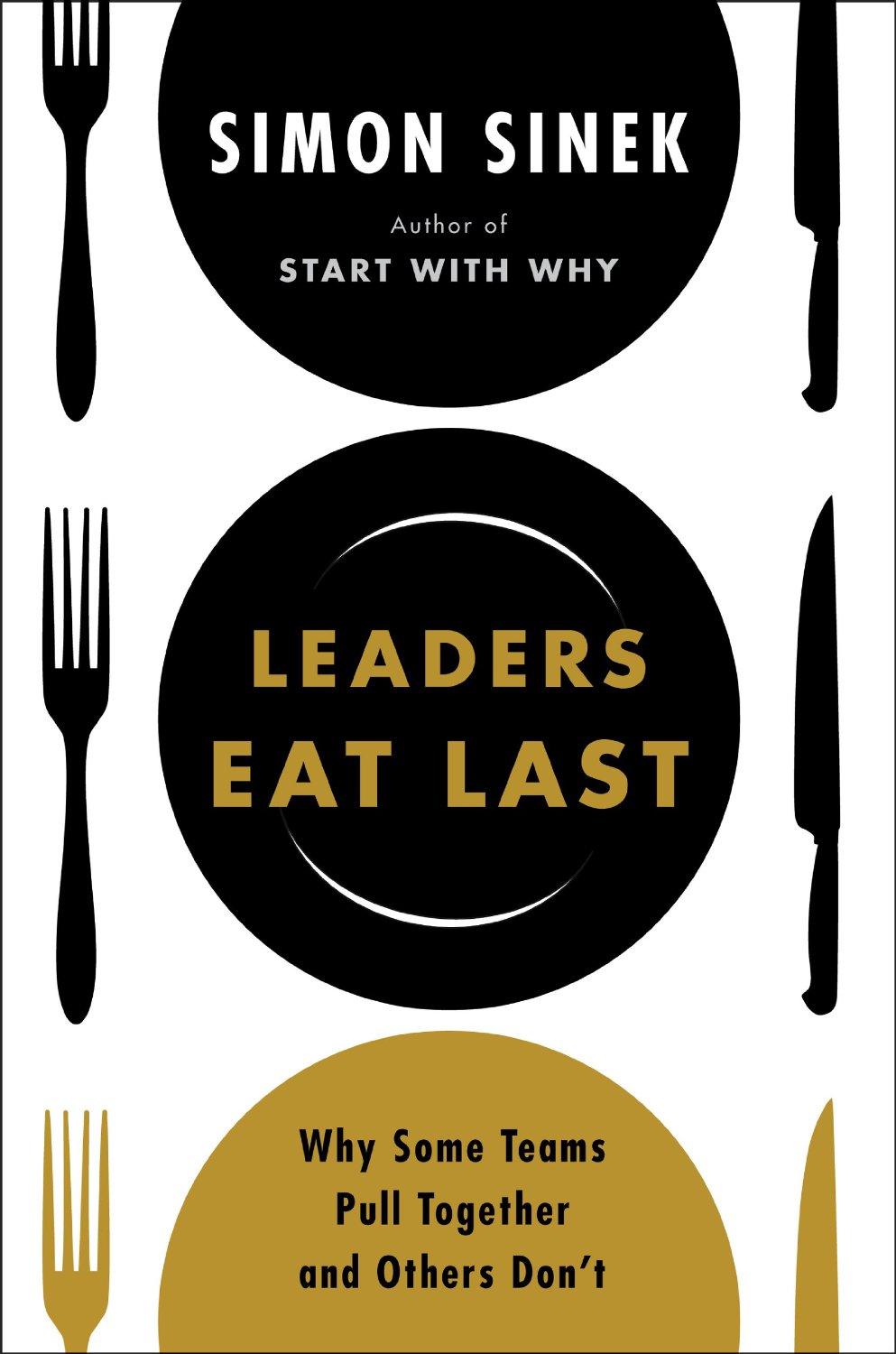 This month, in The Platform Builders Mastermind group, we are working our way through Simon Sinek’s recently released “Leaders Eat Last – Why Some Teams Pull Together and Others Don’t.”
Sinek, the author of Start With Why, provides a deep look into what creates the most effective teams and more importantly, what keeps them working together, even during the most difficult of times.
This is one of those books that will take you a little bit longer to read because so many thoughts require you to take another look, just to make sure you understood the power behind them. A phenomenal effort by Sinek, Leaders Eat Last not only looks at the dynamic of the team but of the individuals that make up that team.
What really sets this book apart is Sinek’s unique look at why some people make good leaders and others don’t and the “why” behind the results they get. In this post, the third of four, I will attempt to capture the basic thoughts of the eight parts of the book.
PART 5: THE ABSTRACT CHALLENGE
ABSTRACTION KILLS – Interesting how much our behavior changes when we are not directly connected to the outcome. Sinek provides an interesting look at how what can happen when we simply follow orders or instructions and disconnect from the results of our actions when we don’t actually “see” the outcome of them.
MODERN ABSTRACTION – A great discussion on the impact of what happens when a employer or leader becomes more concerned about the numbers than the people. Caring about your people will produce the numbers. Never forget that!
MANAGING THE ABSTRACTION – A great quote from this chapter “We like to actually be around people who are like us. It makes us feel like we belong.” As good as the virtual world is becoming, it will never replace sharing the same physical space with like-minded individuals.
IMBALANCE – Simple but powerful thought here. No matter how good something may be, or appear to be, it still needs to remain in balance with everything else. Too much abundance can be a damaging as not enough – maybe even worse!
PART 6: DESTRUCTIVE ABUNDANCE
LEADERSHIP LESSON 1 – So Goes The Culture, So Goes The Company – Culture trumps everything. A leader must provide focus and intentionally keep the culture of the company as a priority. Sinek quotes a former Goldman Sachs employee who described the company as “an environement with no trust, no mutual respect, and above all, no accountability when things went wrong.”
LEADERSHIP LESSON 2 – So Goes The Leader, So Goes The Culture – Some great thoughts here about leaders that empower their people. Your people will act as you do and treat others as they are treated.
LEADERSHIP LESSON 3 – Integrity Matters – A great piece of wisdom here with this one, “Integrity is not about being honest when we agree with each other; it is also about being honest when we disagree, or even more important, when we make mistakes or missteps.”
LEADERSHIP LESSON 4 – Friends Matter – Sinek suggests that cooperation doesn’t mean agreement, it means working together to advance the greater good, to serve those who rely on our protection, not to rack up wins to serve our team or ourselves. We need friendly relationships and need to keep our agenda separate in order to work cooperatively. (Tweet This)
LEADERSHIP LESSON 5 – Lead The People, Not The Numbers – A great observation made here by Sinek, “When a leader has the humility to distribute power across the organization, the strength of the company becomes less dependent on one person and is thus better able to survive.” Building up your people and making sure that they have a path to success is leadership, not the bottom line. Lead well, and the bottom line will take care of itself.
HOLDING YOUR PEOPLE ACCOUNTABLE
My favorite take from this section of the book comes from Sinek’s summary of Captain David Marquet’s Turn the Ship Around. He says this, “It is a leader’s job instead to take responsibility for the success of each member of his crew. It is the leader’s job to ensure that they are all well trained and feel confident to perform their duties. To give them responsibility and hold them accountable to advance the mission.”
Read that again and just think about it for a minute. Does that describe your leadership style? How about the person that is leading you?
***********************************************************************
Click here to get a copy of my Kindle Book “The Manifesto Of An Influential Leader”
Don’t miss a single post from Building What Matters by subscribing at the top left of this page.
Help support us by clicking here and Liking our facebook page
Barry Smith 3/20/14 photo courtesy of amazon © Building What Matters 2014
The post Leaders Eat Last – Part 3; Culture Trumps Everything appeared first on BUILDING WHAT MATTERS.COM.
]]>The post What Are You Willing To Sacrifice In Order To Grow? appeared first on BUILDING WHAT MATTERS.COM.
]]>
1 oz. of Gold from the Yukon
Friday night I attended a “Gold Rush” season premier party. For those of you not familiar with the show, it revolves around three groups of gold miners chasing their dream to find the elusive shiny mineral and strike it rich.
Part of my interest in the Discovery Channel hit is that I personally know some of the characters. For that reason, the “behind the scenes” footage always catches my interest.
Now in season four, we have watched the characters give up or “sacrifice” the life they have at home and head north in search of buried treasure. This season, one group led by Todd Hoffman and Dave Turin is actually mining in Guyana, South America.
The show is clearly a hit, but four years ago when these men left their families behind, they had no idea if they would find gold or not. They had to make difficult choices and had to be willing to sacrifice what they had for nothing more than the hope of hitting it big.
The “on-site” action clearly makes the show but the producers have done an incredible job showing what these ambitious individuals have had to give up. Everything has a price right? This season was no different as they showed the scenes of dad’s and husband’s saying goodbye for five months.
Aside from the pure adventure of gold mining, it is clear, at least to me, that these adventurers are not only living a dream but creating a legacy. If you are a fan of the show, you know that teamwork has been the key to their success. John Maxwell gives us some sacrifices that we have to consider when we want to do more and be more when working with teams.
Make Financial Sacrifices For The Team
Most of these people have leveraged everything to get started and to acquire the needed resources to become successful miners. Decisions had to be made and they all sacrificed the security that they had to become collectively successful.
Keep Growing For The Sake Of The Team
The shows main characters have stayed pretty much the same, but some changes have been made to make sure the teams are comprised of committed individuals that are willing to do what has to be done. Whatever that might be.
Empower Others For The Sake Of The Team
This is huge to me. I have watched the leaders face very difficult decisions, yet the vision was made clear and more importantly, shared with the rest of the team. Each individual knows that they are an important part of the team and sharing in the responsibility has empowered them to work together towards that common goal.
Make Difficult Decisions For The Sake Of The Team
Every season has had major challenges and each team has had to overcome major adversity. The leaders of each group have stepped up to the plate and made those difficult decisions and owned the results. Some of the choices made have not worked out, yet they continue to not fail, but learn and become better for it.
The bottom line is this, all these individuals have sacrificed on many different levels, but the leaders have had to sacrifice their pride when making the wrong decision. They have been quick to share the success but just as quick to own their failures and in doing that, have gained the respect from their teams.
The entire world might be watching on their television set but for these men and women, every day is real. They have made sacrifices to get there and they make sacrifices every day to get it done. The leaders set the attitude by being willing to do themselves, everything they expect from their team.
My question for you today is this: Are you asking your team to make sacrifices that you are not willing to make yourself? Doing so may explain the lack of commitment you are seeing.
***********************************************************************
Click here to listen in on October 30th as John Maxwell shares how to “Influence through Connecting”
Don’t miss a single post from Building What Matters by subscribing at the top left of this page.
Help support us by clicking here and Liking our facebook page
Barry Smith 10/28/13 photo by author © Building What Matters 2013
The post What Are You Willing To Sacrifice In Order To Grow? appeared first on BUILDING WHAT MATTERS.COM.
]]>The post The Collaboration Economy – Leadership On A Global Scale appeared first on BUILDING WHAT MATTERS.COM.
]]> I recently finished “The Collaboration Economy – How to meet Business, Social, and Environmental Needs and Gain Competitive Advantage” by Eric Lowitt. It focuses on how some of the major global players in business and industry have taken it upon themselves to LEAD the way into more environmentally friendly business practices.
Yes, the environmentally conscientious reader will probably connect on a higher level to the content but there are some significant leadership lessons to be found in this vision focused framework by Lowitt.
He describes the efforts being done on a global level by some of today’s industry leaders such as GE and Coca-Cola, to not only be more responsible in the way we are conducting our business but more importantly, how we can collaborate together to accomplish missions that can’t be achieved on an individual basis. In short, a new world economy based on collaboration.
Lowitt breaks the book down into three sections:
PART 1 – WELCOME TO THE COLLABORATION ECONOMY
Basically setting the stage, Lowitt describes the difference between “The Waste Economy,” where we are now and “The Collaboration Economy,” where we better be headed.
I won’t run you through the statistics, but basically we are on a short ride to running out of the natural resources that sustain us on a daily basis. Although focused on environmental issues, I would not consider this a “tree hugger” (for sake of a better term) book.
The real focus is on the collaboration between world business leaders that can lead to changes that simply could not be done by the individual corporations. This is a clear statement, backed up with logic and fact, that we is better than me.
PART 2 – BRINGING THE COLLABORATION ECONOMY TO LIFE AND SCALE
Part two is a series of chapters focused on specific topics such as energy, water and food, to name a few. Lowitt describes in detail, how industry leaders are partnering with competitors and leveraging suppliers to join the effort to make needed global changes.
Some may read into the specifics of the topic, but what really resonated to me were the leadership skills that were represented in the changes that have begun. Think about it – many of the examples that Lowitt explores requires business leaders to take tremendous risks, to their own reputation and position as well as to the bottom line of the business.
Significant financial investments had to be made in order to be the front-runners in these risky decisions. Many times, I found myself wondering what went through the minds of these leaders as they put the financial stability of their corporations on the line to do the right thing. Some big leadership lessons throughout!
Although I live in Oregon, a progressive state in their recycling and conservation efforts, I have never given much thought to what goes on behind the scenes. Yes we have come a long way in the last 40 years, but there is still a long way to go.
PART 3 – PUTTING IT ALL TOGETHER TO MOVE FORWARD
The final section really brings home the leadership concepts required to pull this major endeavor off.
Collaborative Leaders Do The Following:
- Think beyond their tenure
- Focus on collective and not individual success
- Are willing to accept someone else’s idea as better than theirs
- Are willing to make sacrifices for the good of the whole
- Understand their position is a privilege and not a right, and act accordingly
- Commit to a true purpose
- Promote and rely on partnerships
- Act with integrity, while guided by an ethical compass
- Have a “How Can We” mindset
Lowitt wraps up the book with this thought:
“Let’s not seek to sustain our current socioeconomic situation. Instead, let’s work together to create a new era of prosperity that benefits our lives today while enhancing future generations’ ability to meet their needs in perpetuity.”
I realize this is a lot to think about, but the reality is that if our generation doesn’t think about it, time will run out and none of us want our kids or their kids to end up in a world that can’t sustain itself.
My question for you today is this; “Are you willing to give today what is required to preserve tomorrow?” We can all do something – What will you do?
***********************************************************************
Don’t miss a single post from Building What Matters by subscribing at the top left of this page.
Help support us by clicking here and Liking our facebook page
Barry Smith 8/28/13 photo courtesy of Amazon © Building What Matters 2013
The post The Collaboration Economy – Leadership On A Global Scale appeared first on BUILDING WHAT MATTERS.COM.
]]>The post The 5 Pillars Of Influential Leadership – Part 16: Their Leadership appeared first on BUILDING WHAT MATTERS.COM.
]]>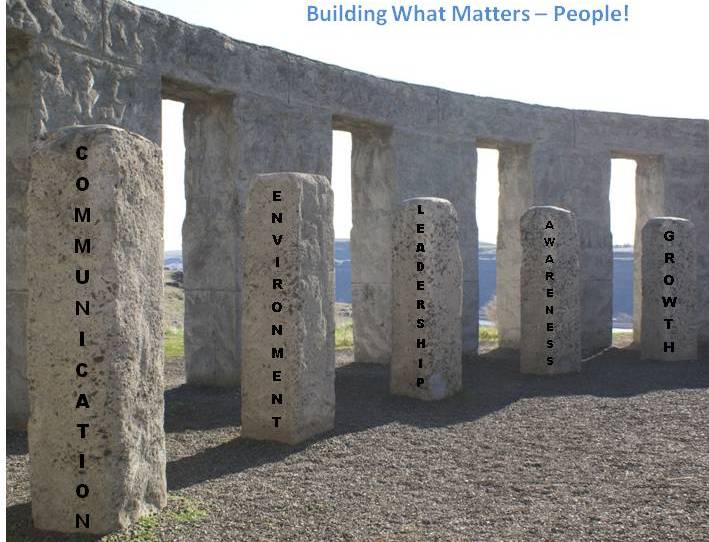 This is the Final of 16 weekly installments on The 5 Pillars of Influential Leadership. For the past 15 weeks I have broken down the 5 Pillars and show you how becoming and influential leader will not only improve your job skills but your personal life as well.
The 5 Pillars is a project that I have been working on for almost two years and had a great time with the official launch of “The 5 Pillars of Influential Leadership” Coaching program on May 23th.
Why the 5 Pillars? I have spent more than 30 years in the business world and although it has been primarily in the Construction world, the 5 Pillars philosophy works across all industries. In fact, while developing this program I realized that it can have a significant impact on your personal life as well.
I will break down each Pillar into three sections, personal, business and community. Any growth or improvement needs to start within, with the end goal of influencing the community you live in. In this post we will take a look at COMMUNITY LEADERSHIP.
Here we are, the final Pillar – Leadership. For 15 weeks we have been discussing the skills and values that help form an influential leader. In this final post of the series, we will look at what influential leaders do to add value to their communities.
ABUNDANCE
Any business plan should be built around success and abundance. Don’t build a model that will simply meet your personal goals but factor into the budget an amount designated to go back into your community.
I heard a great quote from John Maxwell this week. “Success is not defined by what you do, but what what you do that you don’t have to do.” That’s a powerful statement. What are you doing right now that you don”t have to do, that will add value to the community you are in?
PRIDE
There are two distinctly different types of pride and I will address what I consider the positive side of pride in this thought. Taking pride in what you do will result in a product the represents who you are. We have all heard the saying “if something’s worth doing, it’s worth doing right.” Are you taking the time to do things right?
I remember telling my boys to take pride in the work they were doing, no matter what it was. People appreciate a job well done and the amount of pride that is reflected in your work will be a direct reflection on the way you do just about everything. I love the quote; “The way you do something is the way you do everything.” Think about that one!
STRATEGY
Being strategic only works when the plan is well thought out and the purpose is clear. Your strategy in business or life, should include ways to give back to your community and those around you.
I know, “things happen” right? Well they do but when you have a specific strategy on making things happen, it is much more likely that the things you want to happen, will happen.
TRUST
Trust is one of the words I have used twice within this series. Why? Because it’s that important. “Trust, not money, is the real currency in life and business.” David Horsager makes this statement in The Trust Edge and he is right. People do business with those they they know, like and (you guessed it) trust.
Being trusted within your community brings trust to everyone you are connected to. Don’t ever underestimate the power of trust when it comes to your brand or the brand of your business.
GENEROSITY
Influential leaders commit time, money and other resources to the communities that they live in. Success in life is build around relationships and without them, personal or business, you will struggle to survive.
If you look at anyone or any business that is well respected in the community, you will find a history of giving back. Make a difference in someone else’s life and you will see a difference in your own.
LEGACY
Legacy is the other word I have used twice in this series. I have intentionally selected this to be the final key concept related to influential leadership. Leaving a legacy is not about what you did, it is about what you did for others.
As I have stated before, the reason I changed careers in my forties was because I wanted to create a legacy that would leave an impact long after I am gone. My dream and desire is to develop leaders that will develop leaders that will develop leaders.
Understanding and implementing The 5 Pillars Of Influential Leadership will do just that. Wishing you all the best and leave you with the encouragement to be Intentional about your next move in becoming and influential leader.
The 5 Pillars coaching program will take each topic to a much deeper level. We will explore open ended questions and how they are directly impacting your life and more specifically in this segment, will allow you to evaluate and understand your role in growing your business.
In the mean time, start asking the type of questions that will result in better answers. When you ask “How can I” you get an answer that will move the needle. “What can I do today to increase my ability to be an influential leader in my community?” Answer that question, act on it, and you will succeed.
RELATED:
- Click here to see Part 1
- Click here to see Part 2
- Click here to see Part 3
- Click here to see Part 4
- Click here to see Part 5
- Click here to see Part 6
- Click here to see Part 7
- Click here to see Part 8
- Click here to see Part 9
- Click here to see Part 10
- Click here to see Part 11
- Click here to see Part 12
- Click here to see Part 13
- Click here to see Part 14
- Click here to see Part 15
- For more on The 5 Pillars of Influential Leadership and to view my video click here
- To view my guest post in the 2013 International Leadership Blogathon click here
***********************************************************************
Don’t miss a single post from Building What Matters by subscribing at the top left of this page.
Help support us by clicking here and Liking our facebook page
Barry Smith 8/15/13 photo by author © Building What Matters 2013
//
The post The 5 Pillars Of Influential Leadership – Part 16: Their Leadership appeared first on BUILDING WHAT MATTERS.COM.
]]>The post Respect – The Person Or The Position? appeared first on BUILDING WHAT MATTERS.COM.
]]> Respect is one of the most important values, qualities or characteristics we find in any relationship, personal or professional. I also believe that it is one of the most misunderstood.
Dictionary.com provides a pretty good picture of what I’m talking about:
esteem for a sense of the worth or excellence of a person, a personal quality or ability, or something considered as a manifestation of a personal quality or ability: I have great respect for her judgement.
deference to a right, privilege, privileged position, or someone or something considered to have certain rights or privileges; proper acceptance or courtesy; acknowledgement: respect for a suspect’s right to counsel; to show respect for the flag; respect for the elderly.
Do you see the difference? One is about the person and one is about the position. I have observed that these two definitions are often misused in understanding how we “respect” other people.
I think the word respect get’s used too often and too easy by most of us. I think people use the word without truly understanding the real meaning. The last time you said your respected someone, did you really think about why you respect them or was it just a good thing to say at the time?
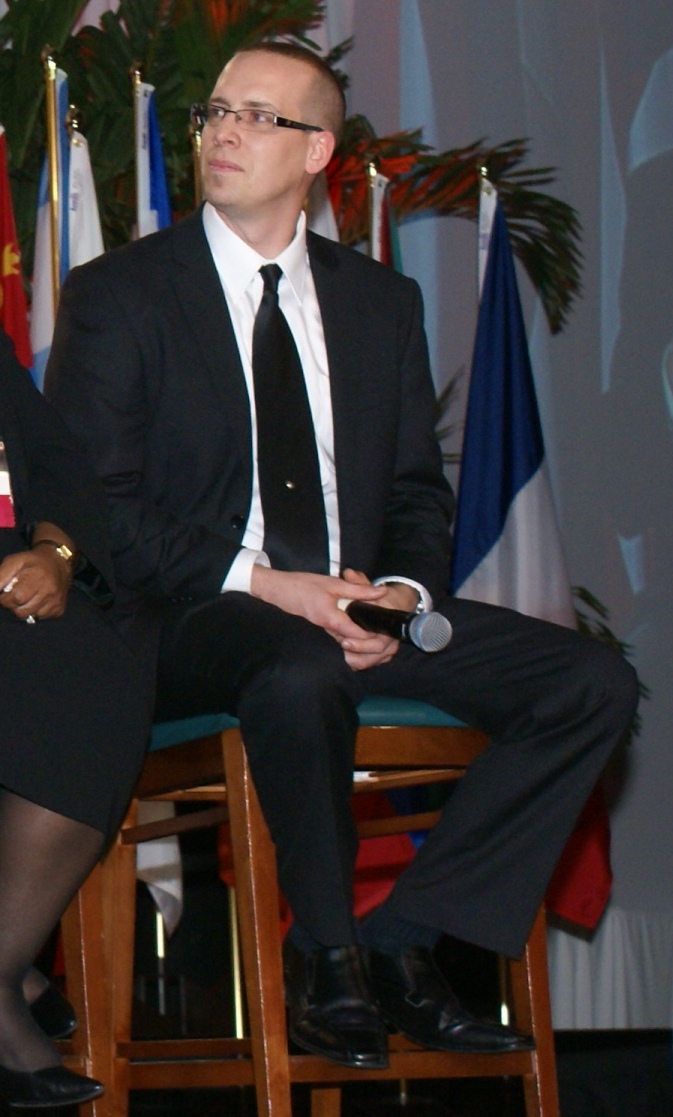
I don’t think it would be right to post about respect without giving an example of someone I respect a great deal. The guy in the picture is my coach, mentor and most importantly, my good friend Kary Oberbrunner.
Kary is a well respected author, speaker and coach. But what does that really mean? He is successful? He is accomplished? He knows what he’s talking about? Sure, probably all of the above. But I would suggest that it’s who he is that has gained him that respect, not what he has done.
My point is this – I think a lot of people are well respected in their field but not necessarily as individuals. In my opinion, respect is earned and I don’t really care what you have accomplished if your values and behavior don’t represent a lifestyle worth respecting.
I have only known Kary for about a year and a half, but during that time I have seen him continuously give to those around him and without any expectation of return. He simply leads a life to add value to other people. I believe that the success he has achieved in business is due to hard work and caring about those that he serves.
Now don’t misunderstand me, Kary is a regular guy just like you and me. Similar struggles and similar challenges – just ask him – he will tell you. But the thing that makes him different than most is his authenticity and transparency. He has no fear of laughing at himself if the story can help someone else. How often do you wish the people in your life had those traits?
I have a handful of people in my life like Kary and they all add value to me on a regular basis. In fact, these are the type of people that I turn to when I need help because I know they will be there.
This post is not to tell you how great of a guy Kary is, it is to describe how people like Kary are the type of people we should respect because they have earned it through their actions and not their accomplishments.
One thing that Kary has taught me is that you don’t ever want to be like someone else. You simply want to be a better “you.”
So is respect about the person or the position? You can make your own decision but for me it’s about the person. For me it doesn’t matter what success I achieve in life. If I can’t be respected for who I am and only for what I have done, I have completely missed the mark.
Challenge yourself to think of someone you respect and then try and come up with ten reasons why you respect them. When your done with the list, see how many are about who they are and how many are about what they have done. Just sayin’
***********************************************************************
Don’t miss a single post from Building What Matters by subscribing at the top left of this page.
Help support us by clicking here and Liking our facebook page
Barry Smith 8/5/13 photo by author © Building What Matters 2013
The post Respect – The Person Or The Position? appeared first on BUILDING WHAT MATTERS.COM.
]]>The post The 5 Pillars Of Influential Leadership – Part 14: My Leadership appeared first on BUILDING WHAT MATTERS.COM.
]]>This is the 14th of 16 weekly installments on The 5 Pillars of Influential Leadership. Every Thursday, I will break down the 5 Pillars and show you how becoming and influential leader will not only improve your job skills but your personal life as well.
The 5 Pillars is a project that I have been working on for almost two years and had a great time with the official launch of “The 5 Pillars of Influential Leadership” Coaching program on May 23th.
Why the 5 Pillars? I have spent more than 30 years in the business world and although it has been primarily in the Construction world, the 5 Pillars philosophy works across all industries. In fact, while developing this program I realized that it can have a significant impact on your personal life as well.
I will break down each Pillar into three sections, personal, business and community. Any growth or improvement needs to start within, with the end goal of influencing the community you live in. In this post we will take a look at PERSONAL LEADERSHIP.
Here we are, the final Pillar – Leadership. For 13 weeks we have been discussing the skills and values that help form an influential leader. For the final three weeks, we will look at what influential leaders do, and how they do it.
MENTORING
You won’t find an influential leader out there that does not have a mentor. None of us are the best we can be in everything we do. Influential leaders recognize that there are others that can, and are willing to help them take it to the next level.
DEVELOP OTHERS
Influential leaders are committed to helping others along the way. There is no greater gift than to believe in someone and help them reach their potential and achieve their dreams. Who can you help develop with the skills you have?
SERVANT LEADERS
Influential leaders are servant leaders. They give with no expectation of anything in return. Although the initial return on this investment of time and resources is not always seen right away, it becomes very evident over time.
SELF-LEADERSHIP
John Maxwell has said that the hardest person to lead is yourself. I think he is right. Influential leaders are continually working to improve their own skills and are committed to personal growth.
WISDOM
The only way wisdom is gained is through experience. Influential leaders spend time reflecting on the events in their lives and the lessons that can be learned. They are open to sharing both their successes and failures with the intent of helping others learn as well.
COURAGE
Influential leaders have the courage to make the difficult decisions required to change the things that need changing. You can’t please all of the people all of the time and clear vision on mission and purpose empowers the leader to take others in the direction that they need to go.
INFLUENCE
Every decision you make will influence an outcome. Influential leaders understand that their actions will impact those around them. They make their decisions based on what is best for the entire team or organization. As Maxwell says; “Leadership is influence, nothing more, nothing less.”
TRUST
David Horsager, in “The Trust Edge” says that trust is the real currency in business and life, not money. Your success is based on people that know, like and trust you. Building a relationship based on trust will lead to success, but remember, broken trust can take a lifetime to repair. Do you have that much time?
LEGACY
One of the biggest reasons I made a career change was because I wanted to leave a legacy that mattered. I could take you on a drive through the Portland area and show you numerous projects that I have been involved with over the last 30 years. None of them can tell you anything about who I am. The people that I have influenced as a coach, speaker, trainer and author can tell you how I made a difference in their lives. That is a legacy worth living.
The 5 Pillars coaching program will take each topic to a much deeper level. We will explore open ended questions and how they are directly impacting your life and more specifically in this segment, will allow you to evaluate and understand your role in growing your business.
In the mean time, start asking the type of questions that will result in better answers. When you ask “How can I” you get an answer that will move the needle. “What can I do today to increase my ability to be an influential leader?” Answer that question, act on it, and you will succeed.
RELATED:
- Click here to see Part 1
- Click here to see Part 2
- Click here to see Part 3
- Click here to see Part 4
- Click here to see Part 5
- Click here to see Part 6
- Click here to see Part 7
- Click here to see Part 8
- Click here to see Part 9
- Click here to see Part 10
- Click here to see Part 11
- Click here to see Part 12
- Click here to see Part 13
- For more on The 5 Pillars of Influential Leadership and to view my video click here
- To view my guest post in the 2013 International Leadership Blogathon click here
***********************************************************************
Don’t miss a single post from Building What Matters by subscribing at the top left of this page.
Help support us by clicking here and Liking our facebook page
Barry Smith 8/1/13 photo by author © Building What Matters 2013
The post The 5 Pillars Of Influential Leadership – Part 14: My Leadership appeared first on BUILDING WHAT MATTERS.COM.
]]>The post Everything Rises And Falls On LEADERSHIP! appeared first on BUILDING WHAT MATTERS.COM.
]]>It is with a heavy heart that I draft this post today. Several lives have been lost as a result of the devastating tornado in Oklahoma yesterday. Along with the tragedy, come many stories of survival and perseverance.
Every time mother nature throws something at us, I am reminded of the leadership that is needed to pick up the pieces in an effort to bring back some type of order within the chaos. I recognize that lives have been changed forever, but in reality, we are forced to move on. Not forget about those lost, but move forward in honor of their lives and their memories.
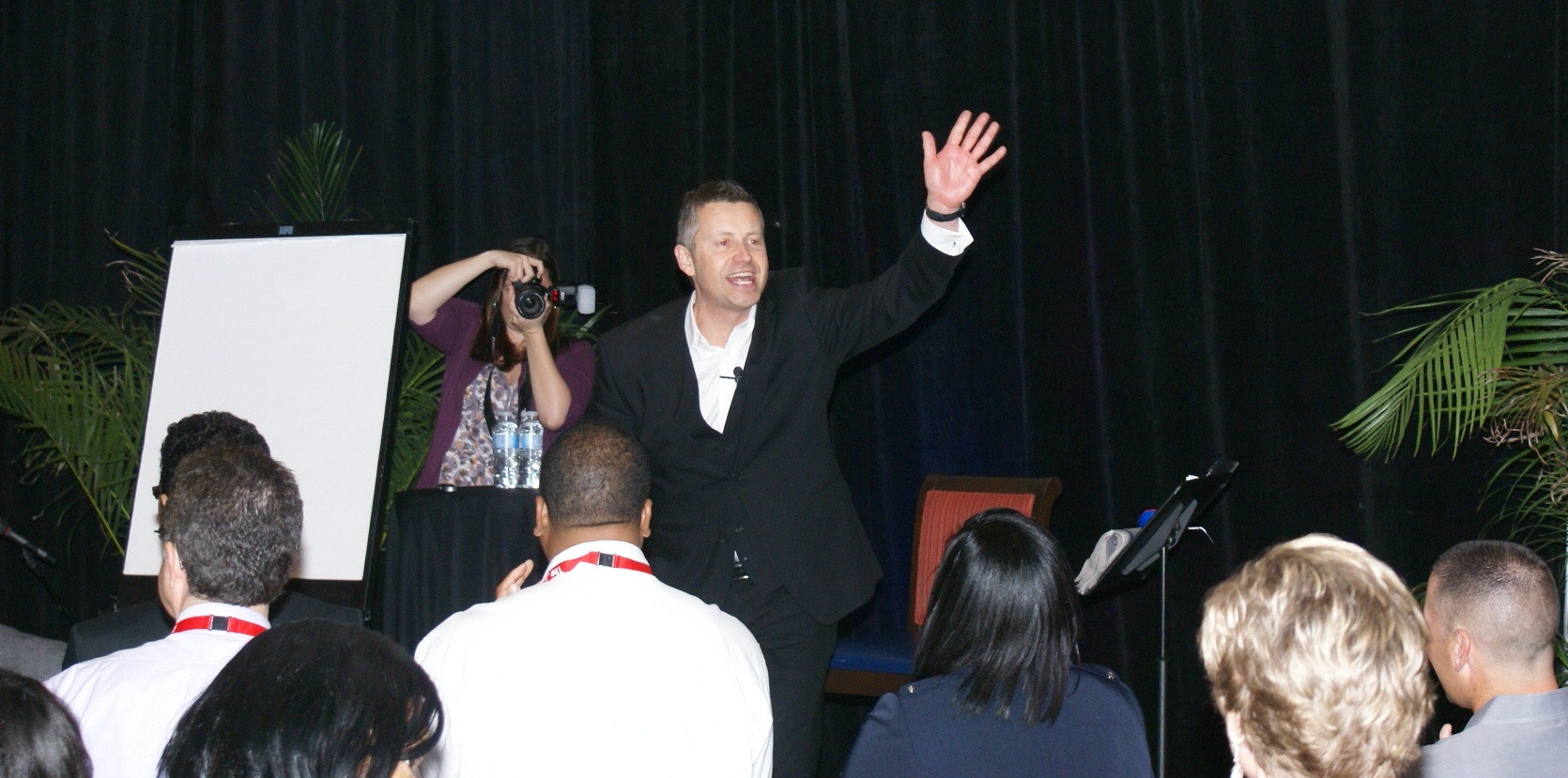 The interesting thing to me is how so many step up to the plate when there are no other options. The need is there, and countless people simply step to the plate and do what needs to be done with no expectation of anything in return.
I think John Maxwell is right when he says “Everything Rises and Falls on Leadership.” The community impacted by this latest event will recover. They will recover because leaders will step to the plate and lead them forward.
The lives that were impacted by the tornado will be changed forever and I won’t pretend to understand the challenges that they face. But this I know, as a community they will pull together. They will encourage each other and lift each other up when the memories of those lost are pulling them down.
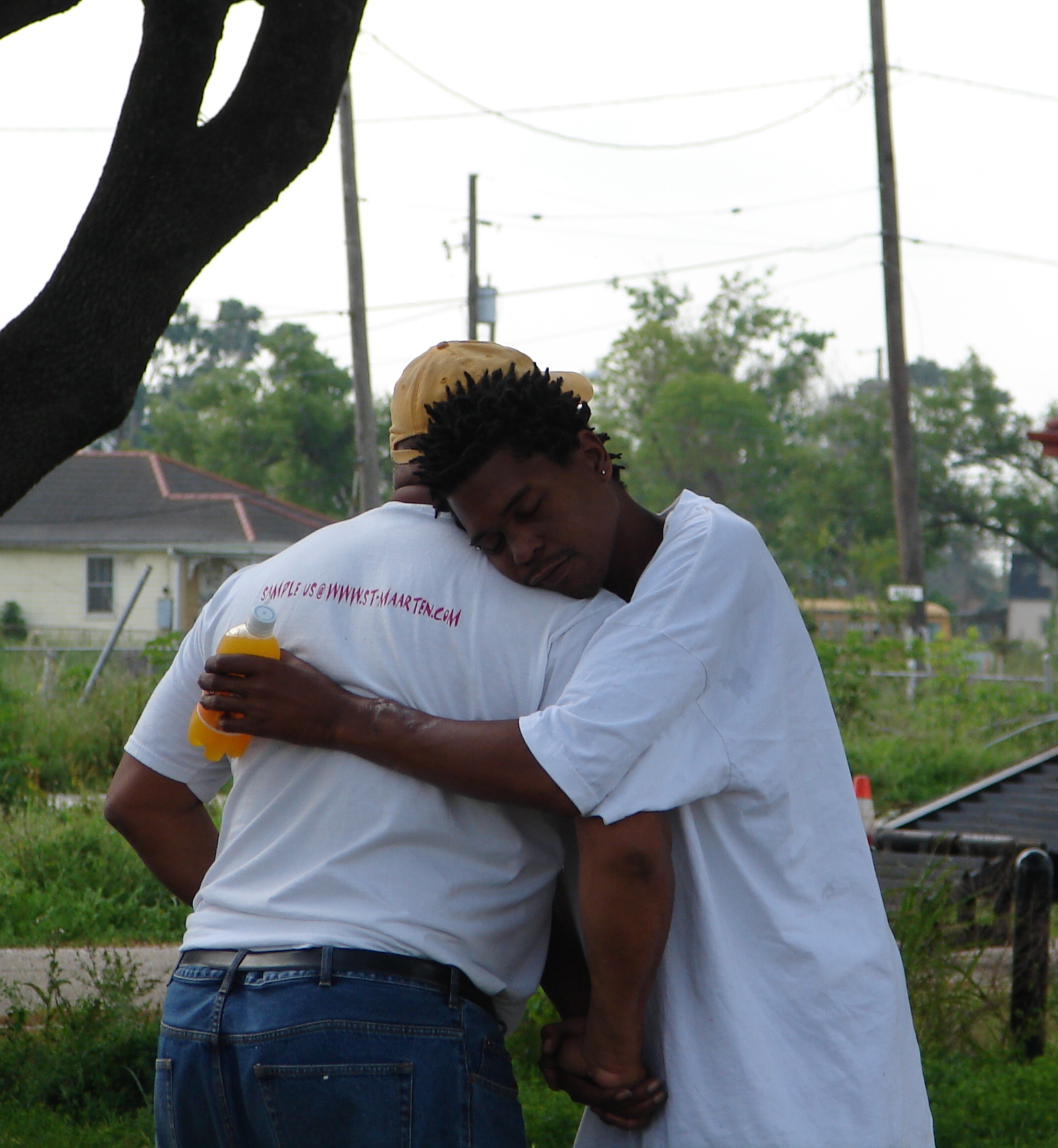 They will find strength in each other knowing that they must go on because they need to be there for each other. They will rise again and they will do it on the leadership of those within the community that understand and believe that to do so is the only option.
SERVANT LEADERS provide WISDOM and COURAGE to MENTOR, DEVELOP and INFLUENCE others.
Leaders use their VISION and AUTHORITY to deal with CRISIS MANAGEMENT. They depend on their INNER CIRCLE to NAVIGATE challenging times and MANAGE the resources they have available.
When there is ABUNDANCE, leaders give GENEROUSLY. PRIDE will be put aside and STRATEGY will result in building TRUST and creating a LEGACY that will make a difference.
No question or challenge today, but a request: Please keep those impacted by the events in Oklahoma on Monday in your thoughts and prayers as they deal with the challenges they face in recovering from this tragic event.
***********************************************************************
On May 23rd, at 8:00 pm ET, I will be hosting a free call introducing “The 5 Pillars Of Influential Leadership” Coaching Program.
This will be a content filled call that will not only teach you about influential leadership but also about leading an intentional and successful life. The words in capitals above are topics within Pillar #5 – LEADERSHIP.
This is the final of five posts related to the 5 Pillars that will go out prior to the call on the 23rd.
For more information and to register for the free call CLICK HERE.
To see the first video on Pillar #1 – AWARENESS click here
To see the second video on Pillar #2 – ENVIRONMENT click here
To see the third video on Pillar #3 – GROWTH click here
To see the fourth video on Pillar #4 – COMMUNICATION click here
***********************************************************************
Don’t miss a single post from Building What Matters by subscribing at the top left of this page.
Help support us by clicking here and Liking our facebook page
Barry Smith 5/21/13 photo by author © Building What Matters 2013
The post Everything Rises And Falls On LEADERSHIP! appeared first on BUILDING WHAT MATTERS.COM.
]]>The post Trust – It Really Is Part Of Everything We Do! appeared first on BUILDING WHAT MATTERS.COM.
]]> It seems like trust has been a pretty popular topic lately. I guess it should be no surprise if you buy into what David Horsager states in his recently released “The Trust Edge. Horsager states “trust, not money, is the real currency in business and life.”
A friend of mine, Dan Forbes, who heads up the #LeadWithGiants community, approached me to co-host a tweetchat on the idea of trust and leadership and how consistency plays a role in both.
I will be honest with you – I had previously participated in a tweetchat only one time, and for less than 10 minutes so I really had no idea what I was getting into. No worries – Dan had it all simplified – all I had to do was trust that Dan would have my back and he had to trust that I would come through.
Dan and I put together a blog post to be used to introduce the tweetchat topic. You can click on this link to read “Leadership, Consistency, and Trust“. The snapshot is that I shared how the practice of consistency has both helped and hurt me in my professional and personal life and how I need to become more consistent if I really want the Trust Edge.
The tweetchat is over and honestly, I had a lot of fun with it and was actually encouraged by the collaboration and great input contributed by many of my peers in the game of leadership development.
I won’t go into every detail but want to share the ten questions that were discussed during the tweetchat:
- How do you define trust?
- Do you think trust or money is the currency of life? Why?
- Character, Commitment, Consistency; which is the most important in building trust?
- How does consistency build trust?
- What steps can be taken to rebuild broken trust?
- How does consistency help you personally balance work vs. life?
- What do we forfeit when we are inconsistent?
- Do you think most people are the same online as they are in real life?
- What are your strategies for a trusted online presence, brand or reputation?
- What one thing, if you did it consistently over the next 6 months, would most impact your life?
The answers were some of what you would expect and then again, some of what you wouldn’t. The thing that really made me think had nothing to do with the questions themselves. It was the level of engagement by the participants and the honesty that was included in the responses.
Why does this matter? I find it very interesting that I sometimes trust people that I have only met in a virtual world more than some of those that I see everyday.
Is there people that you have never met that you trust more than some that you see every day? More importantly, Why?
***********************************************************************
Don’t miss a single post from Building What Matters by subscribing at the top left of this page.
Help support us by clicking here and Liking our facebook page
Barry Smith www.buildingwhatmatters.com 4/1/13 photo by author
The post Trust – It Really Is Part Of Everything We Do! appeared first on BUILDING WHAT MATTERS.COM.
]]>The post The Trust Edge – Part 4, Keeping The Edge appeared first on BUILDING WHAT MATTERS.COM.
]]>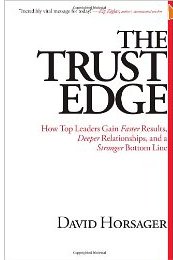 This is the final of four posts discussing David Horsager’s book ”The Trust Edge.” How Top Leaders Gain Faster Results, Deeper Relationships, and a stronger Bottom Line.
The basic premise of the book is that when we build trust, we gain a competitive advantage in the world we live in. I believe that this applies to both our personal and professional lives. Simply put, when we build trust, we build relationships. And as we all know, people want to spend time with, associate with and do business with people they trust.
The heart of the book focuses on Horsager’s Eight Pillars of Trust – Clarity, Compassion, Character, Competency, Commitment, Connection, Contribution and Consistency.
In this post, we will discuss how to keep the edge.
EXTENDING TRUST
People usually aspire to what is expected of them. This is huge, when you trust someone and they feel trusted, their performance usually reflects that. If you expect little, expect little in return. Horsager puts it this way “Where there is lack of trust, everything costs more, takes more time, and creates more hassles.” When you extend trust to others, the result is much more likely to be better performance and productivity.
REBUILDING TRUST
As hard as we try, eventually something will happen that will impact the level of trust between individuals or businesses and sometimes both. It’s going to happen. None of us are perfect and what happens after we lose trust will determine whether the relationship can be salvaged or not. Horsager sums it up by stating “Without trust, there is no basis for relationship.” If you value the relationship, act immediate and intentional to make it right. It’s not about who is at fault, it’s about who is willing to own it and fix it.
GLOBALIZATION AND TRUST
Building trust on a global scale brings a whole new group of challenges. Culture, language as well as the obvious geographical challenges. The focus needs to remain with the relationship. Horsager points out that “In building trust globally, we must magnify the pillars of trust.” Certainly with global relationships there is the potential for greater reward. With that reward comes risk. If you value the relationship, you better make sure you value the people in it.
TRUST IN THE ONLINE AGE
Horsager makes the point that “In the online age, reputation moves at the speed of light.” Communication today is, in most cases, instant. The ability to do business online has made almost any type of business transaction immediate. As much as this is a good thing, it has also created the chance for immediate failure. The best advice … keep watch on what is going on. If a problem occurs and is not addressed immediately, your trust will decline just as fast.
A SHARP AND LASTING EDGE
Horsager closes out the book discussing the idea of an environment of trust. He shares the following quote from an employee of an organization he was working with. “Our leadership has high expectations, but they really care about the team, give us every resource we need to do our jobs, and celebrate our accomplishments.” The leaders of the organization clearly understand that trusting their people is the way to get results.
In both the business world and in our personal lives, we deal with trust issues every day. If you want to succeed in either you need The Trust Edge. What will you do today to gain that Edge?
See Part 1 of The Trust Edge by clicking here.
See Part 2 of The Trust Edge by clicking here.
See Part 3 of The Trust Edge by clicking here.
Find out more about David Horsager and The Trust Edge at:
www.TheTrustEdge.com or www.davidhorsager.com
***********************************************************************
UP NEXT: A 4 week series on “To Sell Is Human” The surprising truth about moving others by Daniel H. Pink
Don’t miss a single post in this series from Building What Matters by subscribing at the top left of this page.
Help support us by clicking here and Liking our facebook page
Barry Smith www.buildingwhatmatters.com 2/13/13 photo courtesy of Amazon
The post The Trust Edge – Part 4, Keeping The Edge appeared first on BUILDING WHAT MATTERS.COM.
]]>